Artwork
Moartea Cleopatrei
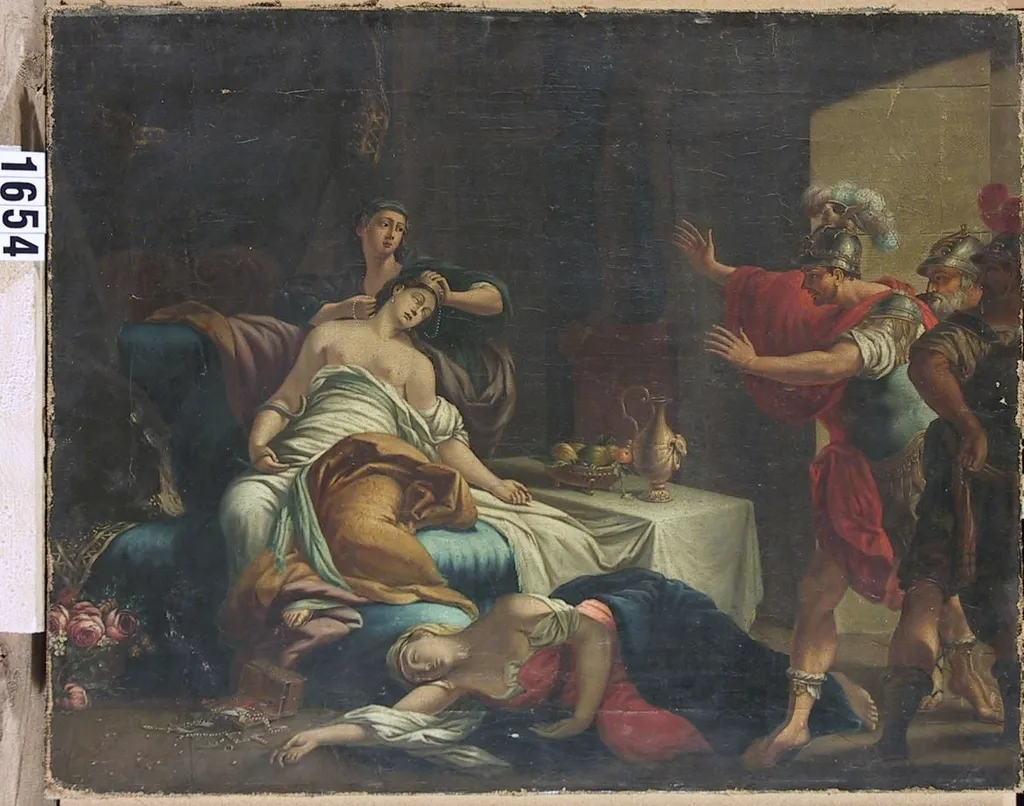
Moartea Cleopatrei is a print by the Academic Art artist Mișu Popp. It dates from 1869 and is held in the collection of the Brukenthal National Museum.
About this work
Overview
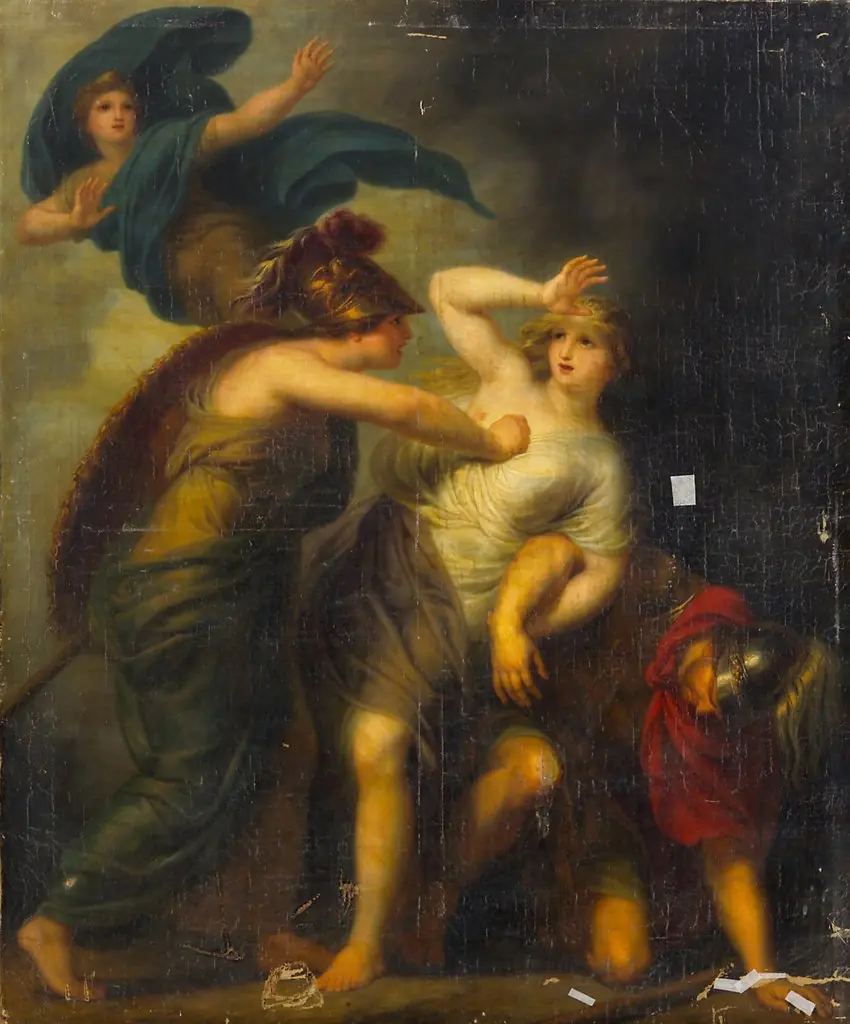
Painted around 1869 by Romanian artist Mișu Popp, this work depicts a moment of crisis drawn from classical antiquity.
Painted around 1869 by Romanian artist Mișu Popp, this work depicts a moment of crisis drawn from classical antiquity. The scene is rendered in a somber, theatrical style, with figures arranged to emphasize emotional tension. The composition centers on a reclining woman, surrounded by others reacting to an unseen event. The use of chiaroscuro isolates faces and armor in dim light, heightening the sense of impending doom.
Subject & Meaning
The painting illustrates the death of Cleopatra, traditionally believed to have died by asp bite following the defeat of Antony and herself by Octavian. The woman on the couch, pale and still, suggests the final moments of life. The armored men may represent Roman soldiers or attendants, while the fallen woman and distant observer amplify the tragedy’s weight. The scene evokes loss, power’s collapse, and the quiet end of a ruler’s reign.
Technique & Style
Popp employs a dark, limited palette with concentrated light on faces and metallic armor, creating stark contrasts. Brushwork is precise in rendering textures—fabric, metal, skin—while the background recedes into shadow. The figures are arranged in a shallow space, drawing attention to their gestures and expressions. The composition leans toward Romantic drama, prioritizing emotional impact over historical accuracy.
History & Provenance
Created during a period of growing national interest in historical and mythological themes in Romanian art, the painting was likely intended for public display. It entered the collection of the National Museum of Art of Romania in the late 19th century, where it remains. Its survival through political upheavals reflects its status as a significant early example of Romanian academic painting.
Context
In mid-19th-century Romania, artists looked to classical and biblical narratives to explore themes of heroism and downfall, aligning with broader European Romantic trends. Popp, trained in Vienna and Munich, brought back academic techniques to his homeland. This work reflects both local aspirations for cultural legitimacy and the fascination with ancient tragedy as a vehicle for moral reflection.
Legacy
Though not widely reproduced, the painting is recognized as an early example of Romanian historical painting with strong emotional resonance. It contributed to the development of a national visual language rooted in European traditions. Scholars cite it as evidence of how Romanian artists engaged with classical subjects to articulate contemporary ideas about power, fate, and identity.
Artist & collection


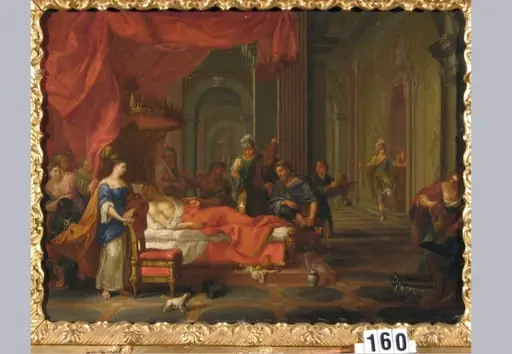 Antiochus pe patul de suferință. Pandant: Sinuciderea Didonei
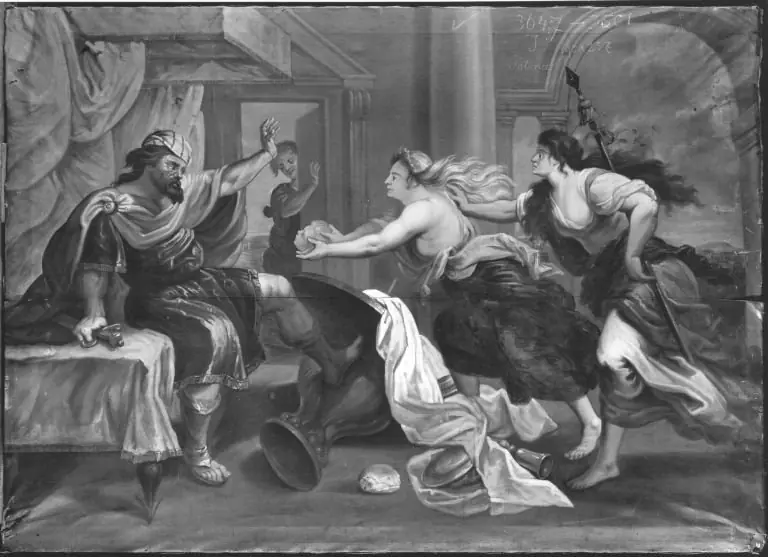 Philomele
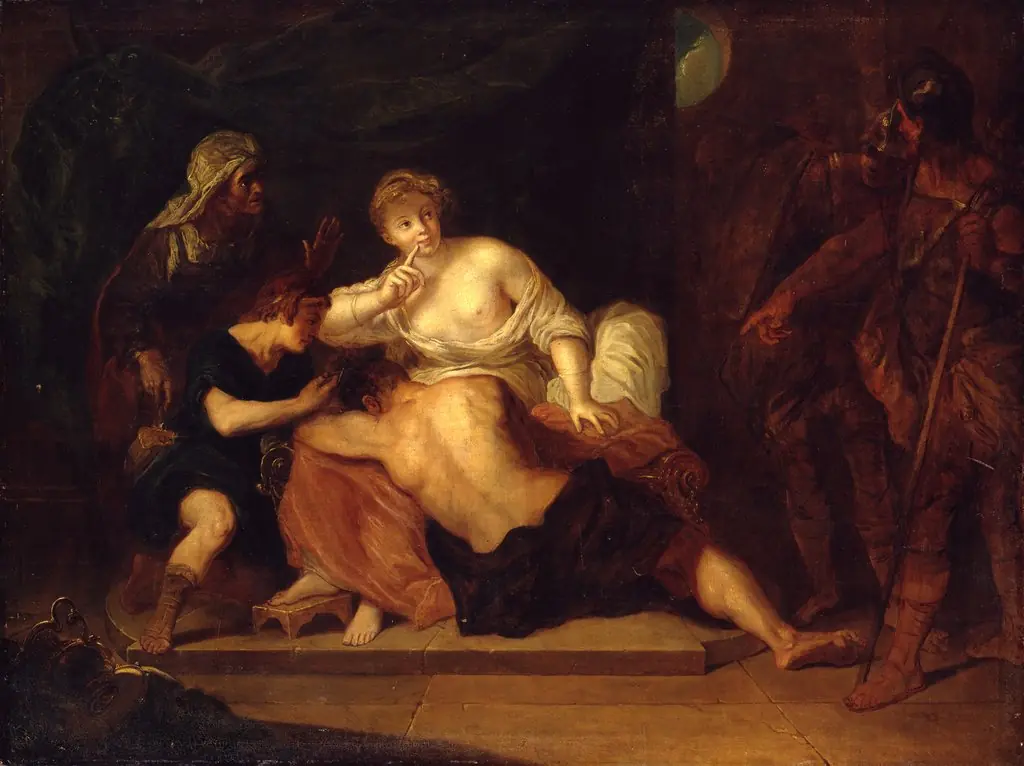 Samson and Delilah
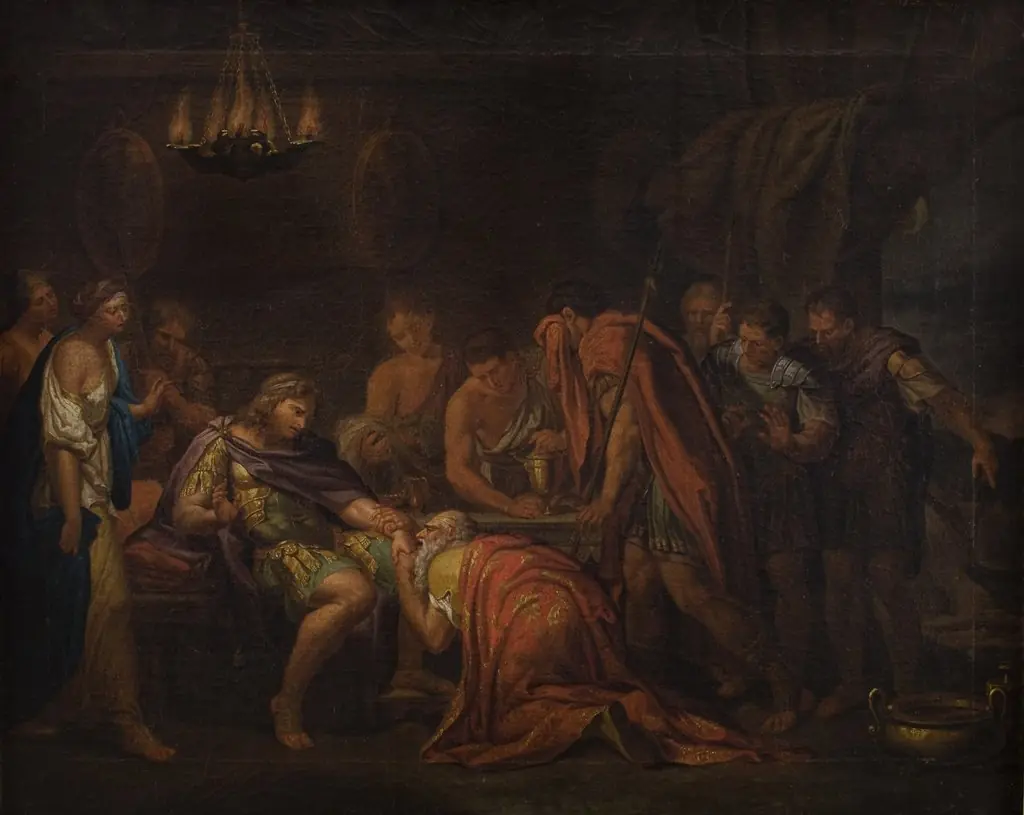 Priam Pleading with Achilles for the Body of Hector
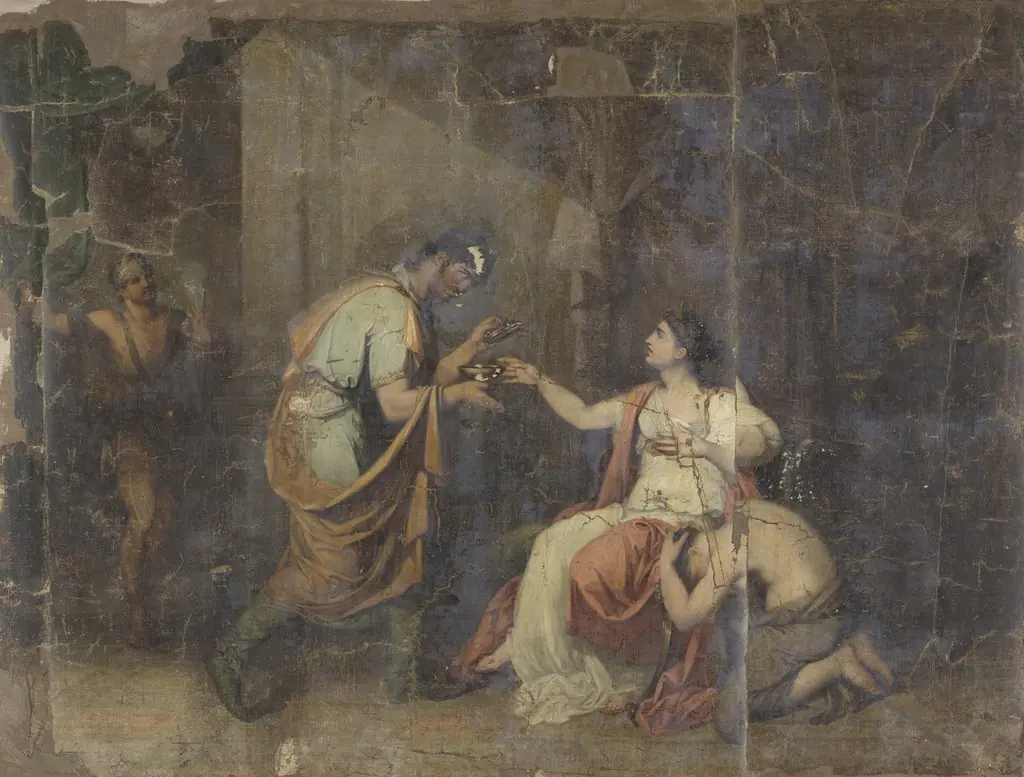 The Death of Sophonisba, Queen of Numidia
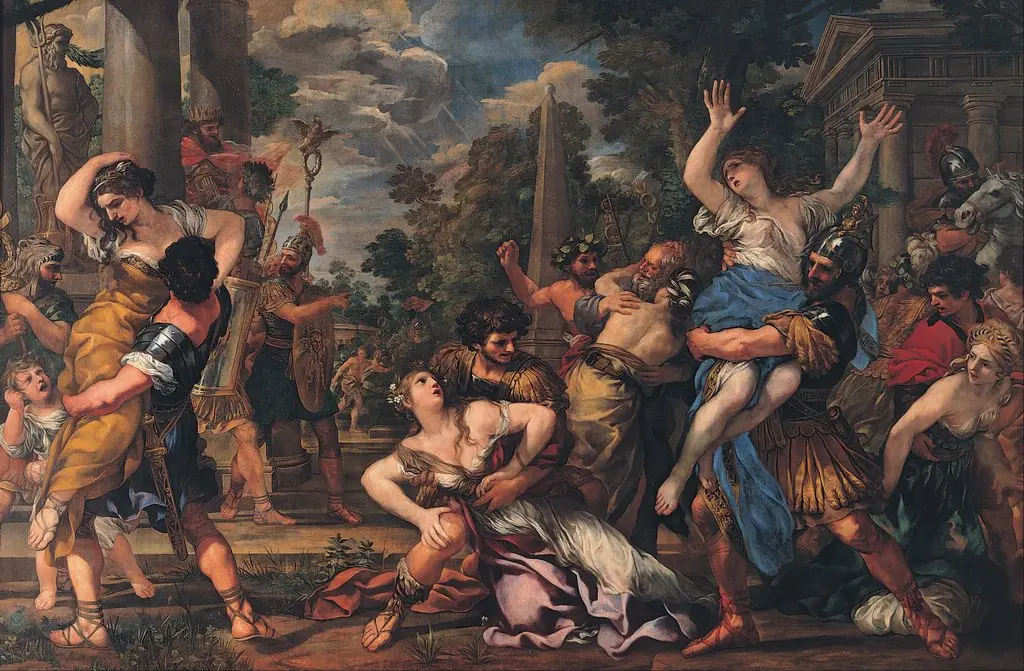 Rape of the Sabines
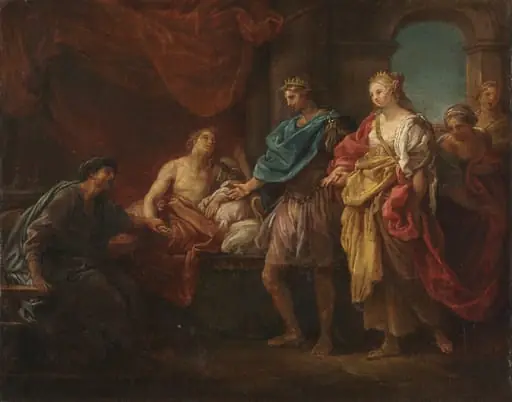 Study for "Antiochus and Stratonice"
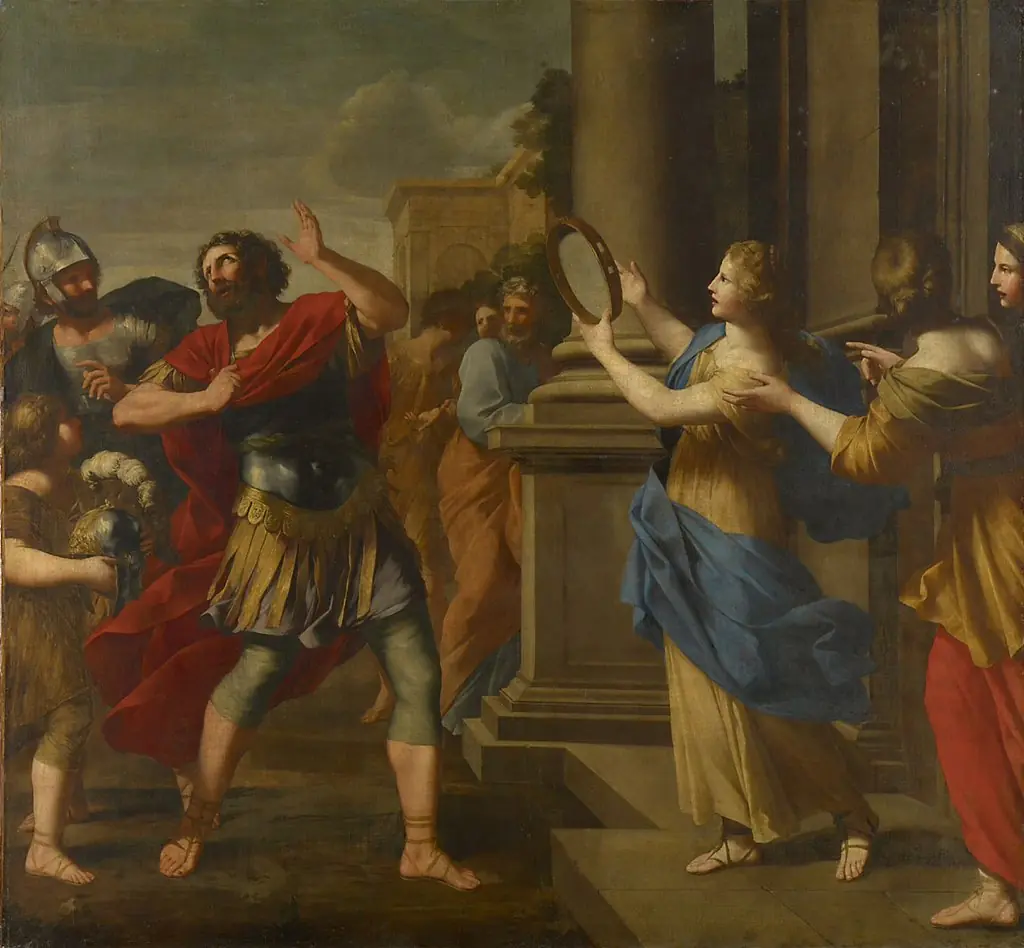 Jephta erblickt seine Tochter
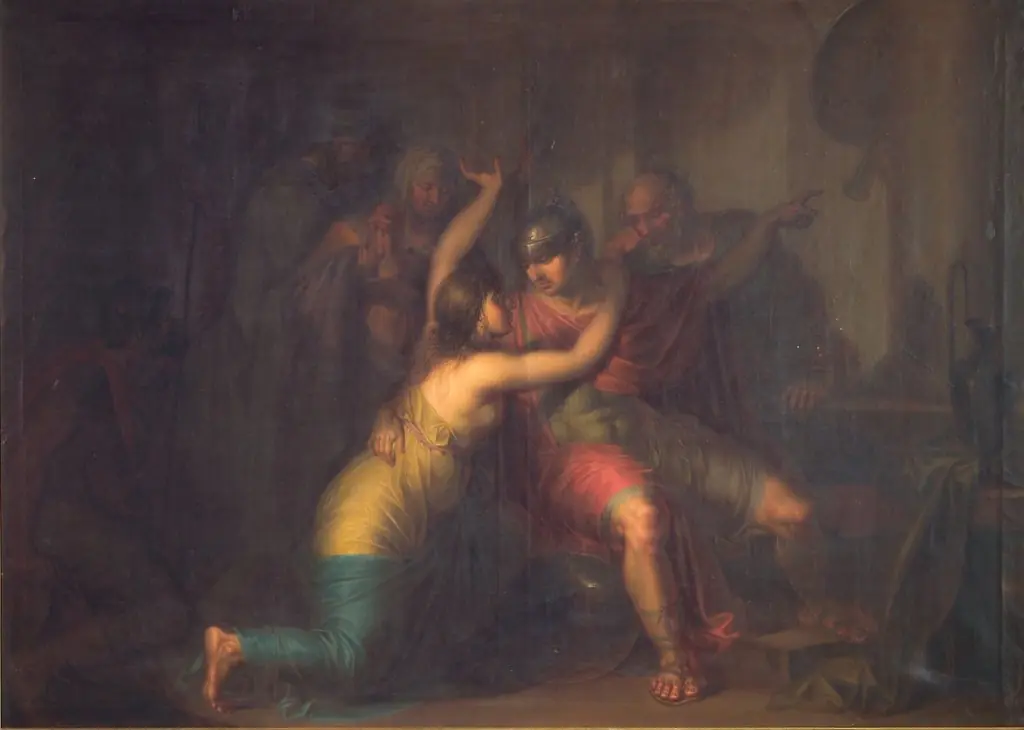 Et historisk stykke
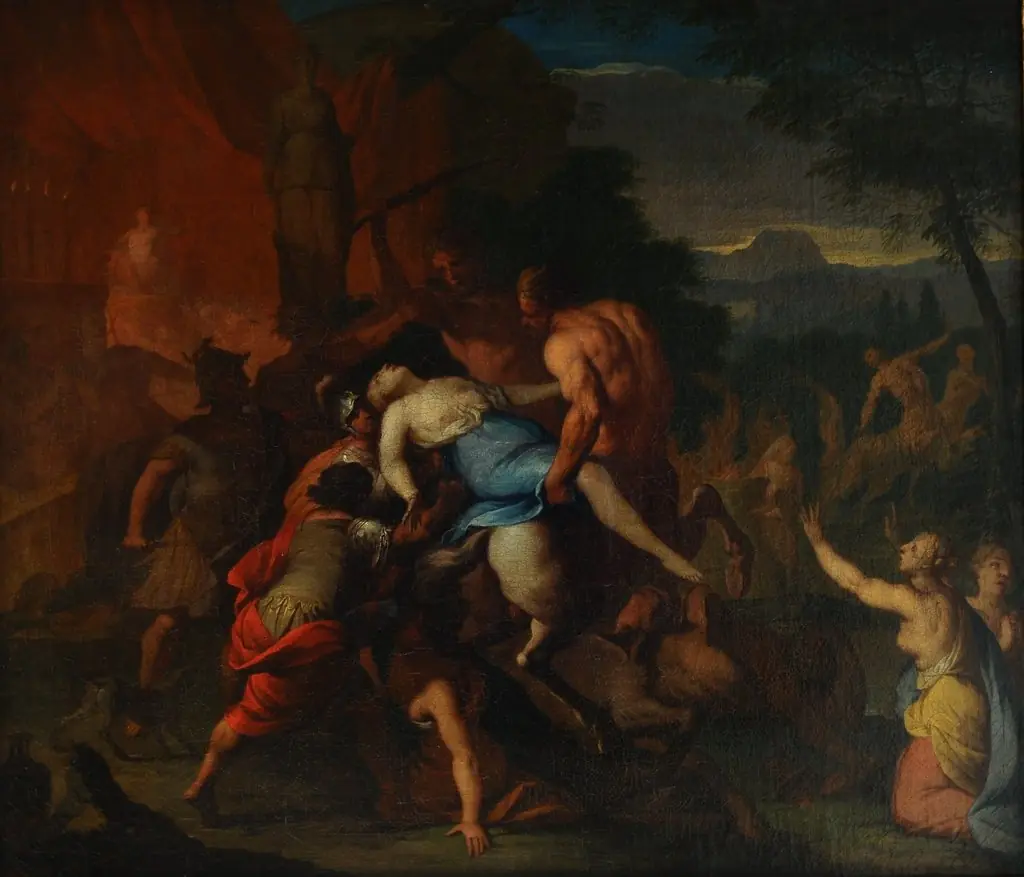 Combate de centauros y lapitas. (Tit. Ant.: Centauros e ilotas)
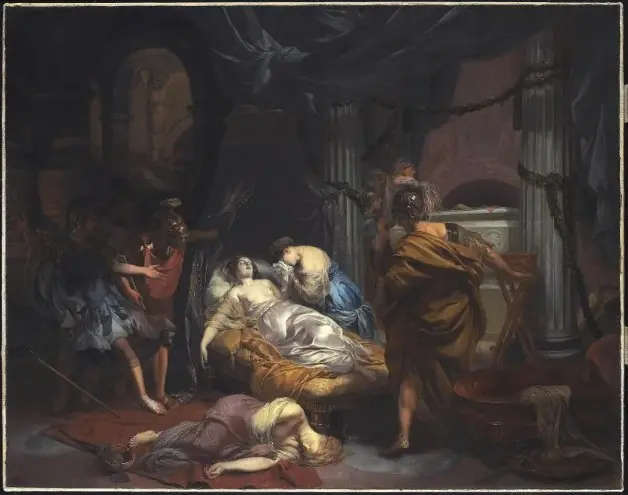 The Death of Cleopatra
 Mars, Minerva and Venus