Artwork
The Death of Sophonisba, Queen of Numidia
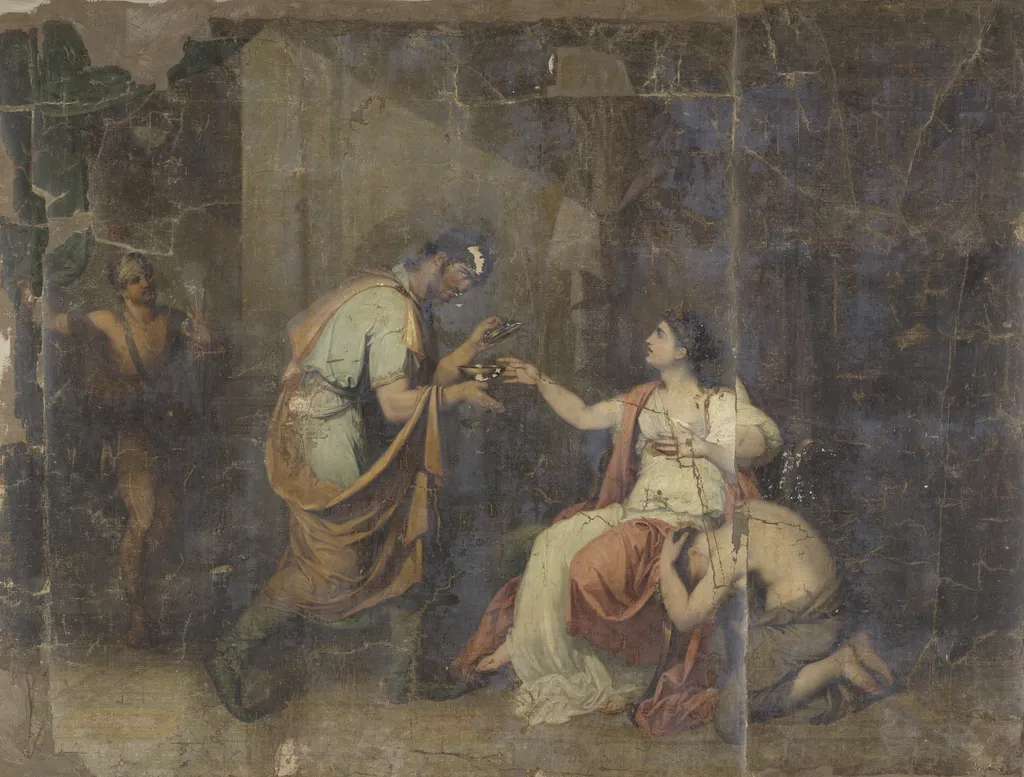
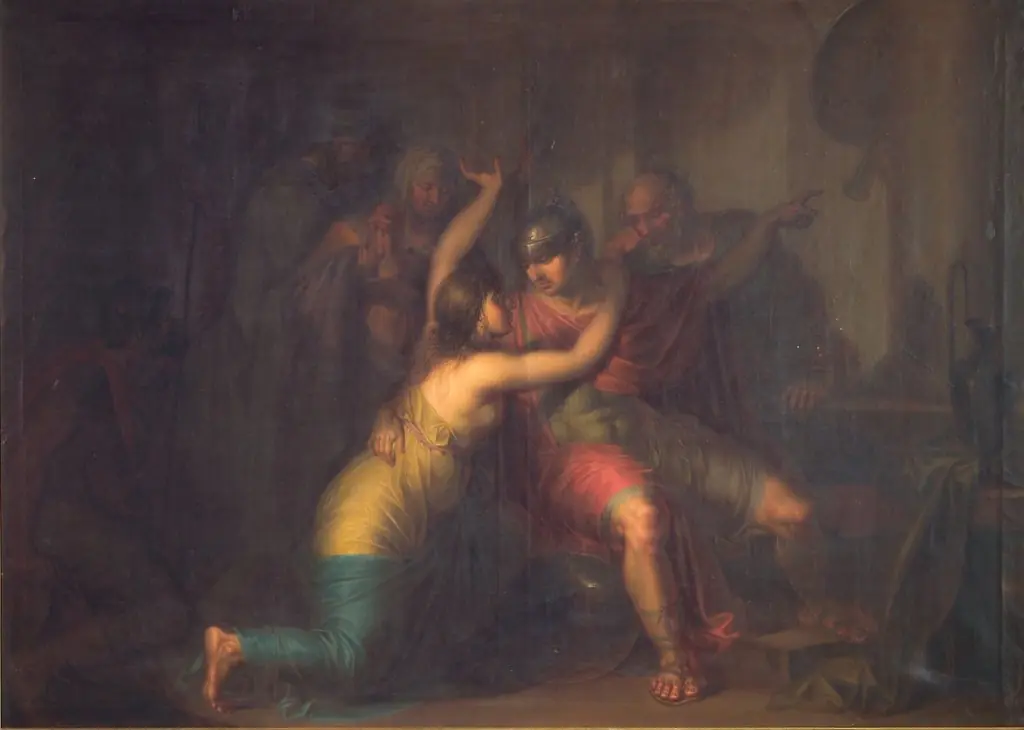
The Death of Sophonisba, Queen of Numidia is an oil painting by the Neoclassicist artist Benjamin Wolff. It dates from 1816 and is held in the collection of the Rijksmuseum.
About this work
Overview
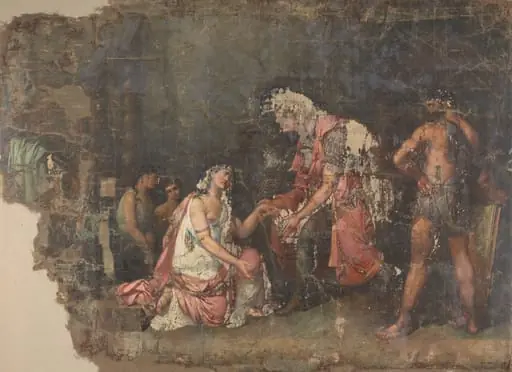
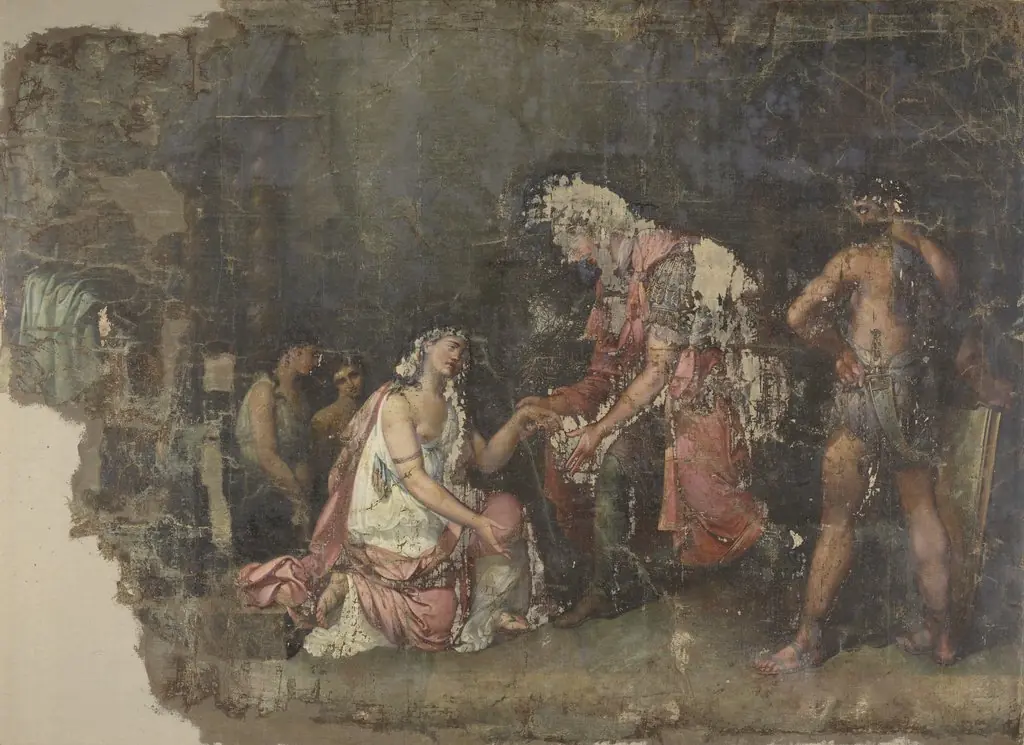
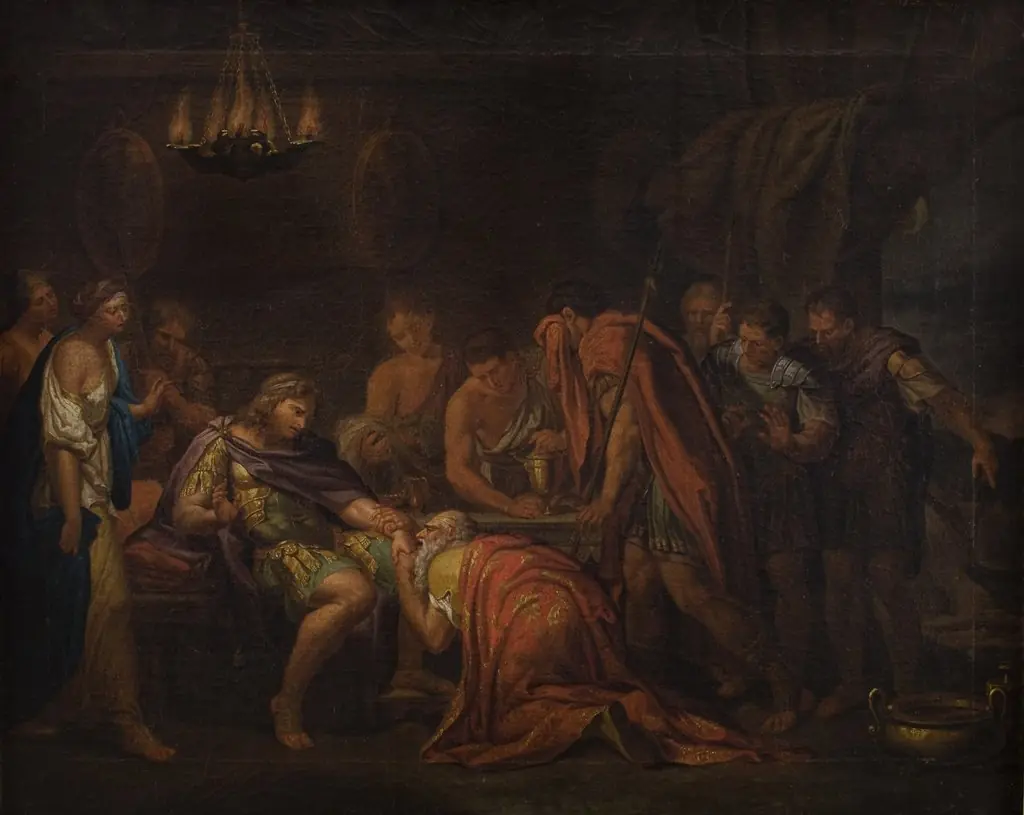
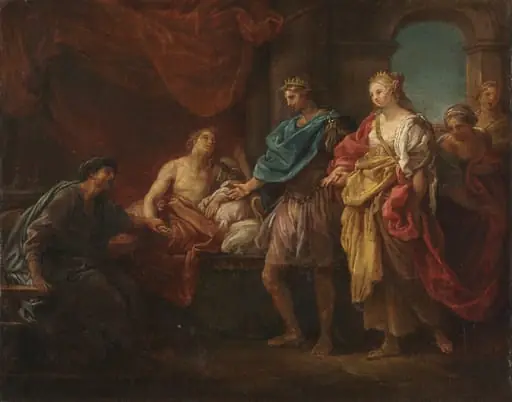
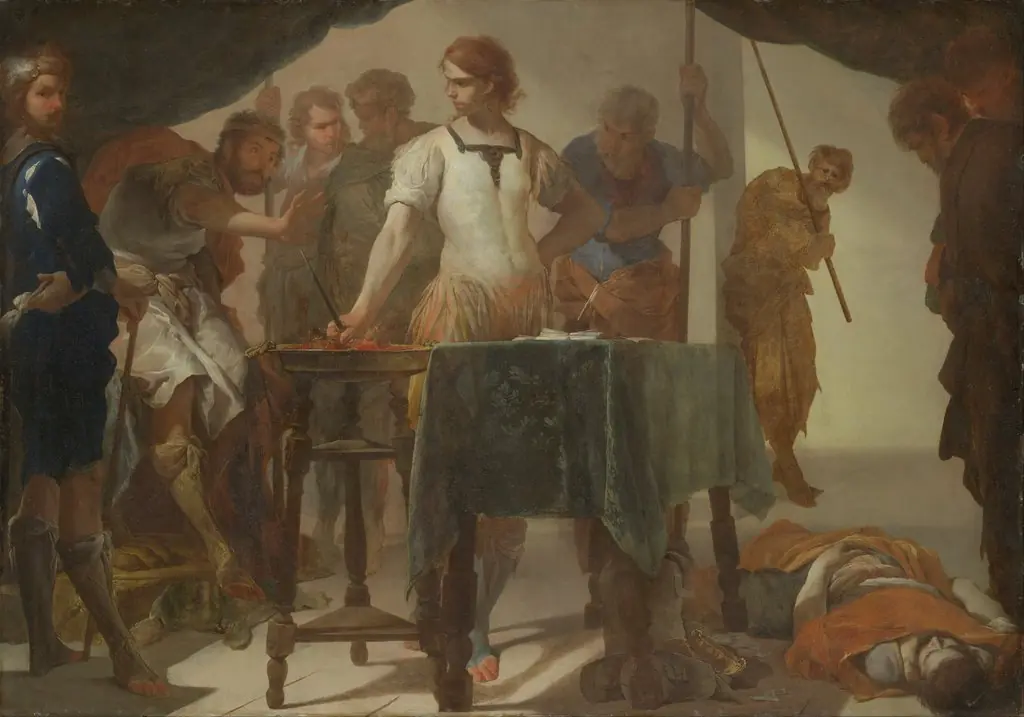
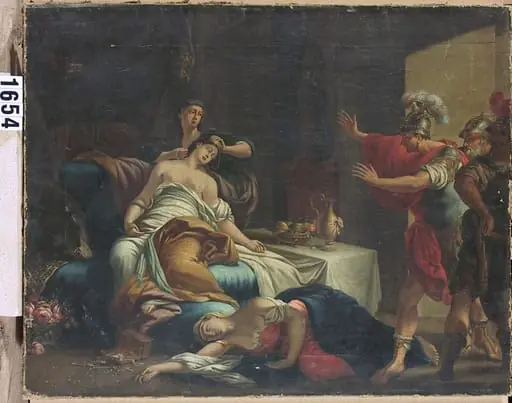
Benjamin Wolff’s 1816 oil on canvas, The Death of Sophonisba, Queen of Numidia, is part of the Rijksmuseum’s collection. The work captures a pivotal moment from the classical tale of Sophonisba, portraying the heroine at the moment of her fatal decision. The composition centers on a woman in white garments, flanked by attendants, creating a focused narrative tableau.
Subject & Meaning
The central figure is Sophonisba, the Numidian queen who chose death over surrender to the Romans. She sits on the floor, her white dress and red cape contrasting with the surrounding figures. A man in a white tunic offers her a cup, likely the poison she will drink, while other attendants observe, underscoring themes of honor, sacrifice, and tragic resolve.
Technique & Style
Wolff employs a restrained palette of whites, reds, and earth tones, using chiaroscuro to model the figures and heighten the drama. The brushwork is smooth, allowing fine detail in the fabrics and facial expressions. The composition is balanced, with the central figure illuminated against a darker background, a common approach in early‑19th‑century historic painting.
History & Provenance
Created in 1816, the painting entered the Rijksmuseum’s holdings in the 20th century, though its earlier ownership record is limited. Wolff, a Dutch painter active during the Napoleonic era, produced the work as part of a broader interest in classical subjects that resonated with contemporary notions of virtue and patriotism.
Artist & collection