Artwork
The Death of Cleopatra
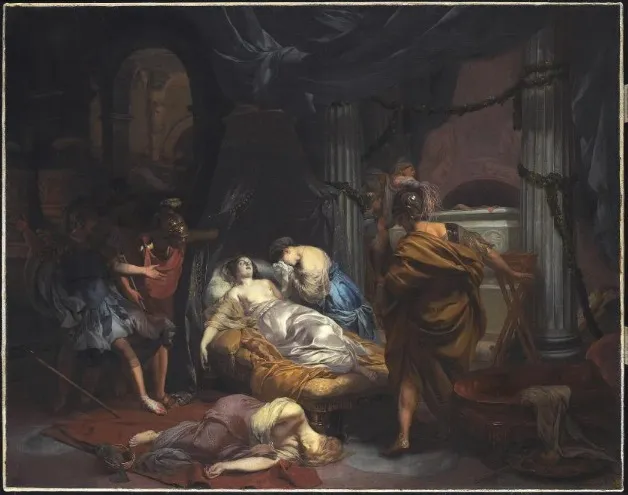
The Death of Cleopatra is an oil painting by the Flemish Baroque painting artist Gerard de Lairesse. It dates from 1694 and is held in the collection of the Art Gallery of Ontario.
About this work
Overview
De Lairesse, a Dutch artist with broad intellectual interests, synthesized classical themes with the dramatic sensibilities of the Flemish Baroque.
Painted in 1694 by Gerard de Lairesse, this oil-on-canvas work captures the final moments of Cleopatra’s life. De Lairesse, a Dutch artist with broad intellectual interests, synthesized classical themes with the dramatic sensibilities of the Flemish Baroque. The painting is part of the Art Gallery of Ontario’s permanent collection, where it remains a notable example of late 17th-century historical narrative painting.
Subject & Meaning
The scene portrays Cleopatra’s death following her suicide, traditionally believed to be by asp bite. Surrounded by attendants in Roman dress, her still form lies on a couch, pale and draped in white, signaling the end of a reign and a dynasty. The figures around her express grief and disbelief, reinforcing the tragedy of her demise and the collapse of Ptolemaic rule in Egypt.
Technique & Style
De Lairesse employs chiaroscuro to heighten emotional intensity, contrasting deep shadows with soft light falling on Cleopatra’s face and body. The composition is structured with classical symmetry, echoing French academic ideals and Cesare Ripa’s iconographic traditions. The stone floor and architectural columns ground the scene in a timeless, monumental space, typical of Baroque historical painting.
History & Provenance
Created during de Lairesse’s mature period, the painting reflects his transition from genre scenes to grand historical subjects. It entered the Art Gallery of Ontario’s collection in the 20th century, though its earlier ownership history remains undocumented. Its survival and preservation offer insight into how Dutch artists engaged with Roman and Egyptian themes beyond their immediate cultural context.
Context
In late 17th-century Europe, Cleopatra’s story was a popular subject for artists drawn to themes of power, mortality, and exoticism. De Lairesse’s version aligns with broader trends in Northern European art that favored moralized, emotionally charged historical narratives. His training in classical literature and theater informed his approach, blending theatricality with scholarly reference.
Legacy
Though less widely known than other depictions of Cleopatra’s death, de Lairesse’s painting exemplifies the intellectual rigor of Dutch Baroque historiography. It demonstrates how artists outside Italy absorbed and reinterpreted classical subjects through a Northern European lens, contributing to a transnational visual language of tragedy and virtue in early modern art.
Artist & collection
Artist
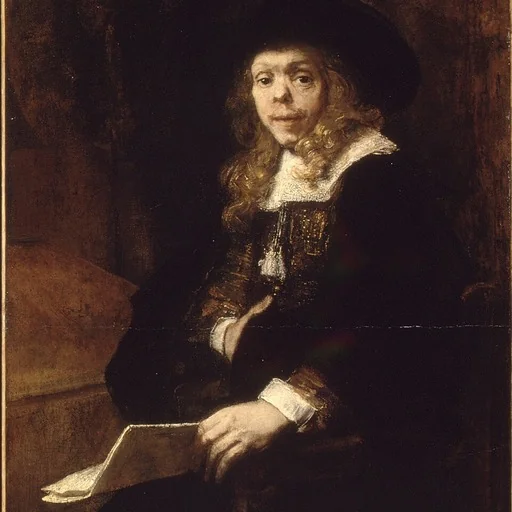
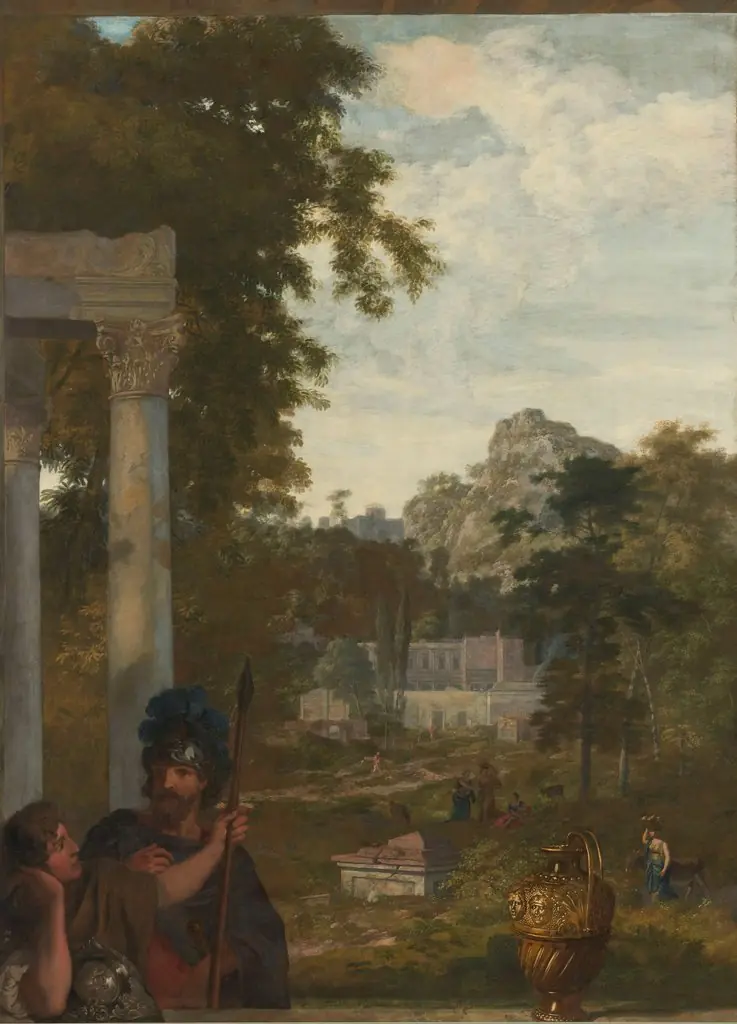
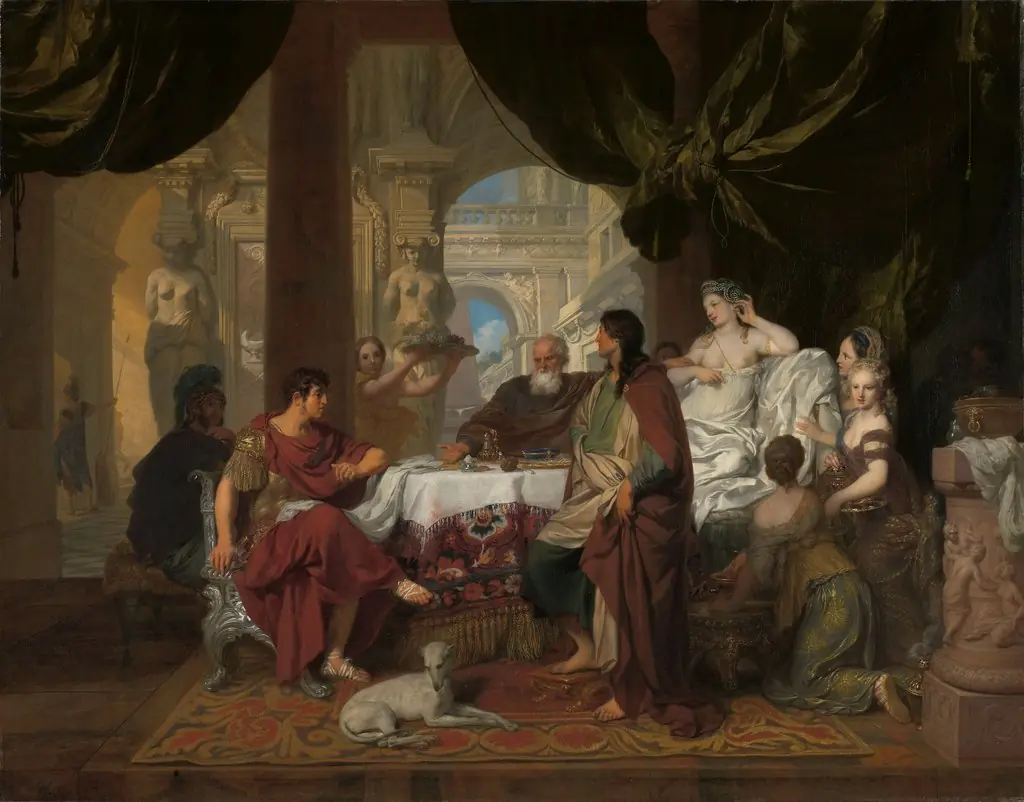
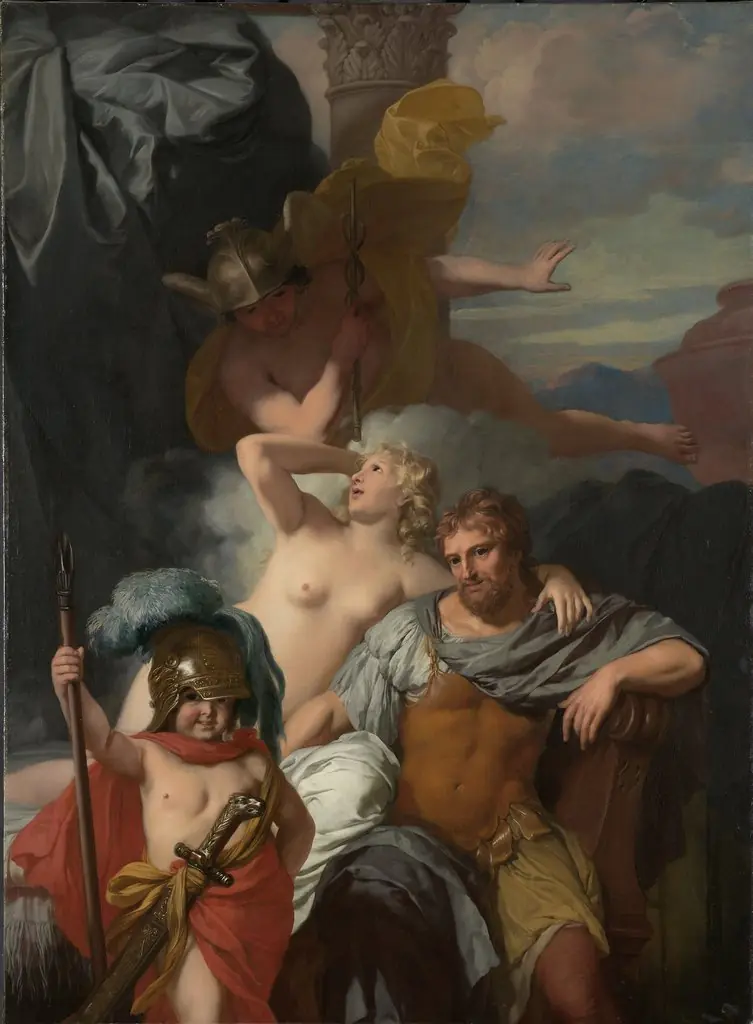
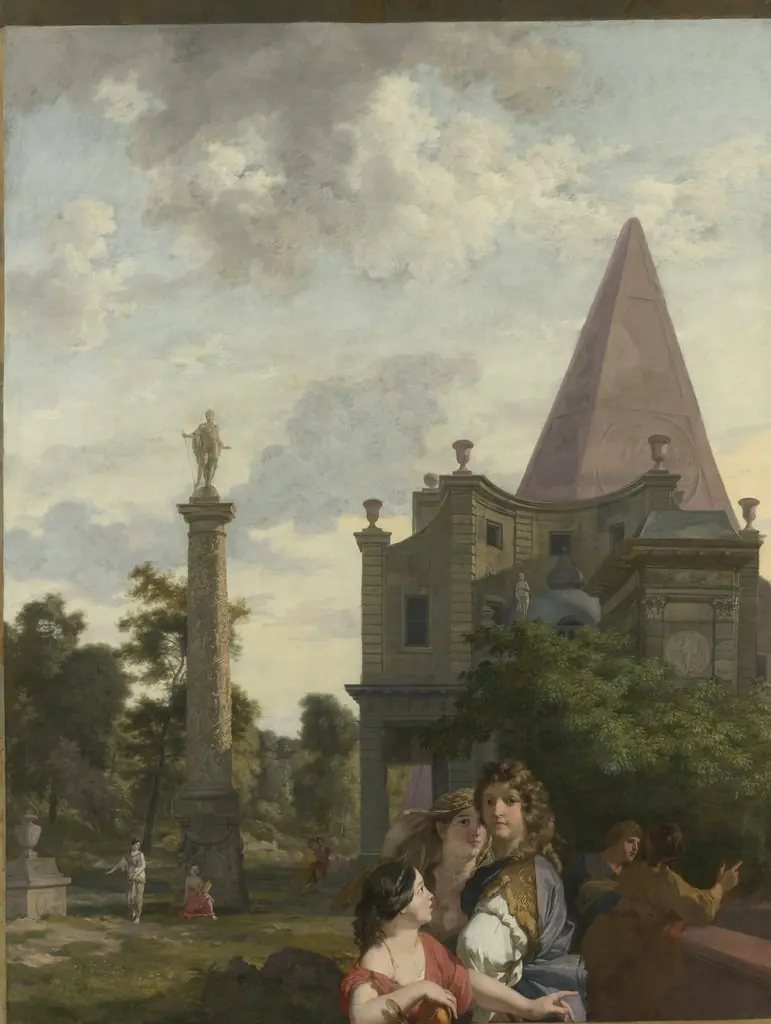
Gerard or Gérard (de) Lairesse (French pronunciation: ; 11 September 1641 – June 1711) was a Dutch Golden Age painter and art theorist.

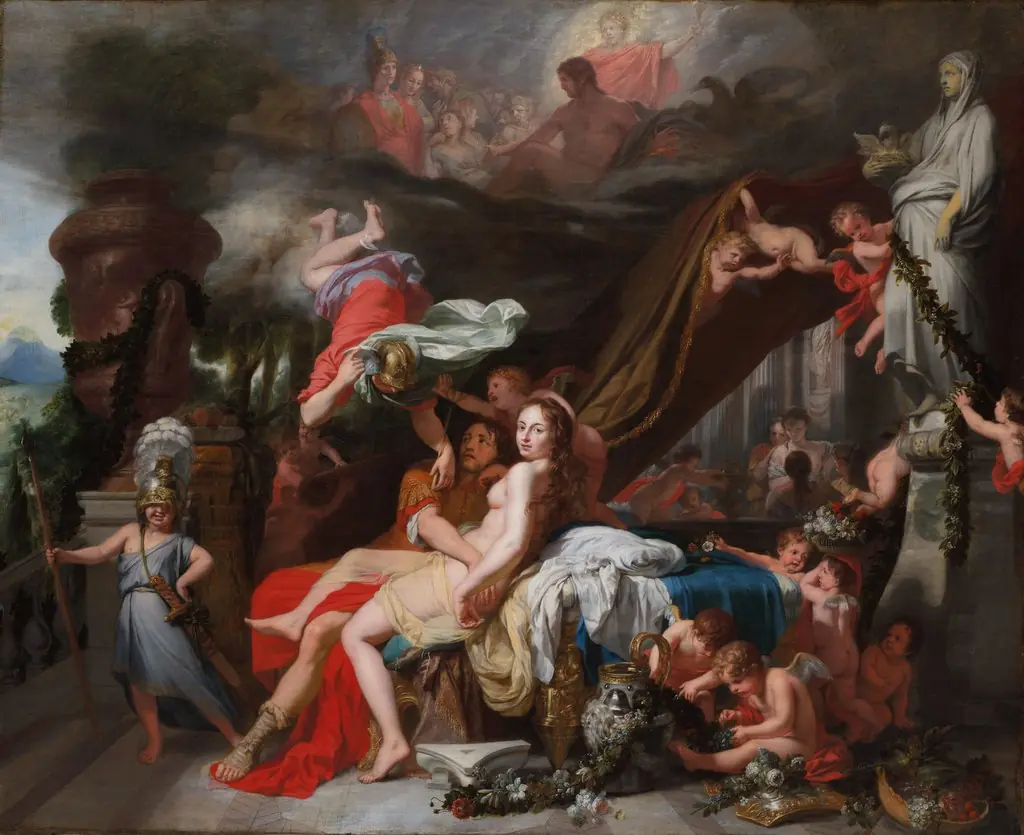
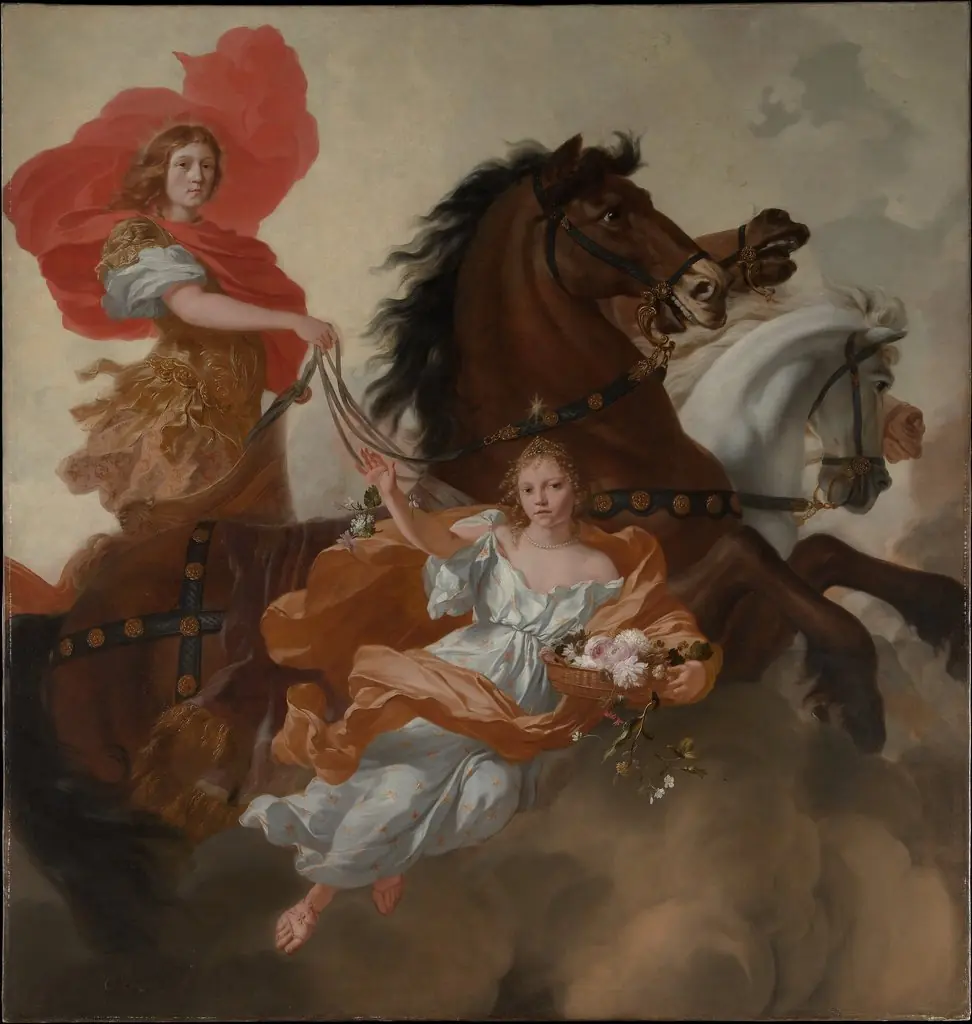
 Alcestis and Admetus
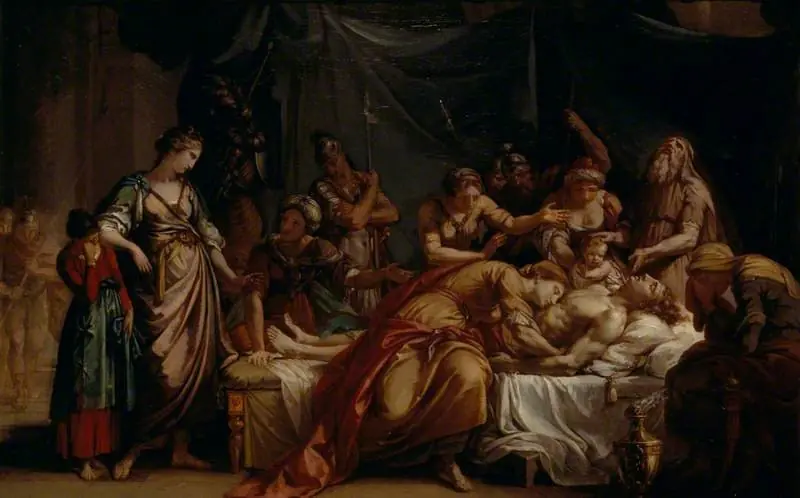 Andromache Bewailing the Death of Hector
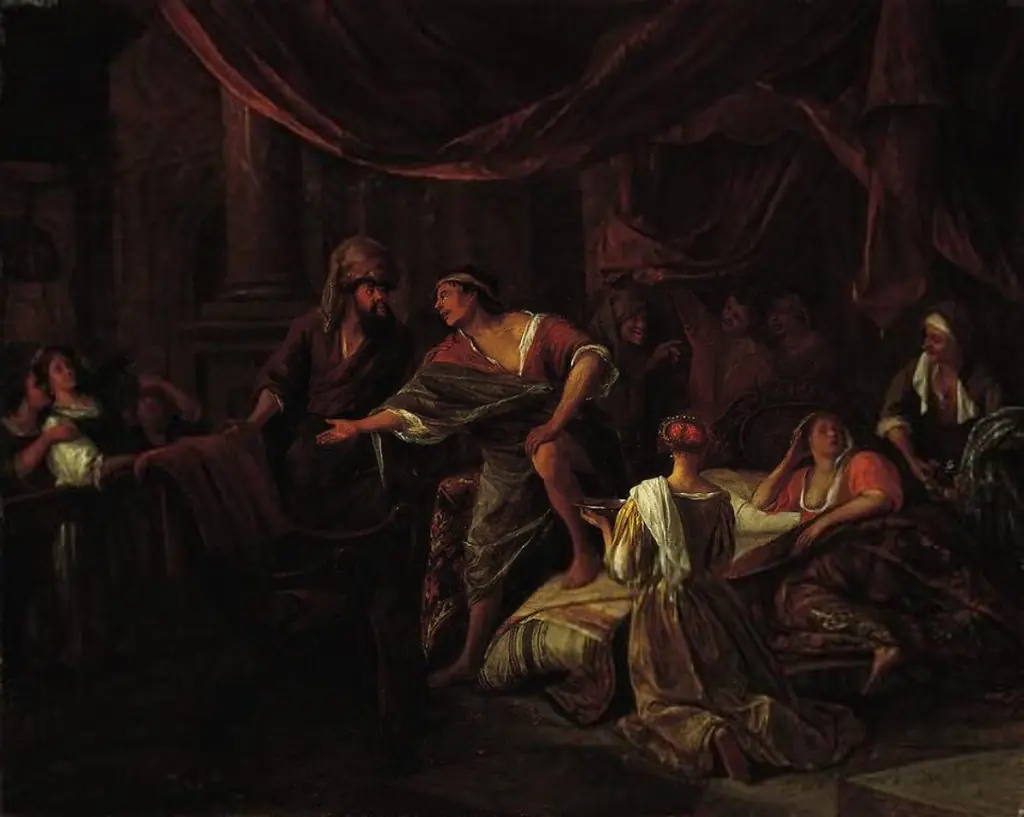 Jacob Confronting Laban
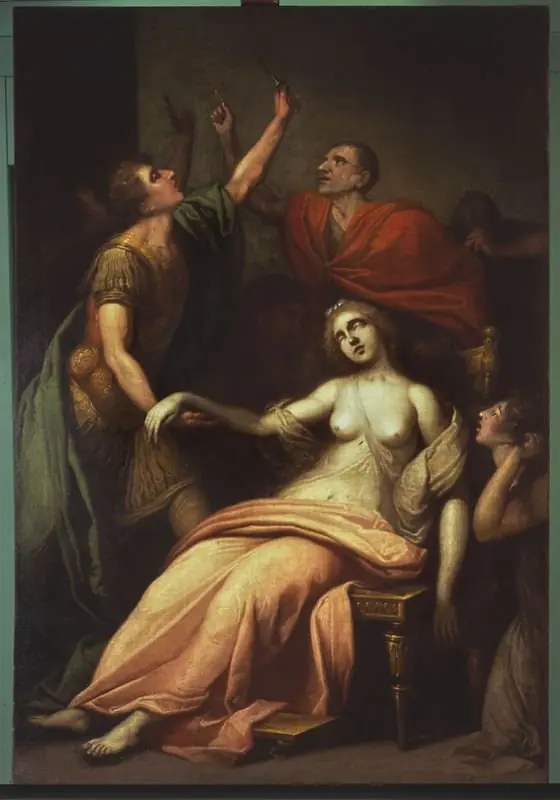 Death of Lucretia
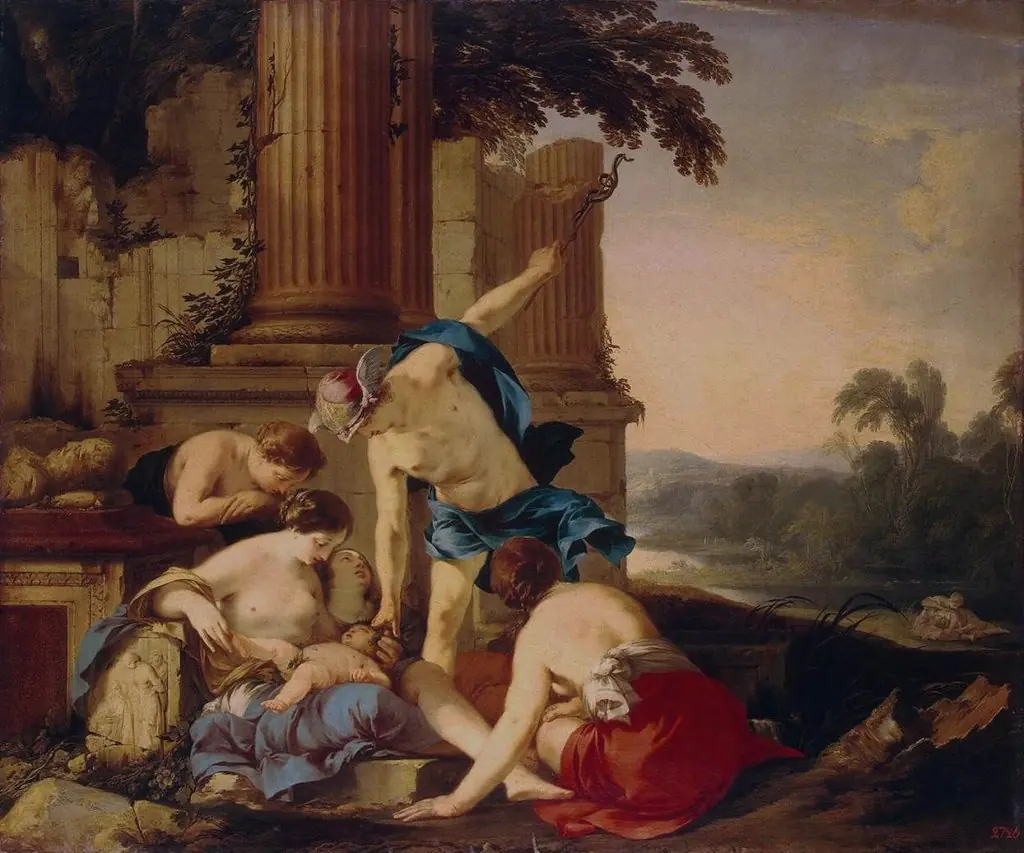 Mercury Takes Bacchus to be Brought up by Nymphs
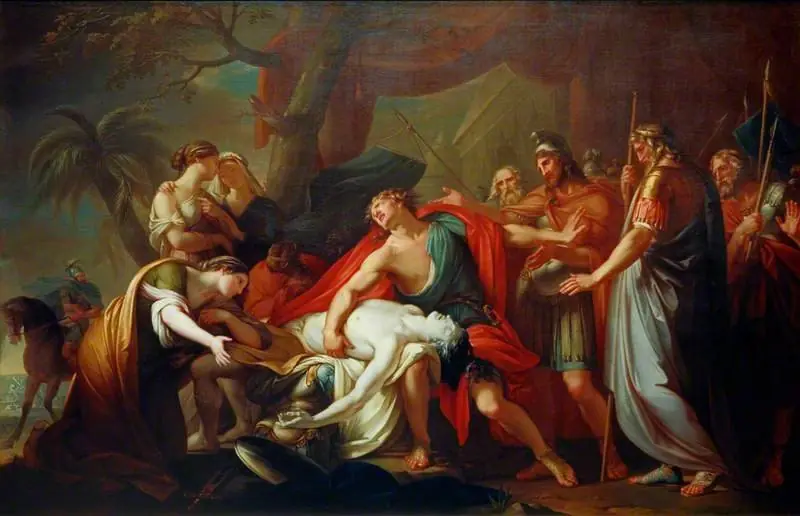 Achilles Lamenting the Death of Patroclus
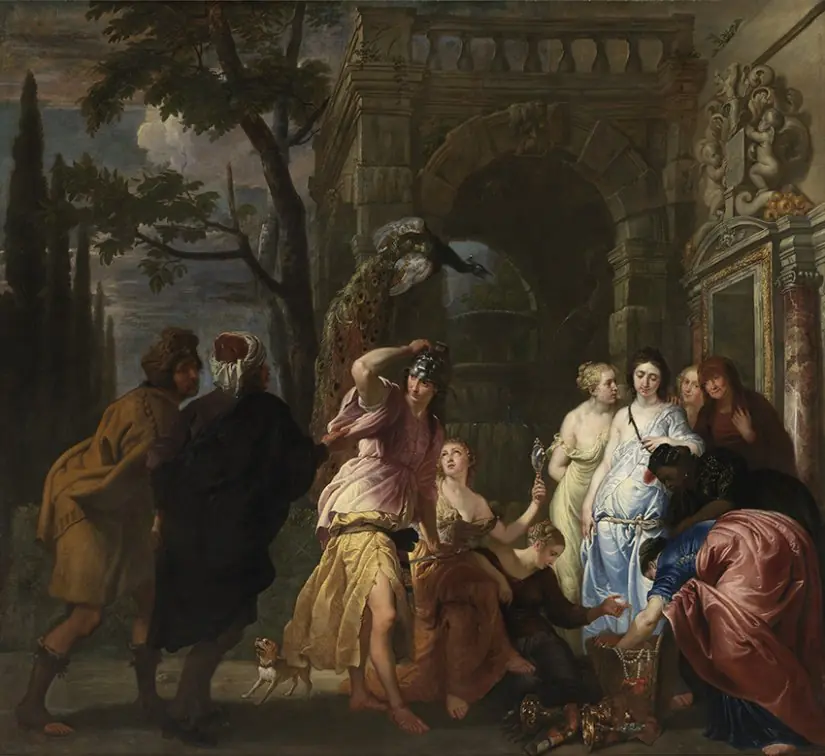 Achilles among the Daughters of Lycomedes
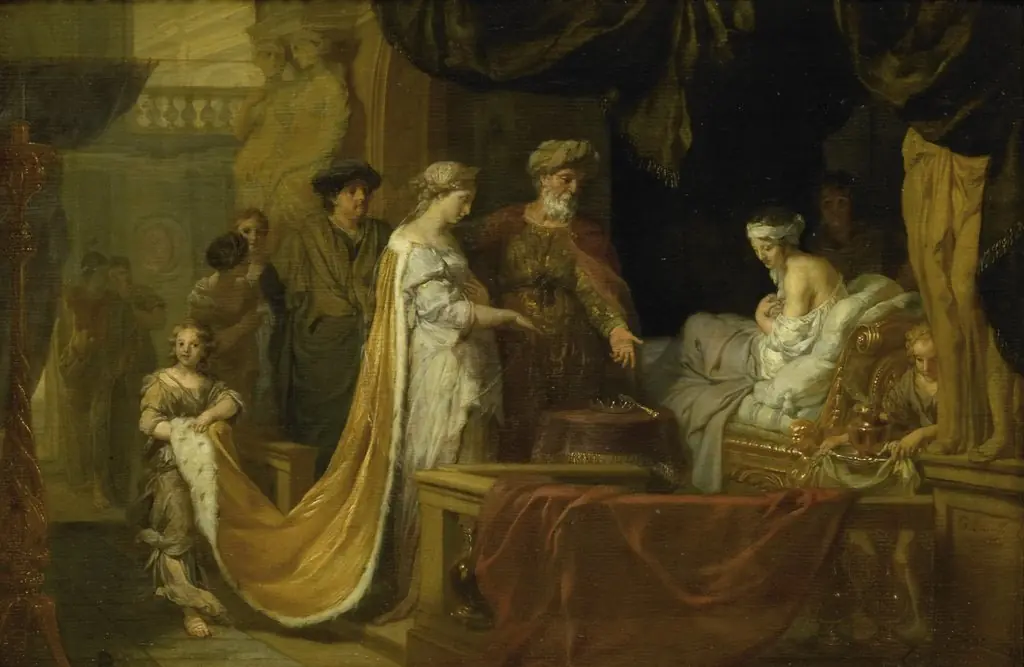
 Antiochus Yearning for Stratonice
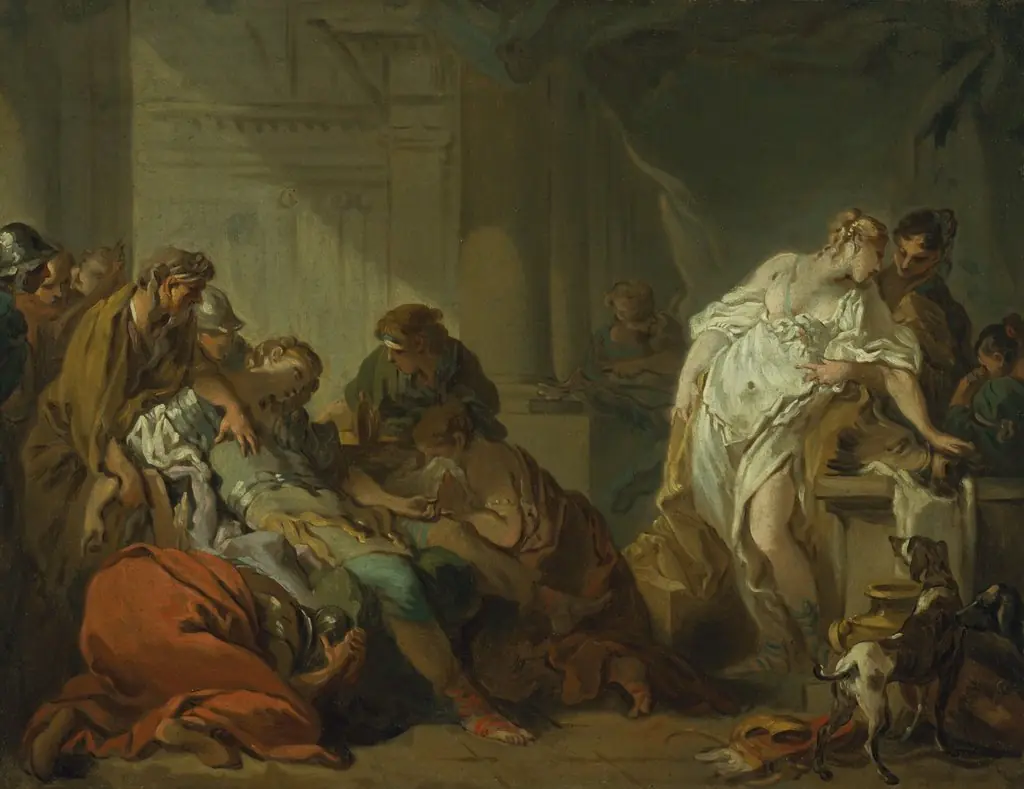 Death of Meleager
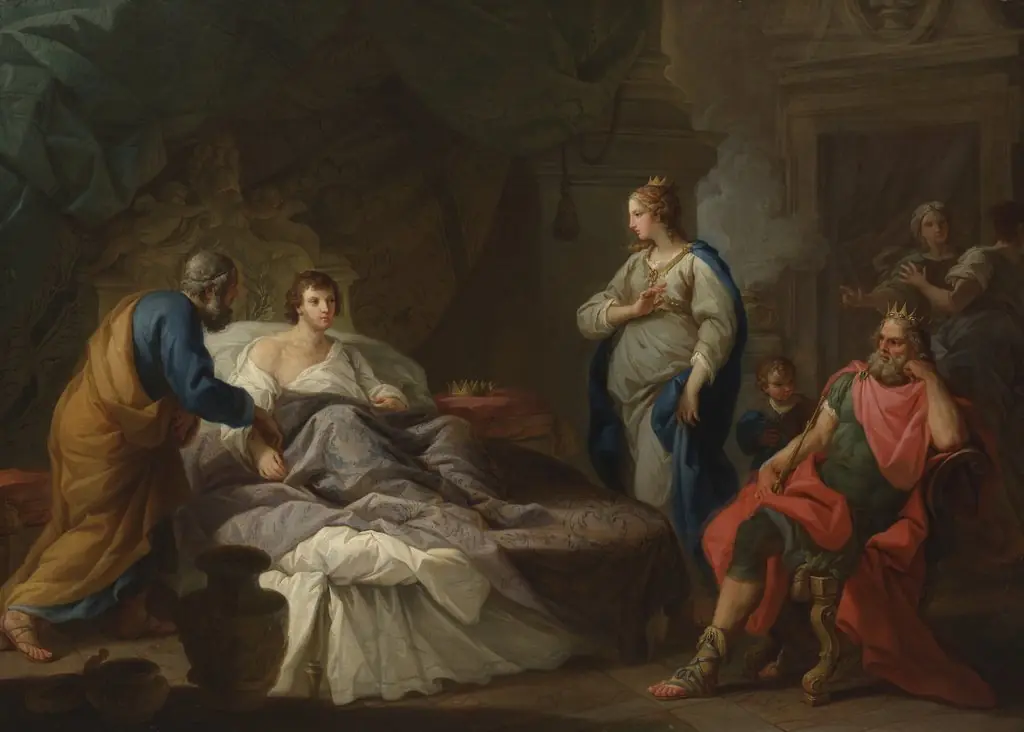 Antiochus Yearning for Stratonice
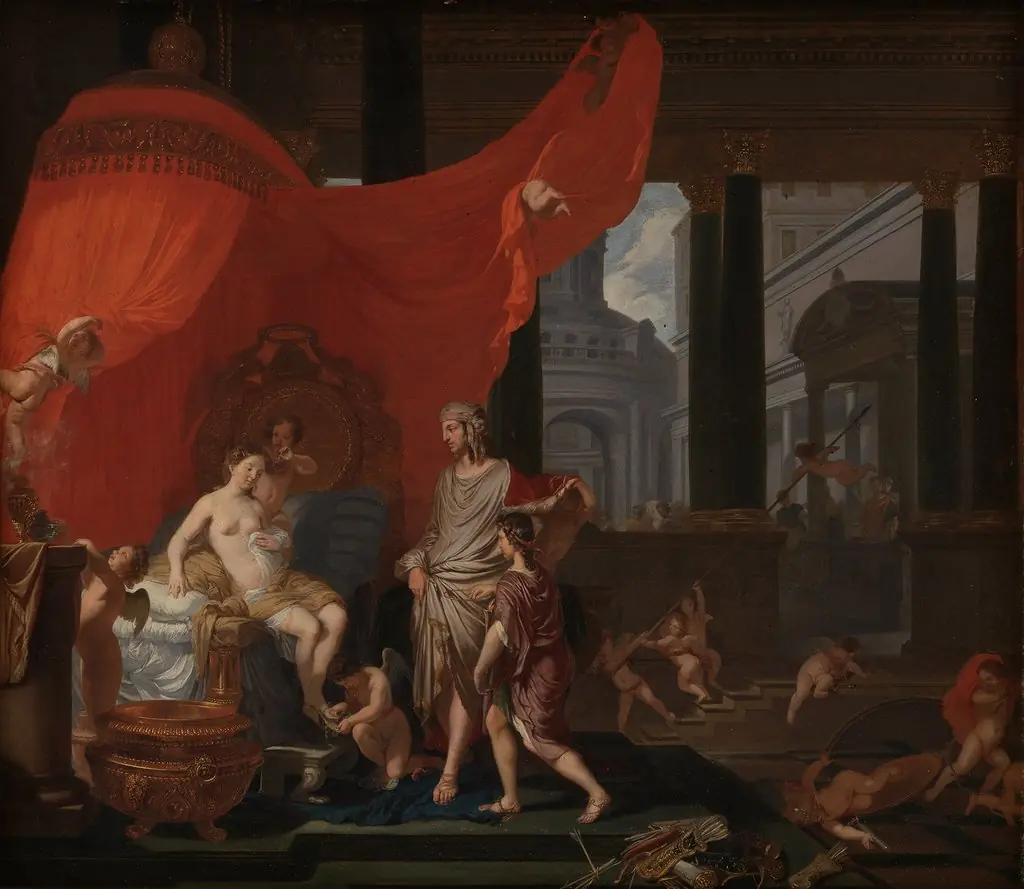 The Wedding of Alexander and Roxana
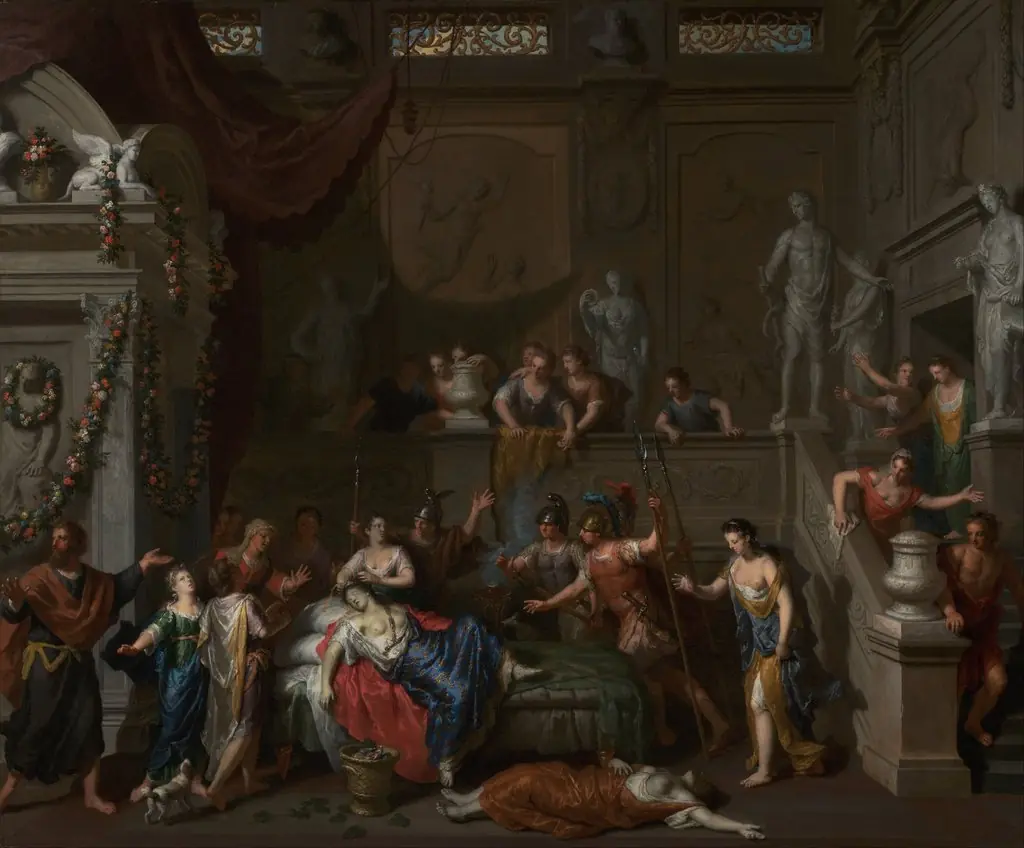 The Death of Cleopatra