Artwork
Spray of yellow forsythia
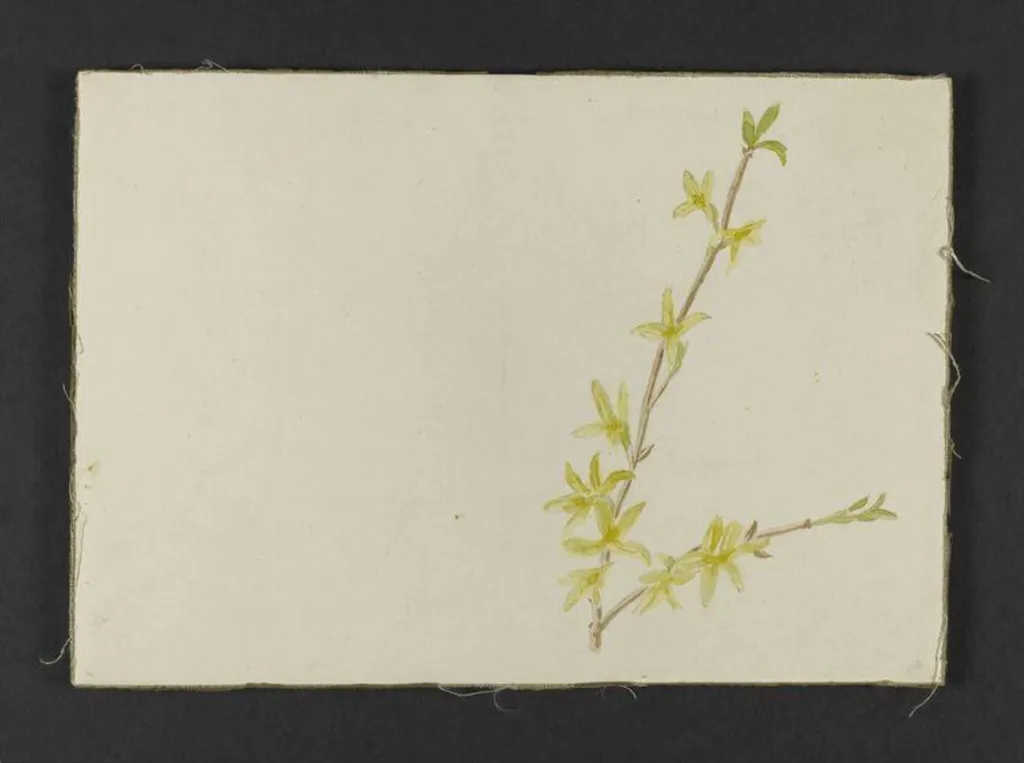
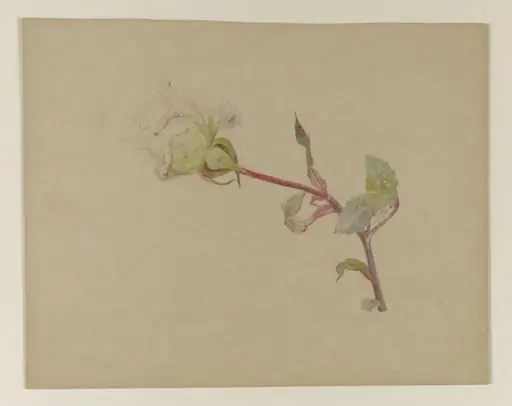
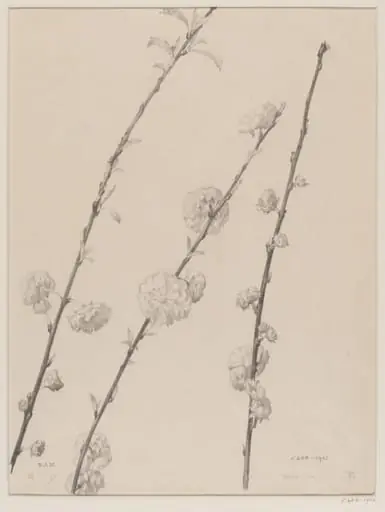
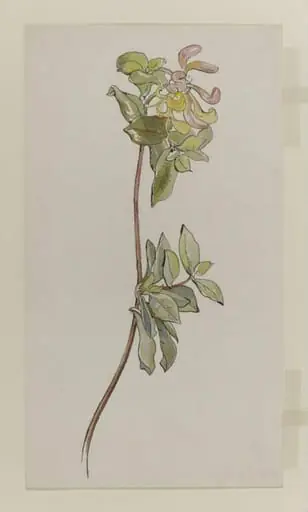
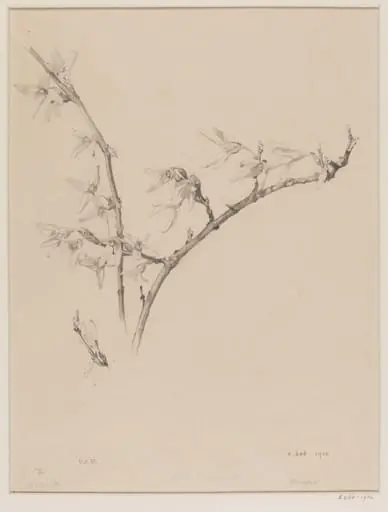
Spray of yellow forsythia is a watercolor work on paper by the Impressionist artist Beatrix Potter. It dates from 1880 and is held in the collection of the Victoria and Albert Museum. Created circa 1880, this small watercolour depicts a solitary branch laden with vivid yellow forsythia blossoms.
About this work
Potter trained early on plants and animals, filling sketchbooks before she wrote children’s books.
Beatrix Potter painted “Spray of yellow forsythia” around 1880 in watercolour. She was still a teenager, but already she studied flowers closely. The painting shows a single branch of bright yellow blossoms.
Potter trained early on plants and animals, filling sketchbooks before she wrote children’s books. This little watercolour hints at how her keen eye grew.
Look for more in the Victoria and Albert Museum.
Overview
Created circa 1880, this small watercolour depicts a solitary branch laden with vivid yellow forsythia blossoms. Executed by Beatrice Potter while she was still in her teens, the work exemplifies her early dedication to observing and recording botanical subjects with precision.
Subject & Meaning
The composition focuses exclusively on the forsythia branch, its bright flowers rendered against a minimal background. The choice of a single, unembellished stem reflects Potter’s interest in presenting nature in a straightforward, almost scientific manner, emphasizing form and colour over narrative.
Technique & Style
Rendered in transparent watercolour, the piece employs delicate washes to convey the luminosity of the blossoms and the subtle texture of the stems. Potter’s handling of pigment demonstrates an early mastery of layering, allowing the yellow hues to appear both saturated and luminous.
History & Provenance
The work belongs to Potter’s pre‑literary period, when she filled sketchbooks with botanical studies. It later entered the collection of the Victoria and Albert Museum, where it is displayed as part of the institution’s holdings of 19th‑century watercolours.
Context
During the 1880s Potter received formal drawing instruction that included watercolour techniques, reinforcing her habit of copying plant outlines from instructional books. This practice laid the groundwork for the meticulous natural‑history illustrations that would accompany her later children's stories.
Artist & collection
Artist
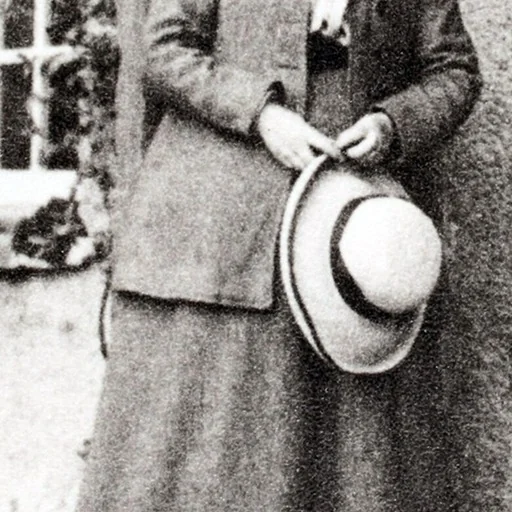
Helen Beatrix Heelis (née Potter; 28 July 1866 – 22 December 1943), usually known as Beatrix Potter ( BEE-ə-triks), was an English writer, illustrator, natural scientist, and conservationist.