Artwork
Francis Bacon (1909-1992)/James Baldwin (1924-1988)
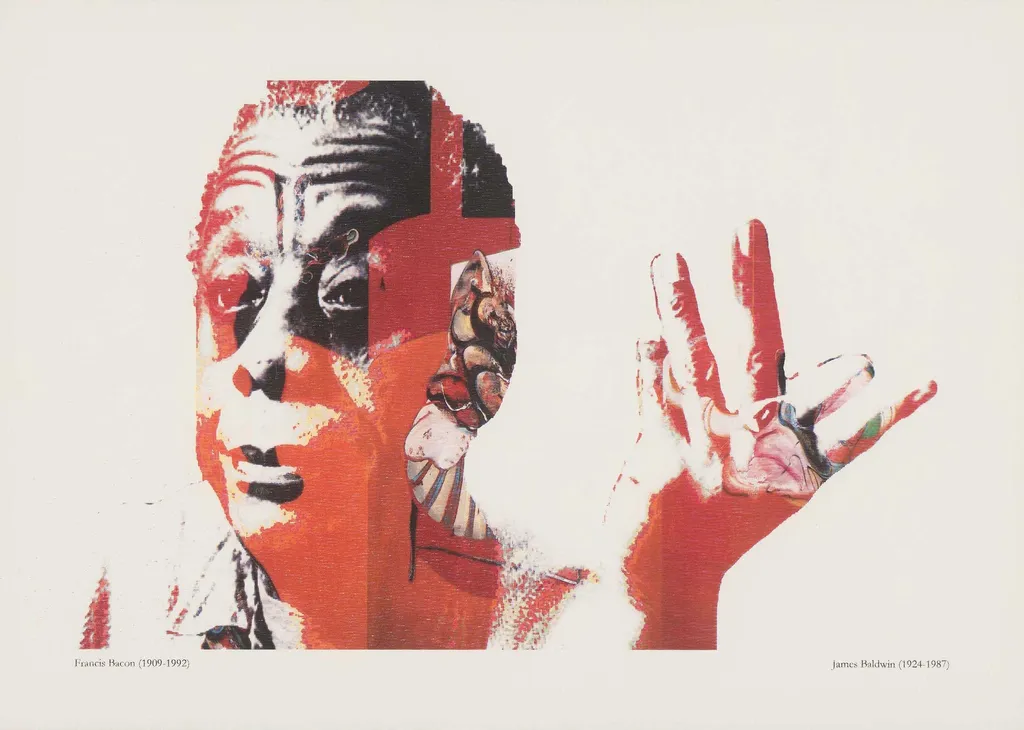
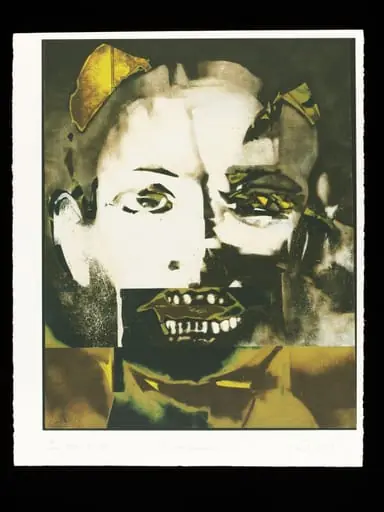
Francis Bacon (1909-1992)/James Baldwin (1924-1988) is a drawing by Natassa Poulantza. It is held in the collection of the Metropolitan Organisation of Museums of Visual Arts of Thessaloniki – MOMus.
About this work
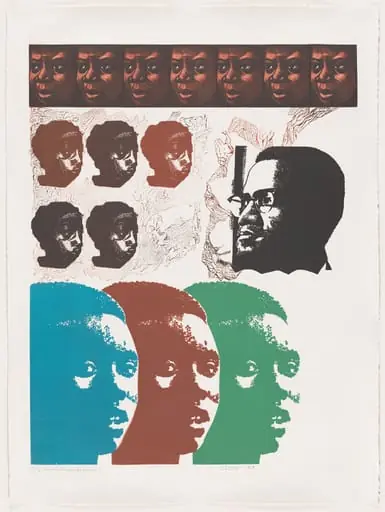
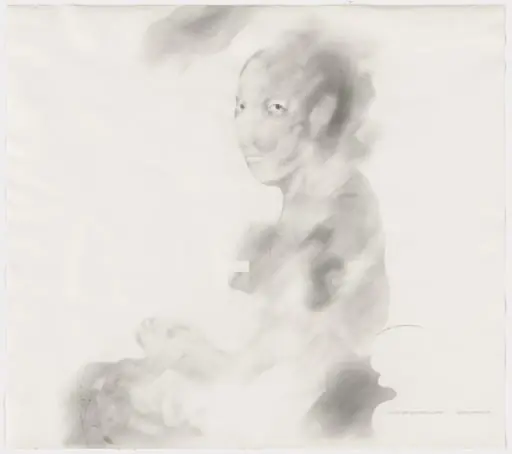
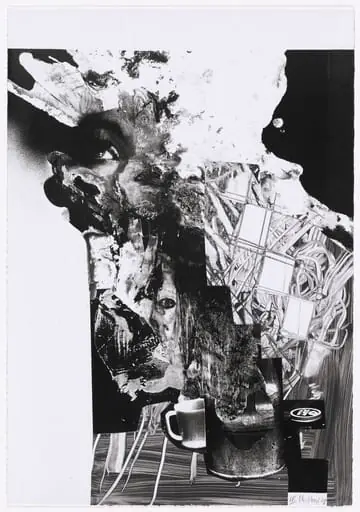
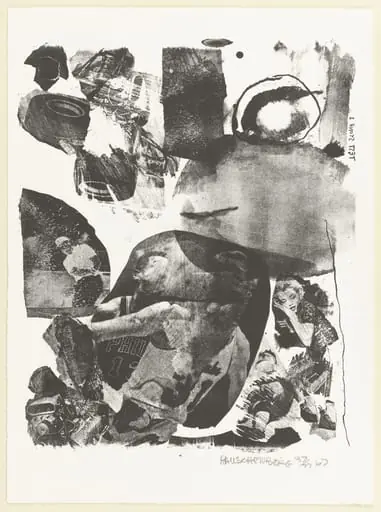
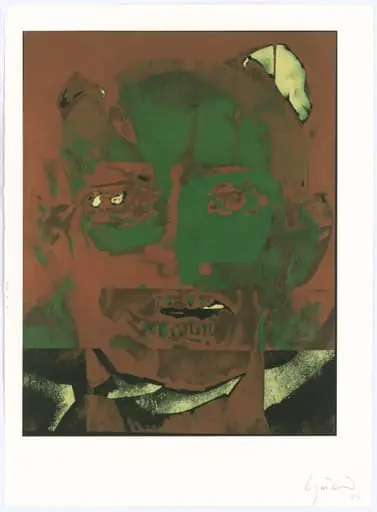
This drawing shows Francis Bacon and James Baldwin side by side in a digital slot-game layout. The images are edited photos, not traditional drawings. They roll like slots until they stop randomly.
The artist used a gambling app to mix famous faces. It’s a quirky way to put thinkers and painters in the same spin.
Try looking up Poulantza, Natassa (1965).
Overview
This digital print emerges from the interactive project Game of Fortune, a slot-machine-inspired application that randomly combines edited photographic images.
This digital print emerges from the interactive project Game of Fortune, a slot-machine-inspired application that randomly combines edited photographic images. Users initiate a spin that cycles through portraits of 19th- and 20th-century thinkers and reproductions of paintings by modern artists. When the reels halt, the resulting pair is printed as a unique, signed work on archival paper. The final composition shown here pairs James Baldwin with a portrait by Francis Bacon.
Subject & Meaning
The work juxtaposes James Baldwin, a pivotal voice in American literature and civil rights discourse, with the visceral, fragmented portraiture of Francis Bacon. Their pairing invites reflection on the convergence of intellectual and emotional expression—Baldwin’s incisive prose and Bacon’s turbulent visual language both confront human vulnerability. The random mechanism of the app underscores the unpredictability of cultural resonance across disciplines.
Technique & Style
The image is not hand-drawn but digitally assembled from edited photographic sources, manipulated to fit the aesthetic of a slot-machine interface. The visual style mimics mechanical randomness: grainy textures, cropped compositions, and abrupt transitions between frames. The final print retains the low-resolution, slightly distorted quality of the digital source, emphasizing its origin in algorithmic chance rather than deliberate composition.
History & Provenance
The work is part of the Game of Fortune project, initiated by artist Natassa Poulantza in the 2010s. It was developed as a commentary on authorship and digital reproduction, using gambling mechanics to challenge notions of originality. Each print is generated on demand, signed by the artist, and archived as a singular output. This specific piece was produced in 2017 and resides in a private collection.
Context
Emerging from a broader interest in digital culture and postmodern appropriation, the project responds to the erosion of artistic authority in the age of algorithmic creation. By blending high-cultural figures with the mechanics of chance-based entertainment, it questions how meaning is assigned in an era where images circulate freely and unpredictably. The work aligns with late 20th-century conceptual practices that prioritize process over fixed form.
Legacy
Game of Fortune contributes to ongoing dialogues about authorship, digital reproduction, and the role of randomness in art. While not widely exhibited, its methodology has influenced experimental digital projects that use gaming interfaces to generate visual narratives. The work remains a quiet but pointed intervention into how cultural icons are reassembled, consumed, and recontextualized through technology.
Artist & collection
Artist
These drawings mash up famous artists and writers—Franz Marc with Nikos Poulantzas, Mark Rothko with Michel Foucault—layering ink on paper to pair their styles.
Museum
Metropolitan Organisation of Museums of Visual Arts of Thessaloniki – MOMus
Continue through works from the same source collection.
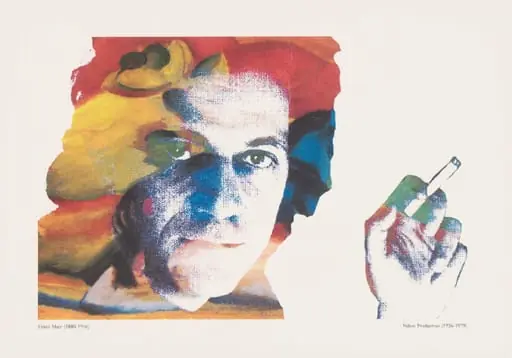 Franz Marc (1880-1916)/Nikos Poulantzas (1936-1979)
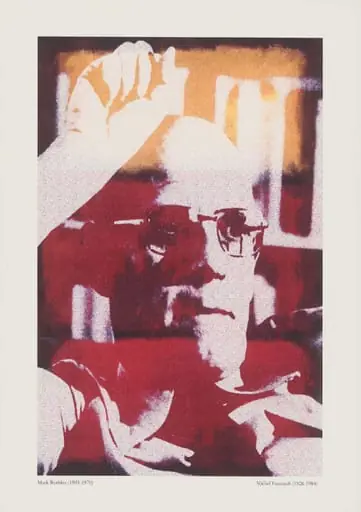 Mark Rothko (1903-1970)/Michel Foucault (1926-1984)
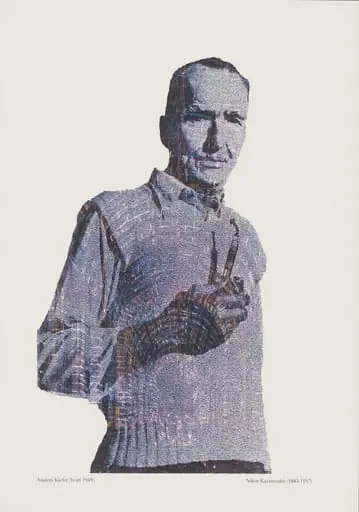 Anslem Kiefer (1945)/Nikos Kazantzakis (18831957)
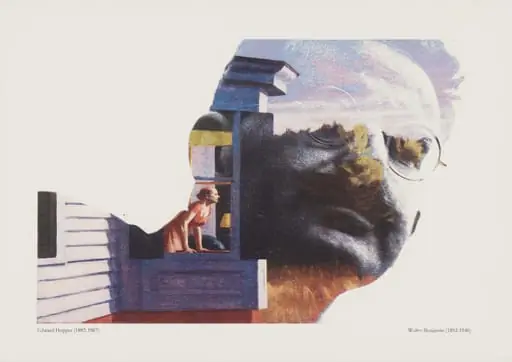 Edward Hopper (1882-1967)/Walter Benjamin (1892-1940)
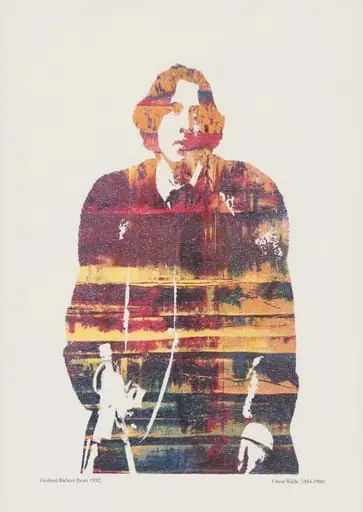 Gerhard Richter (1932)/Oskar Wilde (1854-1900)
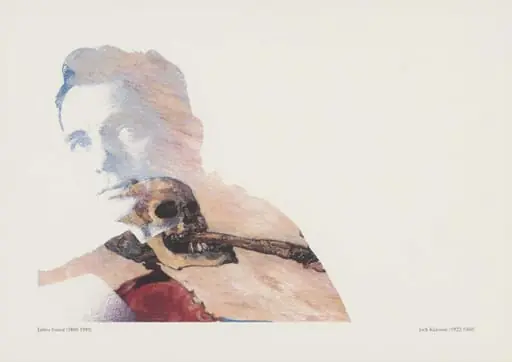 James Ensor (1860-1949)/Jack Kérouac (1922-1969)
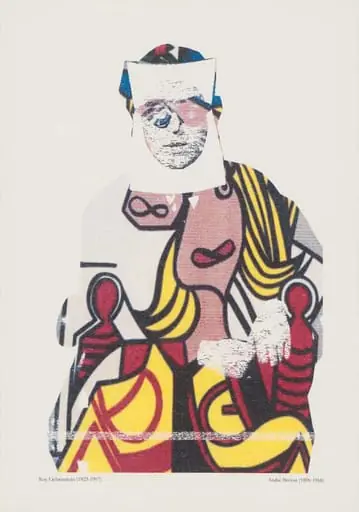 Roy Lichtenstein (1923-1997)/André Beton
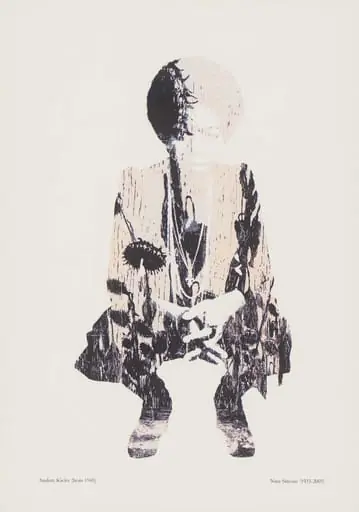 Anslem Kiefer (1945)/Nina Simone (1933-2003)