Artwork
Roy Lichtenstein (1923-1997)/André Beton
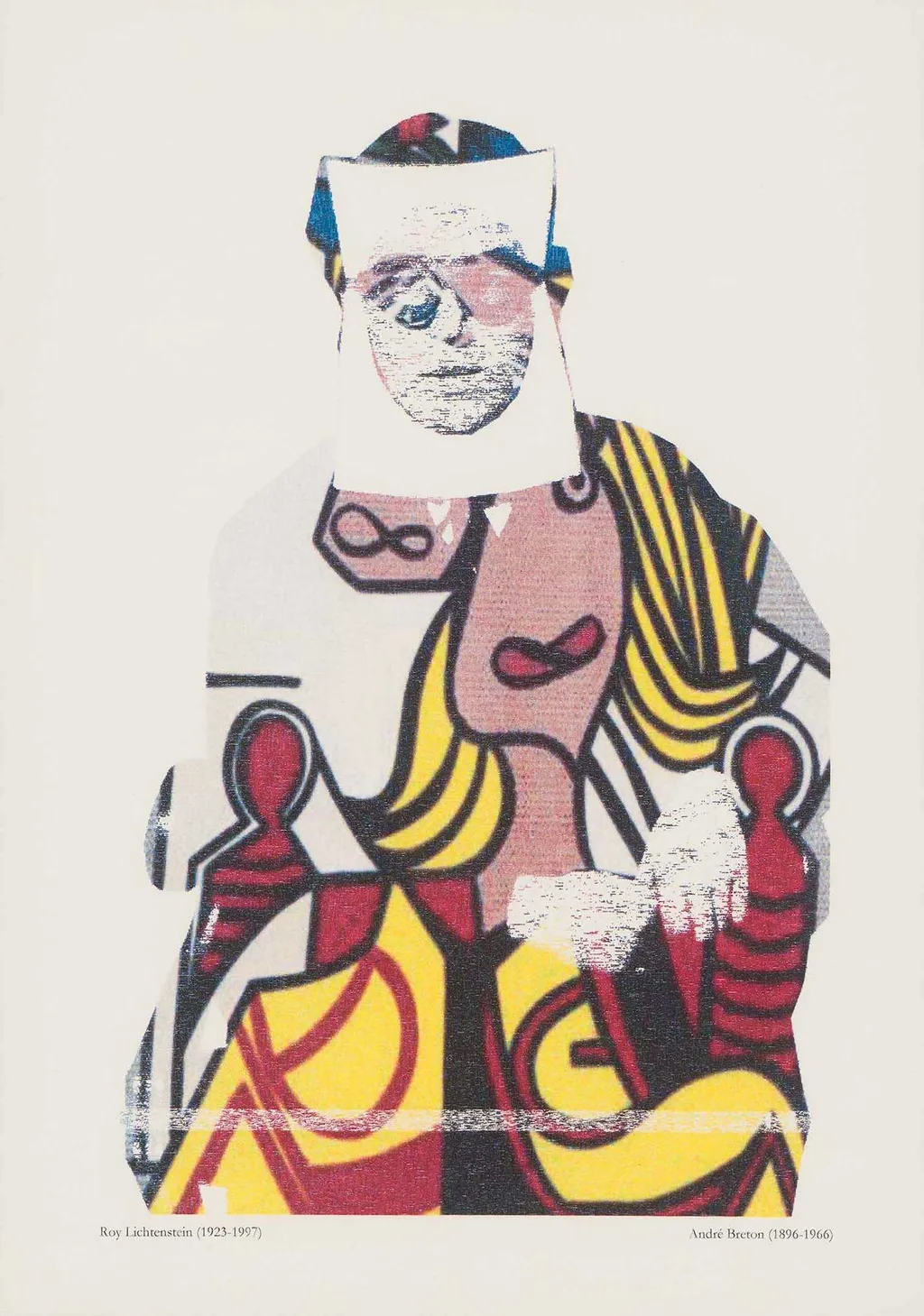
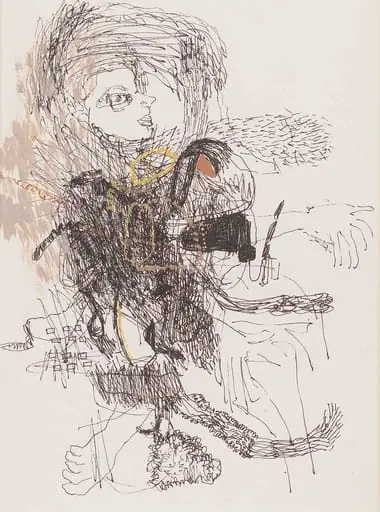
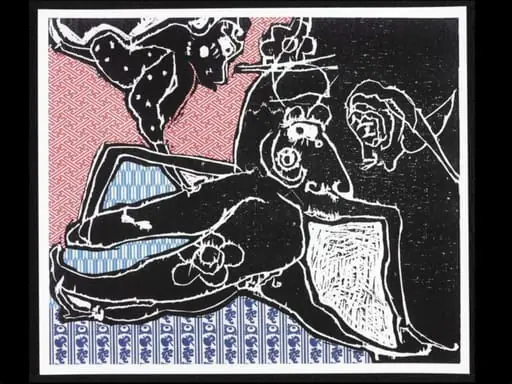
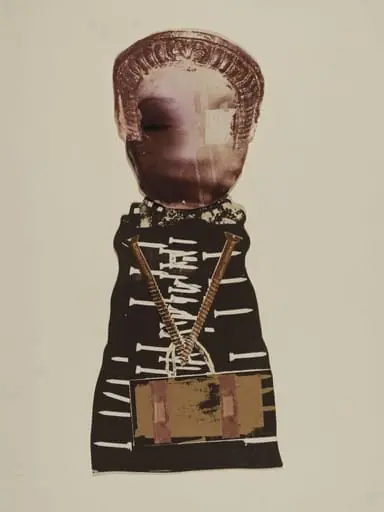
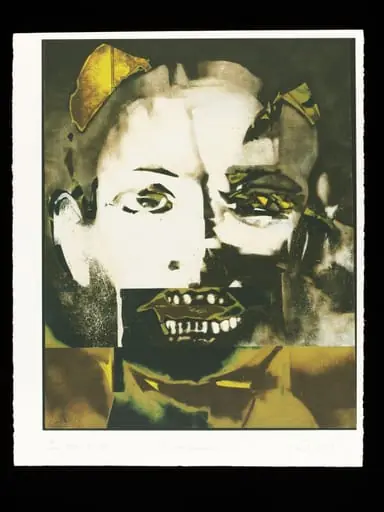
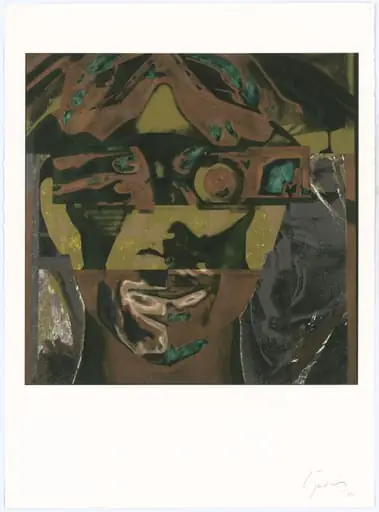
Roy Lichtenstein (1923-1997)/André Beton is a drawing by Natassa Poulantza. It is held in the collection of the Metropolitan Organisation of Museums of Visual Arts of Thessaloniki – MOMus.
About this work
Overview
This digital print emerges from the interactive project Game of Fortune, a digital interface that reconfigures cultural imagery through chance. Users initiate a simulated slot-machine sequence, where images of artworks and historical figures scroll randomly. Upon stopping, a unique combination is locked and printed as a singular artifact, signed by the artist on archival paper.
Subject & Meaning
The work juxtaposes canonical Western art—such as paintings by renowned painters—with portraits of 19th- and 20th-century intellectuals, including André Breton. By placing these figures in a gambling framework, it questions the value assigned to cultural icons, suggesting their meaning is subject to randomness rather than fixed authority.
Technique & Style
The composition mimics the grid layout of mechanical slot machines, with small, uniform panels displaying cropped, flat images. The visual language borrows from commercial gaming interfaces, reducing high culture to pixelated fragments. The final print retains the digital aesthetic, emphasizing reproducibility and algorithmic selection over traditional craftsmanship.
History & Provenance
Created as part of the Game of Fortune digital initiative, the work belongs to a series that explores the intersection of art history and interactive media. Each print is generated uniquely by user input, making every version a product of both algorithmic chance and individual choice, with the artist’s signature affirming its status as a sanctioned output.
Context
Emerging from a digital culture where engagement with art is increasingly mediated by screens and games, this piece reflects a broader shift in how cultural heritage is accessed and consumed. It echoes late 20th-century pop art’s fascination with mass media, but extends it into the realm of user-driven digital interaction.
Legacy
The work contributes to ongoing dialogues about authorship, originality, and the role of chance in art-making. By transforming passive viewing into active participation, it anticipates contemporary concerns about algorithmic curation and the democratization—or dilution—of cultural authority through technology.
Artist & collection
Artist
These drawings mash up famous artists and writers—Franz Marc with Nikos Poulantzas, Mark Rothko with Michel Foucault—layering ink on paper to pair their styles.
Museum
Metropolitan Organisation of Museums of Visual Arts of Thessaloniki – MOMus
Continue through works from the same source collection.
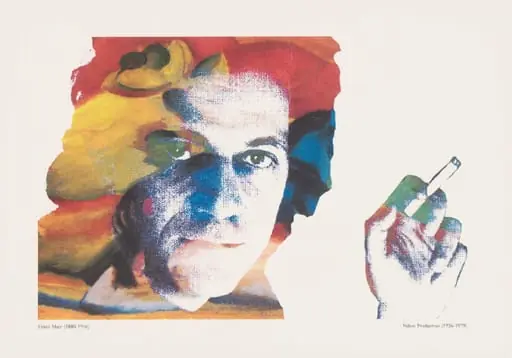 Franz Marc (1880-1916)/Nikos Poulantzas (1936-1979)
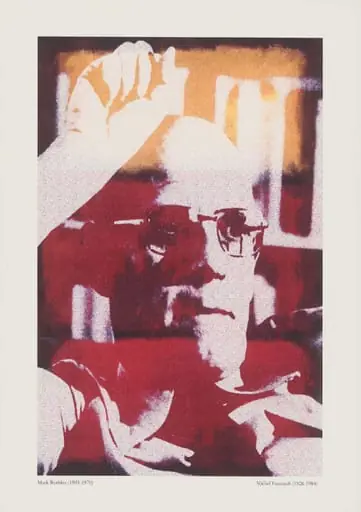 Mark Rothko (1903-1970)/Michel Foucault (1926-1984)
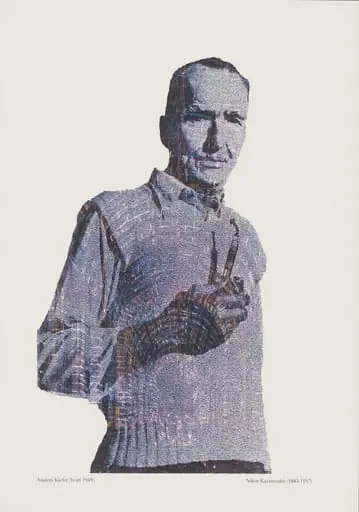 Anslem Kiefer (1945)/Nikos Kazantzakis (18831957)
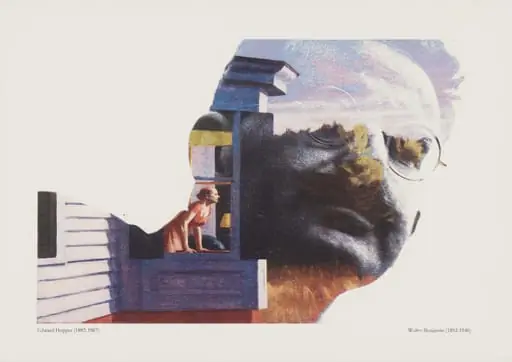 Edward Hopper (1882-1967)/Walter Benjamin (1892-1940)
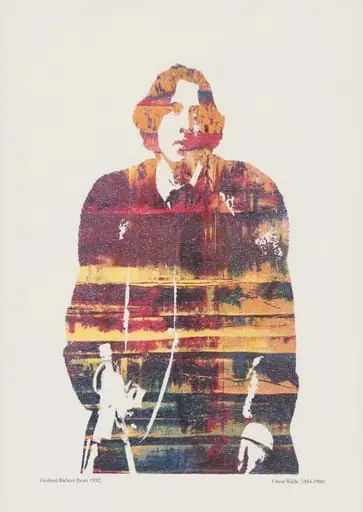 Gerhard Richter (1932)/Oskar Wilde (1854-1900)
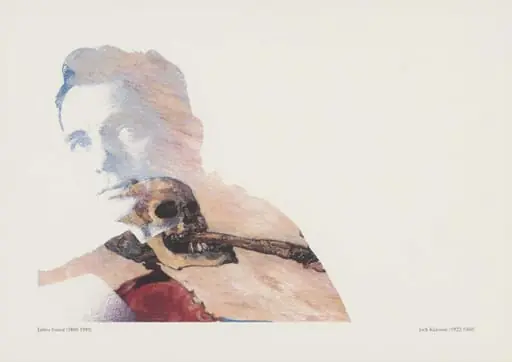 James Ensor (1860-1949)/Jack Kérouac (1922-1969)
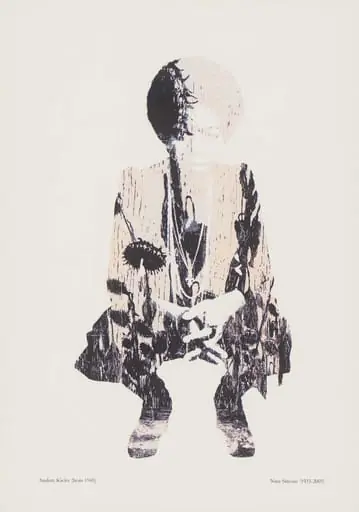 Anslem Kiefer (1945)/Nina Simone (1933-2003)
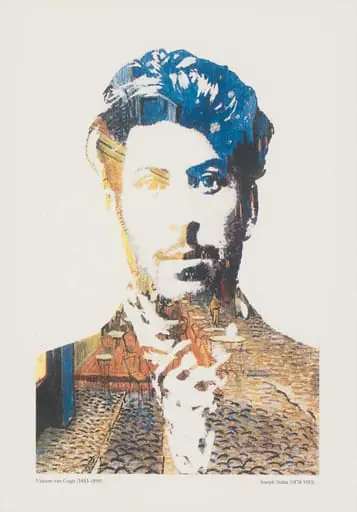 Vincent Van Gogh (1853-1890)/Joseph Stalin (1878-1953)