Artwork
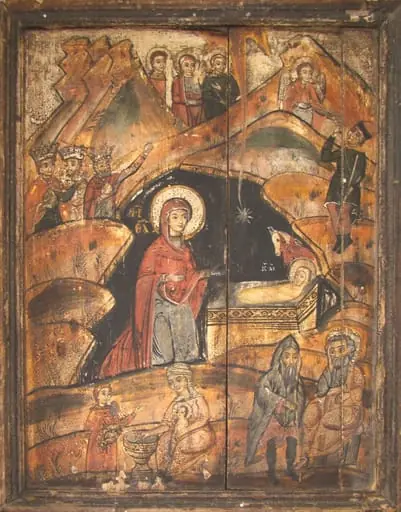
Nașterea Domnului
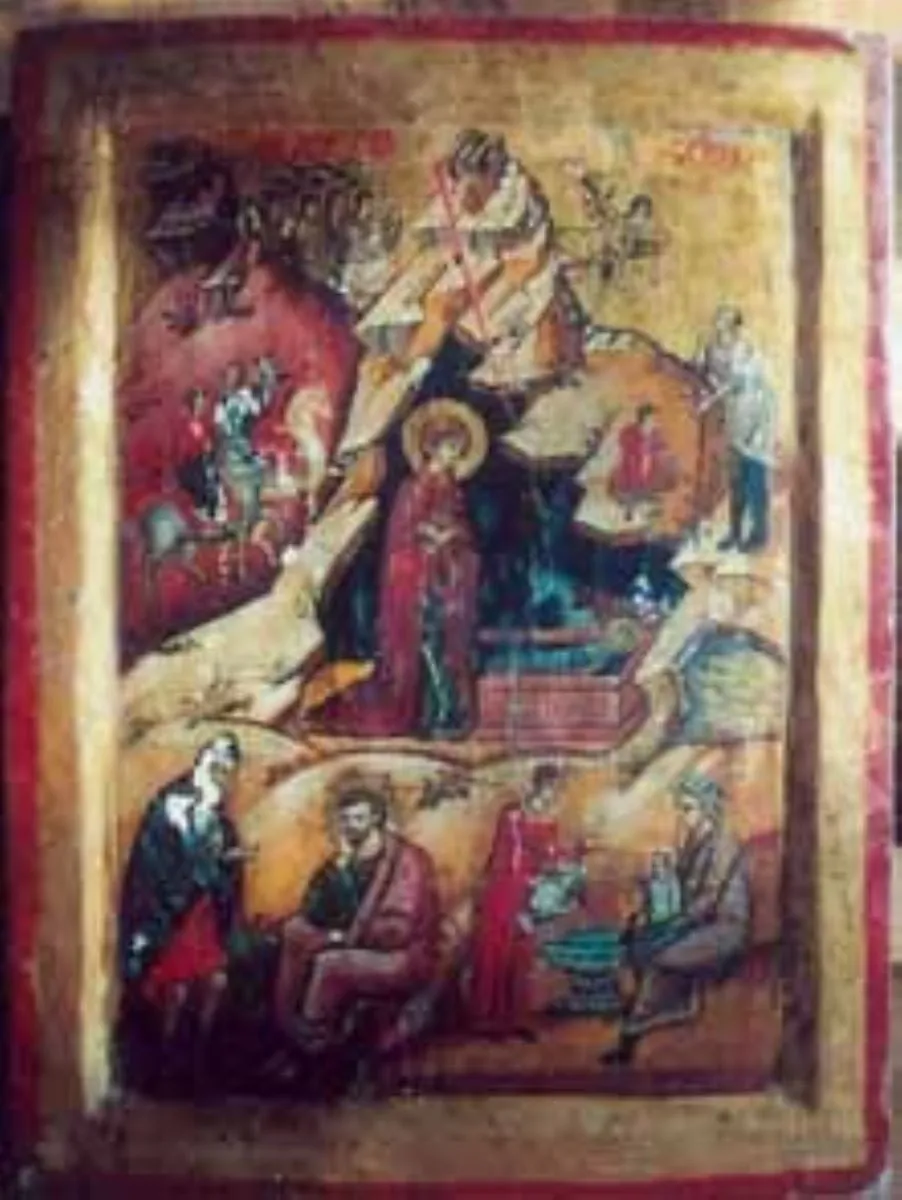
Nașterea Domnului is a drawing by the Baroque artist Preda și Marin. It dates from 1694 and is held in the collection of the Hurezi Monastery Museum Collection.
About this work
Overview
Created in 1694 by Preda și Marin, this drawing depicts the Nativity of Christ. Executed in ink and wash with gold accents, it is part of the collection at the Museum of Ethnography. The composition is compact and narrative-driven, emphasizing key figures in a humble setting. The style reflects regional folk traditions rather than academic conventions, with an emphasis on clarity over naturalism.
Subject & Meaning
The scene centers on the Virgin Mary reclining after childbirth, holding the infant Jesus.
The scene centers on the Virgin Mary reclining after childbirth, holding the infant Jesus. A kneeling figure, likely Joseph, and a seated attendant observe the moment. A donkey rests nearby, reinforcing the setting’s simplicity. The inclusion of these elements follows traditional iconography of the Nativity, underscoring themes of humility, divine presence in ordinary life, and the sacredness of family.
Technique & Style
The artist employed bold, fluid lines and simplified forms to define figures and space. Earth tones—browns, reds, and muted blues—dominate the palette, with thin gold outlines framing the composition. Facial features are rendered with minimal detail, suggesting rapid execution. The lack of perspective and flattened space align with local artistic practices, prioritizing symbolic clarity over spatial realism.
History & Provenance
The drawing was produced in the late 17th century, likely in a Romanian-speaking region under Habsburg influence. It entered the Museum of Ethnography’s holdings as part of a collection of religious folk art. Its survival suggests it was valued within a devotional context, possibly used in domestic or communal rituals during the Christmas season.
Context
This work emerged during a period when Orthodox and Eastern Catholic communities in Eastern Europe maintained distinct visual traditions despite Baroque influences from the West. While urban centers adopted elaborate altarpieces, rural artists continued producing simpler, hand-drawn images for personal devotion. This piece reflects that enduring vernacular practice.
Legacy
The drawing remains a rare surviving example of 17th-century religious folk art from the region. It contributes to scholarly understanding of how biblical narratives were adapted locally, often blending liturgical themes with everyday visual language. Its preservation highlights the role of non-academic artists in sustaining religious culture beyond institutional churches.
Artist & collection
Artist
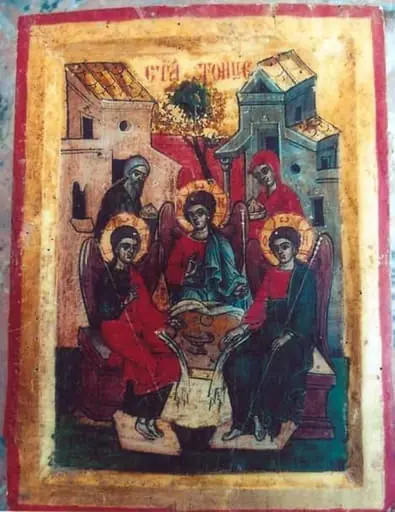
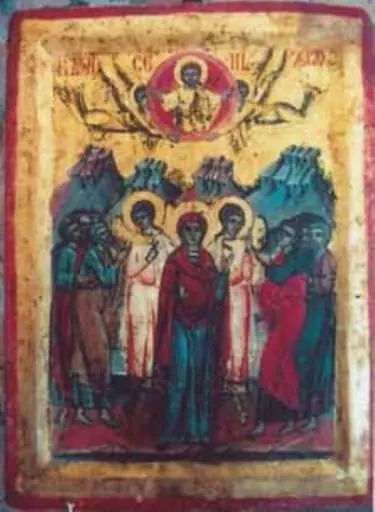
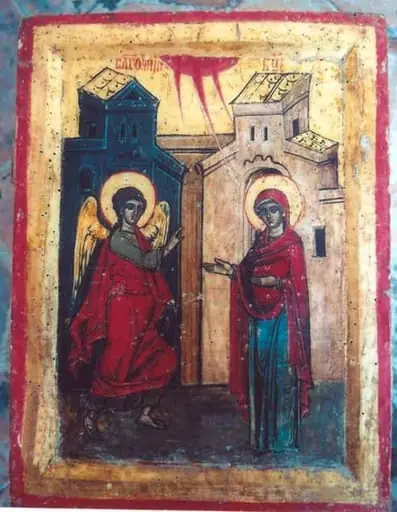
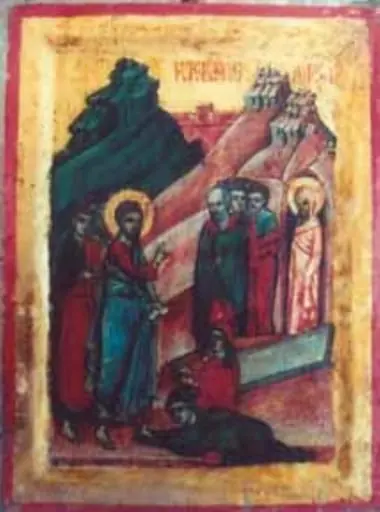
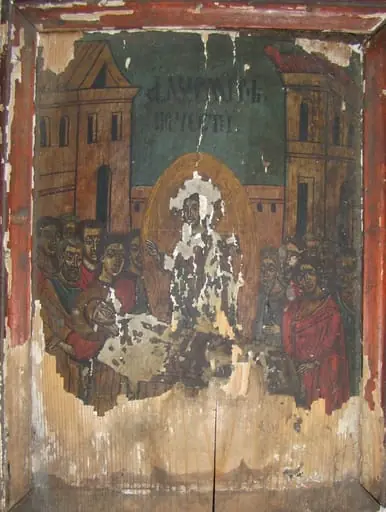
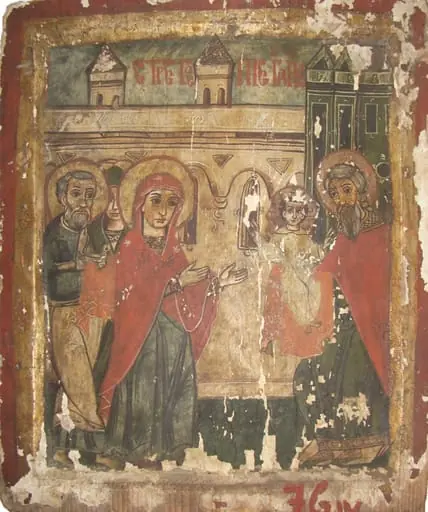
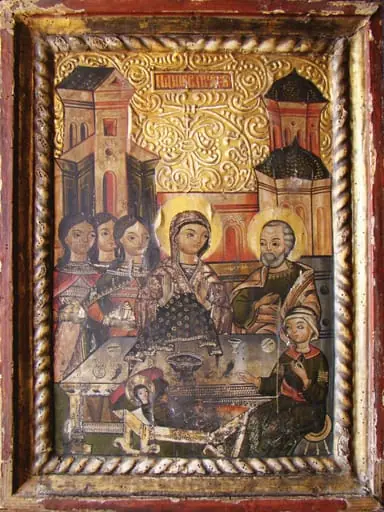
These five 1694 drawings by the Preda and Marin team show biblical scenes in delicate ink lines.