Artwork
Înălțarea Domnului
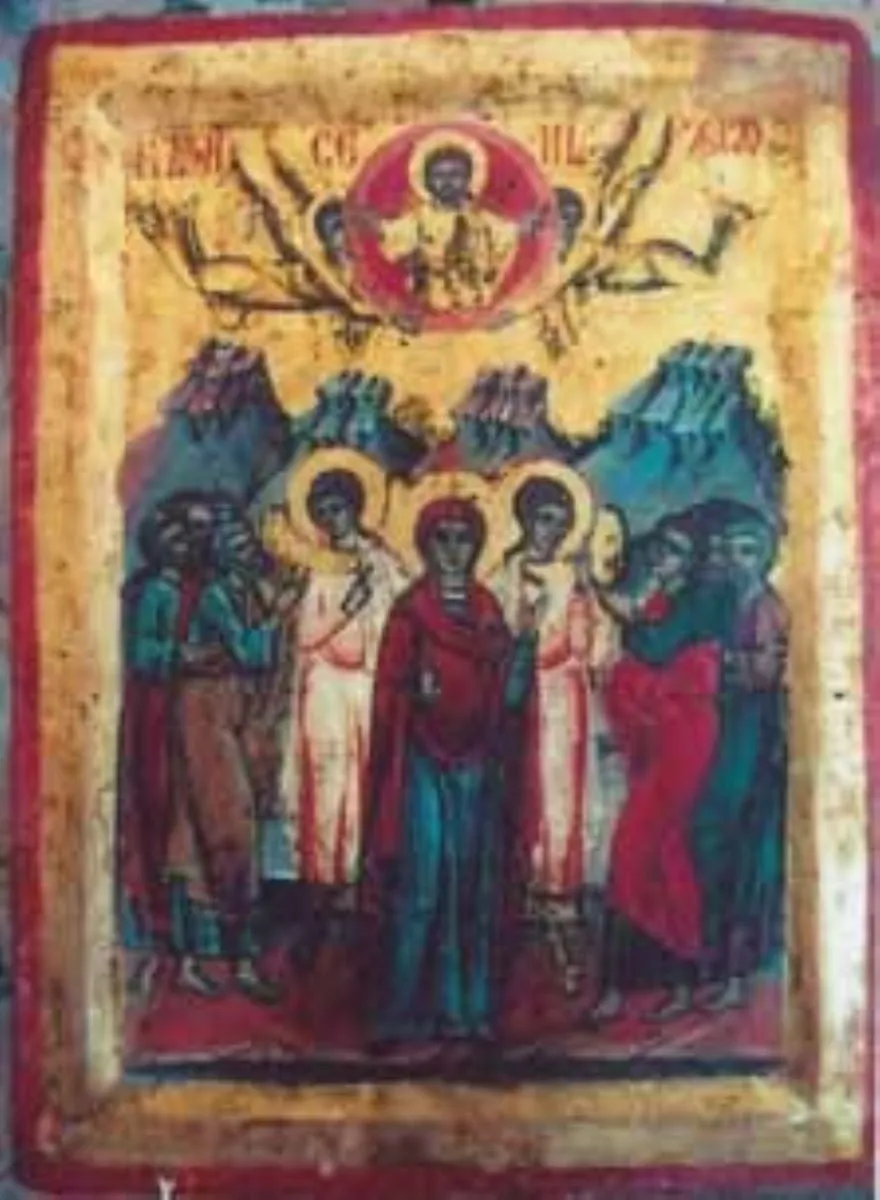
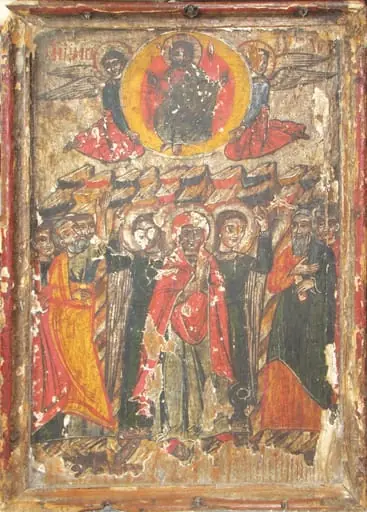
Înălțarea Domnului is a drawing by the Baroque artist Preda și Marin. It dates from 1694 and is held in the collection of the Hurezi Monastery Museum Collection.
About this work
Overview
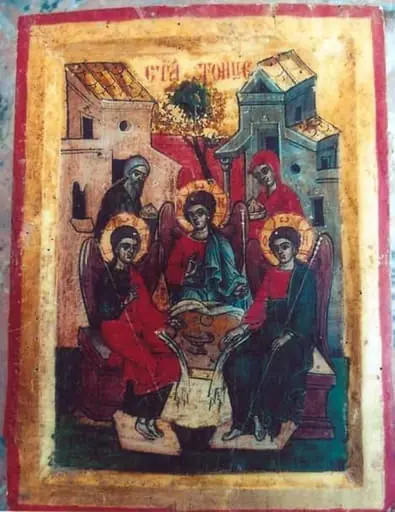
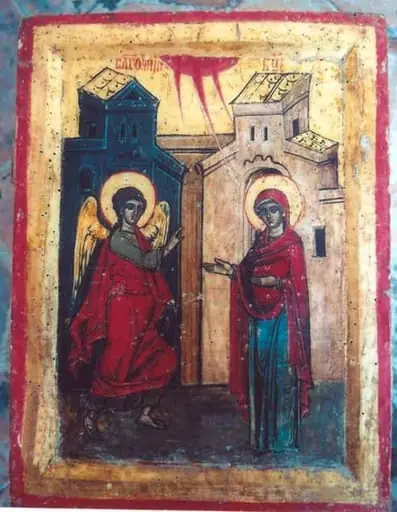
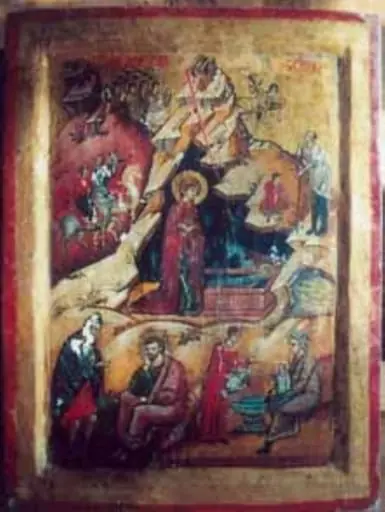
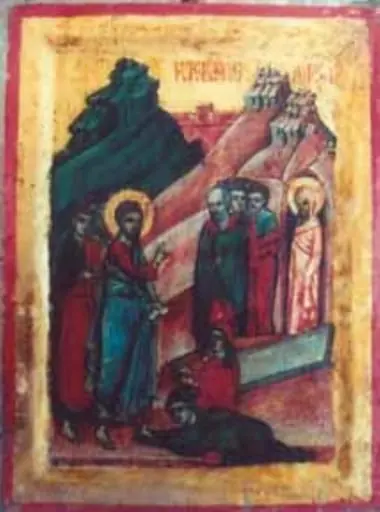
Created in 1694 by the artists Preda și Marin, this devotional image depicts the Ascension of Christ. Executed with gold leaf and vivid pigments, it was designed for liturgical use and is now preserved in the Museum of Ethnography. The composition centers on a celestial figure ascending above five earthly figures, all rendered with symbolic clarity rather than naturalistic detail.
Subject & Meaning
The glowing circle represents the divine realm, emphasizing the separation between earthly and heavenly planes through hierarchical composition.
The scene illustrates Christ’s ascension into heaven, a key moment in Christian theology. Below, five robed figures gaze upward in reverence, their halos signifying sanctity. The seated figure above, bearded and winged, holds a book symbolizing divine authority. The glowing circle represents the divine realm, emphasizing the separation between earthly and heavenly planes through hierarchical composition.
Technique & Style
The painting employs gold leaf to evoke sacred light, a common feature in Eastern Orthodox iconography. Figures are stylized with elongated proportions and flat, patterned robes in red, blue, and green. Halos are rendered as radiant circles, and facial features are simplified, prioritizing spiritual presence over individual expression. The lack of perspective reinforces its ritual function over illusionistic depth.
History & Provenance
Commissioned for religious use in the late 17th century, the work likely originated in a Romanian Orthodox community. It entered the Museum of Ethnography’s collection as part of a broader effort to preserve regional sacred art. Its survival reflects continued cultural value, though its original ecclesiastical context has been lost to time and institutional transfer.
Context
Produced during the late Baroque period, the painting aligns with Orthodox traditions that resisted Western naturalism. While European churches embraced dramatic chiaroscuro, this work adheres to Byzantine conventions: symbolic color, frontal composition, and hierarchical scale. It reflects a regional artistic identity that maintained medieval liturgical aesthetics amid broader stylistic shifts.
Legacy
The painting remains a representative example of Romanian religious art from the Ottoman-era period. It contributes to scholarly understanding of how local communities sustained devotional practices through visual form. Though no longer used in worship, its preservation in a museum setting ensures its role as a cultural artifact rather than a sacred object.
Artist & collection
Artist
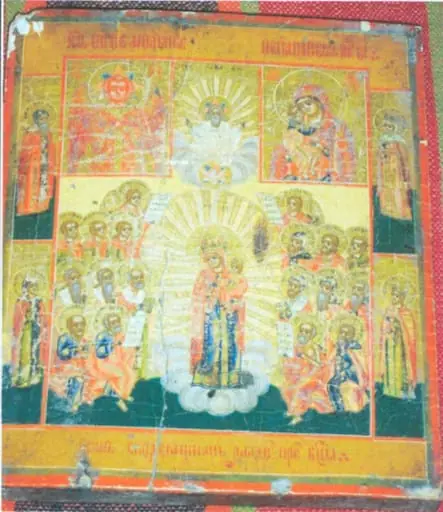
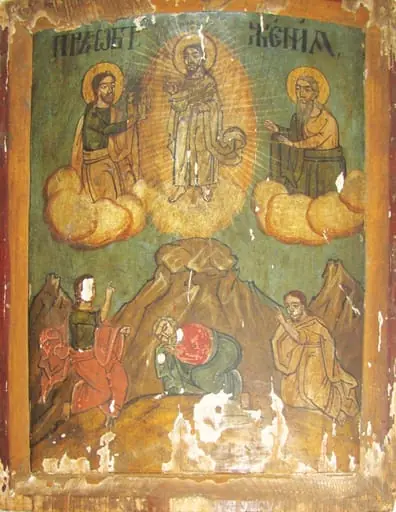
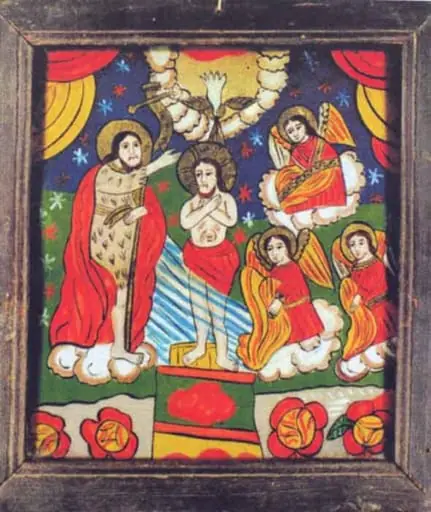
These five 1694 drawings by the Preda and Marin team show biblical scenes in delicate ink lines.