Artwork
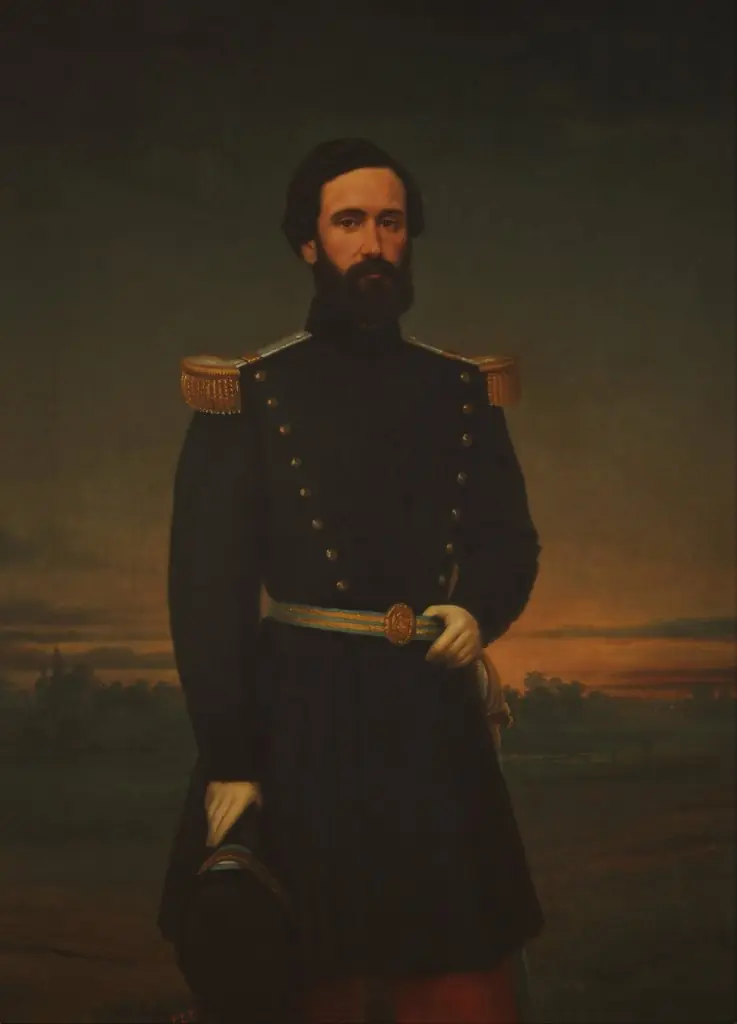
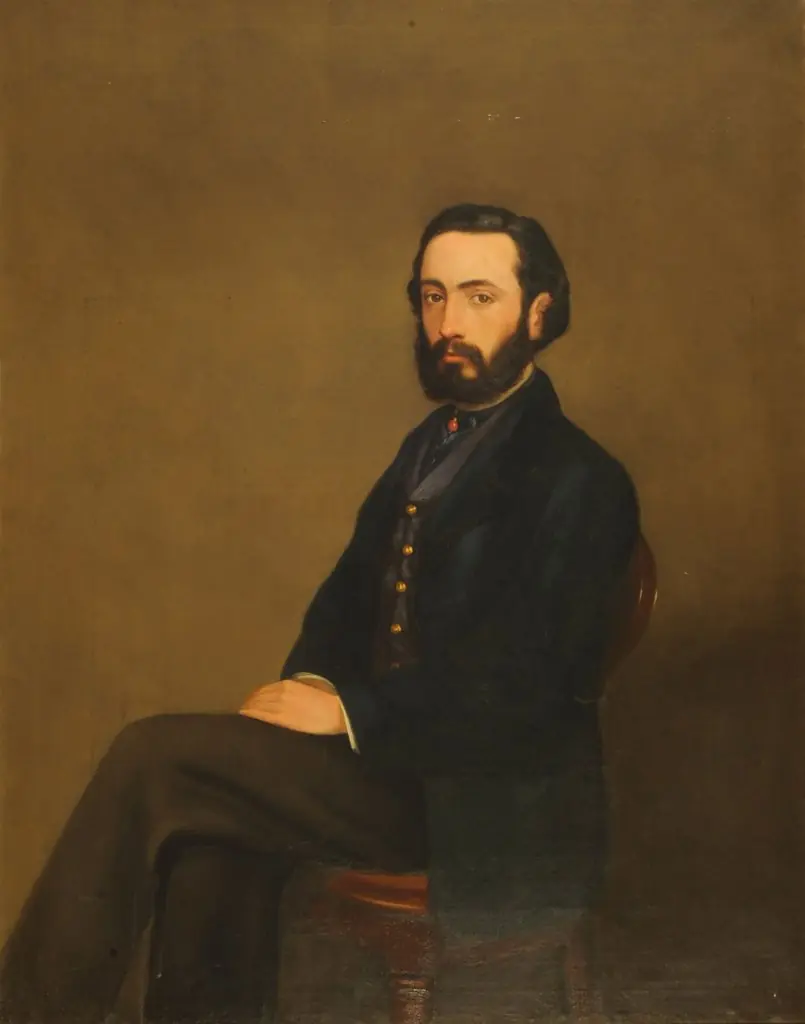
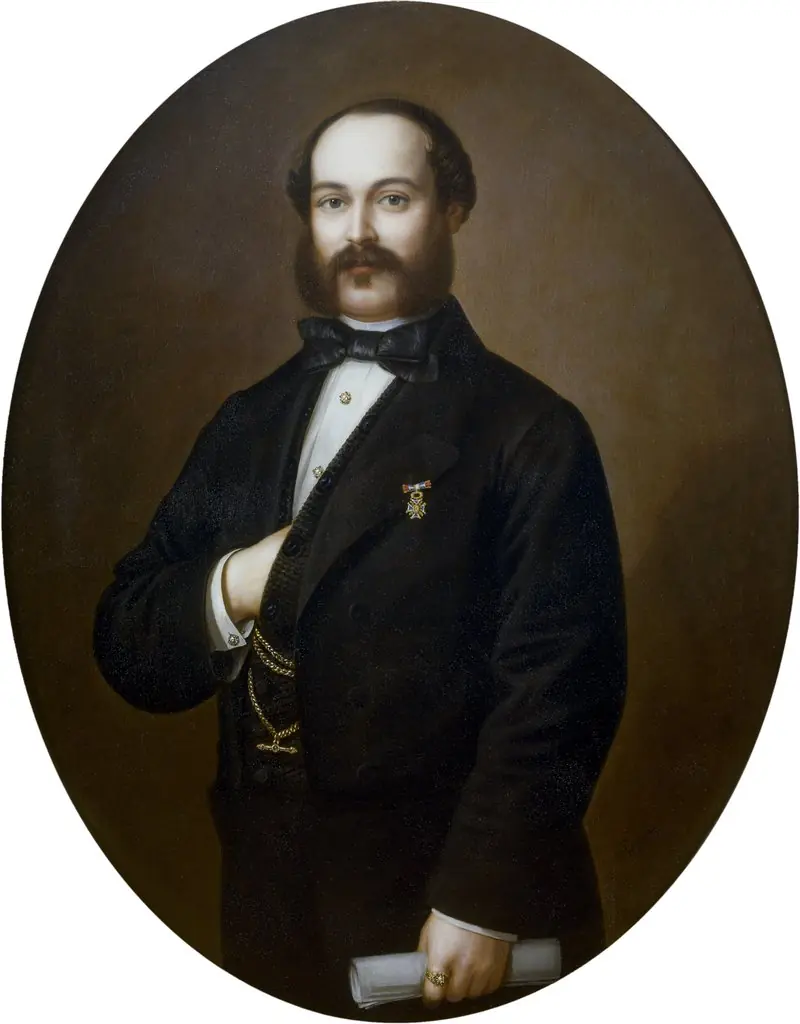
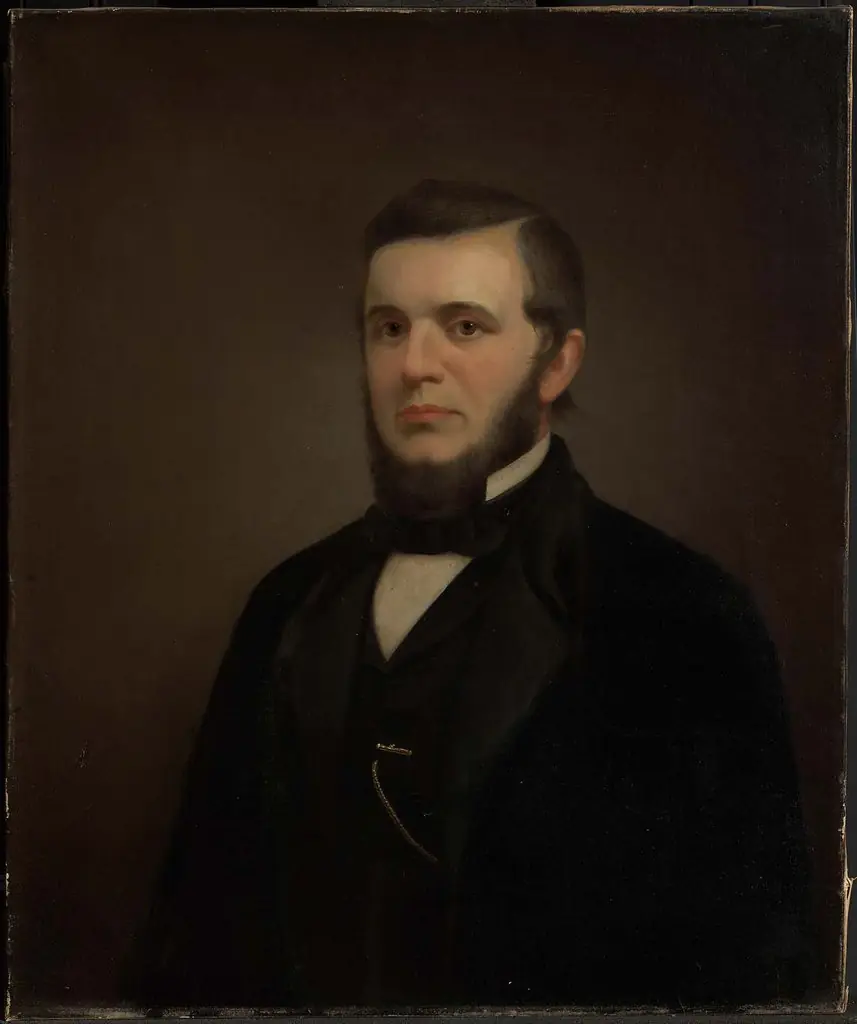
Portrait of Don Camilo Aldao
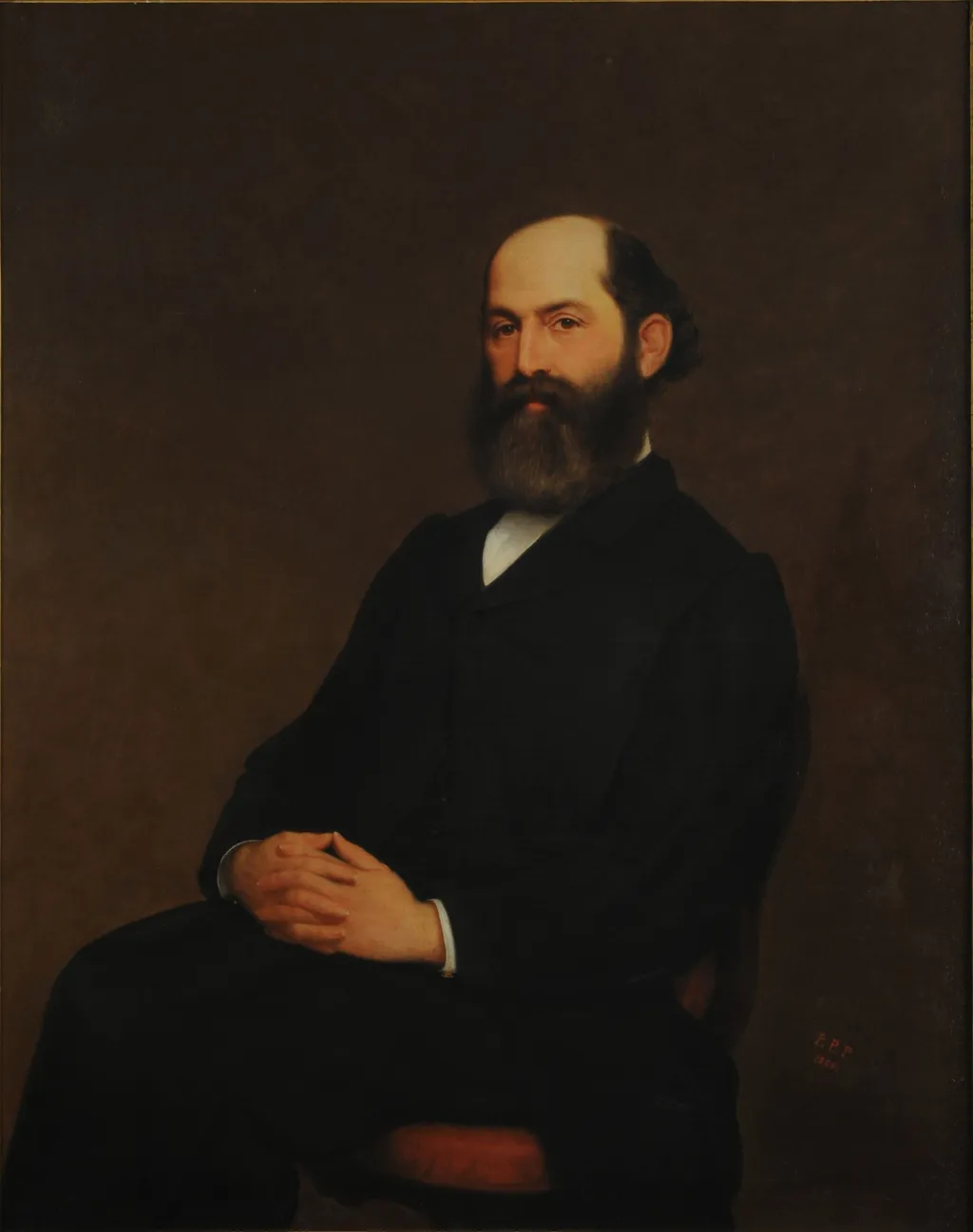
Portrait of Don Camilo Aldao is an oil painting by Prilidiano Pueyrredón. It dates from 1865 and is held in the collection of the National Museum of Fine Arts, Argentina.
About this work
Overview
Pueyrredón, recognized as one of Argentina’s earliest significant painters, combined technical precision with a quiet realism.
Painted in 1865 by Prilidiano Pueyrredón, this oil portrait depicts Don Camilo Aldao, a figure of Argentine aristocracy. Pueyrredón, recognized as one of Argentina’s earliest significant painters, combined technical precision with a quiet realism. The work is part of the National Museum of Fine Arts in Buenos Aires’ permanent collection, reflecting its cultural importance in the nation’s artistic heritage.
Subject & Meaning
Don Camilo Aldao is portrayed with solemn dignity, his dark beard and formal attire signaling his social standing. His direct gaze and clasped hands convey composure and introspection, typical of portraiture meant to affirm status and character. The absence of symbolic objects or elaborate settings focuses attention on the individual, suggesting a preference for personal presence over narrative embellishment.
Technique & Style
Pueyrredón employed a restrained palette and careful modeling to render the subject’s features and clothing with clarity. Subtle contrasts of light and shadow define the contours of the face and fabric, demonstrating an understanding of chiaroscuro without theatricality. The background, a muted brown, recedes softly, ensuring the figure remains the sole focus of the composition.
History & Provenance
The painting was completed during a period when Argentine elites sought to define a national identity through visual culture. Acquired early by the National Museum of Fine Arts, it has remained in public ownership since the 19th century. Its continuous presence in the museum underscores its role as a foundational work in Argentina’s art historical record.
Context
In mid-19th century Argentina, portraiture served as both personal commemoration and social documentation. Pueyrredón, trained in Europe, brought academic techniques to local subjects, bridging European traditions with Argentine realities. This portrait reflects a broader trend among the upper class to commission likenesses that affirmed their place in a newly consolidated society.
Legacy
Pueyrredón’s portrait of Aldao exemplifies the transition from colonial artistic norms to a distinctly Argentine visual language. Its quiet realism influenced later generations of painters who sought to capture national character without romanticism. The work remains a reference point for studies of 19th-century Argentine identity and the evolution of portraiture in the region.
Own this work as a print
Artist & collection
Artist
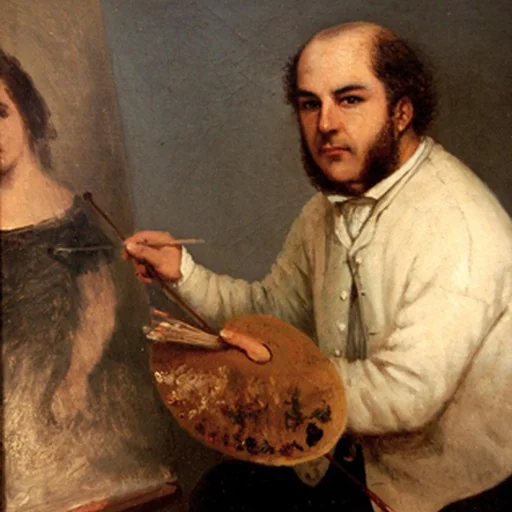
Prilidiano Pueyrredón (January 24, 1823 – November 3, 1870) was an Argentine painter, architect and engineer. One of the country's first prominent painters, he was known for his costumbrist sensibility and preference for everyday themes.

Museum
National Museum of Fine Arts, Argentina
Continue through works from the same source collection.