Artwork
Asesinato de Maza
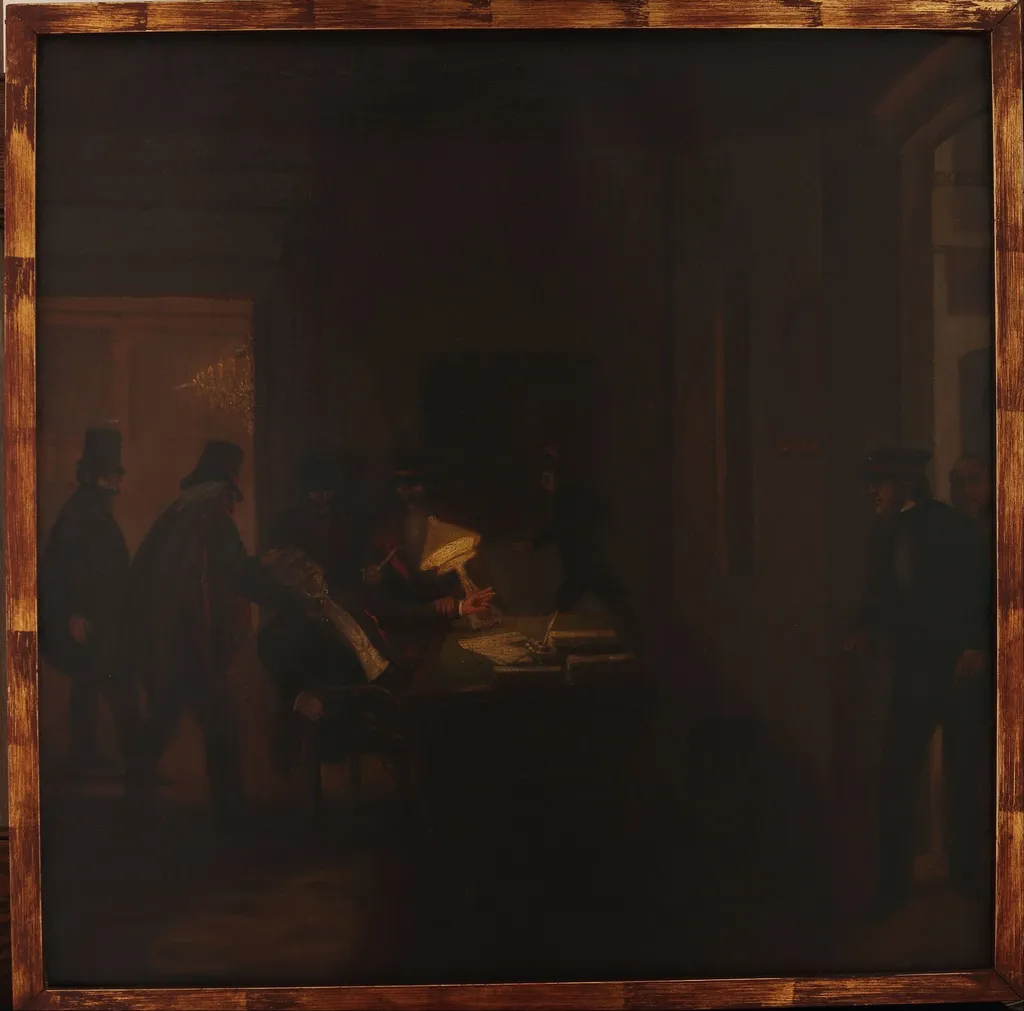
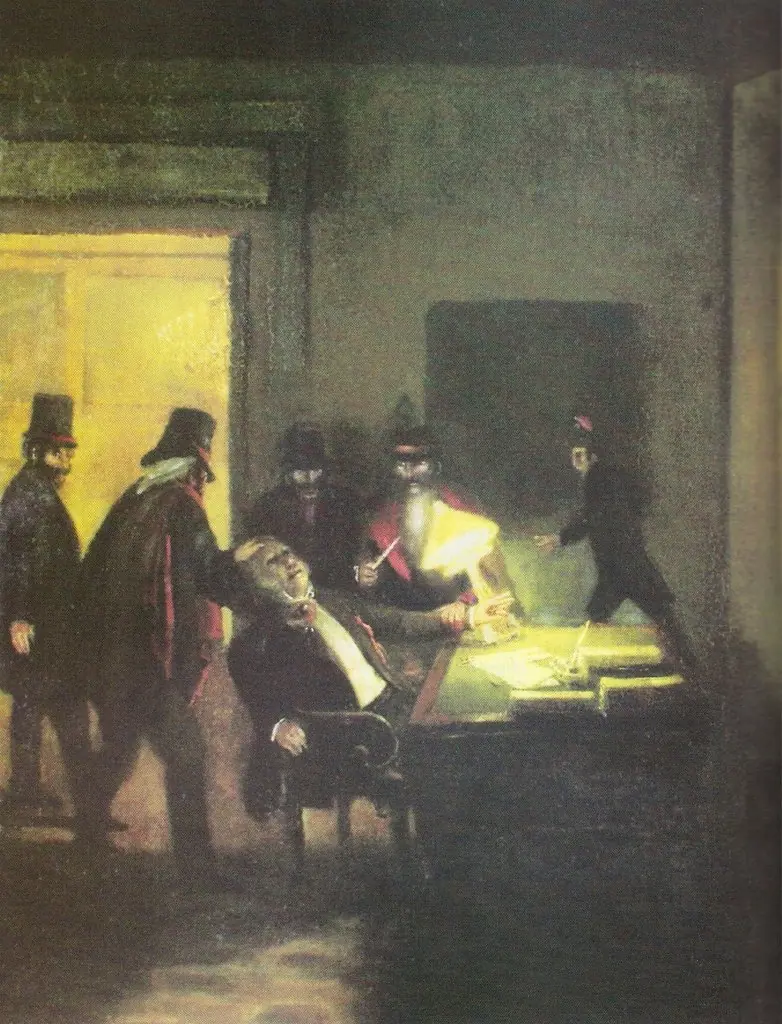
Asesinato de Maza is an oil painting by the Realist artist Prilidiano Pueyrredón. It is held in the collection of the National Museum of Fine Arts, Argentina.
About this work
Overview
*Asesinato de Maza* is an oil on canvas executed in 1898 by Argentine artist Prilidiano Pueyrredón. The work belongs to the tradition of 19th‑century history painting, employing a realist visual language to record a violent episode from the nation’s political past. It is part of the permanent collection of the National Museum of Fine Arts in Buenos Aires.
Subject & Meaning
The composition centers on a group gathered around a fallen figure, suggesting a lethal confrontation. The somber arrangement and the focus on a single, possibly mortally wounded man convey the gravity of the event, inviting viewers to contemplate the human cost of political conflict.
Technique & Style
Pueyrredón renders the scene with a restrained palette and meticulous detail, hallmarks of realist practice. A solitary light source illuminates the central figure, casting deep shadows that heighten the drama and underscore the painting’s emotional intensity.
History & Provenance
Although Pueyrredón died in 1870, the date inscribed on the canvas is 1898, indicating that the work was likely completed posthumously from his sketches or studio materials. It entered the National Museum of Fine Arts’ holdings in the early 20th century, where it remains on display.
Context
The painting reflects Argentina’s early realist movement, which prioritized everyday and historical subjects rendered with observational accuracy. By choosing a politically charged moment, Pueyrredón aligns his work with the genre’s aim to document pivotal national narratives.
Artist & collection
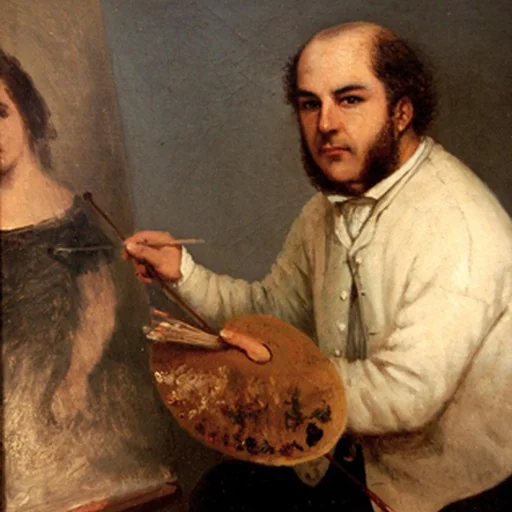
Artist
Prilidiano Pueyrredón (January 24, 1823 – November 3, 1870) was an Argentine painter, architect and engineer. One of the country's first prominent painters, he was known for his costumbrist sensibility and preference for everyday themes.

Museum
National Museum of Fine Arts, Argentina
Continue through works from the same source collection.
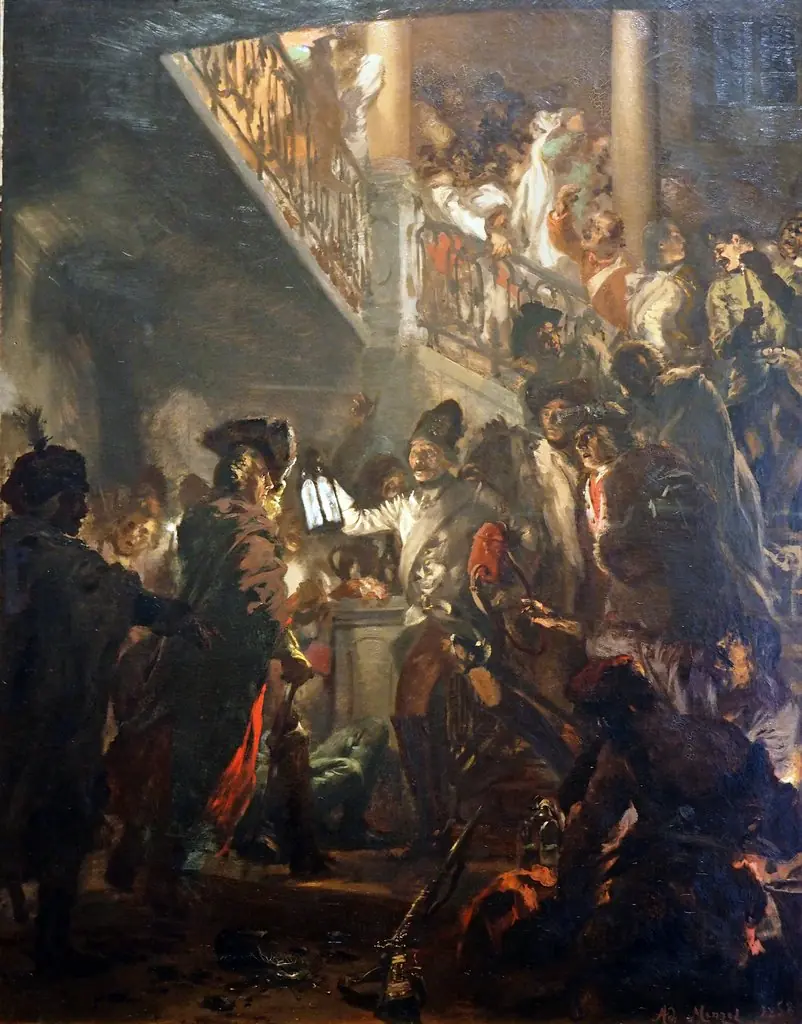 Frederick the Great at Lissa: Bonsoir, Messieurs
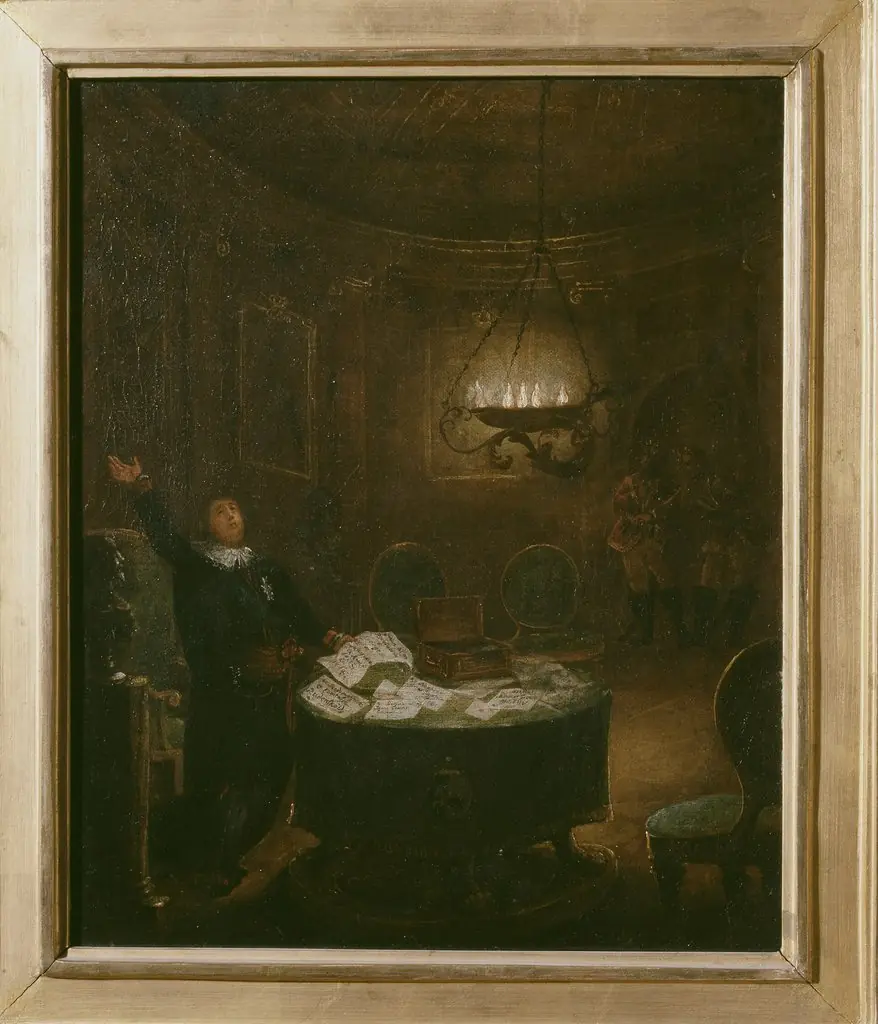 Presidenten Gustaf Adolf Reuterholm (1756-1813), öppnar de Armfeltska breven på Stockholms slott 1794
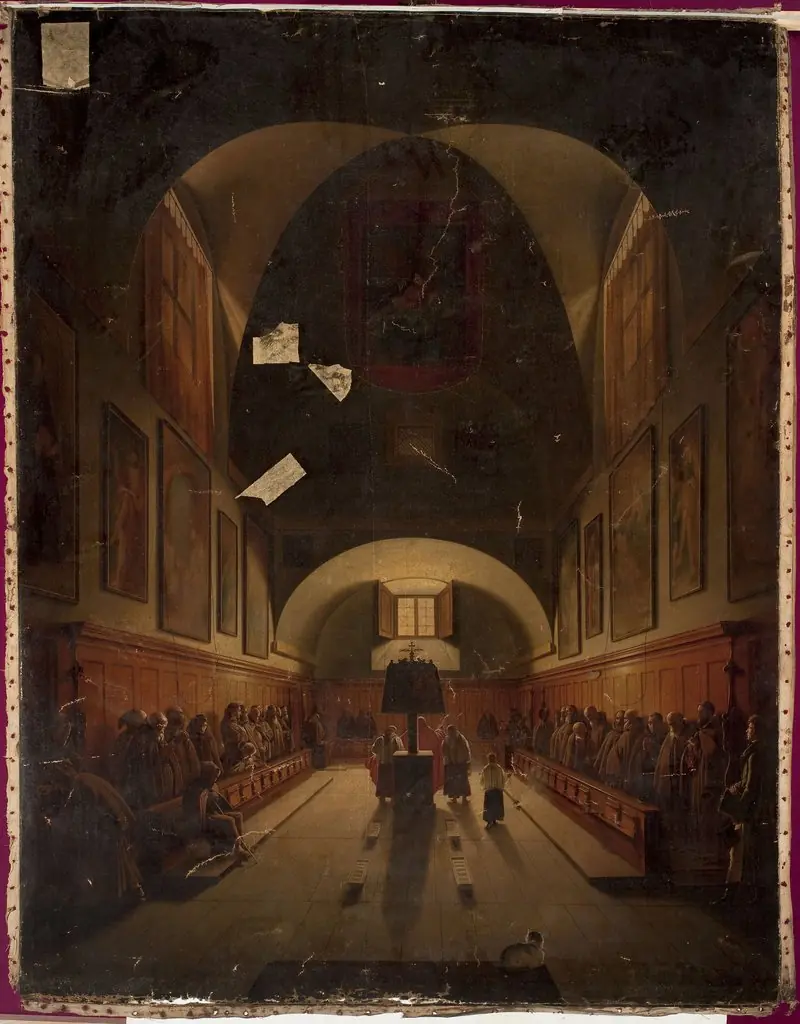 Choir in the Capuchin church in Rome
 Peasants outside an Inn
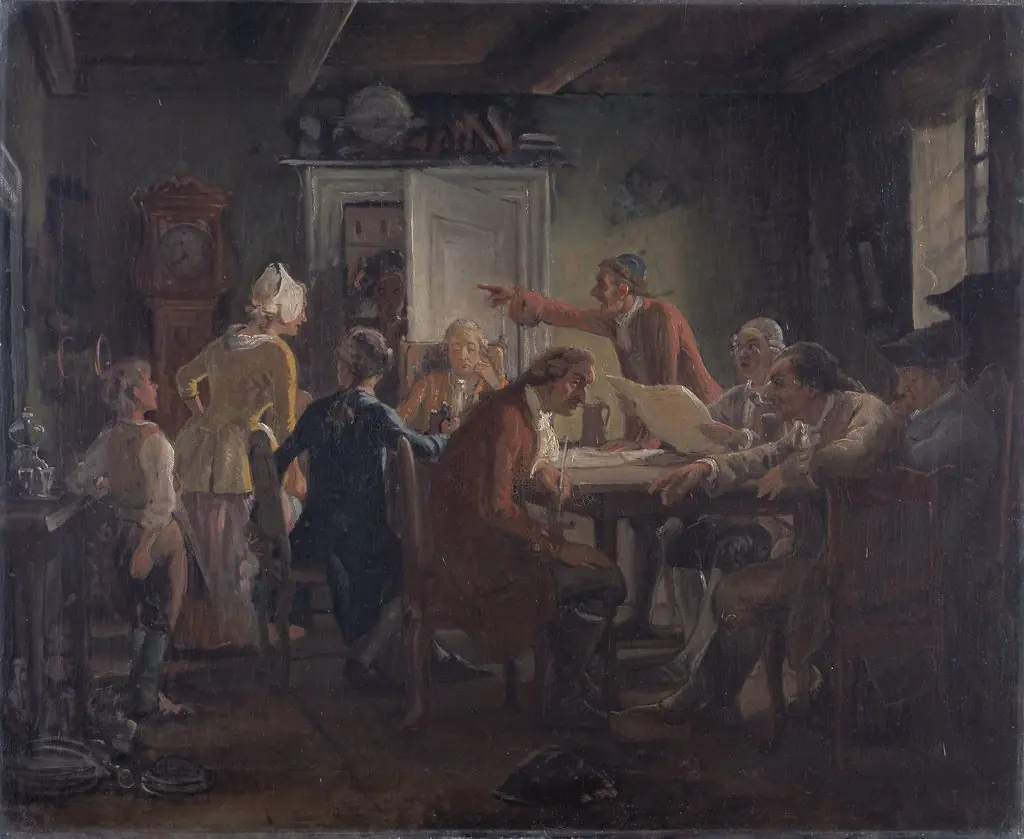 Collegium Politicum. From Ludvig Holberg’s The Political Tinker, Act I, Scene 2.
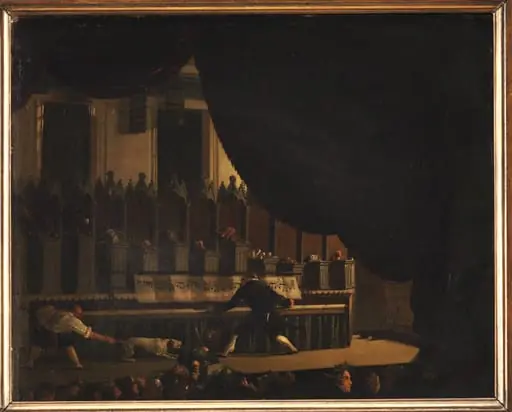 En omrejsende projektmager foreviser et musikalsk menageri
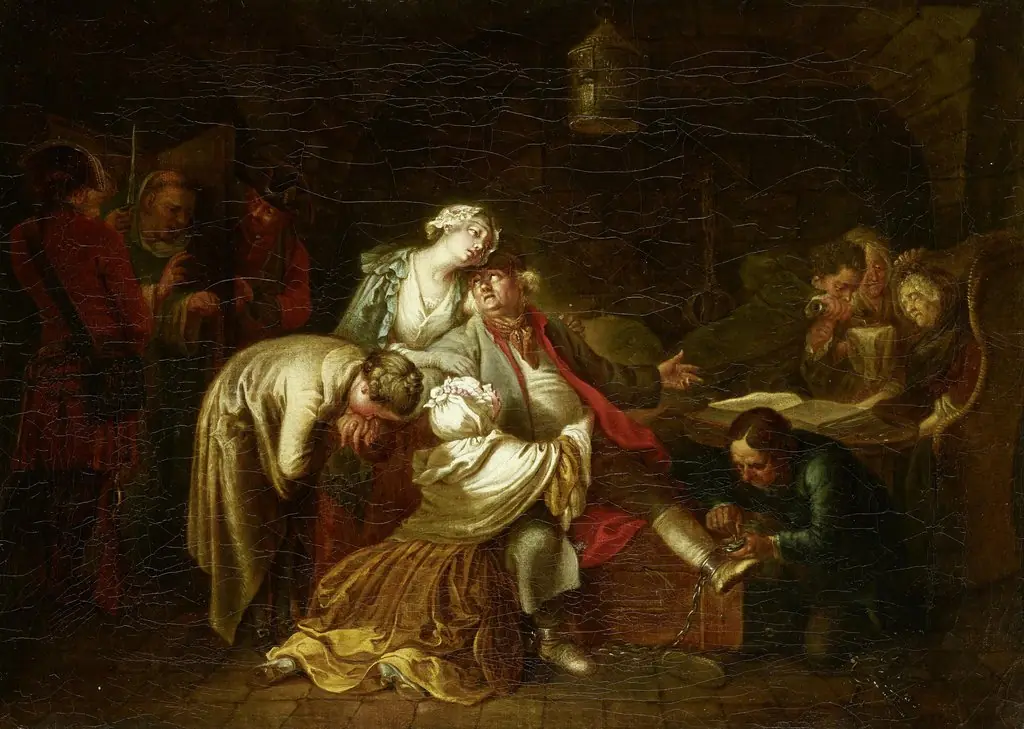 Jean Calas' Farewell to his Family
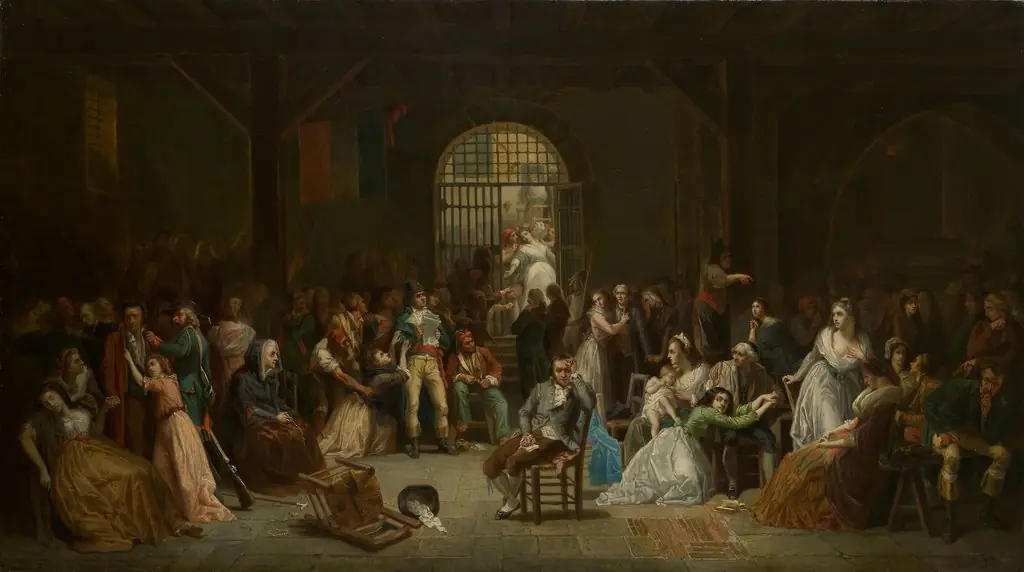 The Roll Call of the Last Victims of the Terror
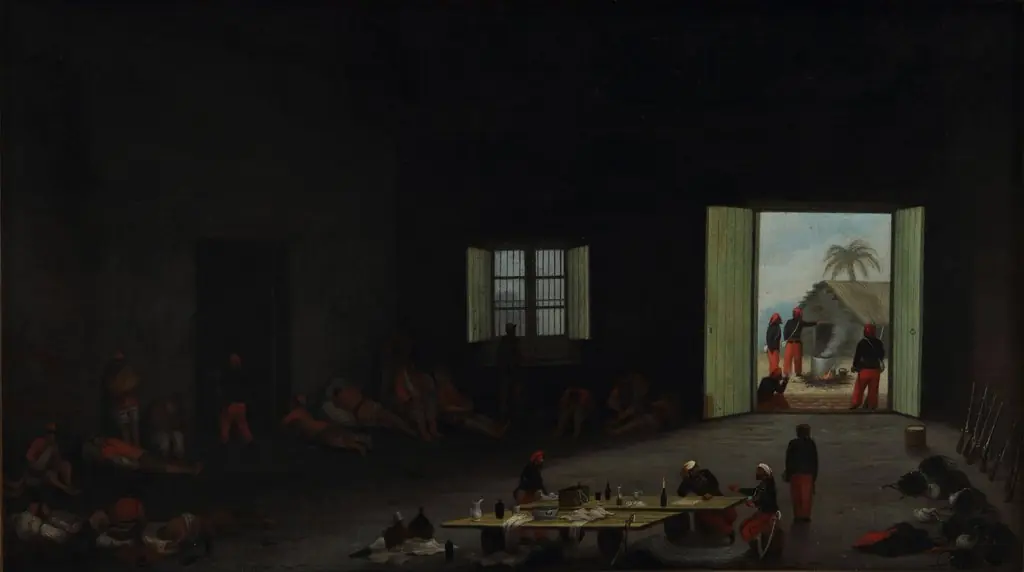 Soldados paraguayos heridos prisioneros de la batalla de Yatay
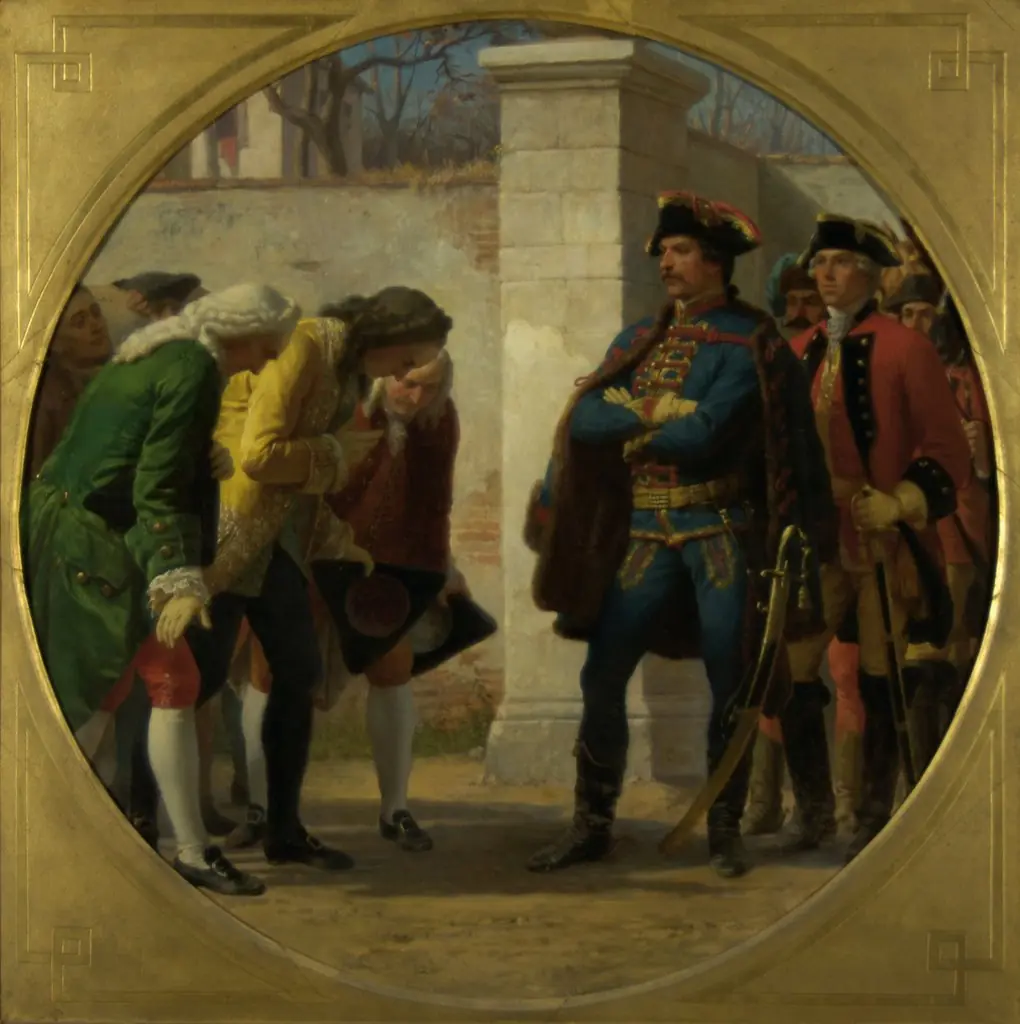 The attack on Berlin in 1757
 Episode in the Caucasian wars – Crossing the river in Arcx
 Assessination of Maza