Artwork
The Adoration of the Magi
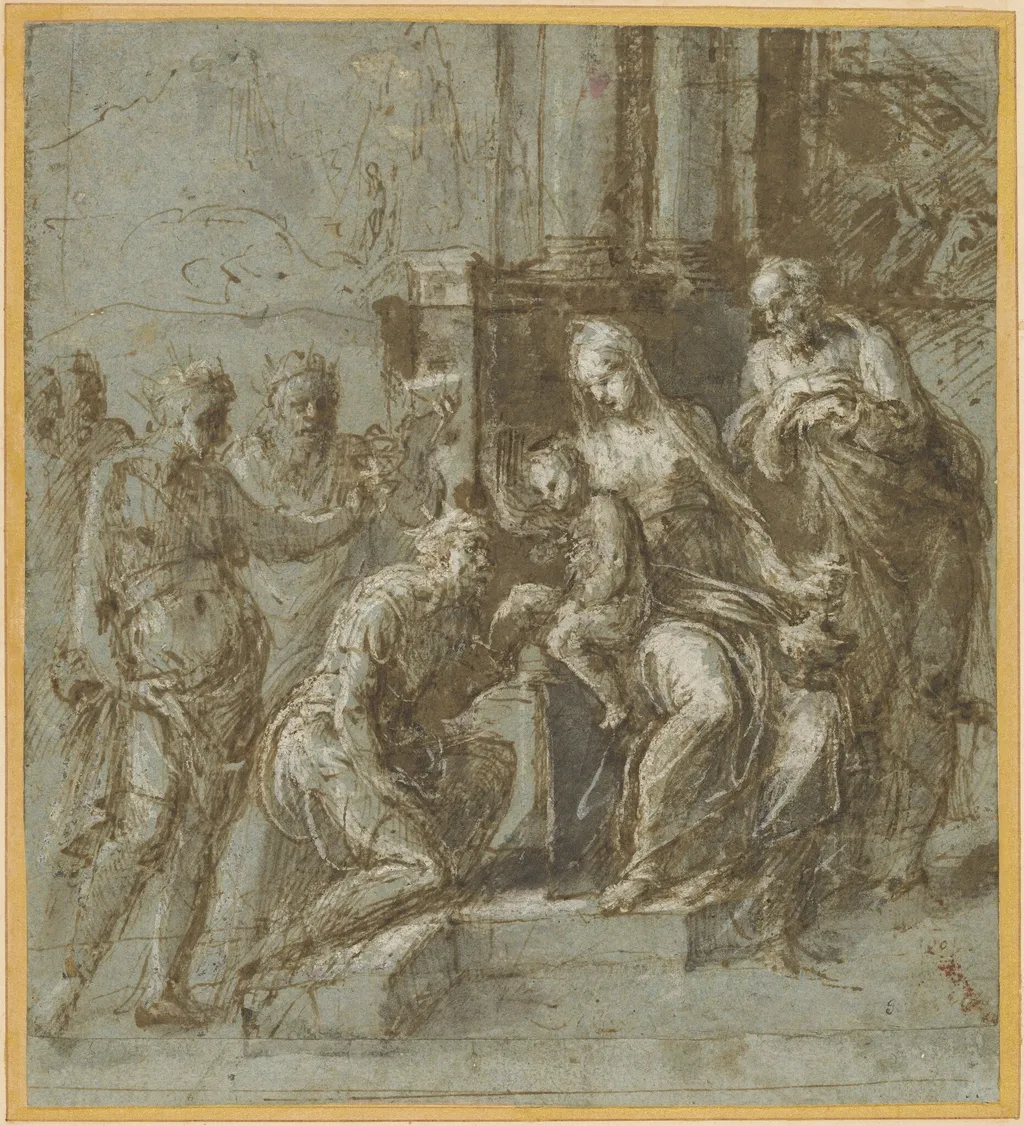
The Adoration of the Magi is an ink drawing by the Renaissance artist Biagio Pupini. It dates from 1525 and is held in the collection of the National Gallery of Art.
About this work
Overview
Its modest scale and preparatory character suggest it was a study rather than a finished work.
This drawing, executed around 1525 by Biagio Pupini, depicts the Adoration of the Magi in pen and brown ink with washes of brown and gray, enhanced by white gouache on blue laid paper. Its modest scale and preparatory character suggest it was a study rather than a finished work. The blue paper provides a cool tonal foundation, contrasting with the warm ink and luminous highlights, creating a sense of depth and focus within a compact composition.
Subject & Meaning
The scene centers on a woman holding an infant, surrounded by figures in varied postures of reverence. One kneels, others stand or lean in, their attention fixed on the child. Though simplified, the grouping follows the traditional narrative of the Magi paying homage to the newborn Christ. The absence of elaborate detail shifts emphasis to the emotional core of the moment: quiet awe and devotion.
Technique & Style
Pupini employed rapid, fluid pen strokes to define forms, layered with soft washes to suggest volume and shadow. White gouache was applied selectively to highlight faces, garments, and folds of fabric, enhancing luminosity against the blue paper. The loose handling and minimal background—just a suggestion of draped cloth—convey immediacy, reflecting a working sketch’s spontaneity rather than polished finish.
History & Provenance
The work is attributed to Biagio Pupini, an artist active in Bologna during the early 16th century. While little is documented about his career, this drawing aligns with regional practices of using colored papers and wash techniques for devotional studies. Its survival suggests it was valued as a study or perhaps retained by a collector interested in preparatory works from the period.
Context
In early 16th-century Italy, artists frequently used colored papers and quick ink studies to explore compositions before painting. The use of blue paper was not uncommon in Bologna and surrounding regions, offering a neutral tone that enhanced contrast. Pupini’s approach reflects a broader trend of artists treating drawing as a vital, independent medium for capturing sacred narratives with emotional clarity.
Legacy
This drawing exemplifies how Renaissance draftsmen distilled complex religious scenes into intimate, expressive studies. Its emphasis on gesture and light over detail influenced later artists who valued the immediacy of preparatory work. Though not widely known, it remains a quiet testament to the role of sketching in shaping devotional imagery during a period of artistic experimentation.
Artist & collection


![Mary Magdalene [recto], by Biagio Pupini](https://artifactworldgallery.com/img/biagio-pupini--mary-magdalene-recto--342e893fb59810dd-w320.webp)
![Mary Magdalene [verso], by Biagio Pupini](https://artifactworldgallery.com/img/biagio-pupini--mary-magdalene-verso--8b62d2d37815f802-w320.webp)
 The Adoration of the Magi
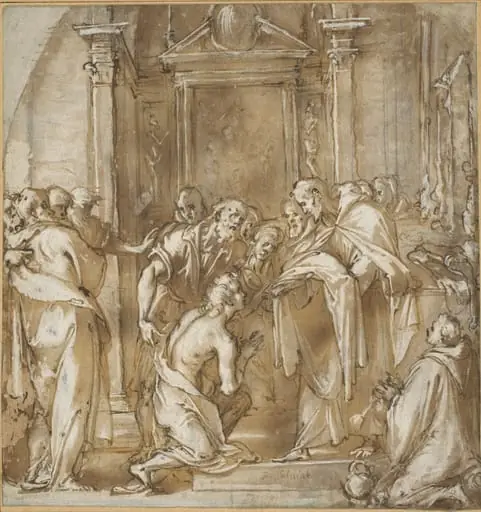 Saint Vincent Ferrer Taking His Vestments
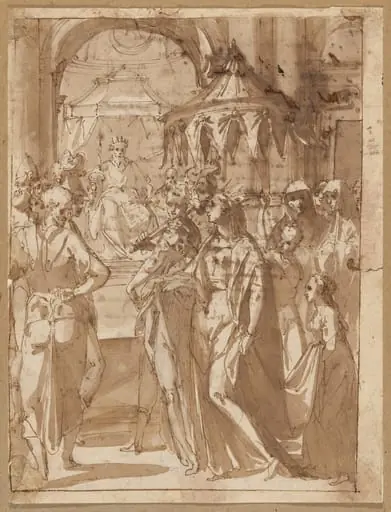 Esther before Ahasuerus
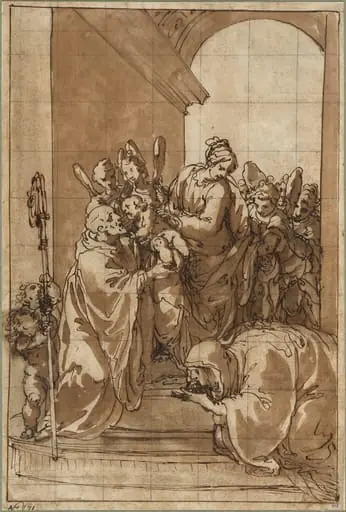 Madonna and Child with Angels, Saint Benedict, and Saint Scholastica
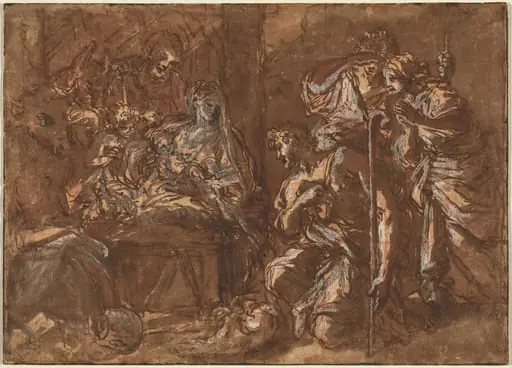 The Adoration of the Shepherds
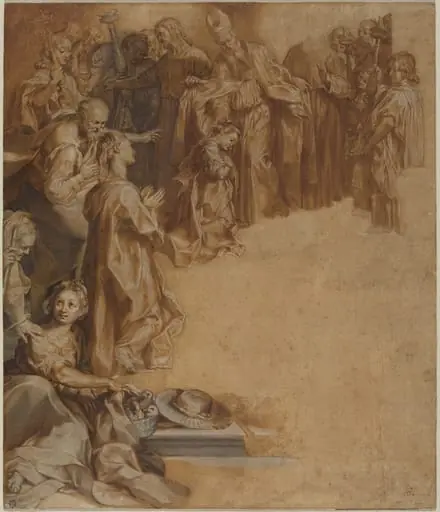 The Presentation of the Virgin in the Temple
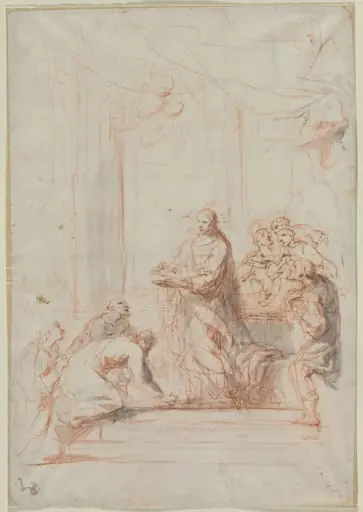 Christ Administering the Host
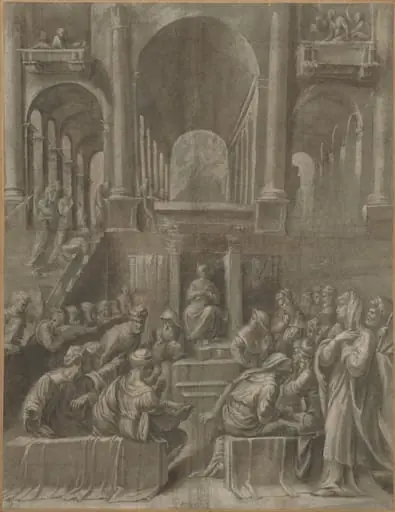 Christ among the Doctors
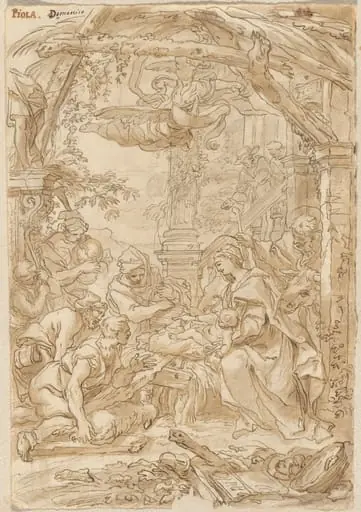 The Adoration of the Shepherds
 The Raising of Lazarus
 A Miracle of Saint Philip Benizzi: The Healing of a Demoniac Woman
 The Generosity of Empress Pulcheria