Artwork
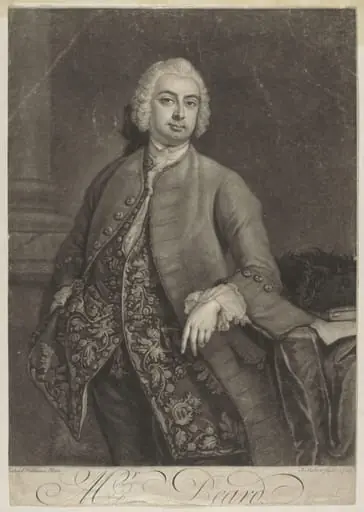
H Beard Print Collection
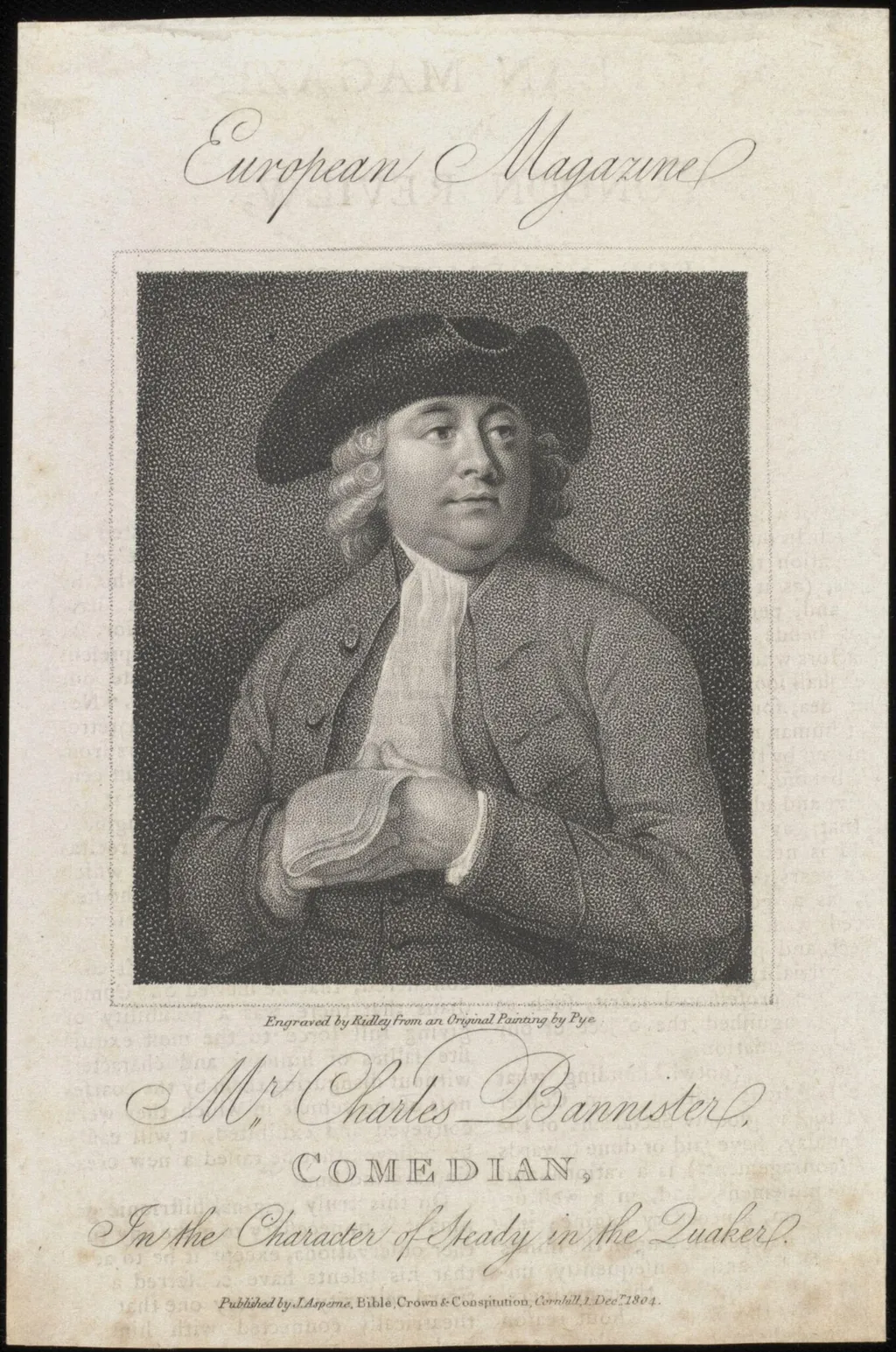
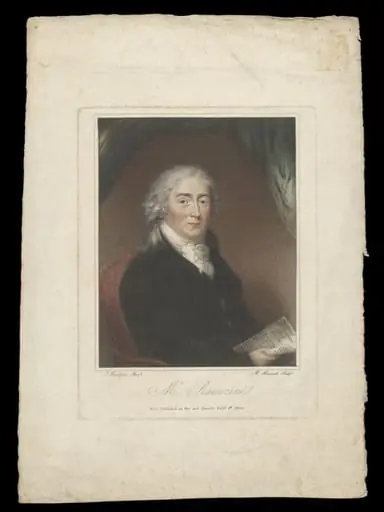
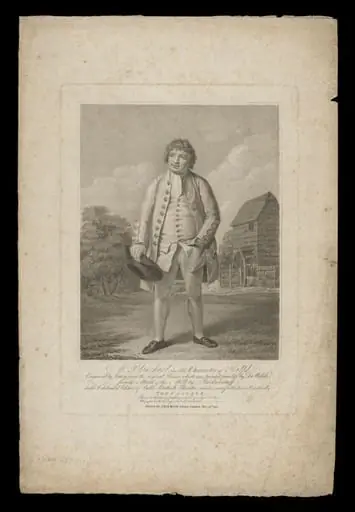
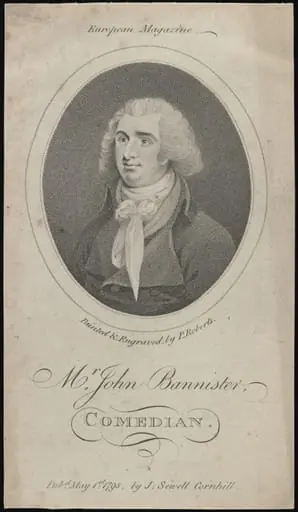
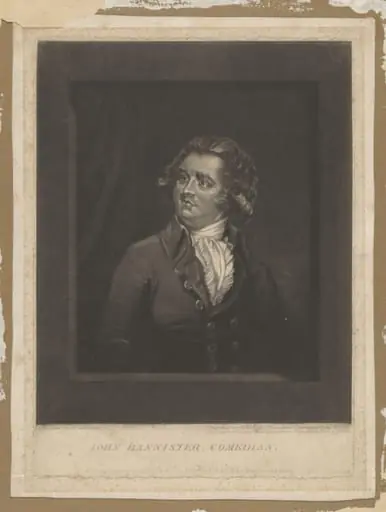
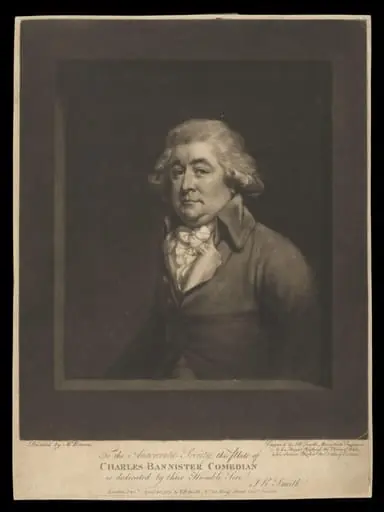
H Beard Print Collection is a print by the Romanticist artist Pye. It dates from 1 and is held in the collection of the Victoria and Albert Museum. This 1804 ink-on-paper print captures Charles Bannister in character as Steady, a role from the comedy The Quaker.
About this work
This print shows a portrait of a man dressed for a stage role. The artist used ink on paper in 1804. Charles Bannister played “Steady” in a play called The Quaker.
It’s from the Romantic era, when artists focused on emotion and individuality. Prints like this helped spread images of performers far and wide.
Look up the Victoria and Albert Museum.
Overview
Created during the Romantic period, the portrait reflects a growing interest in portraying performers as distinct individuals rather than generic figures.
This 1804 ink-on-paper print captures Charles Bannister in character as Steady, a role from the comedy The Quaker. Created during the Romantic period, the portrait reflects a growing interest in portraying performers as distinct individuals rather than generic figures. As a theatrical print, it served to circulate images of popular stage actors beyond the confines of the theater, reaching audiences who could not attend live performances.
Subject & Meaning
Charles Bannister, a celebrated actor of his time, is depicted as Steady, a character known for his moral constancy and dry wit in The Quaker. The portrayal emphasizes his expressive face and composed posture, suggesting the role’s emotional depth. Rather than idealizing him, the image presents a recognizable, humanized performer, aligning with Romantic ideals of authenticity and personal character.
Technique & Style
Executed in ink on paper, the print employs fine linework to define facial features and costume details with clarity. The shading is restrained, focusing attention on Bannister’s expression and the texture of his attire. The composition is centered and formal, typical of theatrical portraits of the era, designed for reproduction and distribution rather than ornamental display.
History & Provenance
The print originates from the H. Beard Print Collection, a significant assemblage of 19th-century theatrical imagery. It was likely produced shortly after the play’s premiere to capitalize on Bannister’s popularity. The work entered the Victoria and Albert Museum’s holdings through this collection, preserving its role as a document of early modern performance culture.
Context
In early 19th-century Britain, theatrical prints were a primary medium for disseminating images of actors and roles. As public interest in theater grew, such prints became collectible and accessible, bridging the gap between elite stage culture and the broader public. Bannister’s fame made him a frequent subject, reflecting the rising status of performers in popular consciousness.
Legacy
This print contributes to a broader archive of theatrical portraiture that shaped public perception of actors as cultural figures. Its survival in institutional collections underscores its value as historical evidence of performance practices and visual culture in the Romantic era, offering insight into how fame was visually constructed before photography.
Artist & collection
Artist
Pye’s only known print in this collection shows London’s streets alive on a December afternoon in 1804.