Artwork
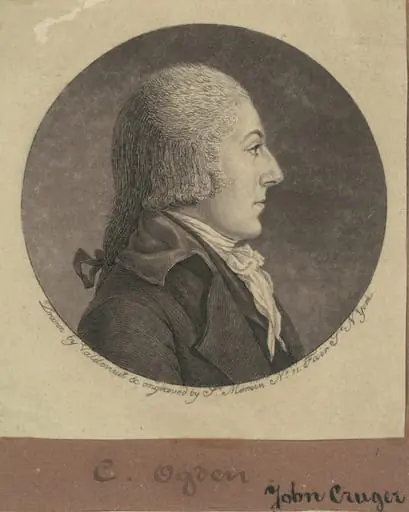
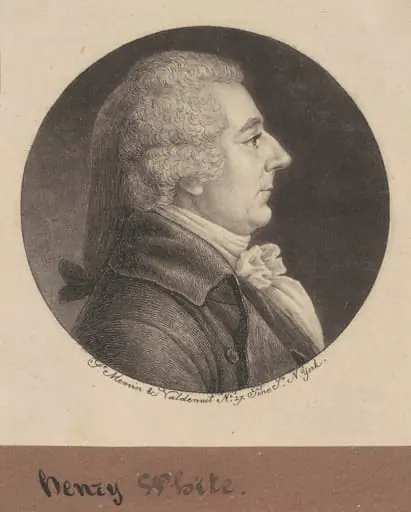
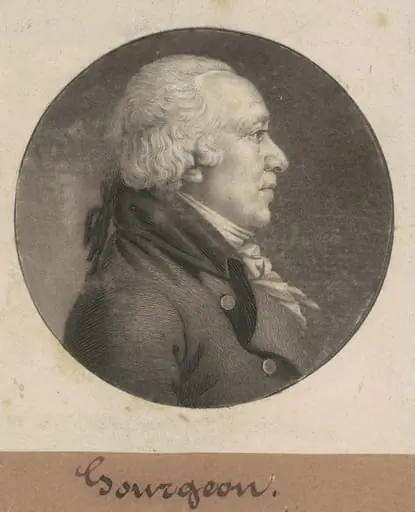
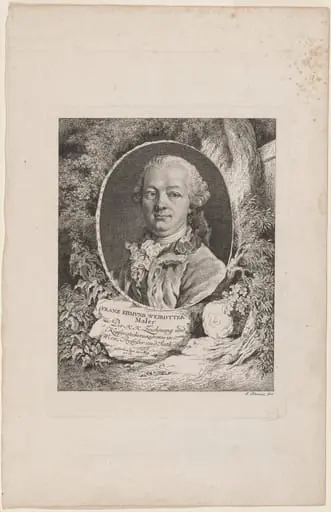
Portrait of a Man
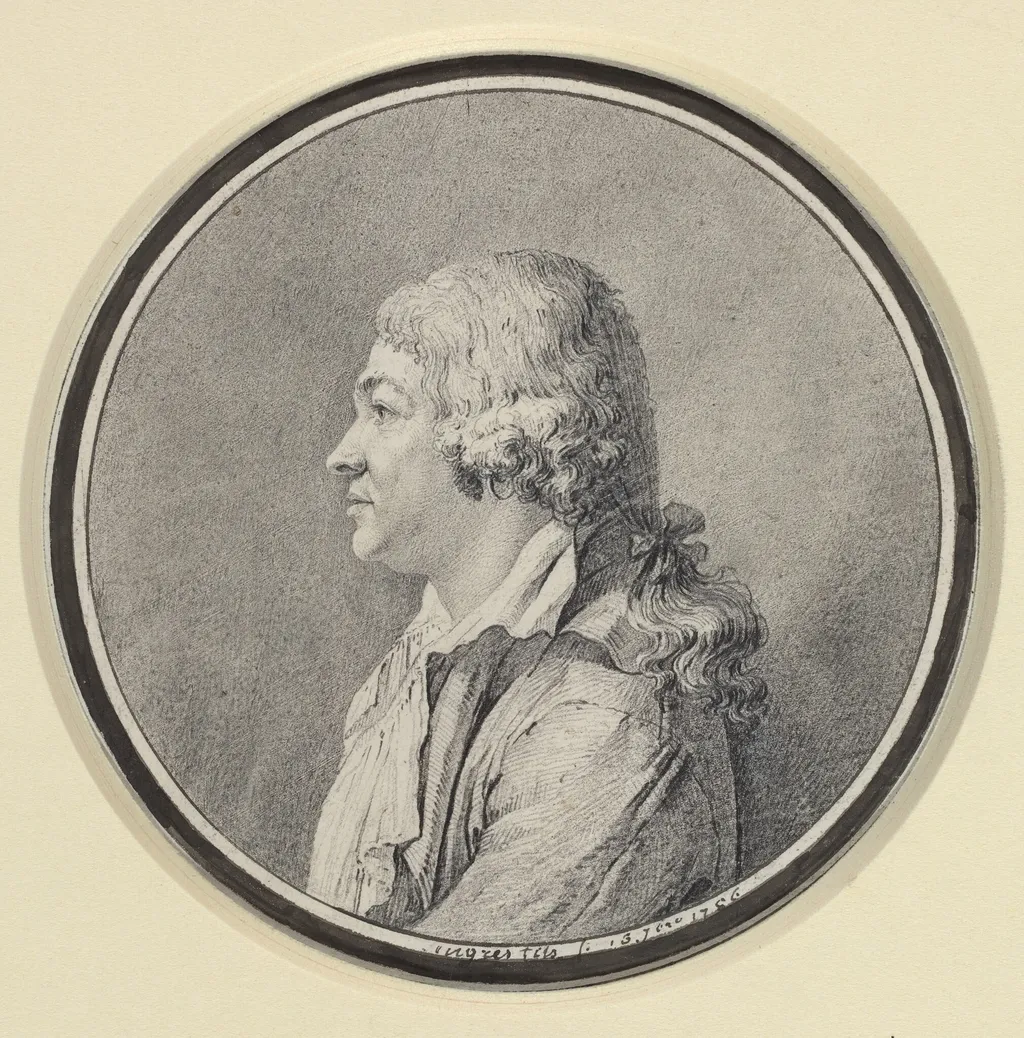
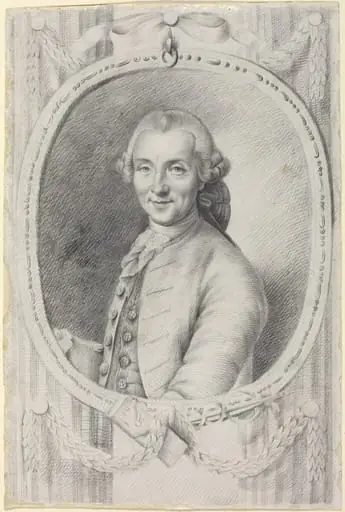
Portrait of a Man is an ink drawing by the Romanticist artist Jean Auguste Dominique Ingres. It dates from 1796 and is held in the collection of the National Gallery of Art.
About this work
Overview
Portrait of a Man, created in 1796, is a drawing by Jean-Auguste-Dominique Ingres, executed in graphite on parchment with enhancements of black ink and green watercolor in a decorative border.
Subject & Meaning
The subject is an unidentified male, portrayed in a style that reflects Ingres's adherence to Neoclassical ideals, emphasizing precision and linearity, characteristic of his approach to capturing individual likeness.
Technique & Style
Ingres employed a precise, linear graphite technique, supplemented by black ink for definition and green watercolor in the border, showcasing his mastery of draftsmanship within the Neoclassical tradition.
History & Provenance
Originally aspiring to be a history painter, Ingres's portraits, including this work, unexpectedly became pivotal in his legacy, with the piece dating back to 1796, early in his career.
Context
Created during a period when Romanticism was on the rise, this portrait stands as an example of Ingres's resistance to the trend, upholding instead the classical, academic artistic values of his time.
Legacy
The portrait's influence extends beyond its time, with Ingres's controlled, yet subtly distorted, form techniques later inspiring modern artists, notably Henri Matisse.
Artist & collection

Artist
Jean-Auguste-Dominique Ingres was a French Neoclassical painter. Ingres was profoundly influenced by past artistic traditions and aspired to become the guardian of academic orthodoxy against the ascendant Romantic…