Artwork
Albrecht V. Haller
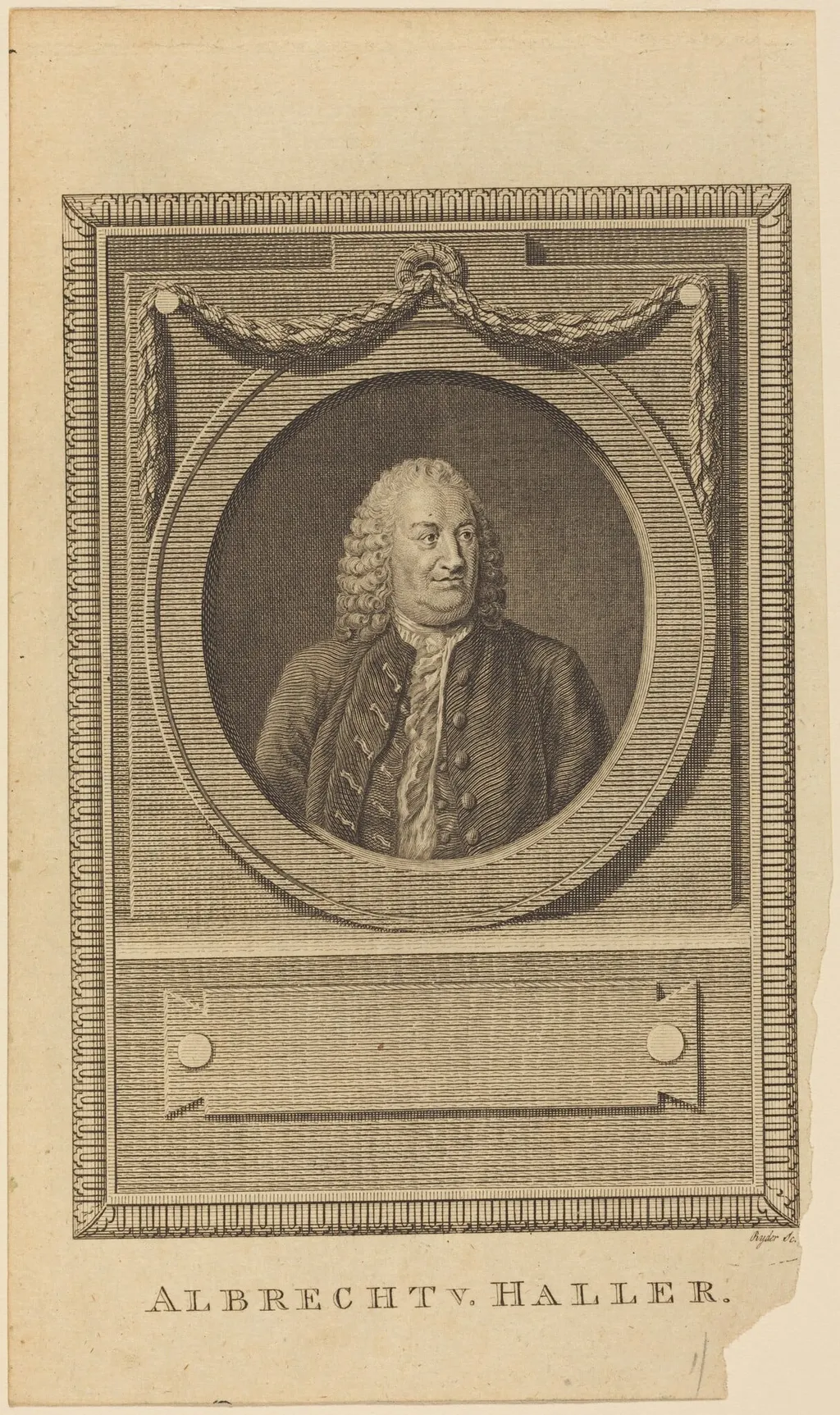
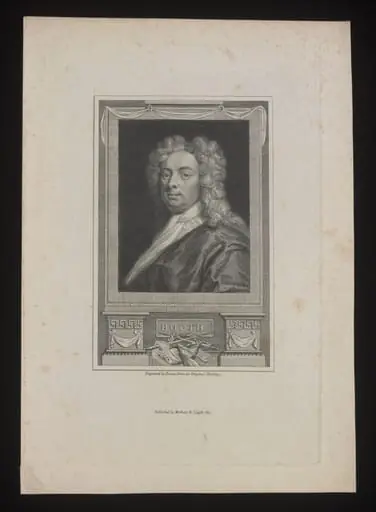
Albrecht V. Haller is an ink print by the Romanticist artist Thomas Ryder. It dates from 1780 and is held in the collection of the National Gallery of Art.
About this work
Overview
The work reflects the conventions of 18th-century scientific portraiture, emphasizing intellectual dignity through restrained composition and precise line work.
This print, created around 1780 by Thomas Ryder, depicts Albrecht von Haller, a Swiss anatomist and physiologist. Executed in etching and engraving, it presents a formal portrait in an oval composition, set within a rectangular border adorned with a rope-like motif. The work reflects the conventions of 18th-century scientific portraiture, emphasizing intellectual dignity through restrained composition and precise line work.
Subject & Meaning
Albrecht von Haller was a leading figure in 18th-century medicine, known for his research on irritability and sensibility in tissues. The portrait captures him with a composed expression and neatly curled hair, conveying scholarly authority. His dark jacket and light shirt suggest modest elegance, aligning with the era’s ideal of the enlightened natural philosopher—calm, observant, and intellectually grounded.
Technique & Style
Ryder employed fine etched lines and engraved details to render Haller’s features with clarity and texture. The oval format directs focus to the face, while the surrounding rope border adds structural framing without distraction. The tonal gradations in the hair and fabric are achieved through controlled hatching, typical of reproductive prints meant to disseminate likenesses of notable figures to a broader audience.
History & Provenance
The print was produced during a period when scientific figures were increasingly commemorated in visual form. Thomas Ryder, known for his reproductive engravings, likely created this based on an earlier painting or drawing. It circulated among academic circles and private collections, serving as both a tribute and a tool for promoting Haller’s reputation beyond printed texts.
Context
In the late 18th century, portraiture of scientists became more common as Enlightenment values elevated empirical knowledge. Haller’s image, like those of Linnaeus or Lavoisier, was reproduced to honor contributions to natural philosophy. The restrained aesthetic contrasts with later Romantic idealization, reflecting a preference for factual representation over emotional expression in scientific imagery.
Legacy
This engraving remains a documented representation of Haller, preserved in institutional collections and used in historical texts on medical science. While not widely known outside academic circles, it exemplifies how visual media helped cement the public identity of Enlightenment scholars, bridging the gap between scientific achievement and cultural memory.
Artist & collection


 Francois Verdier
 Robert Walpole, 1st Earl of Orford
 Ph. Cl. A. de Thubières, Comte de Caylus
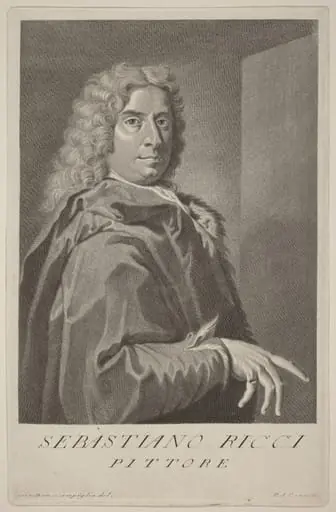 Sebastiano Ricci
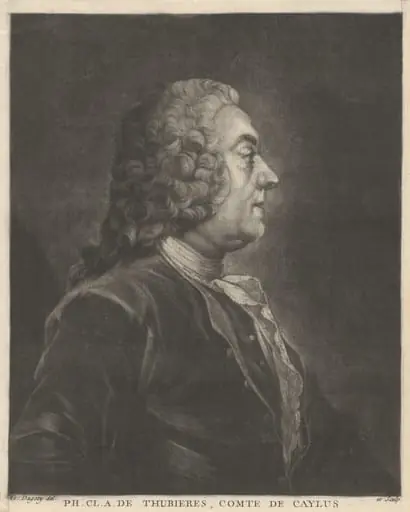 Ph. Cl. A. de Thubières, Comte de Caylus
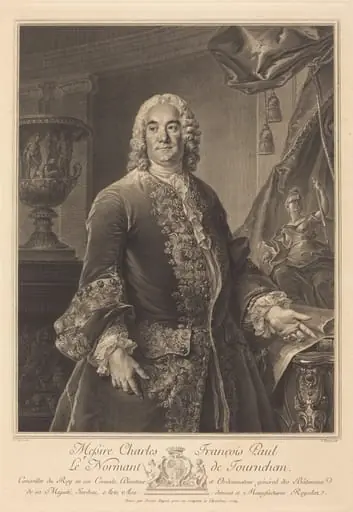 Charles Francois Paul Le Normant de Tournehem
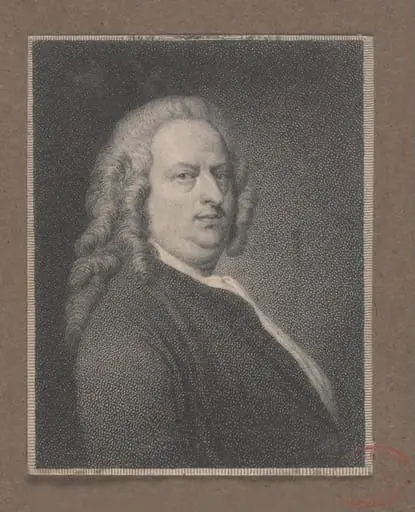 James Quin
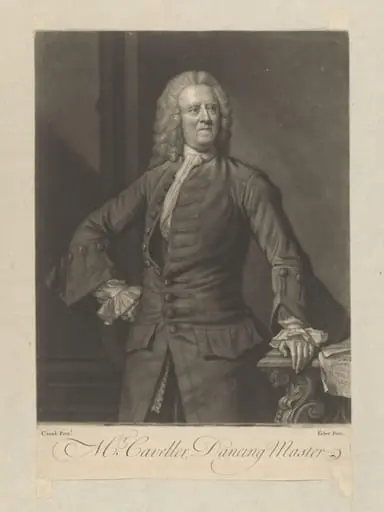 H Beard Print Collection
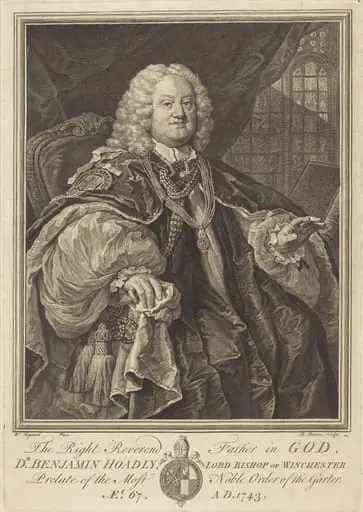 Bishop Hoadly
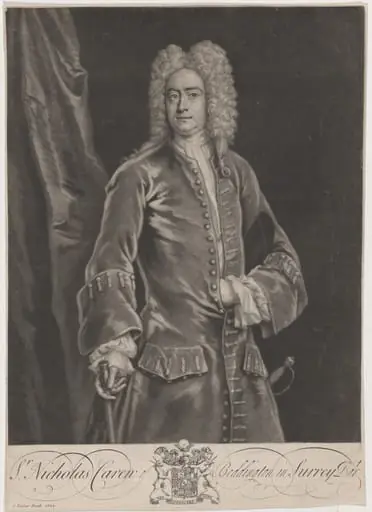 Sir Nicholas Caren of Beddington
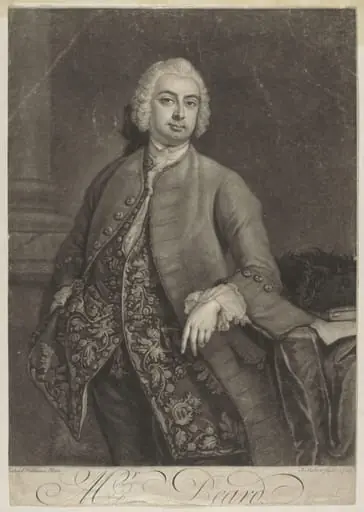 H Beard Print Collection
 H Beard Print Collection