Artwork
The Beheading of St. John the Baptist
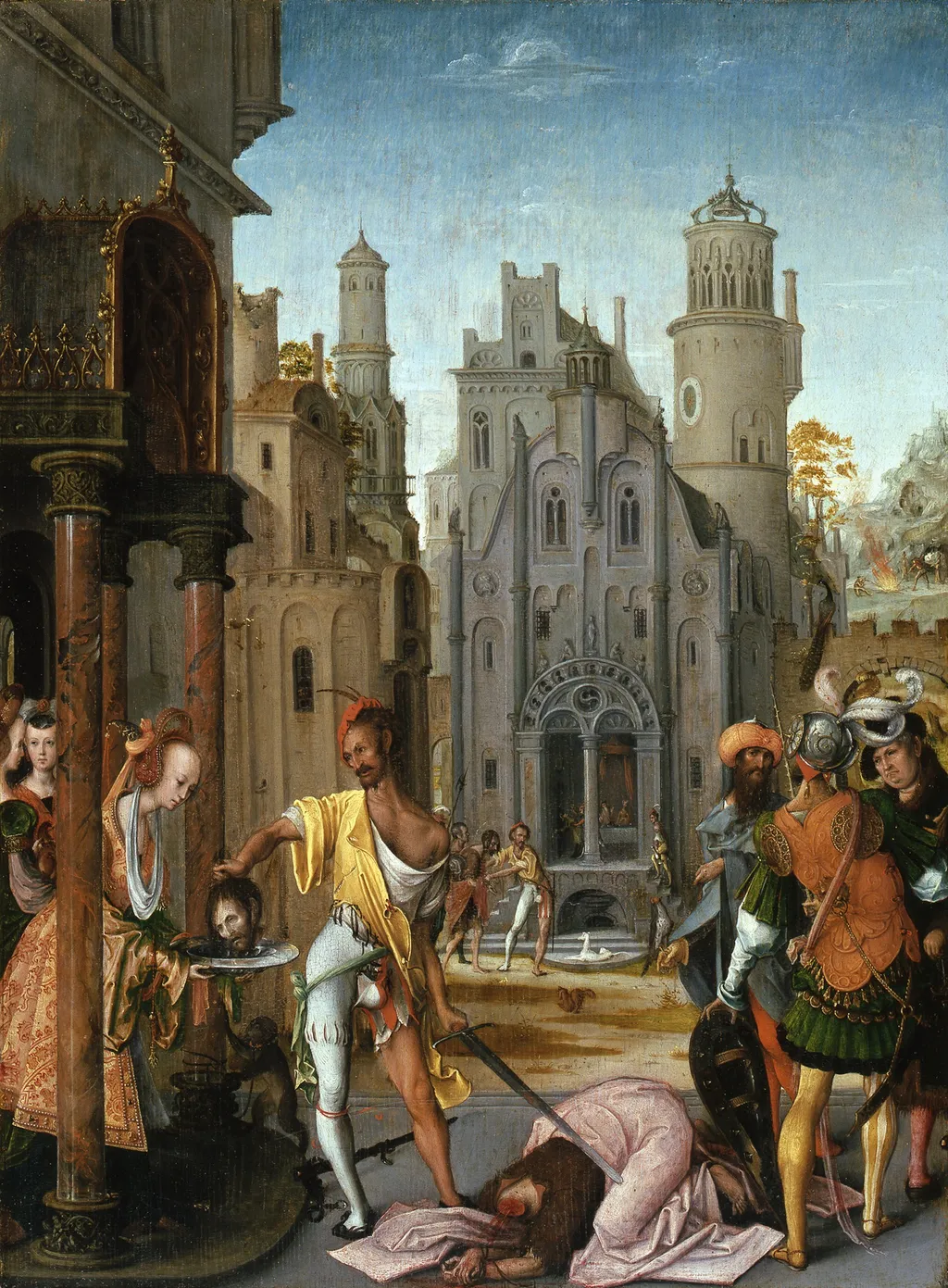
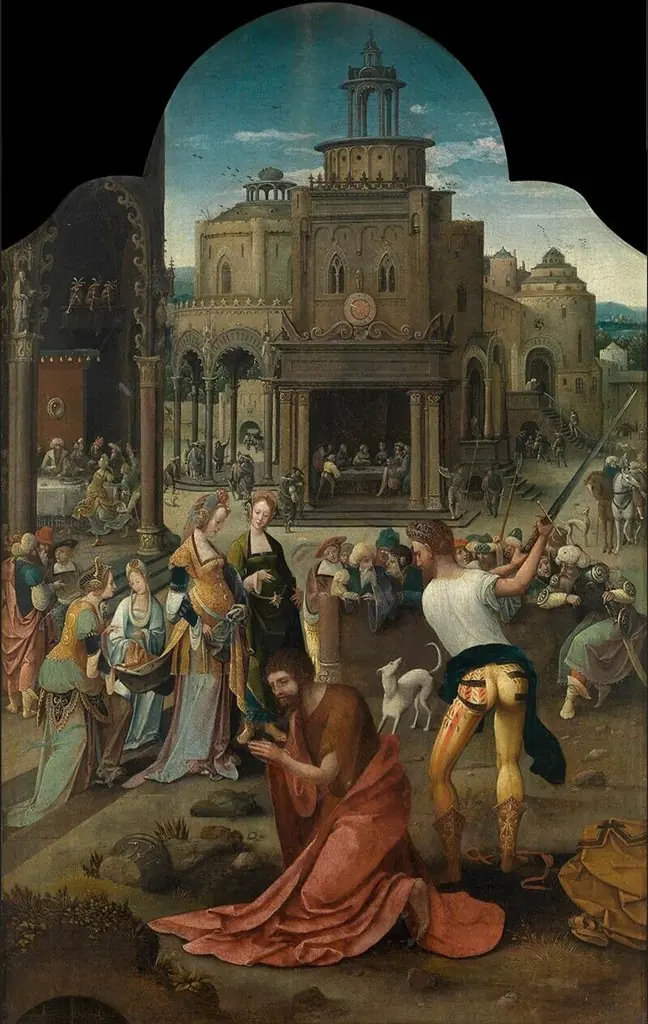
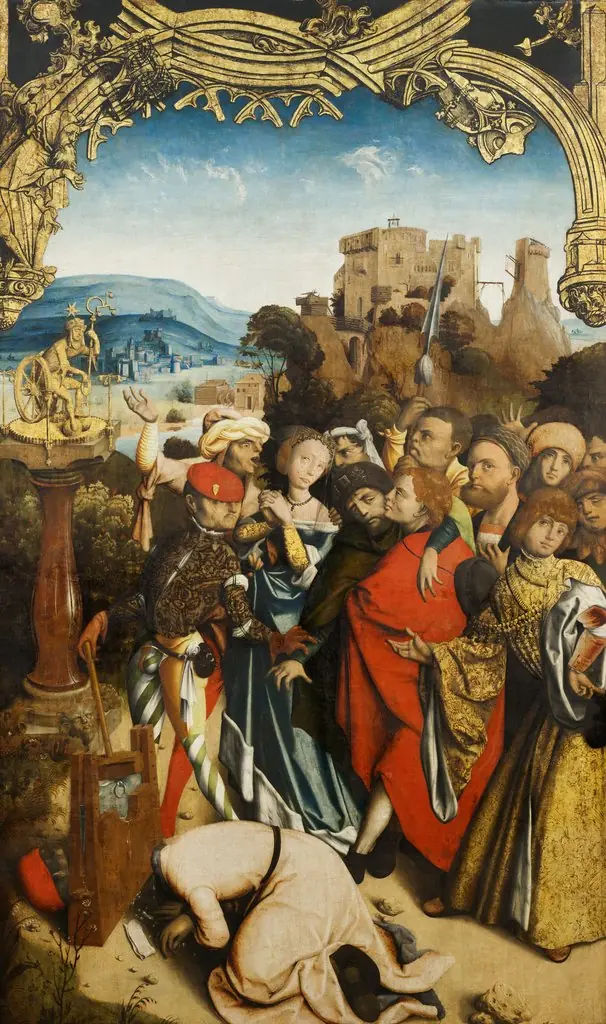
The Beheading of St. John the Baptist is an oil painting by the Mannerist artist Q134489705. It dates from 1520 and is held in the collection of the Gemäldegalerie Berlin. This painting depicts the execution of St.
About this work
Overview
The palette is restrained, dominated by earth tones and muted grays, emphasizing gravity over spectacle.
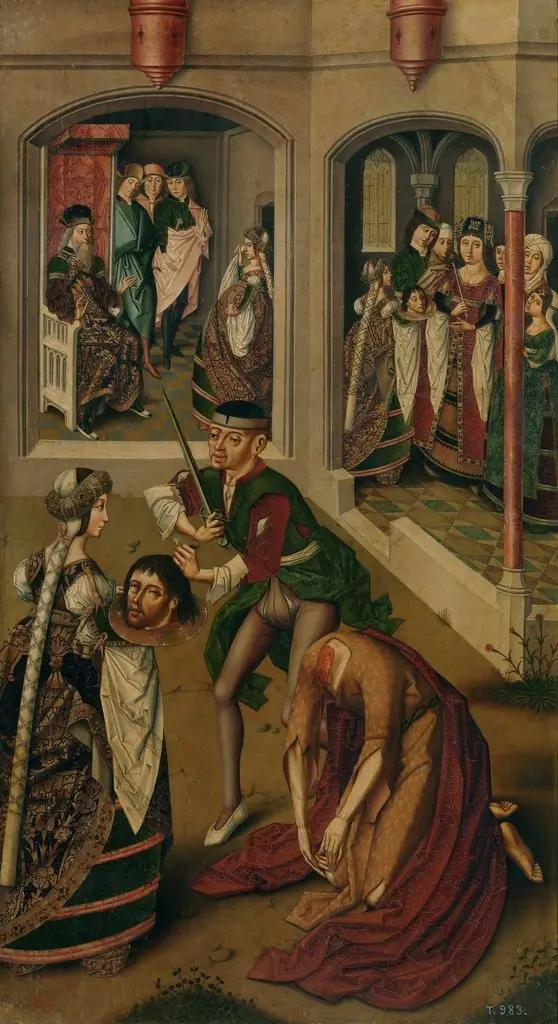
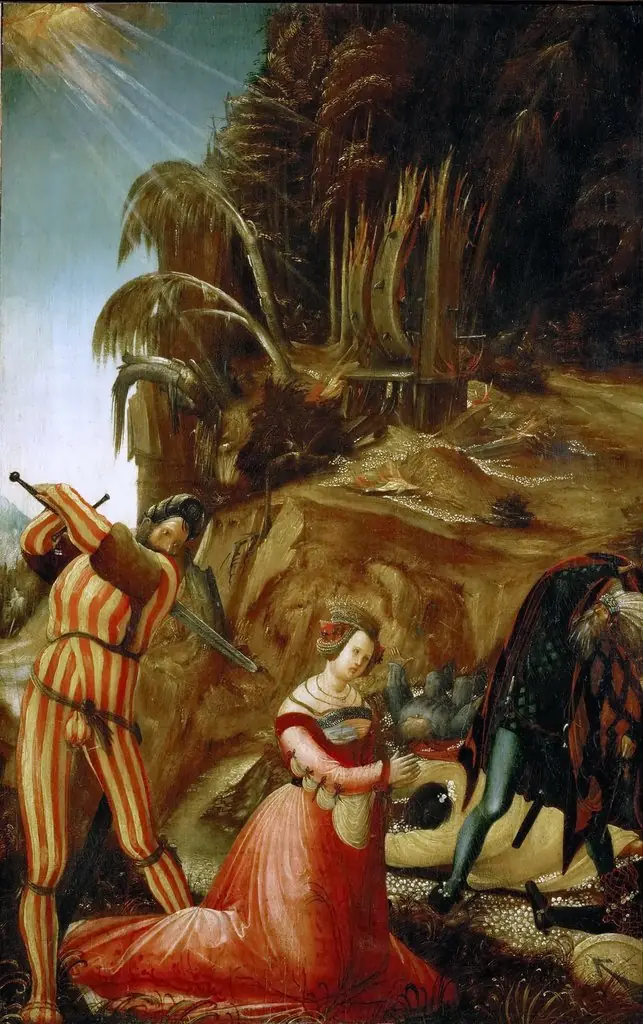
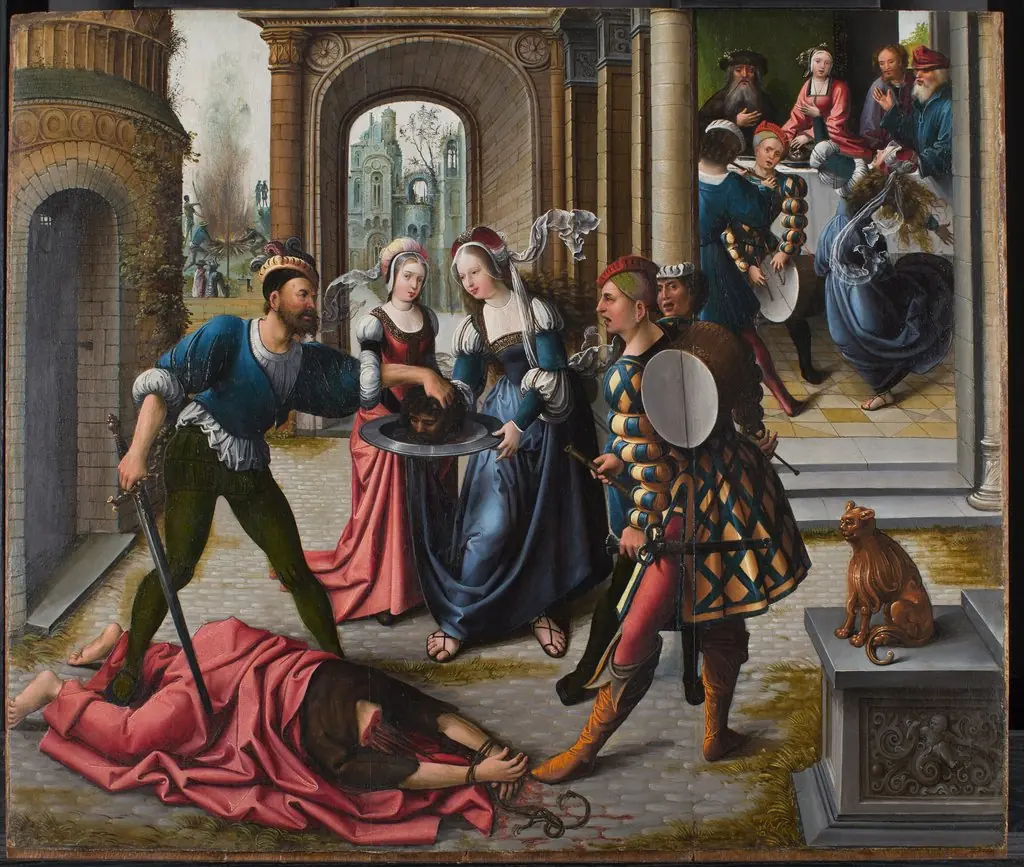
This painting depicts the execution of St. John the Baptist, a moment described in the Gospels when he was beheaded at the request of Salome. The scene unfolds before a grand architectural structure, surrounded by onlookers. The palette is restrained, dominated by earth tones and muted grays, emphasizing gravity over spectacle. The composition centers on the act of decapitation and its immediate aftermath, with quiet intensity.
Subject & Meaning
The painting illustrates the martyrdom of John the Baptist, a pivotal event in Christian tradition. His serene expression amid violence suggests spiritual composure and acceptance of divine will. In contrast, the expressions of the spectators range from shock to indifference, highlighting the moral dissonance between the sacred and the worldly. The plate bearing his head underscores the transactional nature of his death, tied to political intrigue.
Technique & Style
The artist employs a subdued color scheme to heighten the somber mood, avoiding vivid contrasts in favor of tonal harmony. Brushwork is controlled, with attention to the textures of fabric, stone, and skin. The figures are arranged to guide the viewer’s eye toward the central act, while the architectural backdrop provides structural weight. The calm face of the saint introduces a psychological counterpoint to the surrounding turmoil.
History & Provenance
The painting’s early ownership is undocumented, but its style and subject align with devotional works produced in the late 16th or early 17th century. It likely originated in a region with strong Catholic traditions, where narratives of martyrdom were commonly depicted in churches and private chapels. Its survival suggests it was preserved within a religious or aristocratic collection, though its specific provenance remains unverified.
Context
During the period when this work was made, depictions of St. John’s beheading were common in Counter-Reformation art, intended to reinforce themes of faith under persecution. The inclusion of a crowd reflects contemporary interest in public spectacle and moral witness. The restrained palette and psychological focus distinguish it from more theatrical Baroque treatments, suggesting a regional or personal artistic preference.
Legacy
This painting contributes to a broader tradition of religious narrative art that prioritizes inner stillness over external drama. While not widely reproduced or studied, its quiet intensity offers a counterpoint to more flamboyant renditions of the same subject. Its preservation allows for continued reflection on the representation of martyrdom, violence, and spiritual resolve in visual culture.
Artist & collection
Artist
This artist painted large religious scenes in the 1500s, centered on dramatic biblical moments.

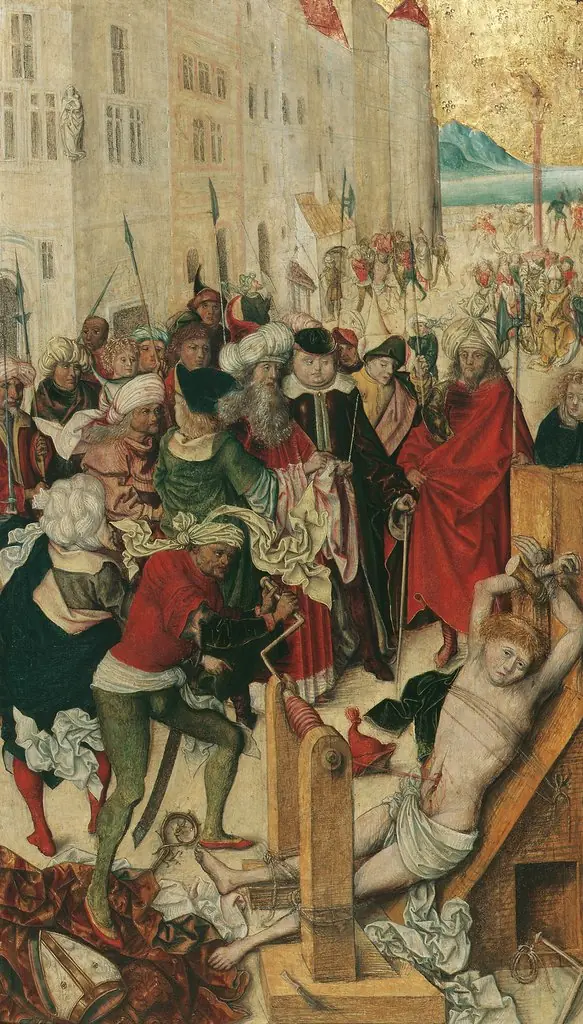 Martyrdom of St. Erasmus
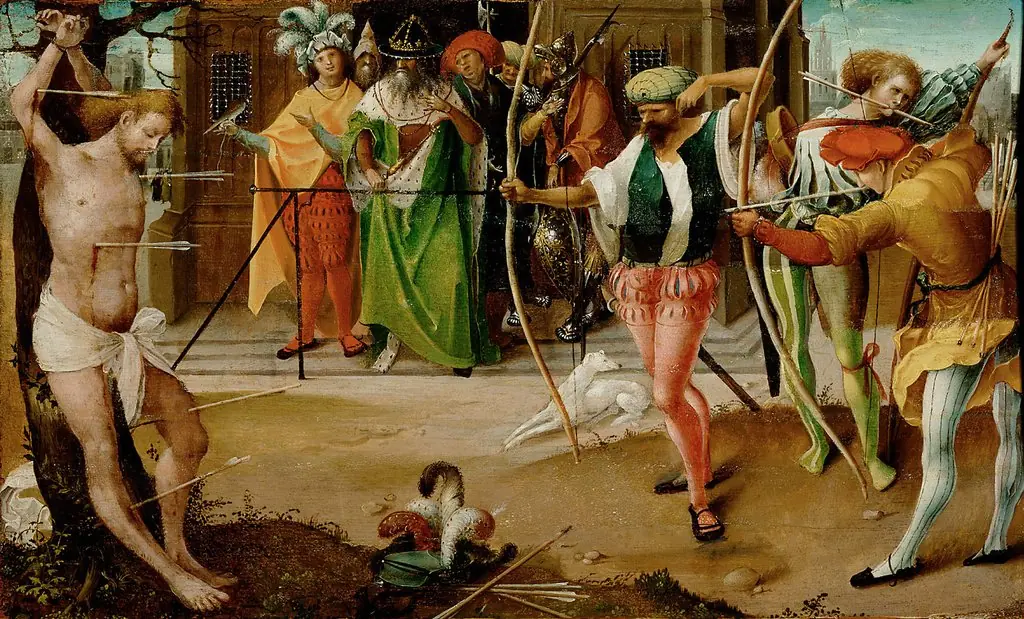 Marter des Hl. Sebastian
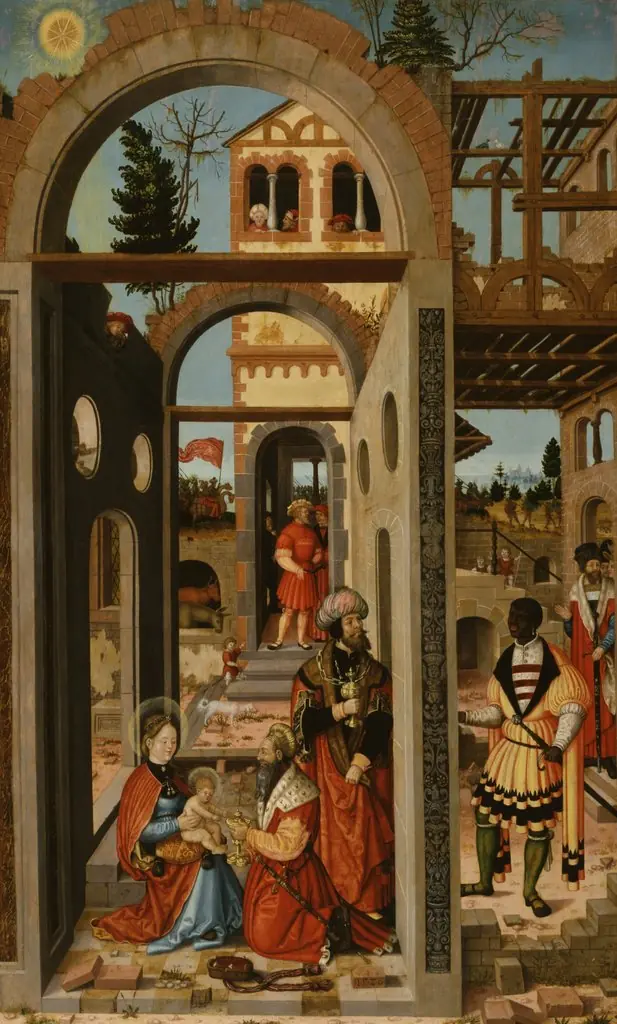 Adoration of the Three Kings
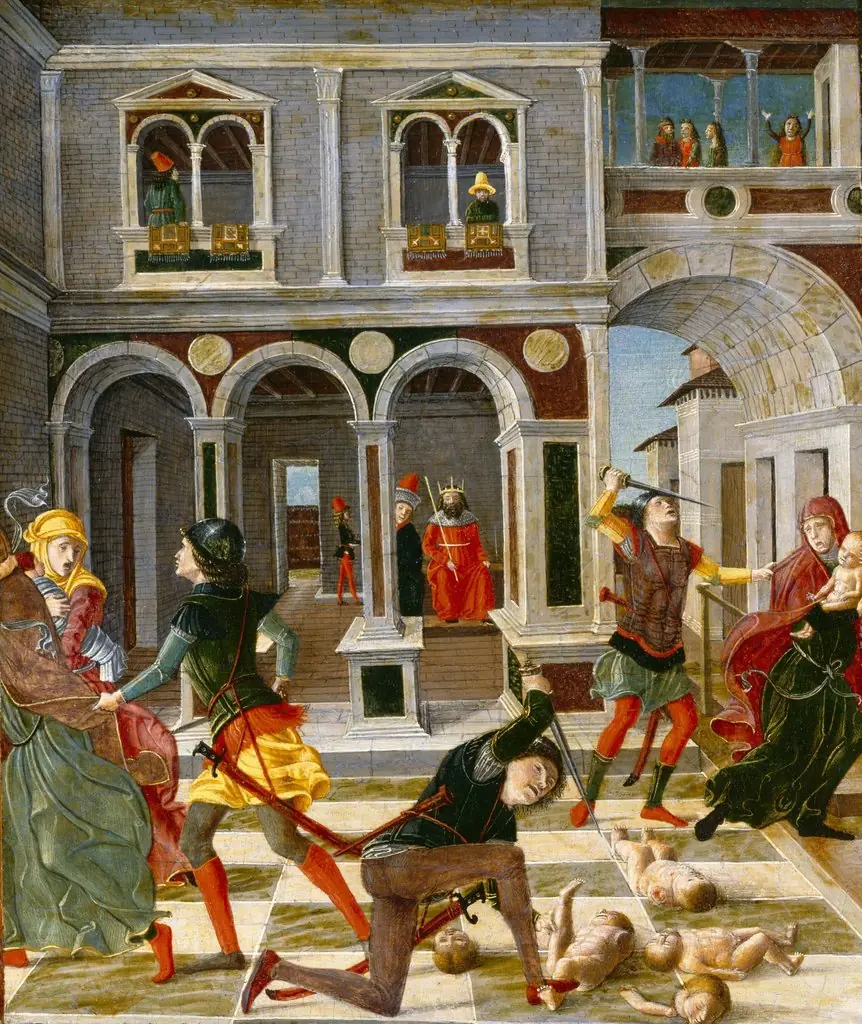 The Massacre of The Innocents
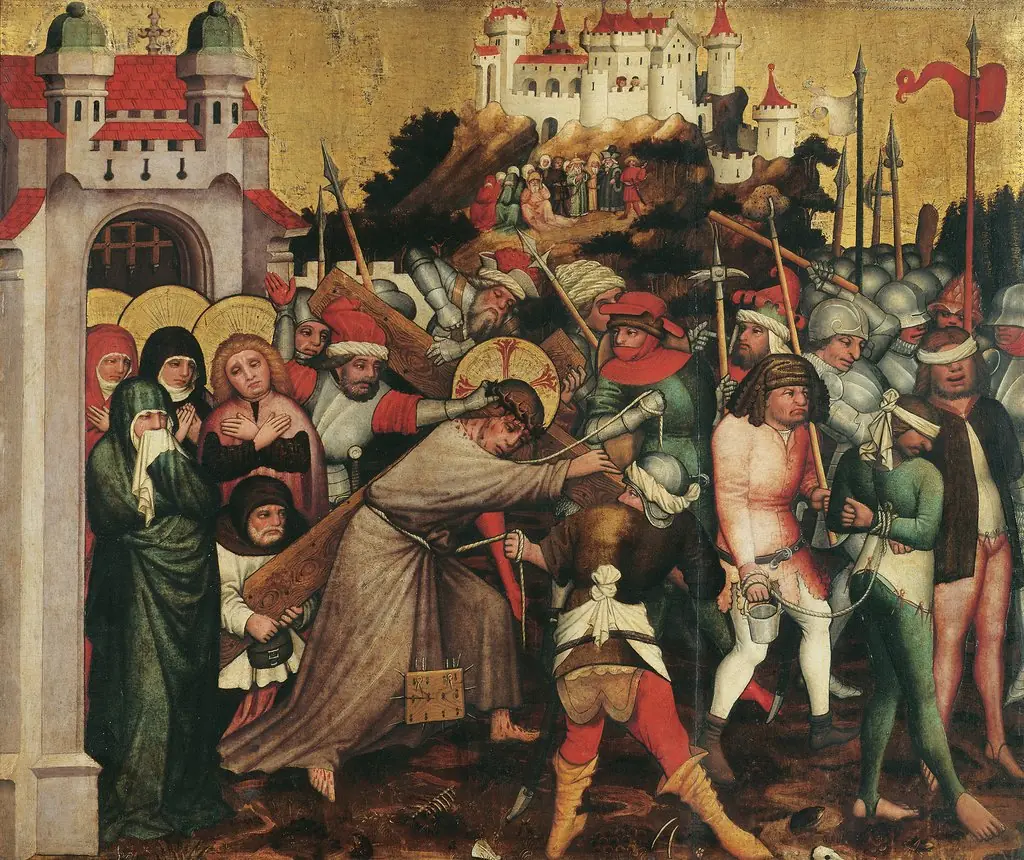 Christ carrying the cross
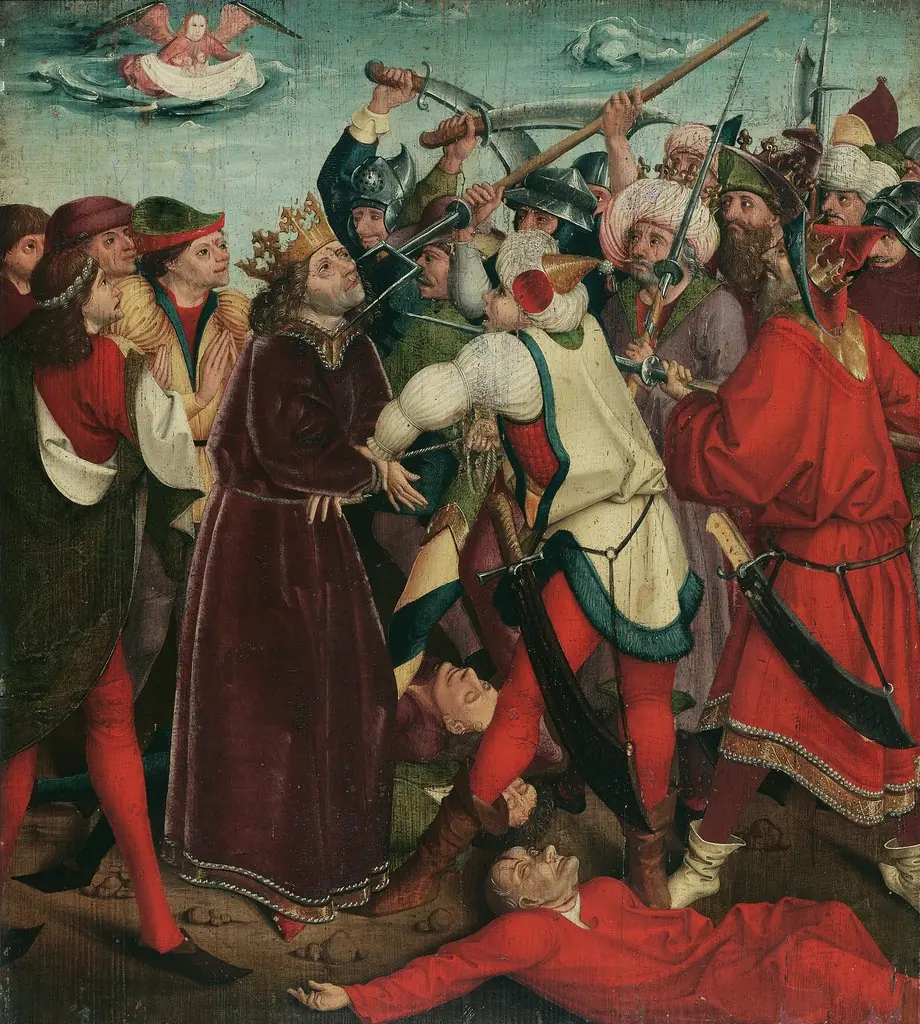 Martyrium des hl. Oswald in der Schlacht
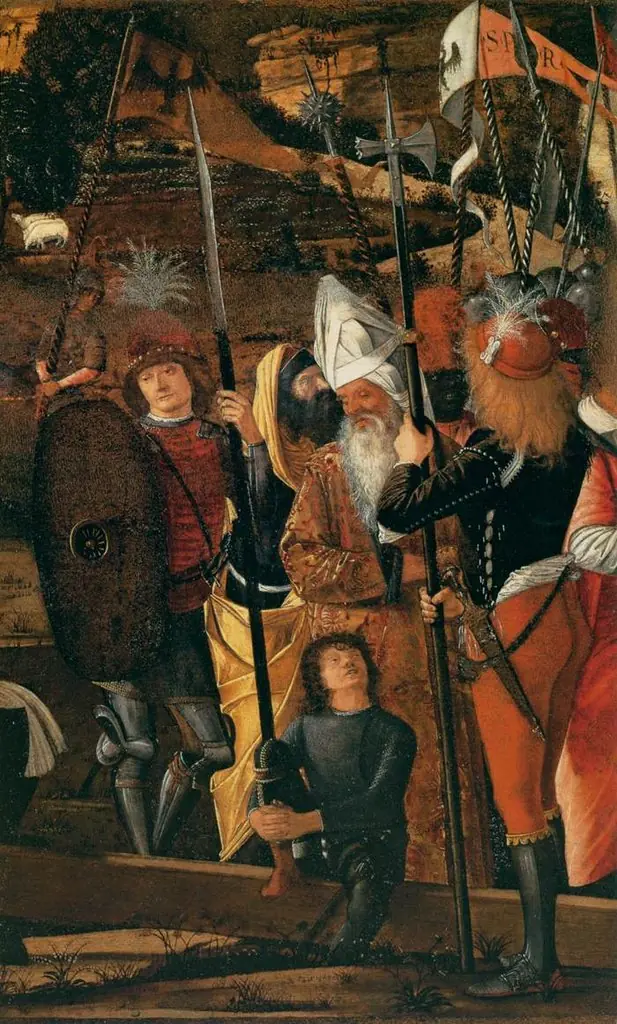 Group of Soldiers and Men in Oriental Costume
 Martyrium der hll. Cantius, Cantianus und Cantianilla (Innenseite); Auferstehung Christi (Außenseite)