Artwork
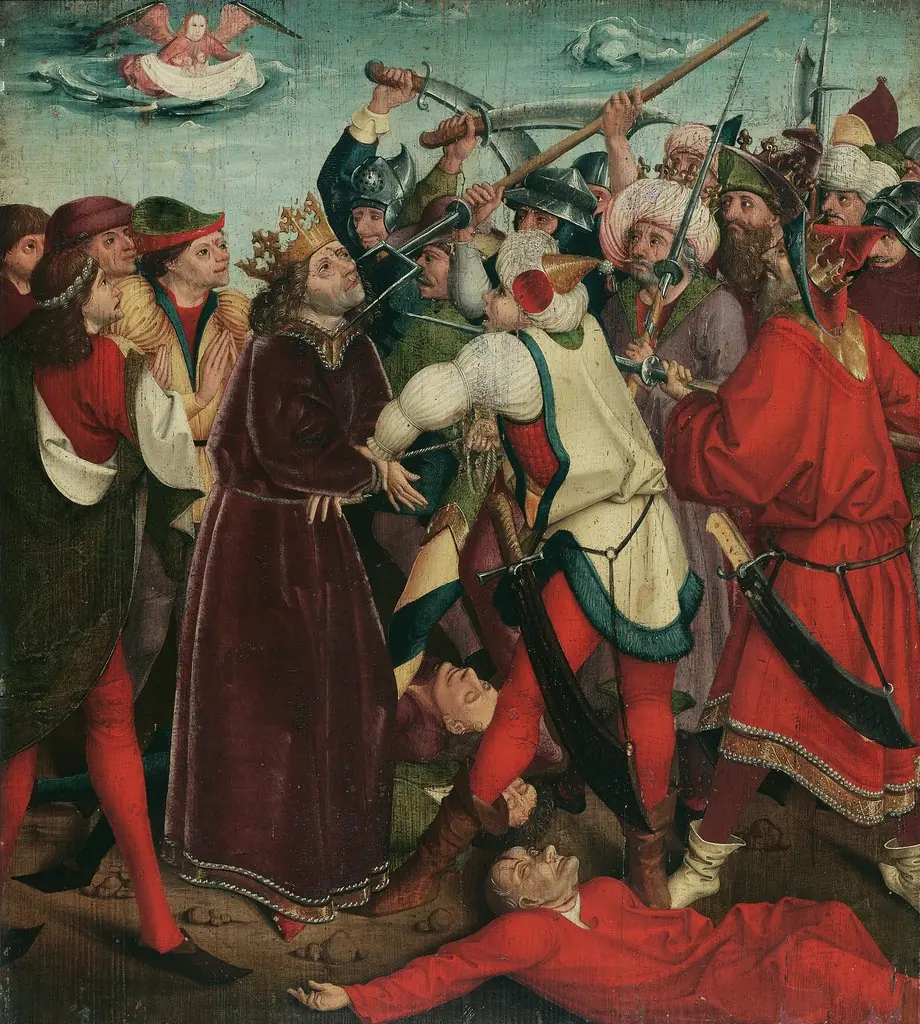
Martyrdom of St. Erasmus
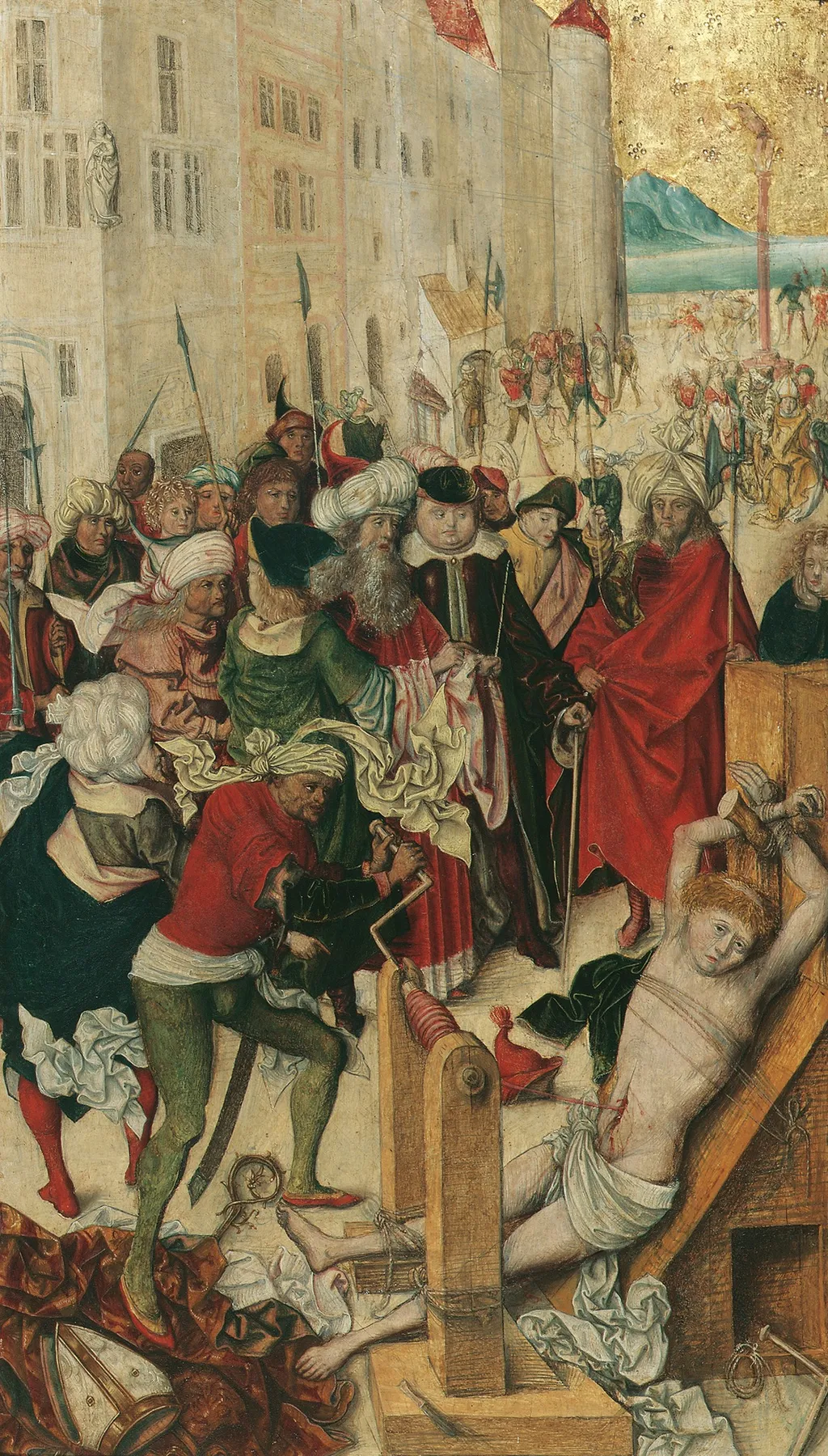
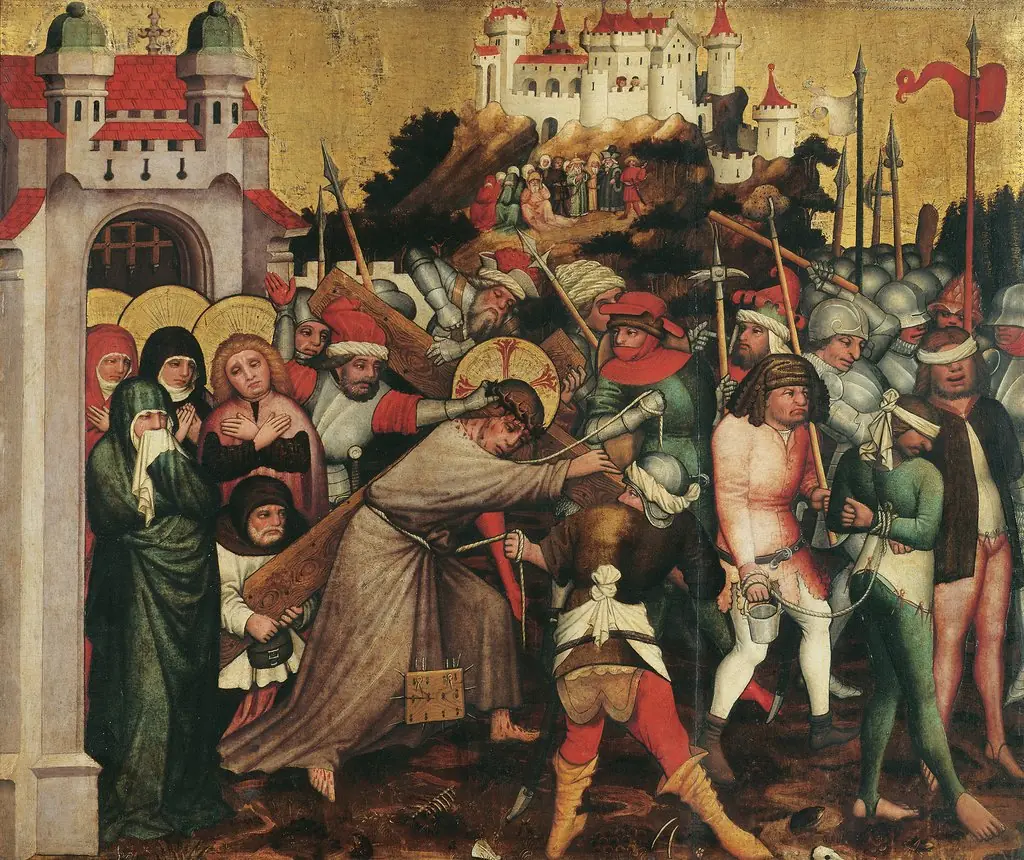
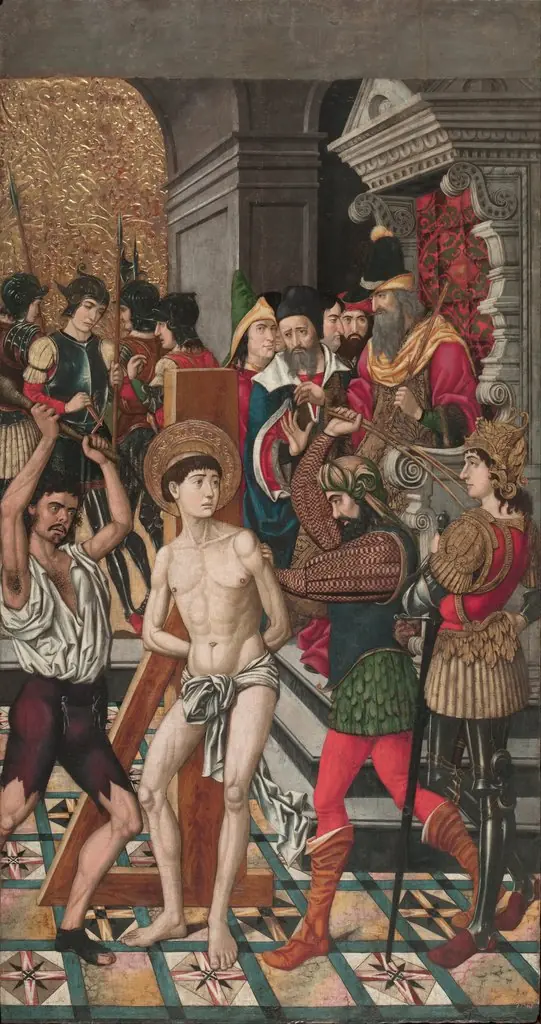
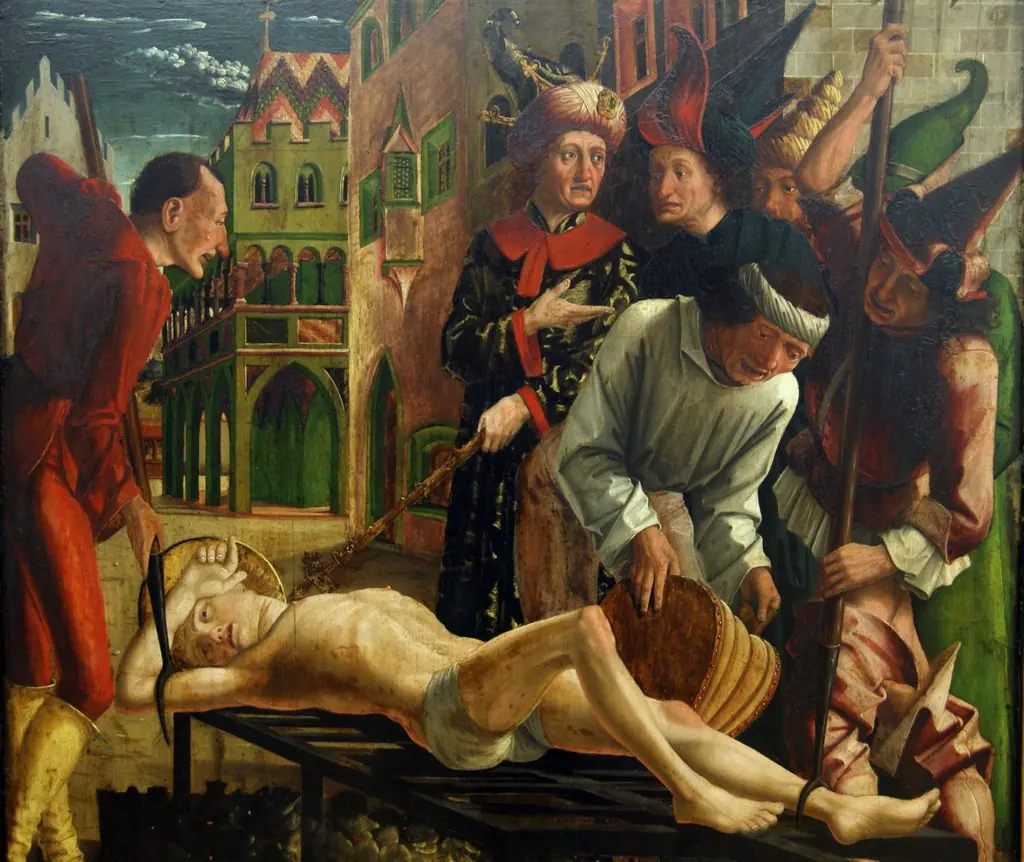
Martyrdom of St. Erasmus is an oil painting by the Northern Renaissance artist Master of the Martyrs of Saints. It dates from 1500 and is held in the collection of the Kunsthistorisches Museum. Created around the year 1500, the oil painting known as *Martyrdom of St.
About this work
Overview
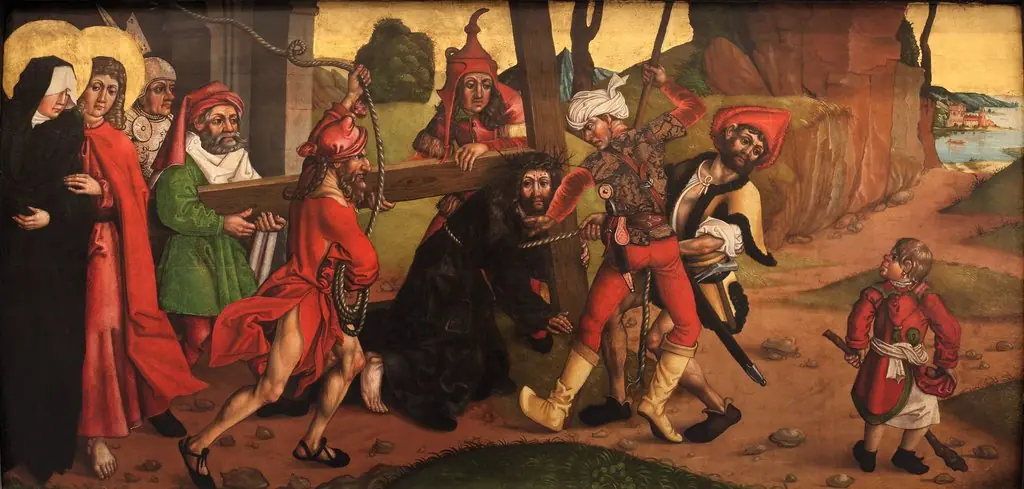
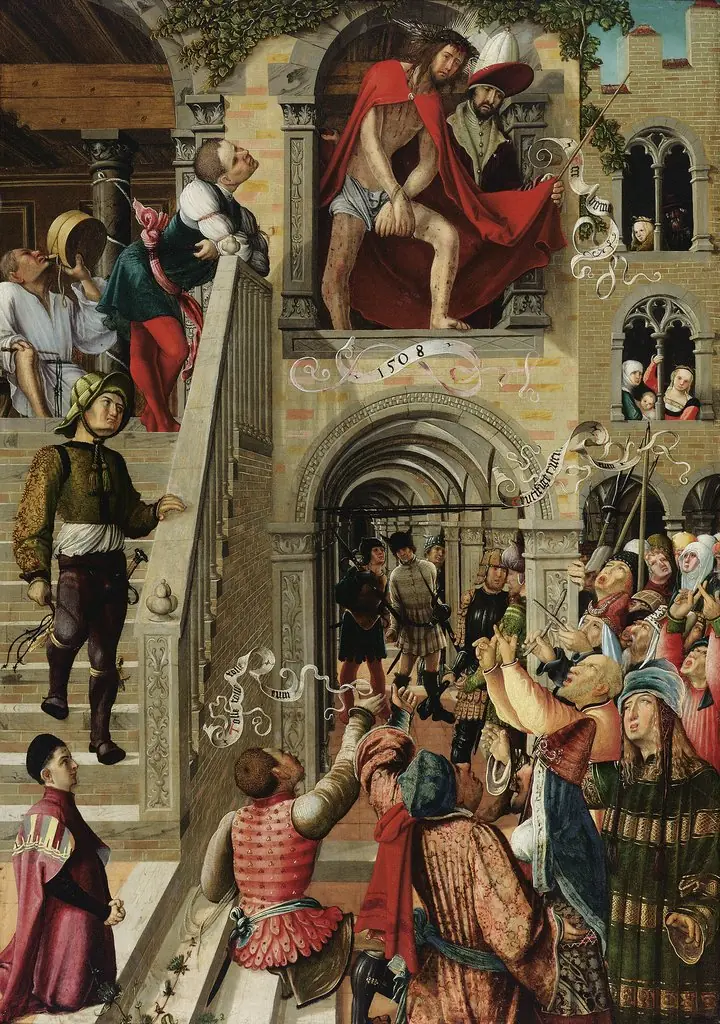
Created around the year 1500, the oil painting known as *Martyrdom of St. Erasmus* is attributed to the anonymous workshop identified as the Master of the Martyrs of Saints. The work is part of the collection of Vienna’s Kunsthistorisches Museum, where it is displayed among other early‑sixteenth‑century religious compositions.
Subject & Meaning
Surrounding figures in contemporary Renaissance dress observe the scene, their varied expressions suggesting a mixture of curiosity, reverence, and dread.
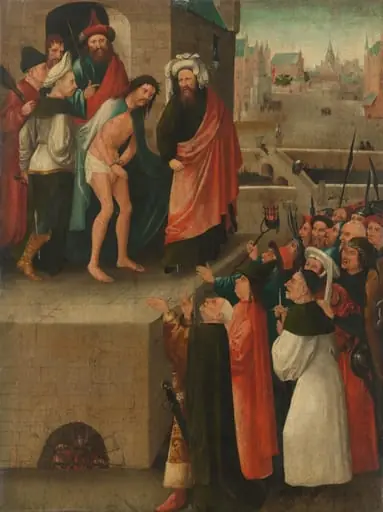
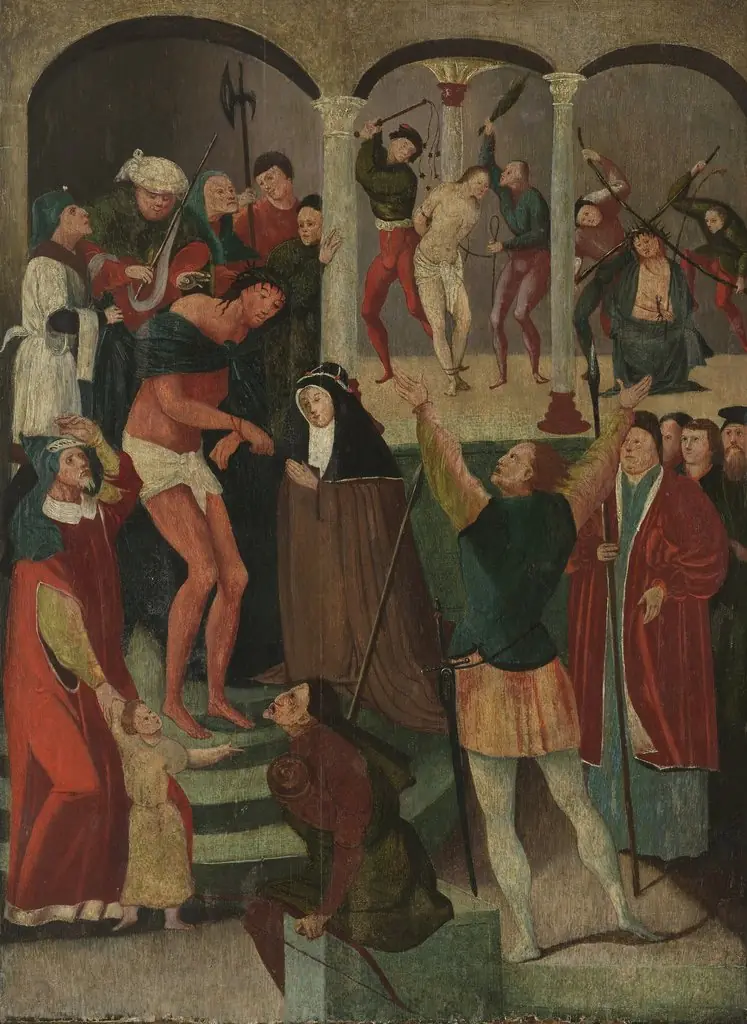
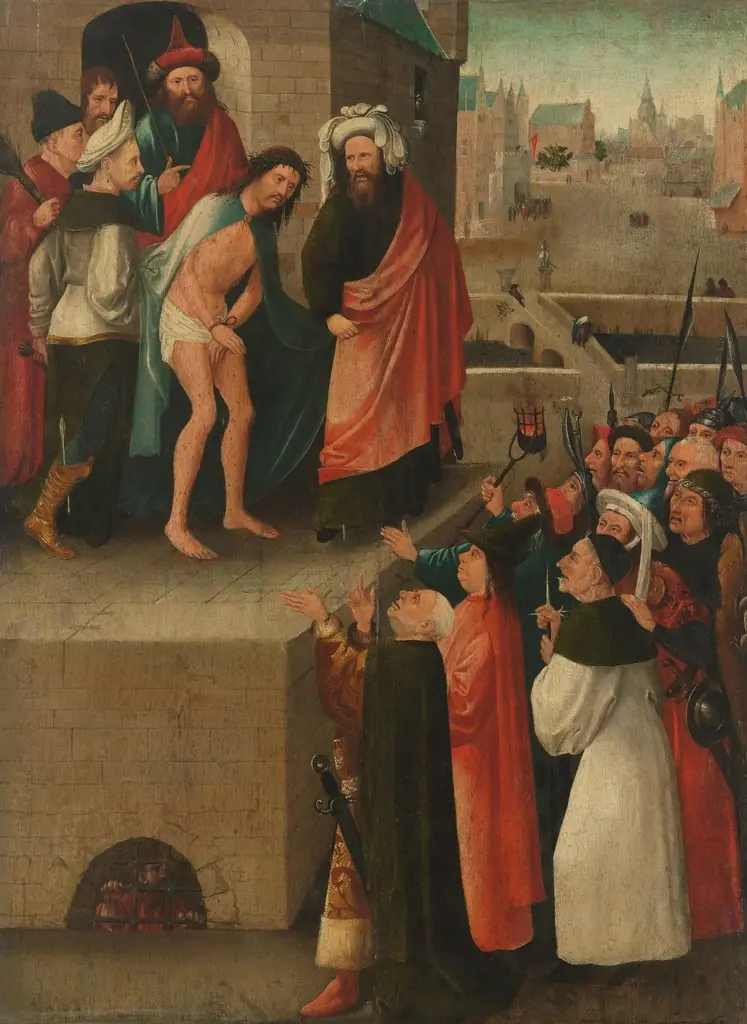
The canvas portrays the legendary torture of Saint Erasmus, shown nude and bound to a wooden instrument that forces his limbs into an anguished twist. Surrounding figures in contemporary Renaissance dress observe the scene, their varied expressions suggesting a mixture of curiosity, reverence, and dread. The composition emphasizes the saint’s physical suffering as a visual meditation on faith and sacrifice.
Technique & Style
Employing a pronounced chiaroscuro, the artist models the central figure with strong contrasts of light and shadow, giving the body a three‑dimensional presence against a darker backdrop. The surrounding crowd is rendered with finer brushwork, while the distant cityscape and distant mountains provide atmospheric depth, demonstrating the painter’s skill in integrating narrative detail with spatial illusion.
History & Provenance
Since its early modern origins, the painting has remained in Central European collections, eventually entering the holdings of the Kunsthistorisches Museum. Documentation traces its acquisition to the museum’s 19th‑century expansion of the Renaissance department, where it has been conserved and studied as a representative work of the Master of the Martyrs of Saints.
Artist & collection