Artwork
Group of Soldiers and Men in Oriental Costume
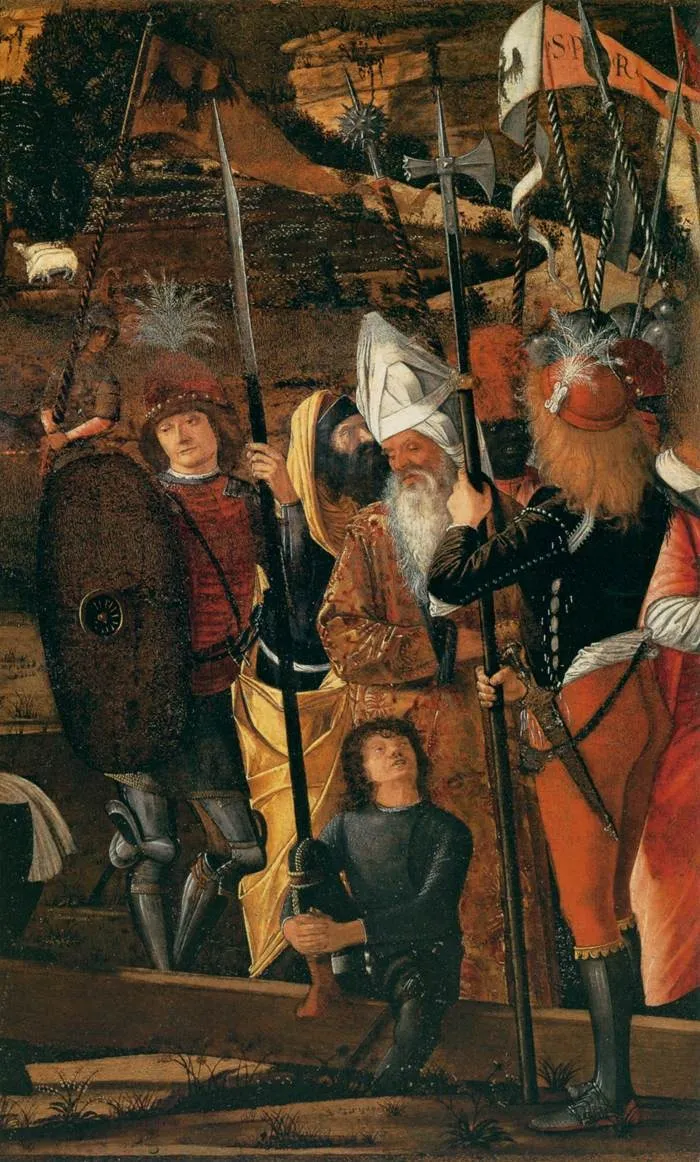
Group of Soldiers and Men in Oriental Costume is a tempera painting by the Early Renaissance artist Vittore Carpaccio. It dates from 1496 and is held in the collection of the Uffizi Gallery.
About this work
Overview
The composition emphasizes the contrast between the varied costumes and the subdued earth‑tone palette.
Created in 1496, this tempera panel by Venetian painter Vittore Carpaccio depicts a gathering of armed figures dressed in a mixture of European armor and Eastern-inspired garments. The central figure, distinguished by a white turban and robe, is surrounded by men bearing swords, spears, and helmets, set against a modest landscape of trees and rocky outcrops. The composition emphasizes the contrast between the varied costumes and the subdued earth‑tone palette.
Subject & Meaning
The work presents a heterogeneous troop, likely intended to illustrate the presence of foreign mercenaries or exotic visitors within a Venetian context. The juxtaposition of armor and Oriental dress reflects contemporary fascination with the East and the city’s role as a crossroads of trade and military alliances. While no specific narrative is identified, the grouping suggests themes of cultural encounter and the display of martial readiness.
Technique & Style
Executed in tempera, the painting achieves fine detail and a matte surface through layered pigment and egg‑yolk binder. Carpaccio’s handling reveals his characteristic precision in architectural elements and a controlled use of color, favoring muted ochres and browns that lend the scene a tangible texture. The figures are rendered with clear outlines and modest modeling, aligning with early Renaissance interests in spatial clarity and narrative clarity.
History & Provenance
The panel was produced during Carpaccio’s early mature period, after his apprenticeship with Gentile Bellini and under the influence of Antonello da Messina and Northern European painting. It entered the collection of the Uffizi Gallery in Florence, where it remains on display. Its presence in the museum reflects the broader acquisition of Venetian Renaissance works by Florentine institutions in the 18th and 19th centuries.
Context
At the close of the 15th century, Venice was expanding its maritime empire and encountering diverse peoples, a reality often reflected in its visual culture. Carpaccio’s interest in detailed costume and foreign motifs corresponds with contemporary civic commissions that celebrated the city’s cosmopolitan character and military exploits, situating this panel within a larger narrative of Venetian self‑representation.
Artist & collection
Artist
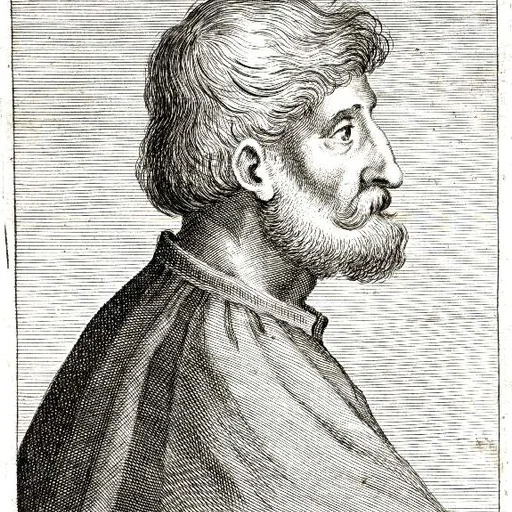
Vittore Carpaccio (UK: kar-PATCH-ee-oh, US: -PAHTCH-, Italian: ; c. 1460/65 – c. 1525) was an Italian painter of the Venetian school who studied under Gentile Bellini. Carpaccio was largely influenced by the style of…

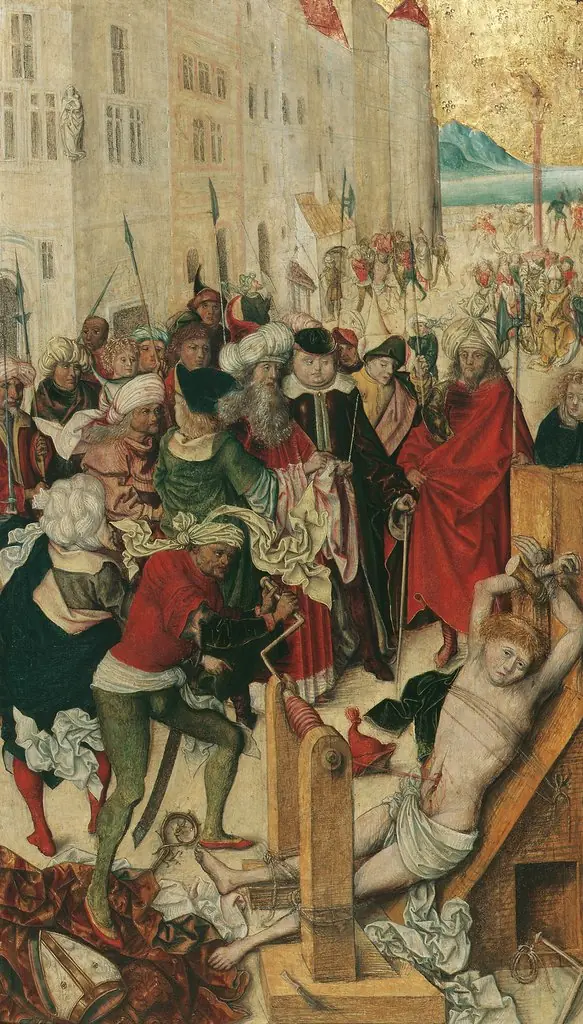 Martyrdom of St. Erasmus
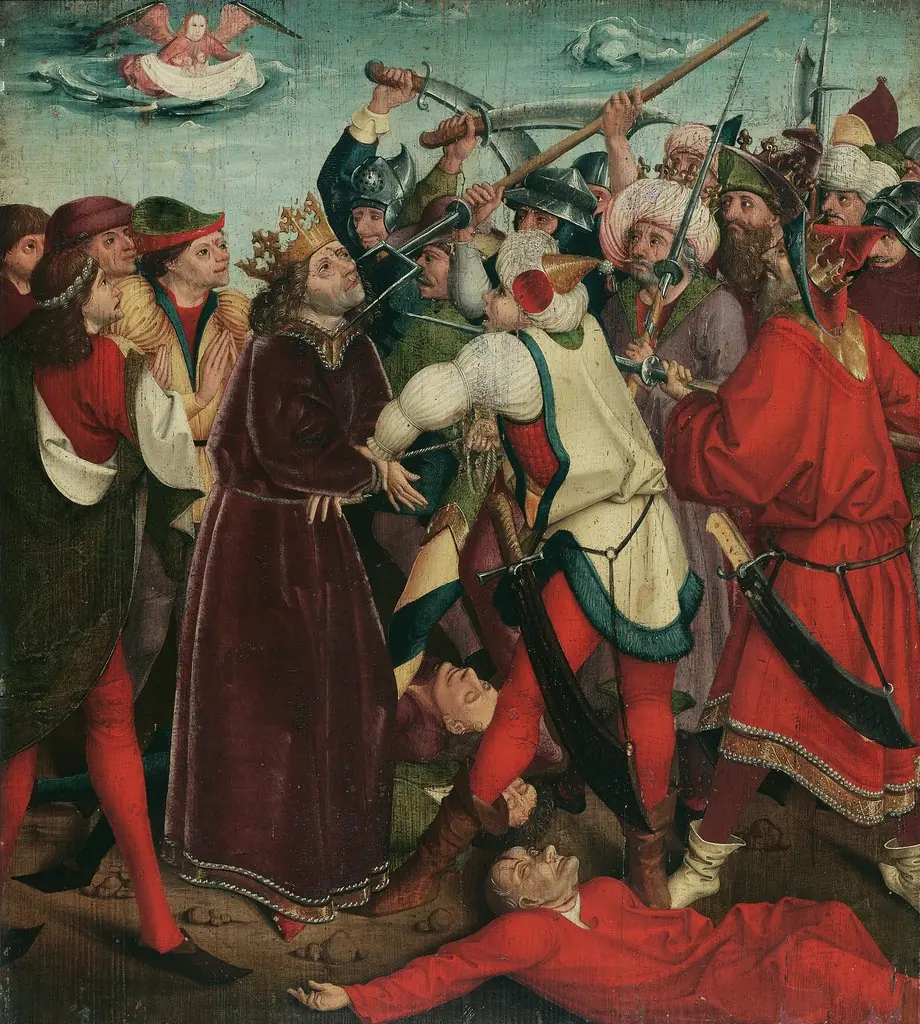 Martyrium des hl. Oswald in der Schlacht
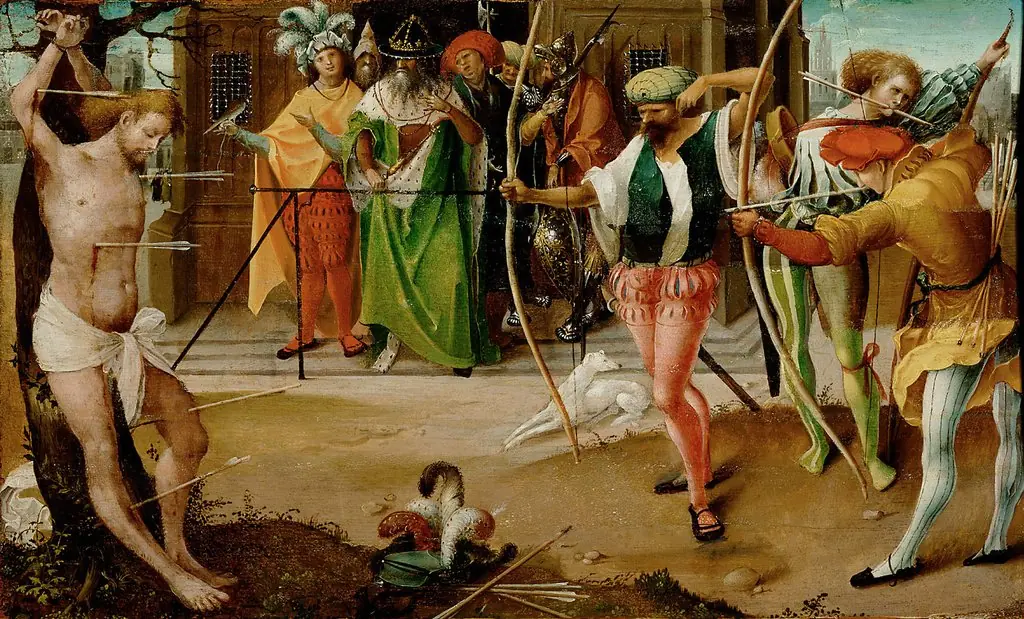 Marter des Hl. Sebastian
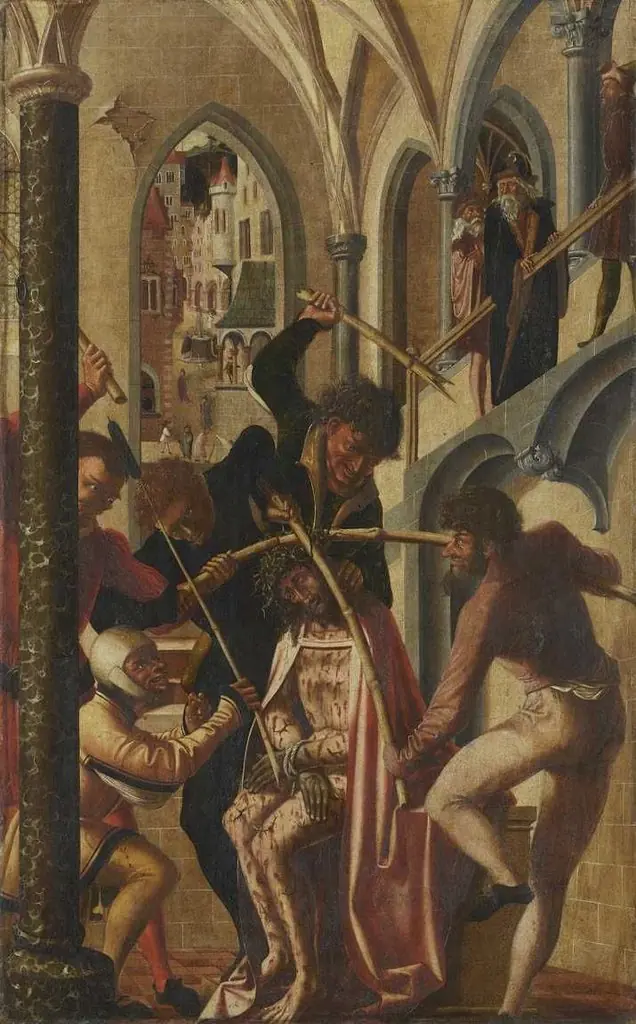 Jakobus-Stephanus-Altar: Dornenkrönung Christi
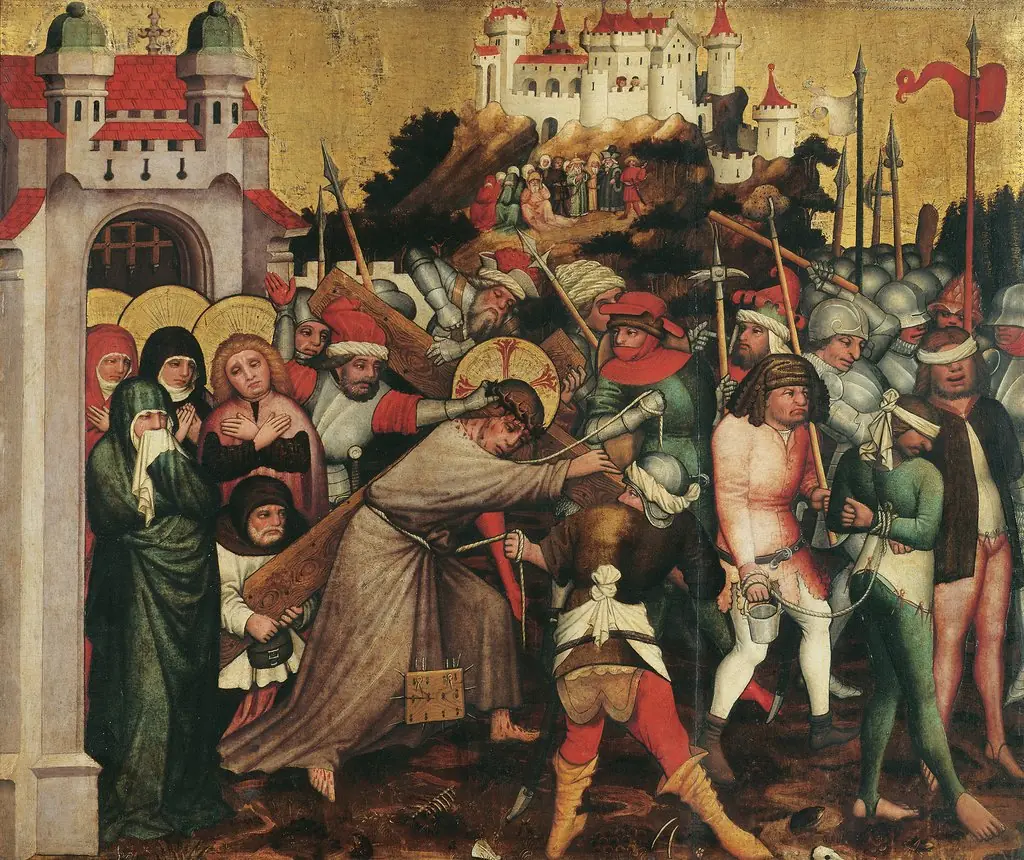 Christ carrying the cross
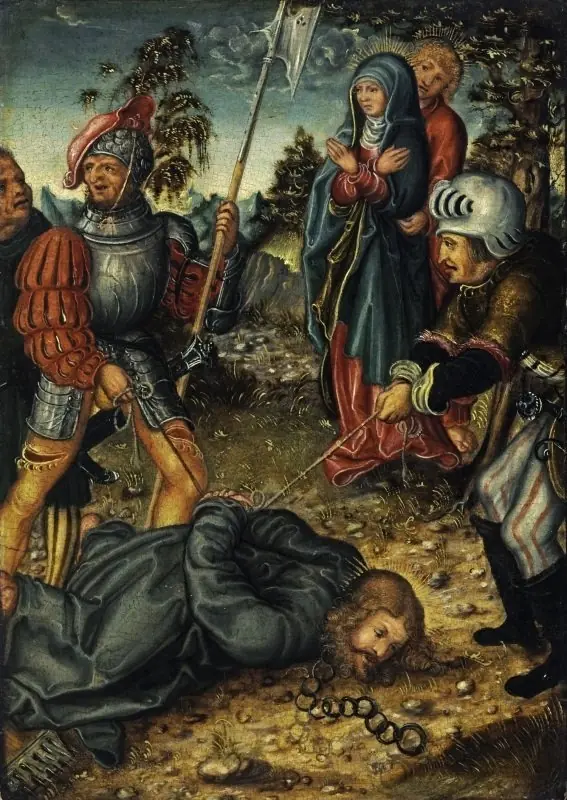 Christ on the road to Calvary
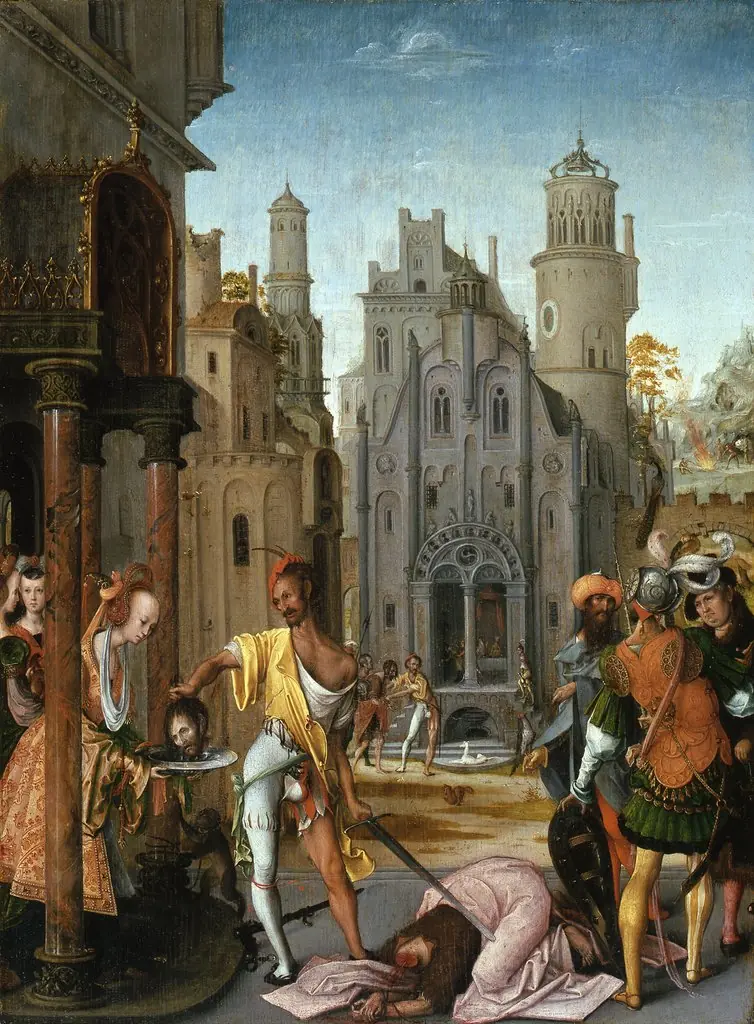 The Beheading of St. John the Baptist
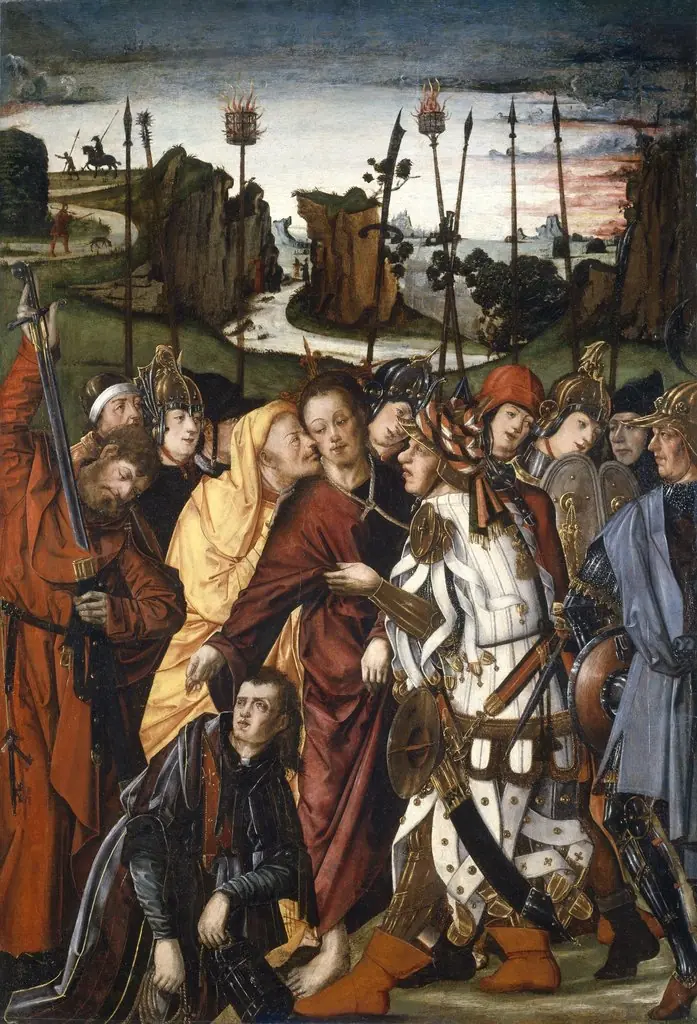 The Taking of Christ
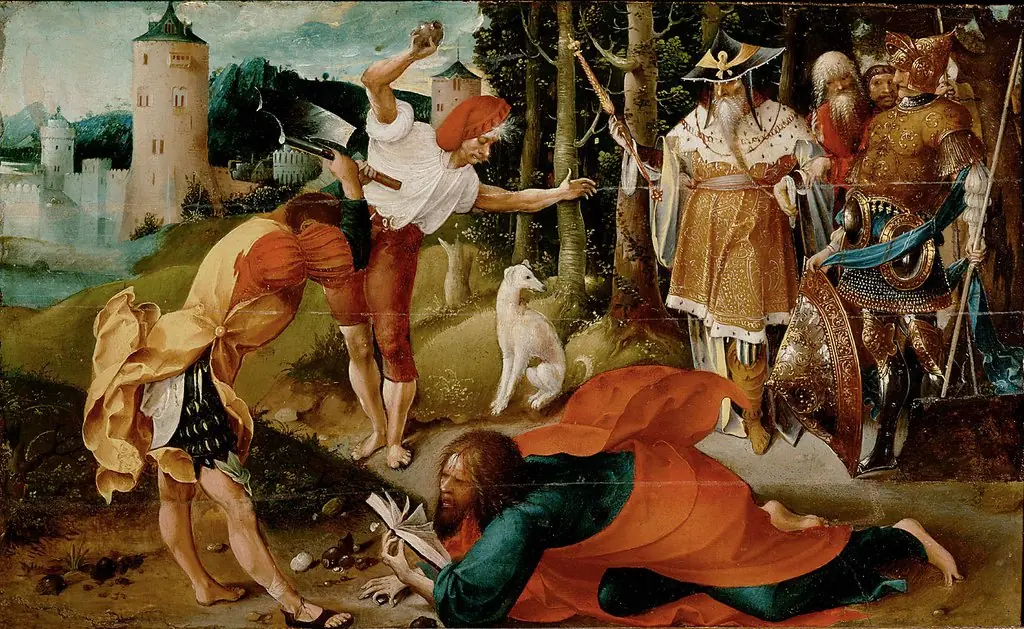 Marter des Apostels Matthias
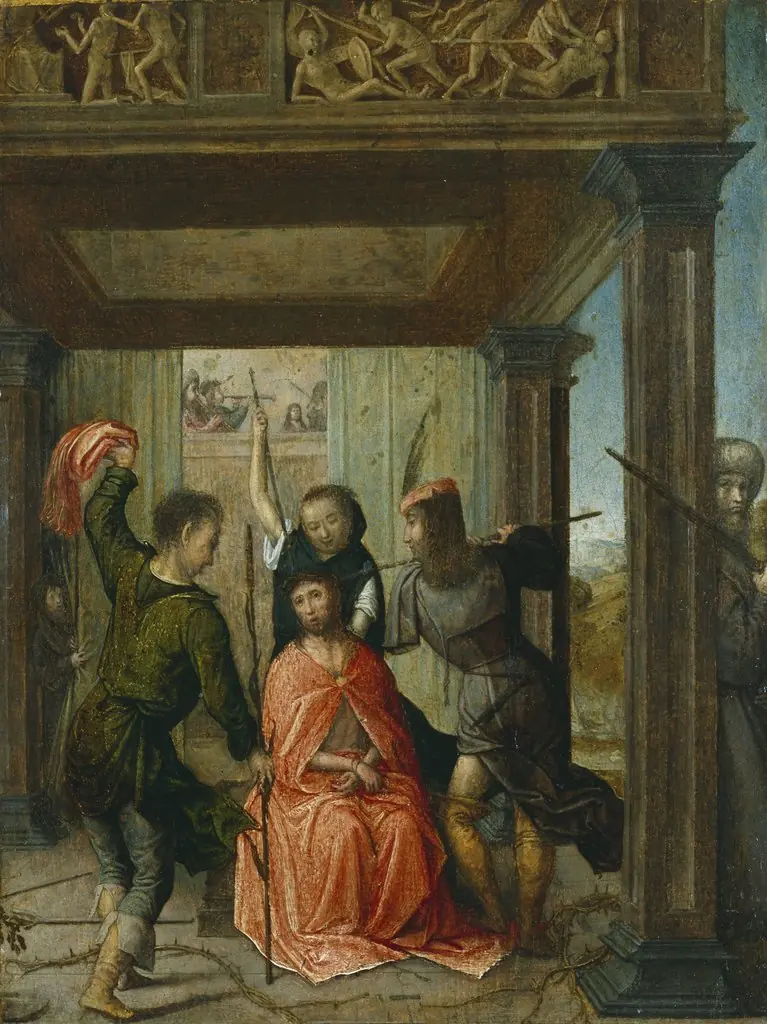 Christ Crowned with Thorns
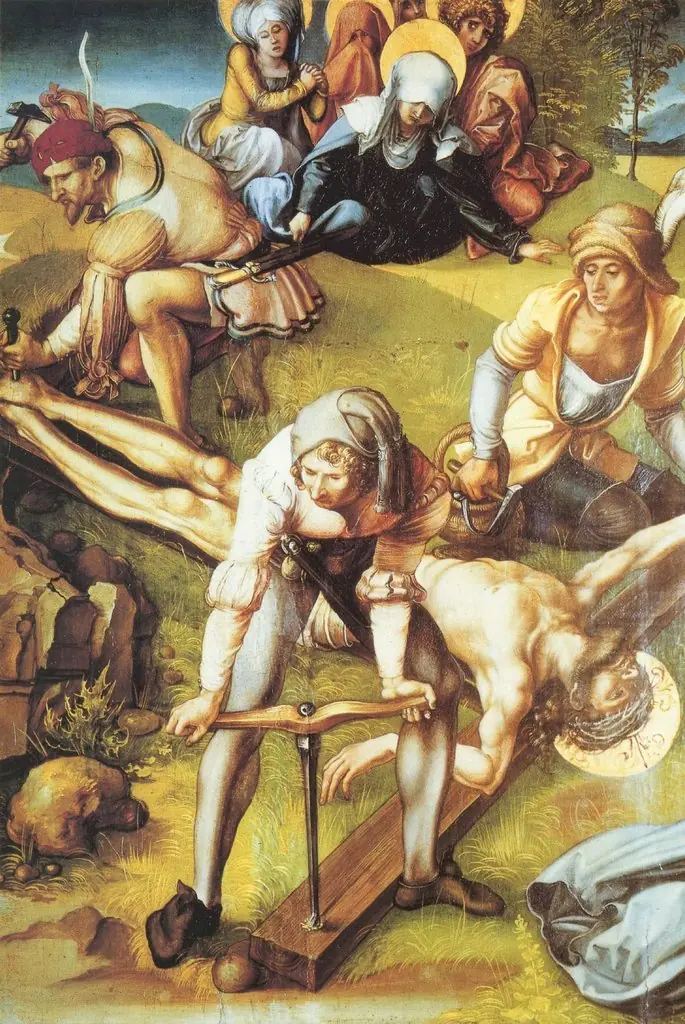 Altarpiece of the Mater Dolorosa, Scene: Christ Nailed Art the Cross
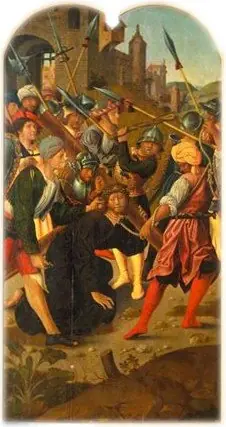 Cristo a Caminho do Calvário