Artwork
Portrait of Sophia Naryshkina
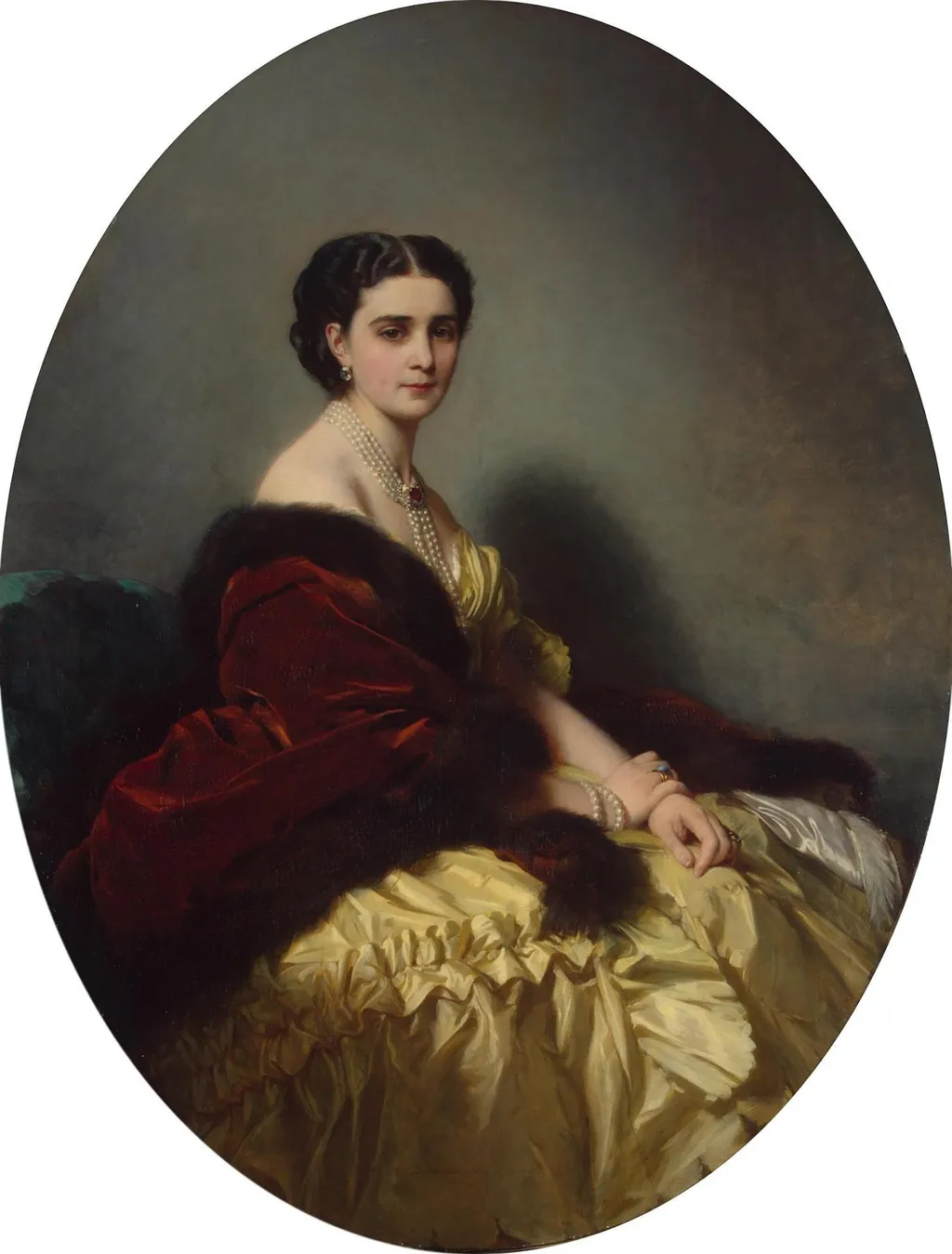
Portrait of Sophia Naryshkina is an oil painting by the Realist artist Franz Xaver Winterhalter. It dates from 1858 and is held in the collection of the Hermitage Museum.
About this work
Overview
Franz Xaver Winterhalter painted a portrait of Sophia Naryshkina in 1858 using oil on canvas. The work is part of the collection of the State Hermitage Museum in St. Petersburg, where it remains on display as an example of mid‑nineteenth‑century portraiture.
Subject & Meaning
Her dark hair is arranged in an up‑do, and she wears a full set of pearl jewelry—necklace, earrings and bracelets—along with a ring on her right hand.
The sitter is shown seated in an upholstered chair, dressed in a bright yellow gown complemented by a red velvet shawl draped over her left shoulder. Her dark hair is arranged in an up‑do, and she wears a full set of pearl jewelry—necklace, earrings and bracelets—along with a ring on her right hand. Her gaze turns slightly to the right, and her expression is composed and neutral, suggesting a formal, dignified presentation.
Technique & Style
Winterhalter employs a smooth, refined brushwork that renders the textures of silk and velvet with subtle variations of light. The gray wall behind the figure provides a muted backdrop that accentuates the vivid colors of the costume and the luminous quality of the pearls. The handling of light on the fabric and the delicate modeling of the face illustrate the artist’s skill in conveying materiality and understated expression.
History & Provenance
Created in the late 1850s, the portrait entered the State Hermitage Museum’s holdings at an unspecified date, becoming part of the museum’s extensive collection of European portraiture. Its presence in the Hermitage links it to the broader narrative of Russian aristocratic patronage of Western artists during the period.
Artist & collection
Artist
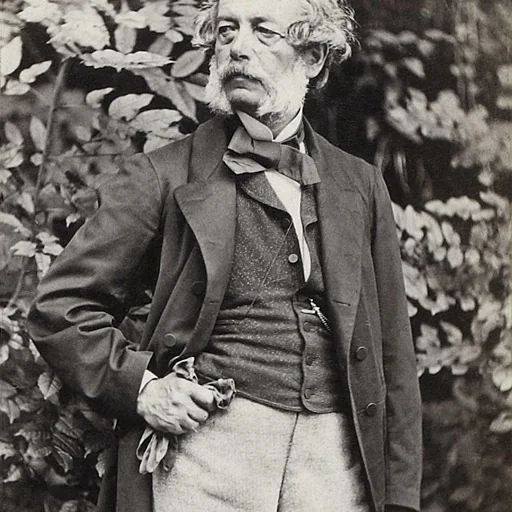
Franz Xaver Winterhalter (20 April 1805 – 8 July 1873) was a German painter and lithographer, known for his flattering portraits of royalty and upper-class society in the mid-19th century.

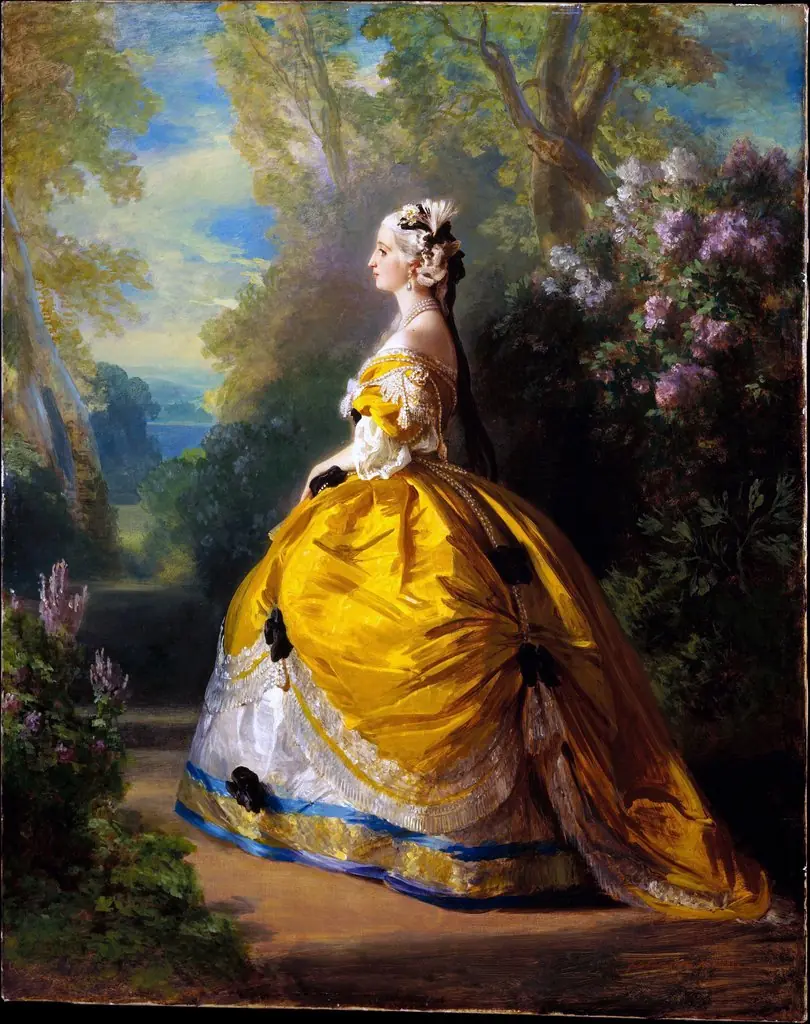 Portrait of Empress Eugénie de Montijo
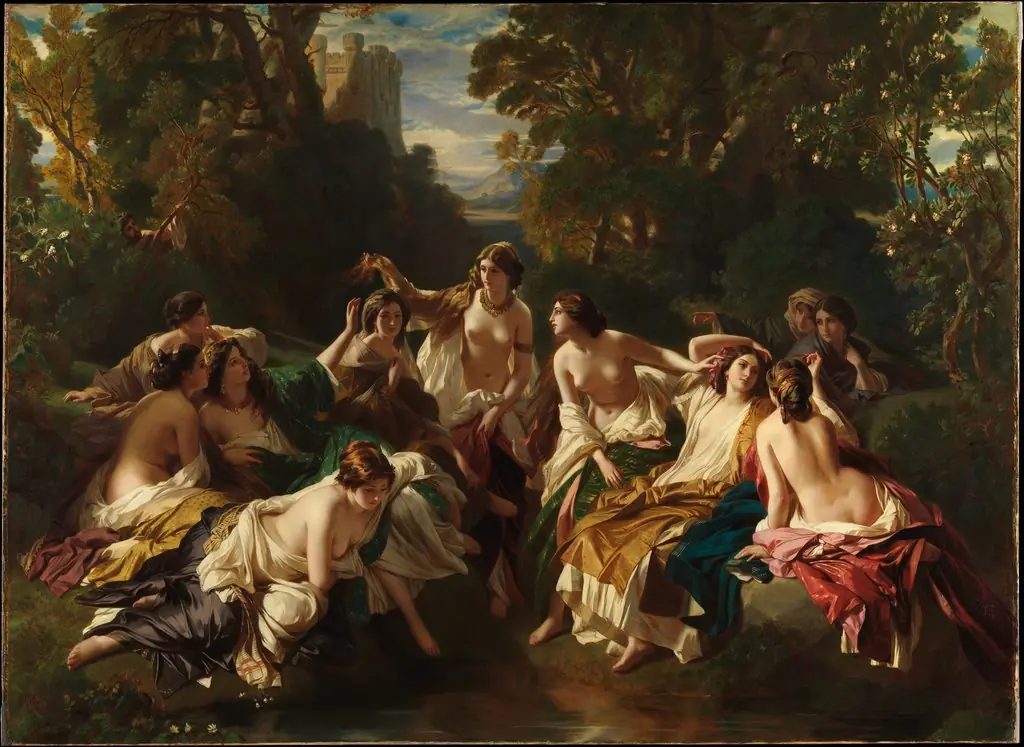 Florinda
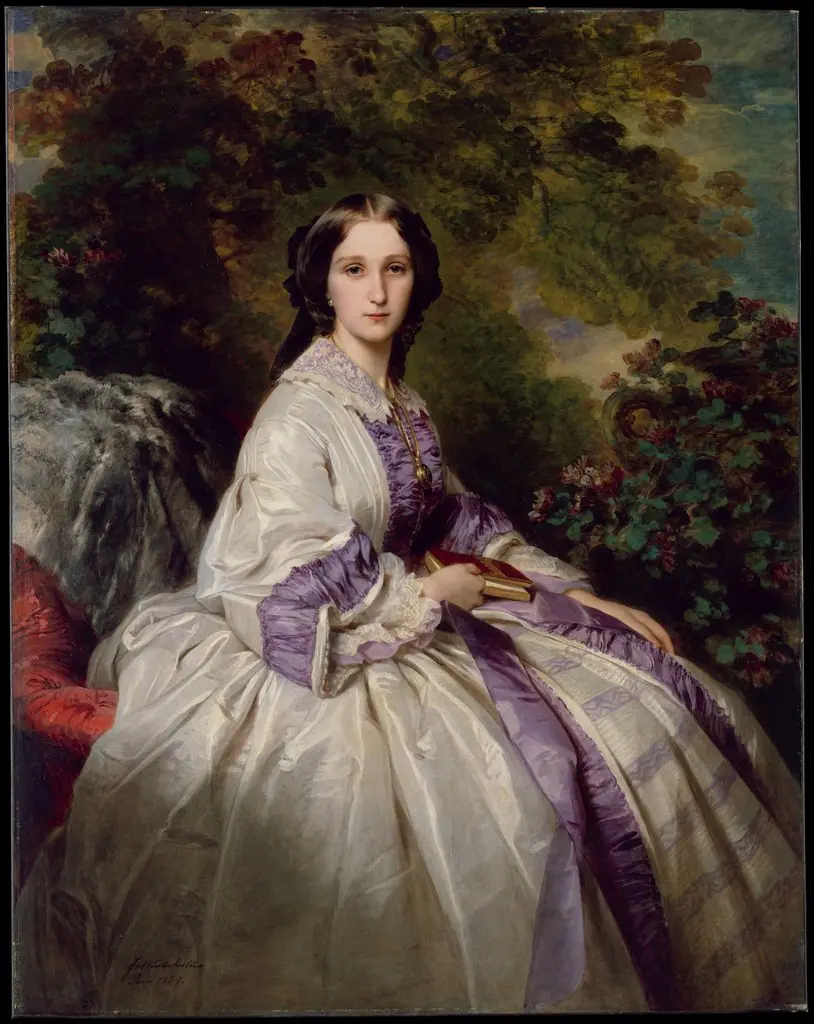 Portrait of Countess Alexander Nikolaevitch Lamsdorff
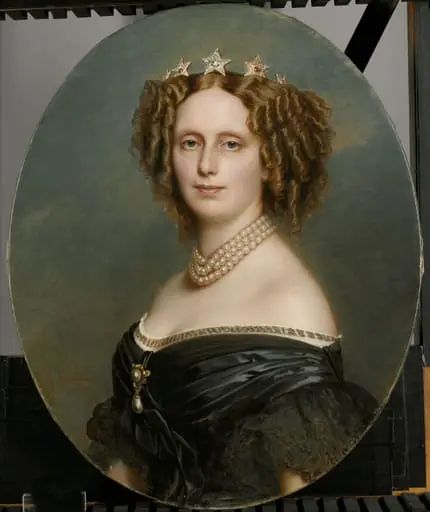 Portrait of Sophia Frederika Mathilda (1818-77), Princess of Württemberg
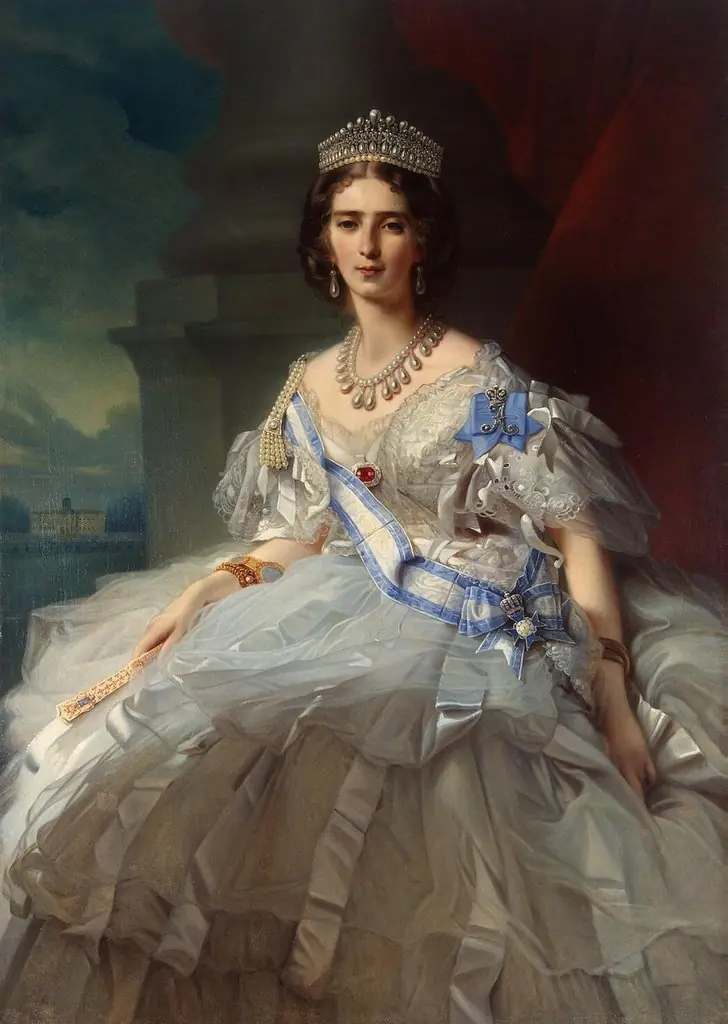 Portrait of Princess Tatyana Yusupova
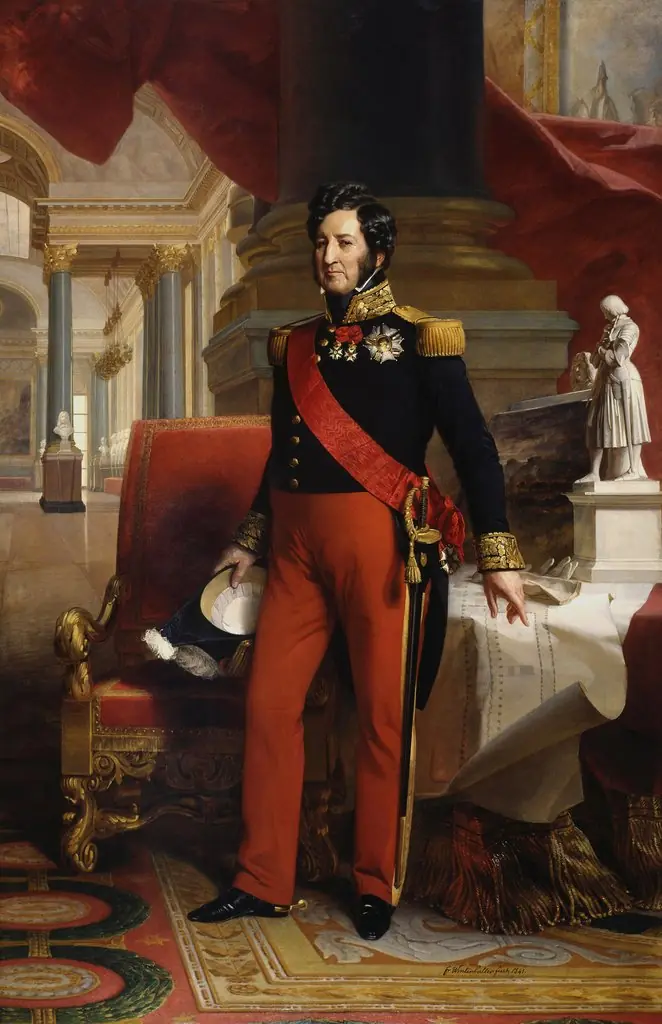 Louis-Philippe I, King of the French (1773–1850)
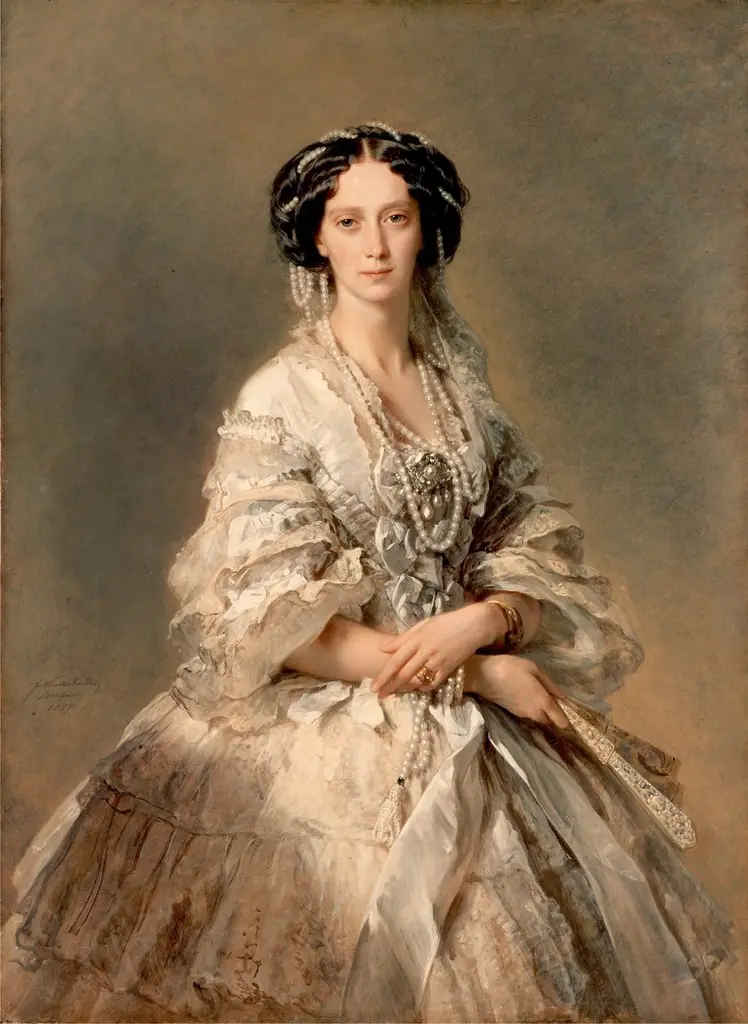 Portrait of Empress Maria Alexandrovna
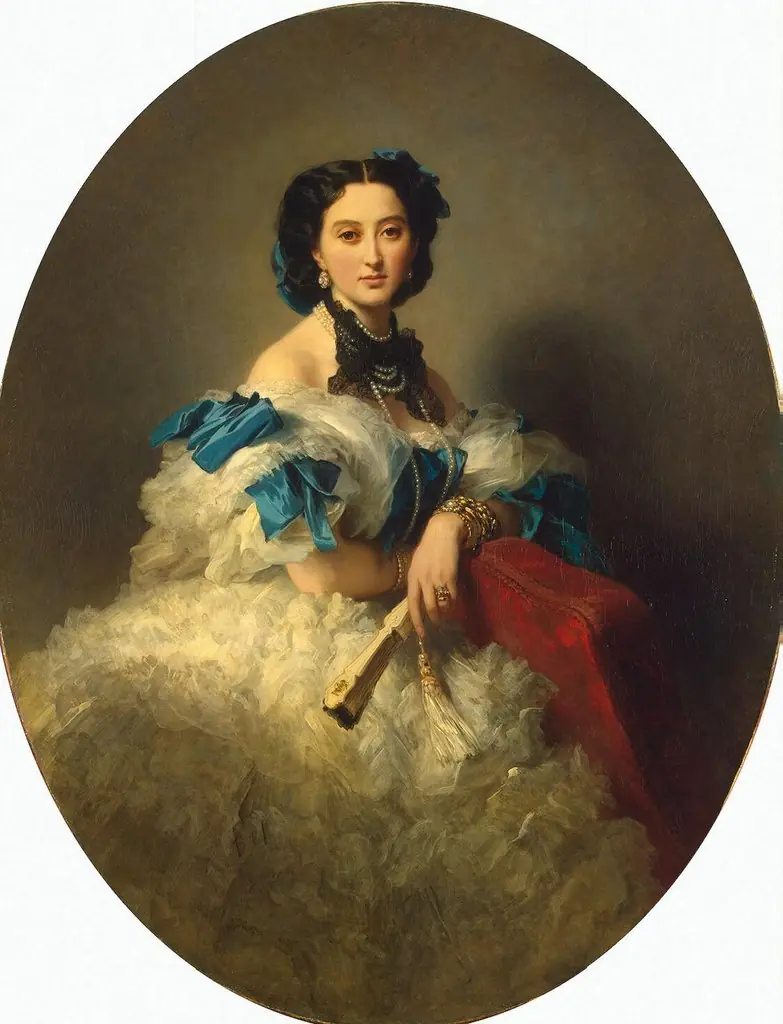 Portrait of Countess Varvara Musina-Pushkina
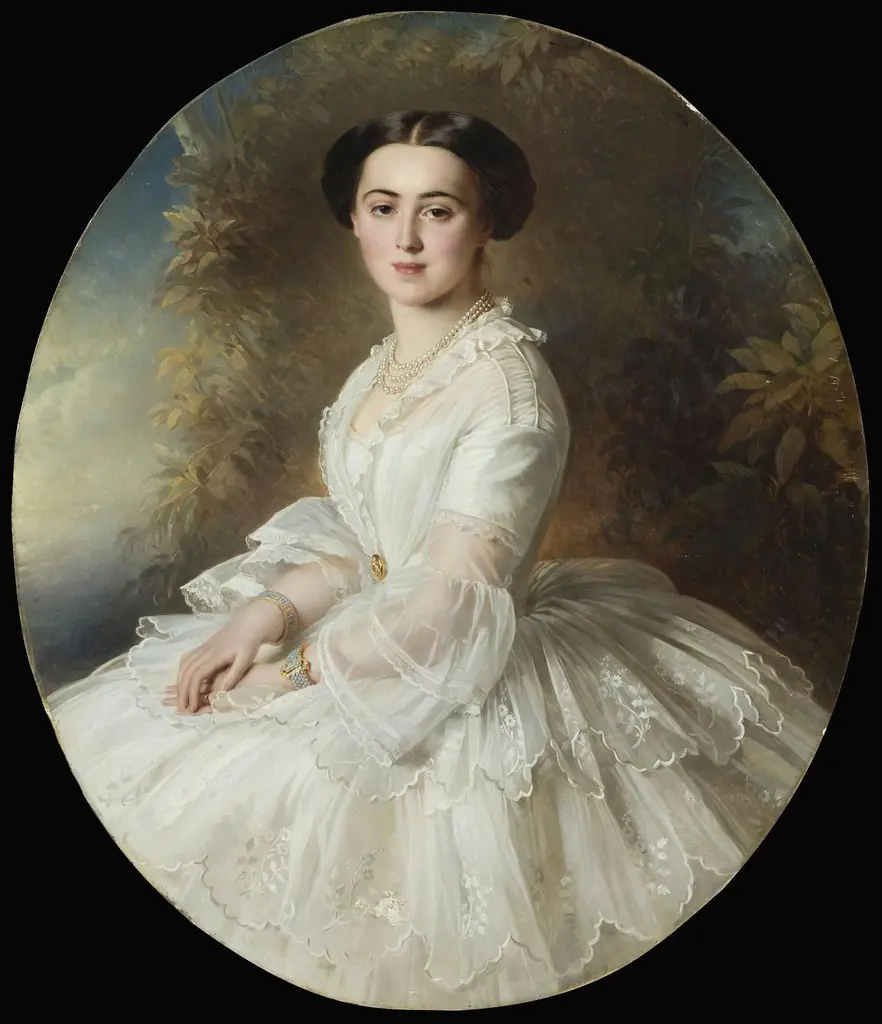 Portrait of Grand Duchess Olga Feodorovna
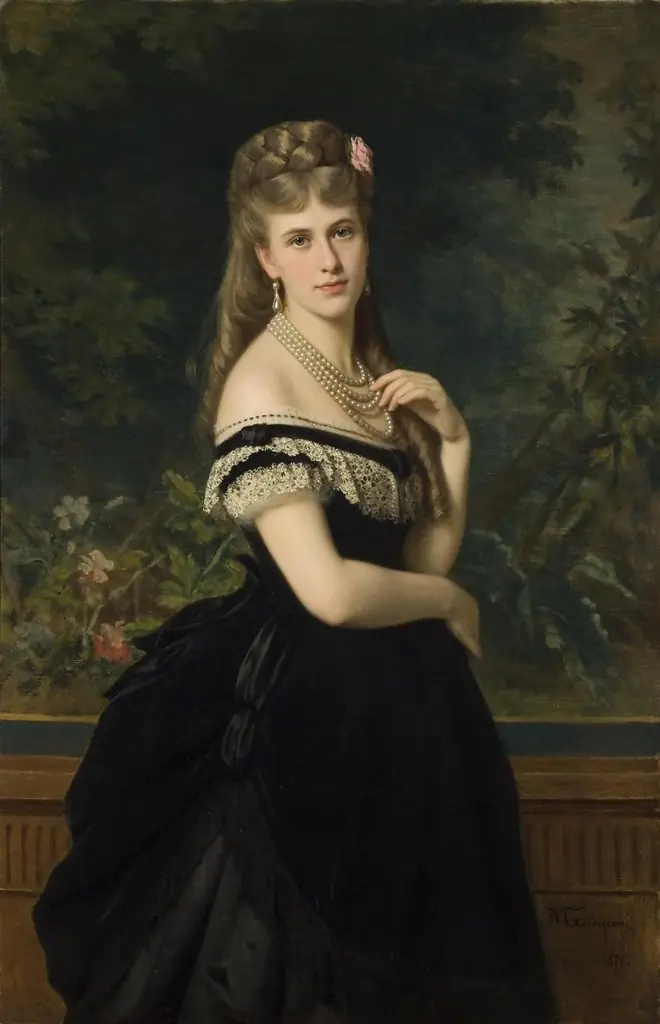 Portrait of Berg
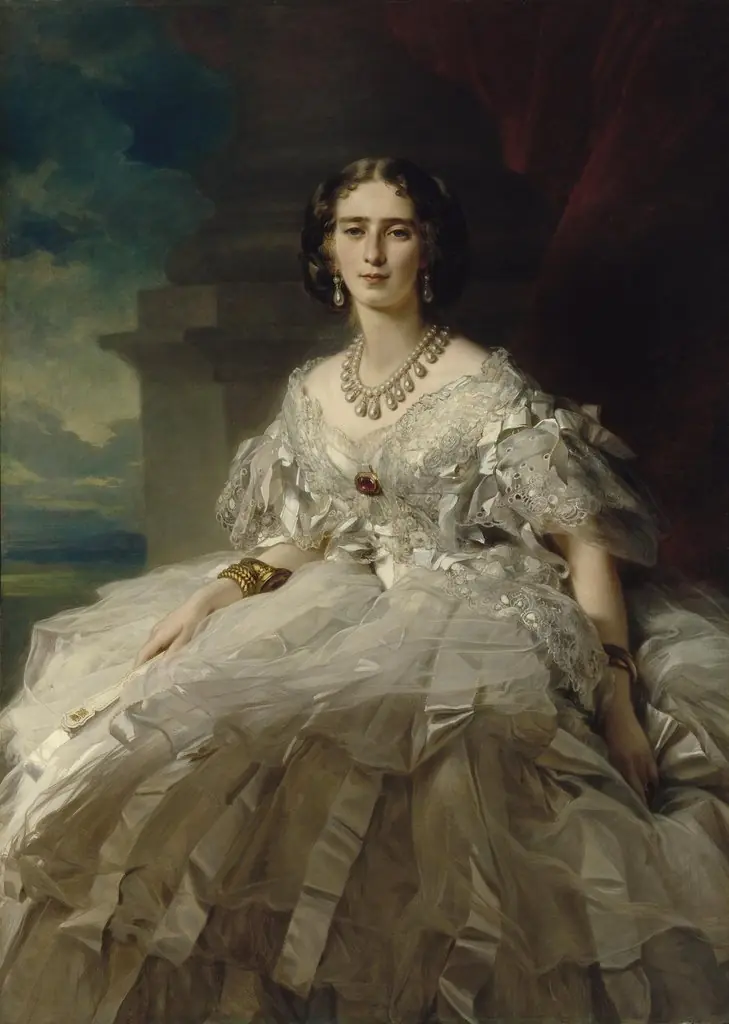 Portrait of Princess Tatyana Alexandrovna Yusupova
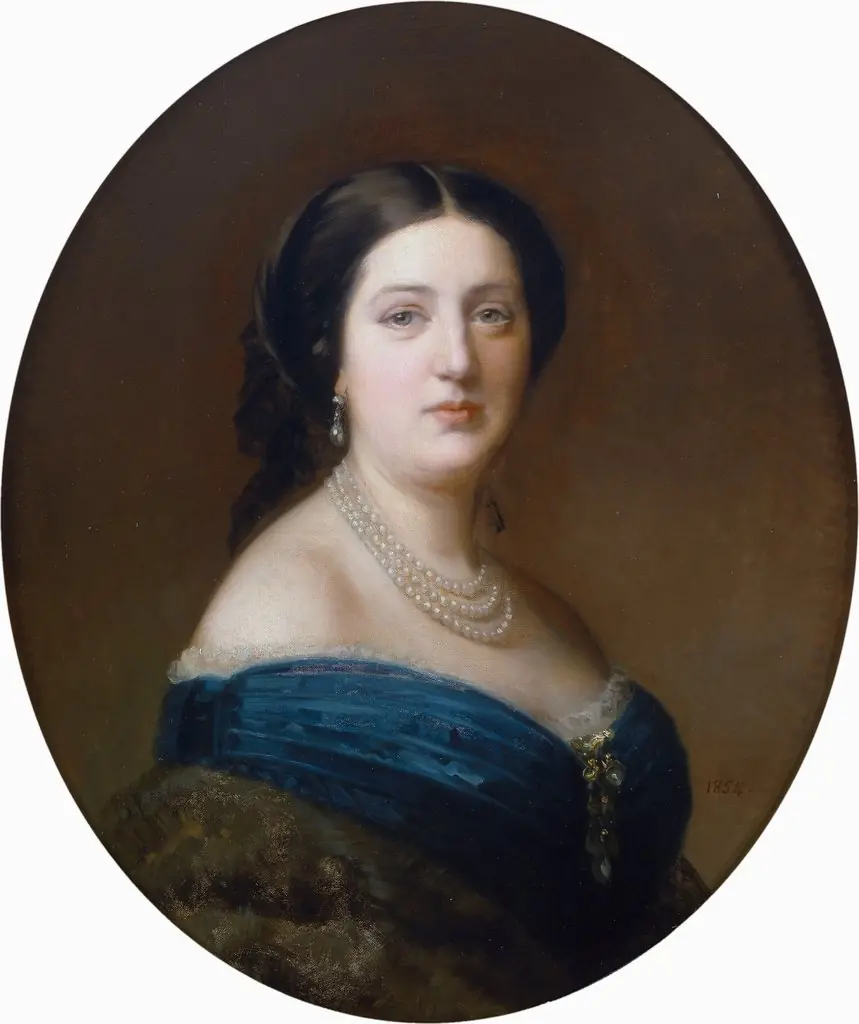 Manuela María Miquel y Lucuy
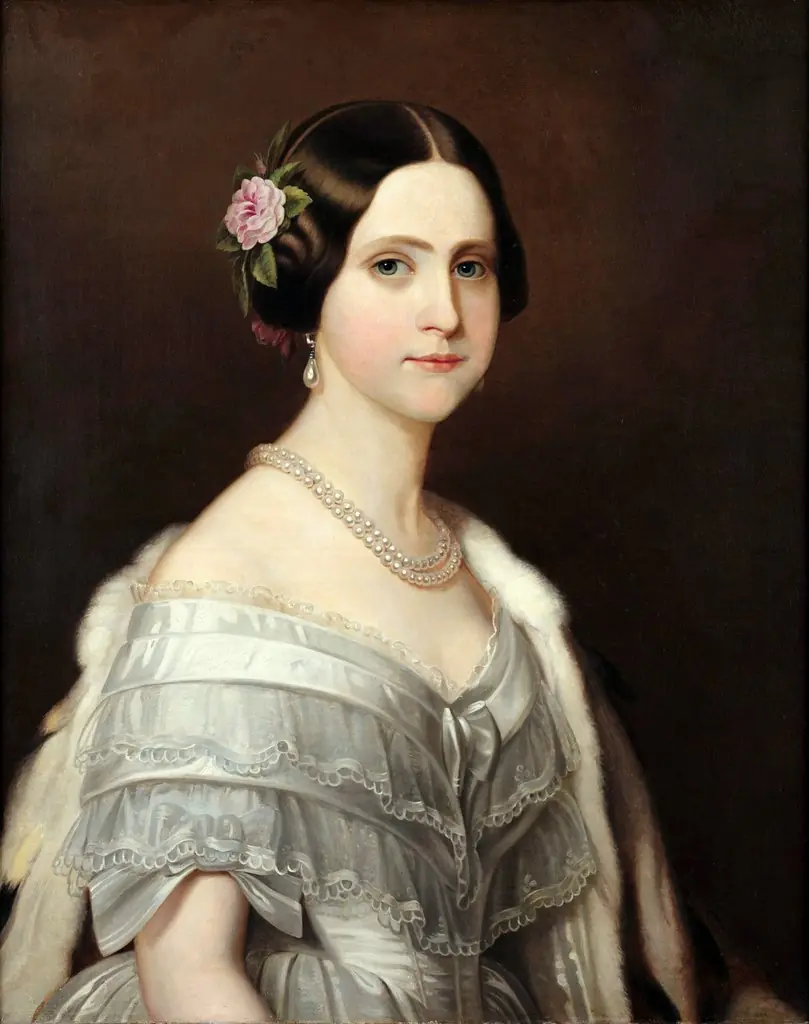 Princess Maria Amélia of Brazil
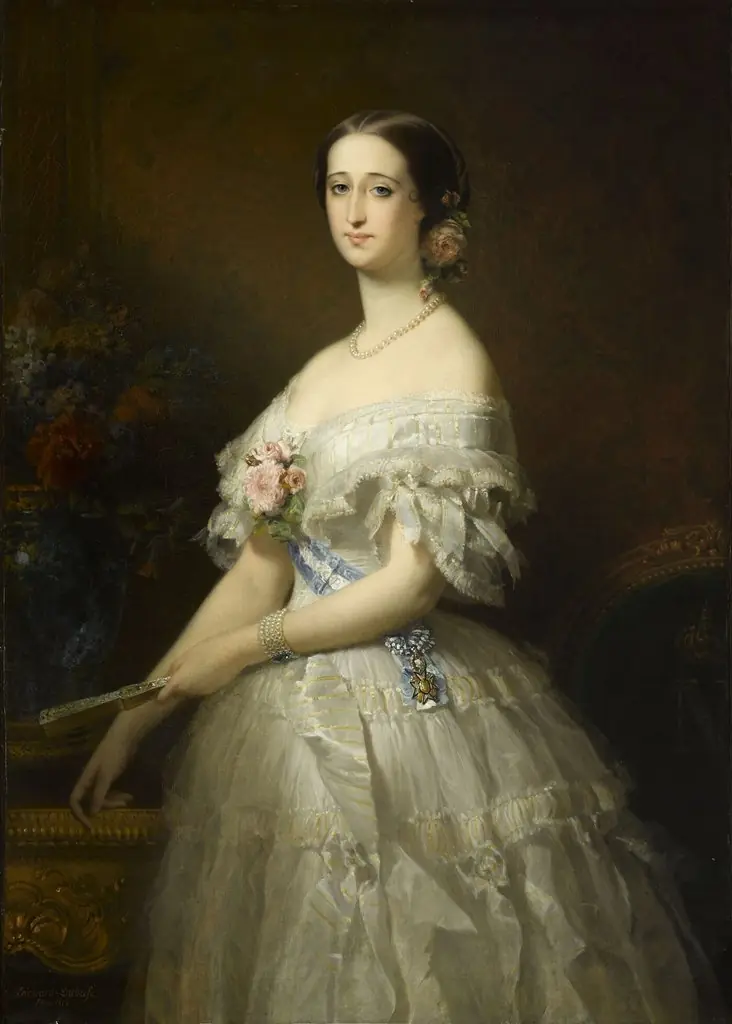 Portrait of the Empress Eugenie
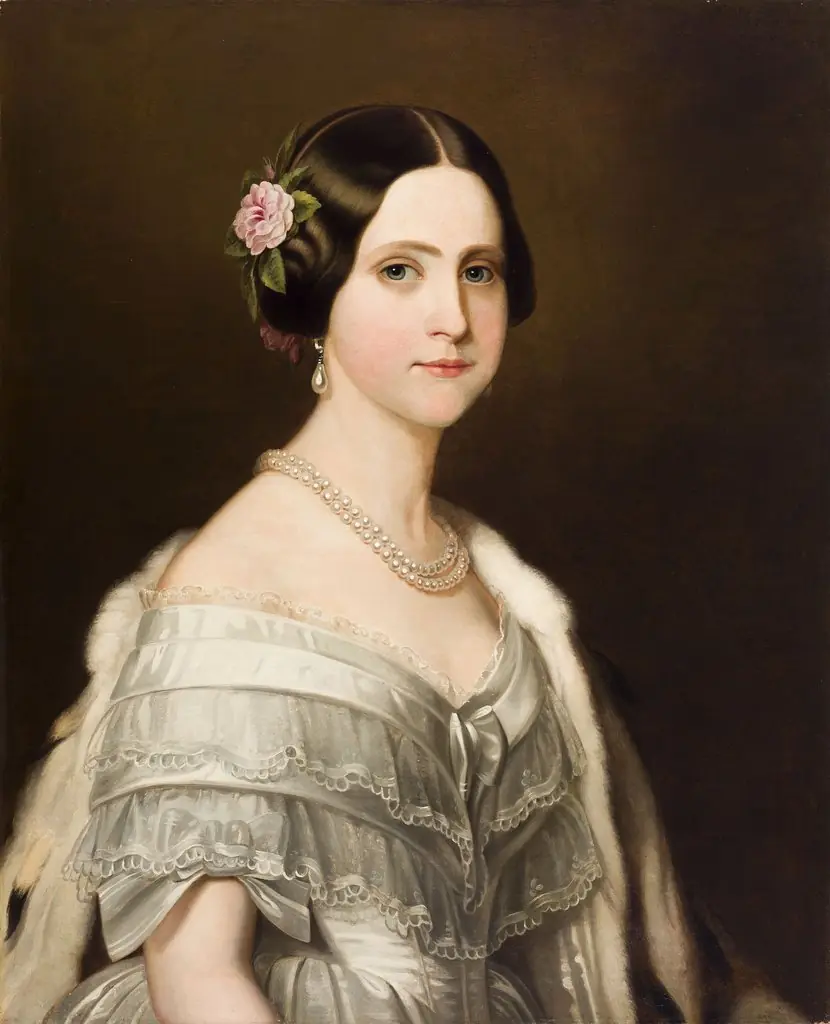 Portrait de S. A. I. Mme. la Princesse Dona Marie Amélie du Brésil
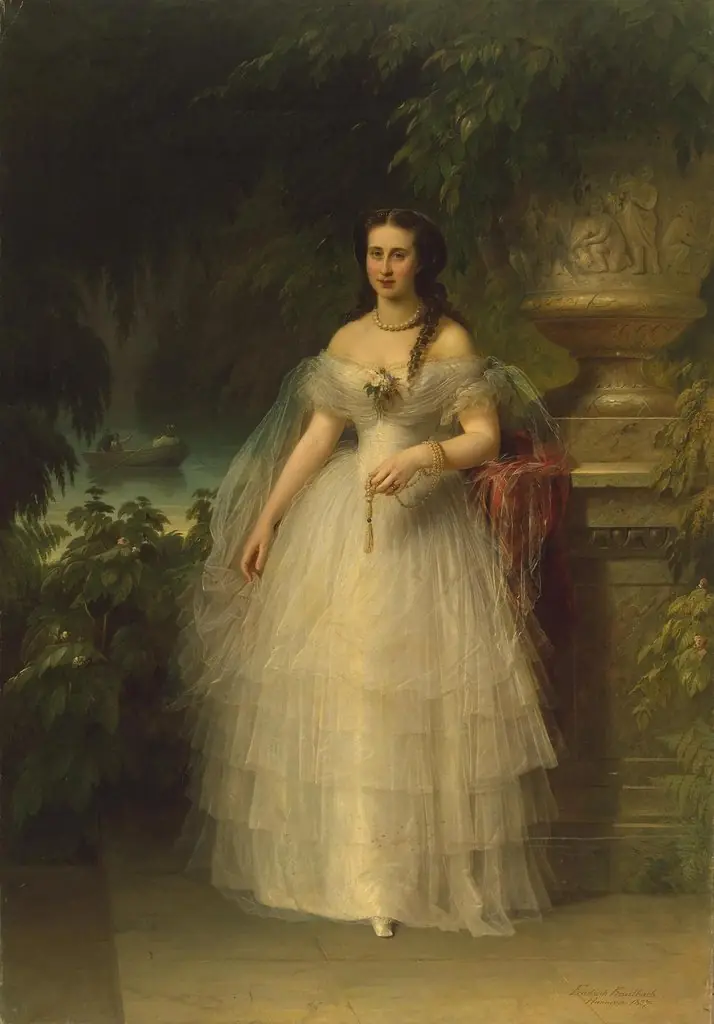 Portrait of Grand Duchess Alexandra Iosifovna
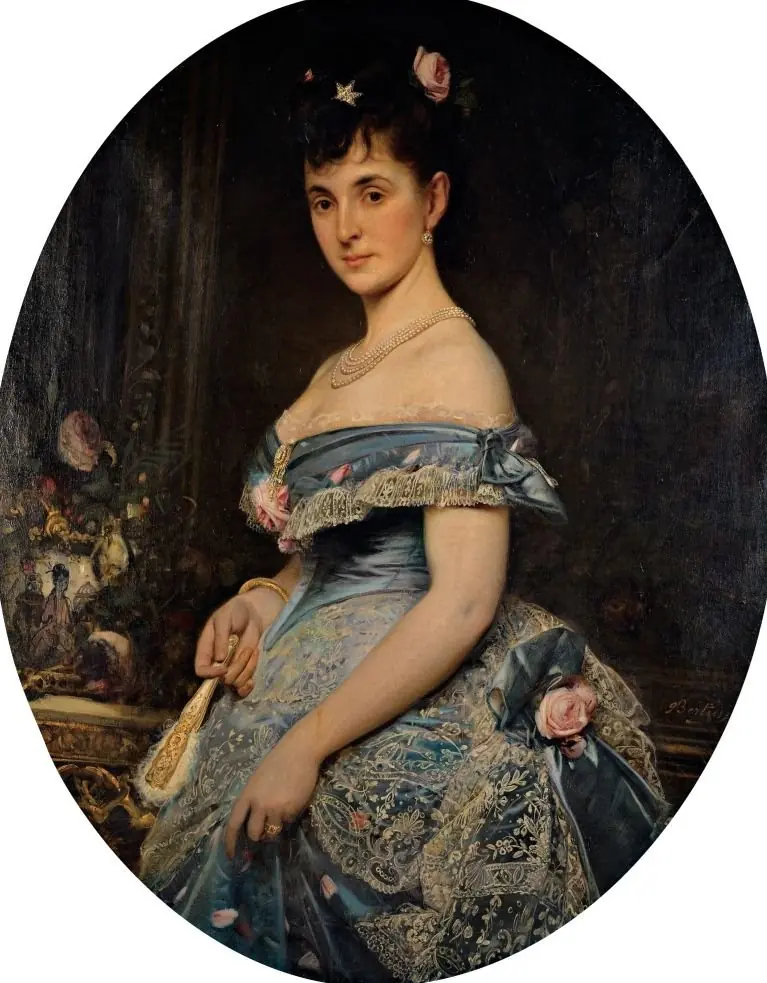 Portrait of Bice Sullam Pisa