Artwork
Sketch of the front of the triumphal arch of the Cardinal-Infant Ferdinand
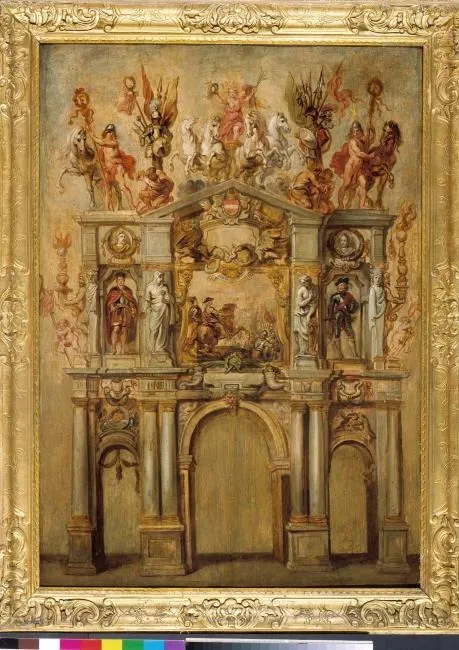
Sketch of the front of the triumphal arch of the Cardinal-Infant Ferdinand is an oil painting by Theodoor van Thulden. It is held in the collection of the Rubenshuis.
About this work
Overview
An oil painting by Theodoor van Thulden, this work depicts the temporary triumphal arch erected in Antwerp for the entry of Cardinal-Infant Ferdinand in 1635. Though dated 1717 in some records, the painting aligns chronologically with the event it commemorates. It serves as a visual record of a ceremonial structure, rendered with precision and a restrained palette of earth tones.
Subject & Meaning
Figures on horseback above the arch represent the procession’s nobility, reinforcing the political and religious significance of the occasion.
The painting captures the ceremonial arch constructed to honor the arrival of Cardinal-Infant Ferdinand, governor of the Spanish Netherlands. The structure, laden with allegorical statuary and heraldic elements, symbolizes imperial authority and civic loyalty. Figures on horseback above the arch represent the procession’s nobility, reinforcing the political and religious significance of the occasion.
Technique & Style
Van Thulden employed a meticulous, realistic approach, rendering architectural details and human figures with careful attention to texture and form. The composition is tightly organized, with depth suggested through layered perspective. Colors remain subdued—ochres, grays, and browns—emphasizing solemnity over spectacle, consistent with the formal tone of state ceremonies of the period.
History & Provenance
The painting was likely commissioned to document the 1635 entry festivities in Antwerp, a major political event under Spanish Habsburg rule. It entered the collection of the Royal Museum of Fine Arts Antwerp in the 19th century, where it remains today. Its survival reflects the value placed on visual documentation of public ceremonies in early modern Flanders.
Context
Created during the Thirty Years’ War, the arch and its depiction served to project Habsburg power in a region under strain. Temporary triumphal structures were common in European cities to mark royal or noble visits, blending classical motifs with contemporary propaganda. Van Thulden’s work fits within a broader tradition of Flemish artists documenting civic rituals for political elites.
Legacy
Though not widely exhibited, the painting contributes to the historical record of early 17th-century ceremonial culture in the Southern Netherlands. It exemplifies how artists like van Thulden functioned as chroniclers of political spectacle, preserving ephemeral architecture and public pageantry through durable painted records.
Artist & collection
Artist
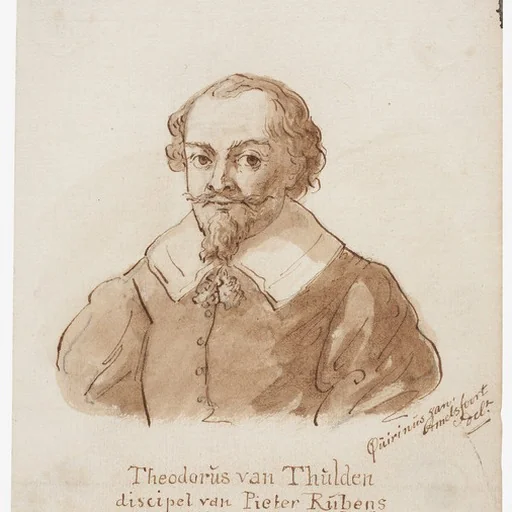
Theodoor van Thulden (9 August 1606 – 12 July 1669) was a Flemish painter, draughtsman and engraver born in 's-Hertogenbosch in the duchy of Brabant.

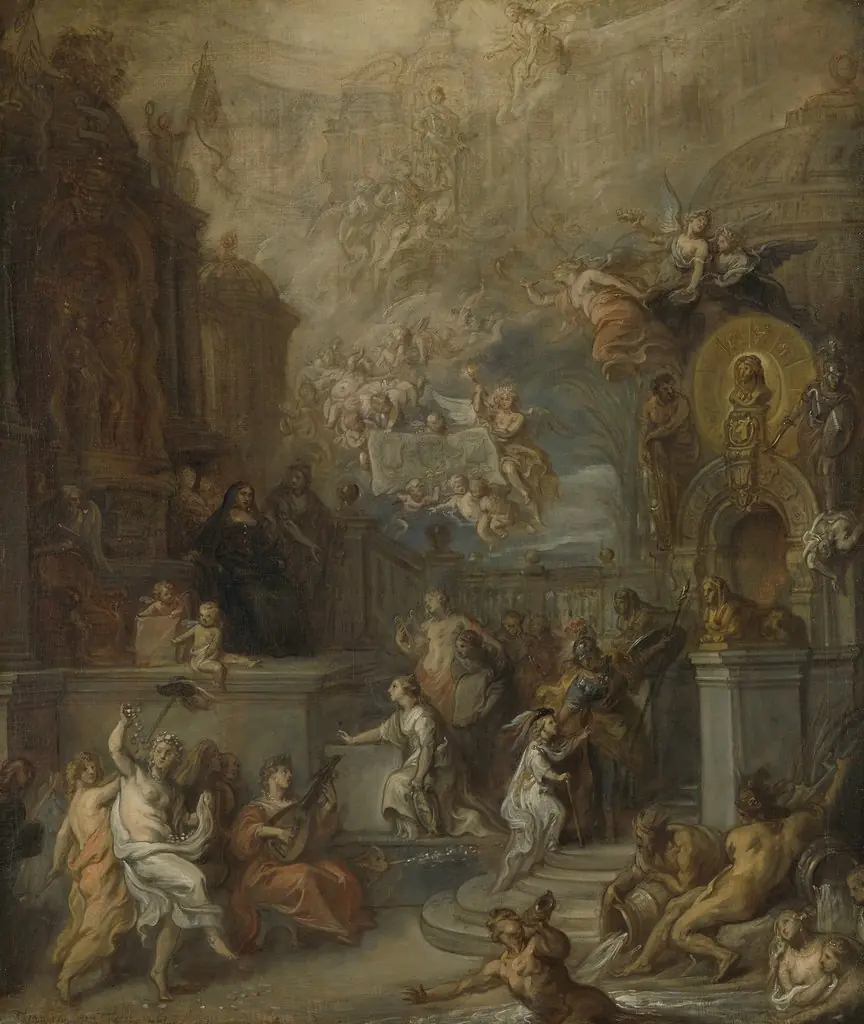 Allegory of William III's leavetaking from Alamia van Solms after the transferral of the regency to the statesgeneral
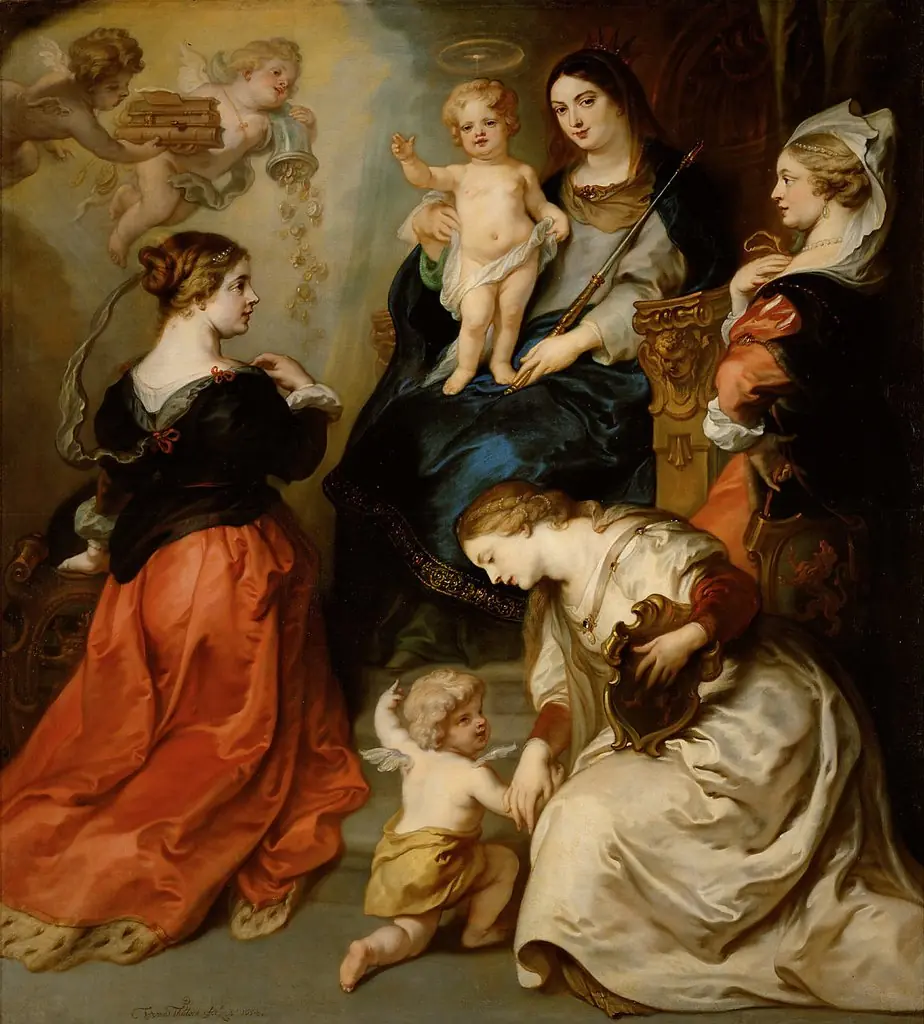 The provinces of Brabant, Hainaut and Flanders pay homage to the Virgin
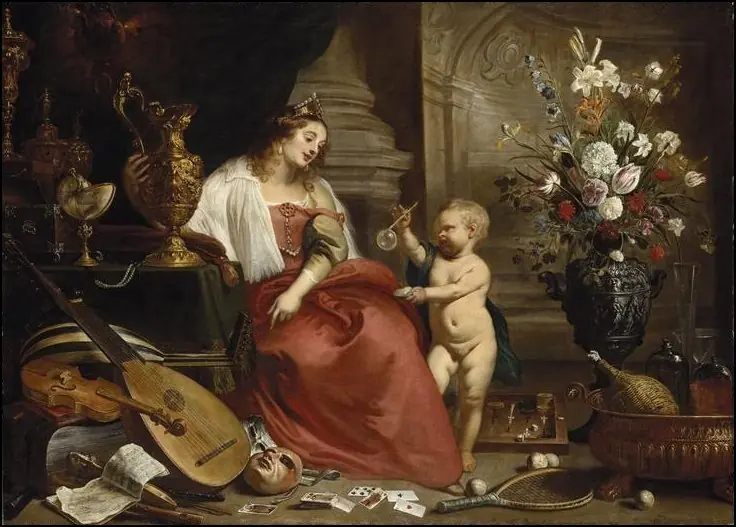 Allegory of Vanity
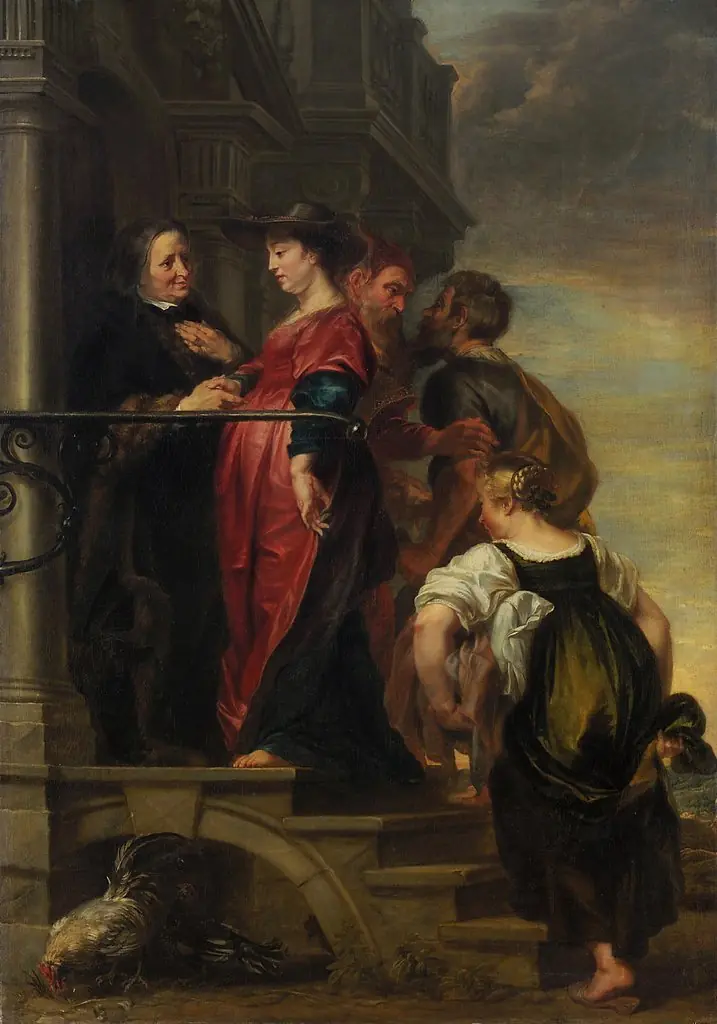 The Visitation
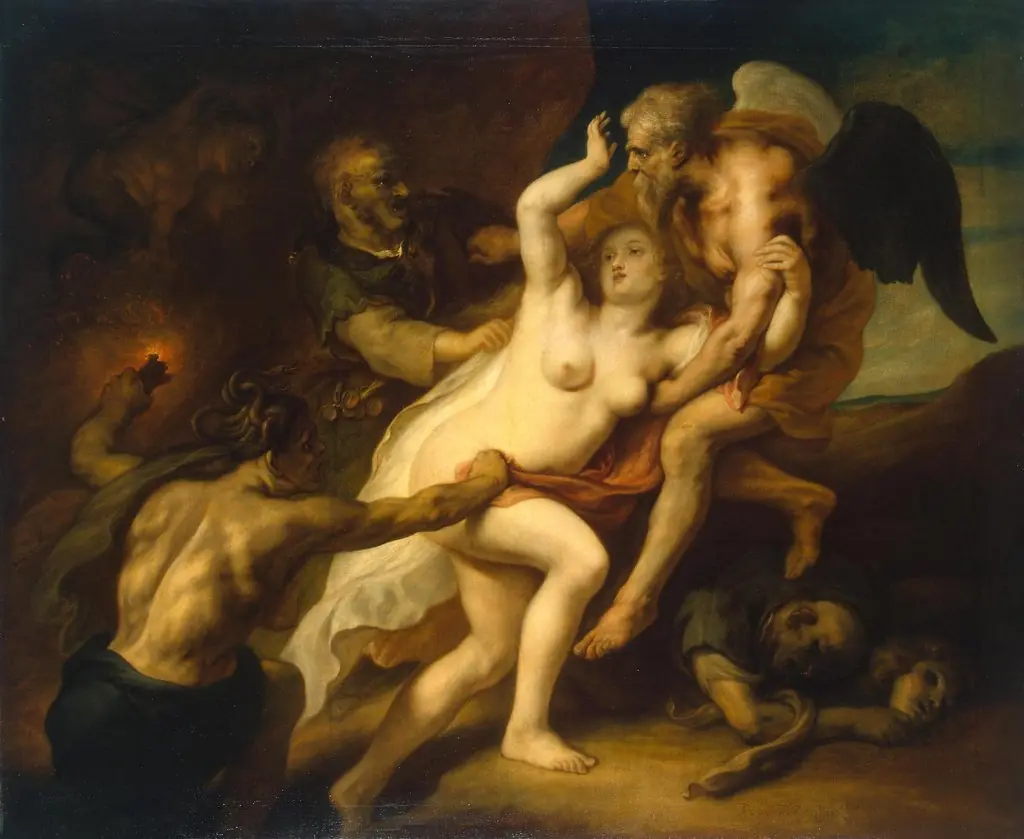 Time Reveals the Truth. The Allegory
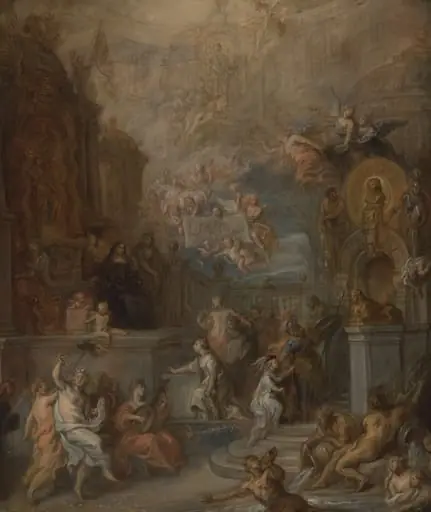 Allegory of the Farewell of William III from Amalia van Solms following the transfer of Regency to the States General
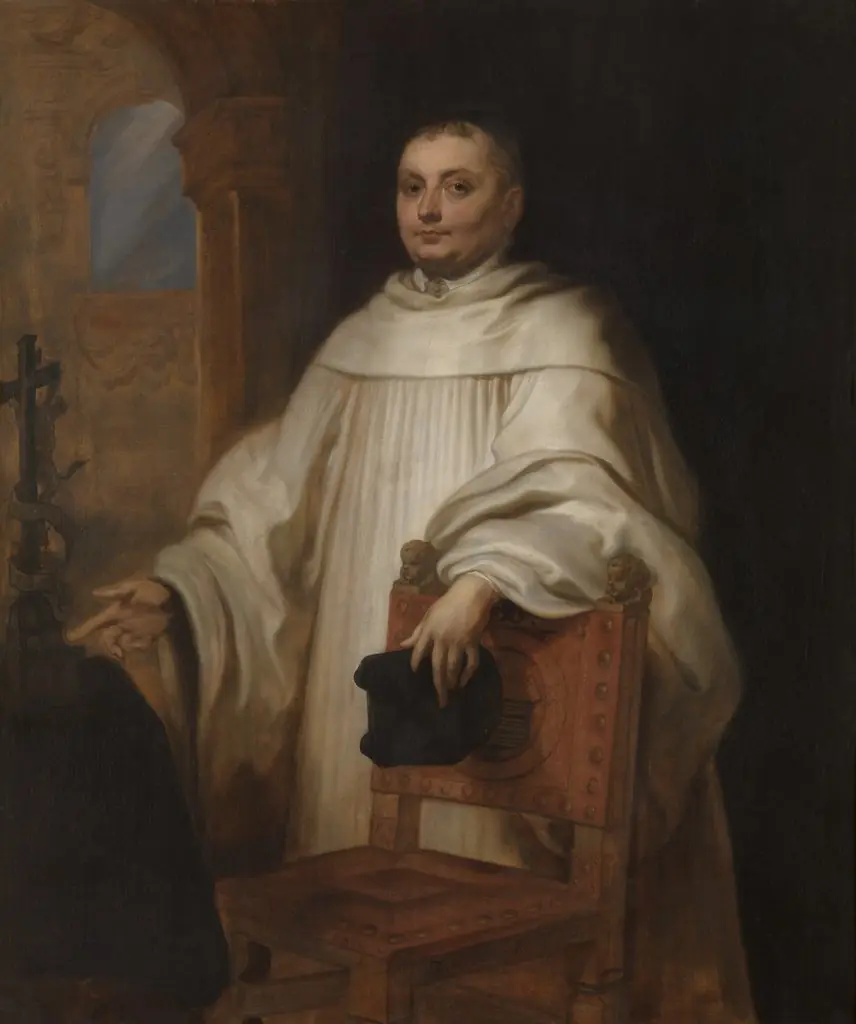 Benedictus van Thulden, prieur de l'abbé de Saint-Bernard
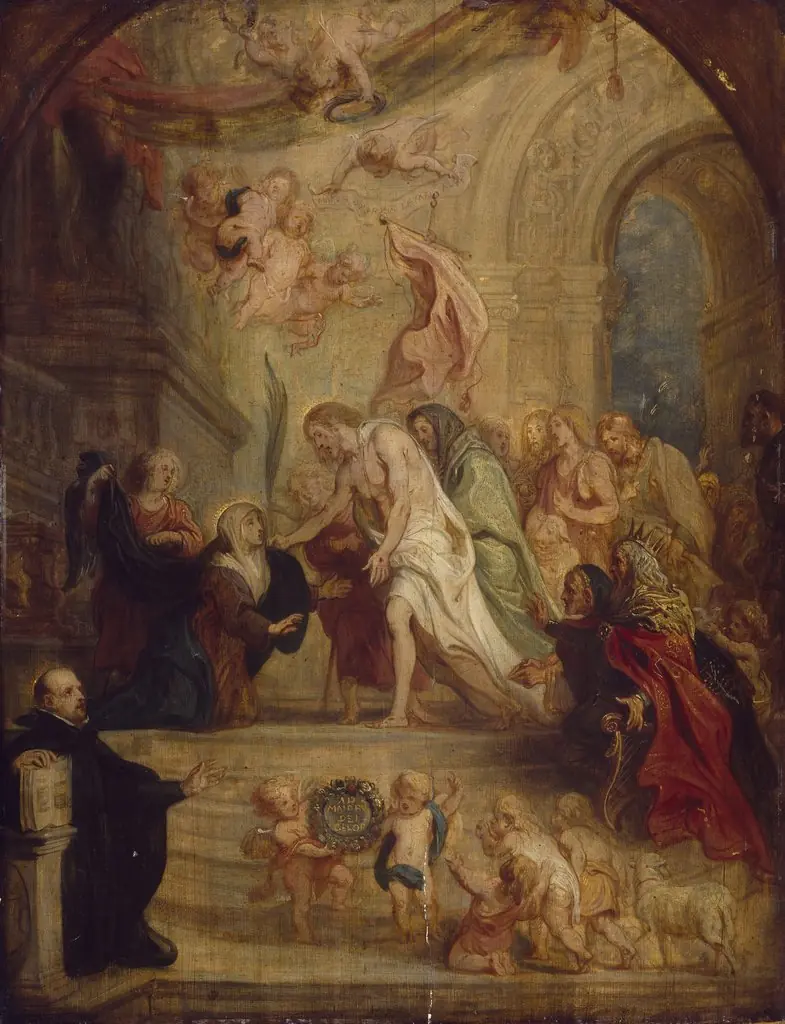 The Resurrected Christ Appearing to his Mother
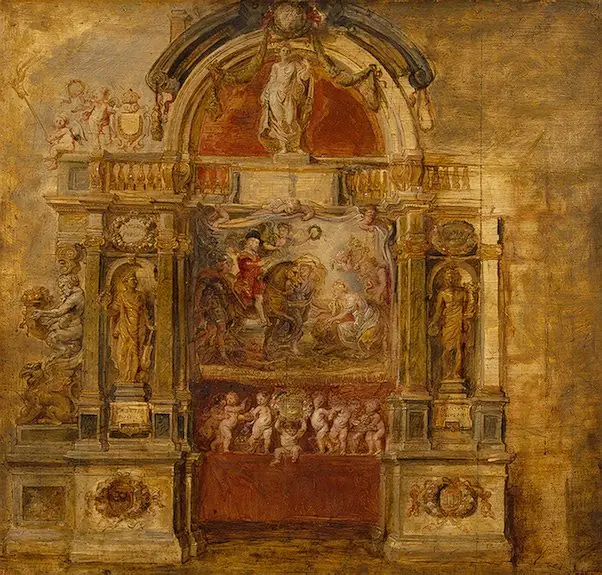 Congratulations on the Arrival of Prince Ferdinand (Adventus Seren. Princ. Gratulatio)
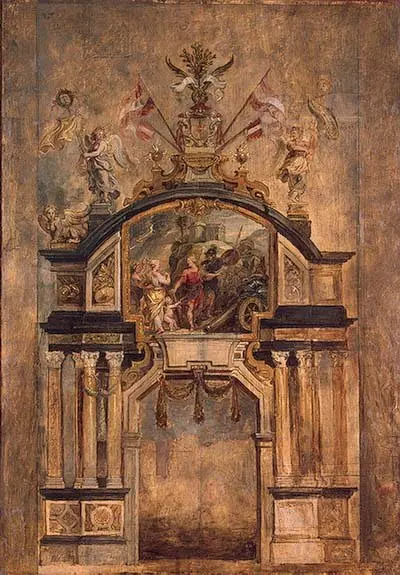 Arch of Hercules, the Right Side (Hercules Prodicius, pars anterior)
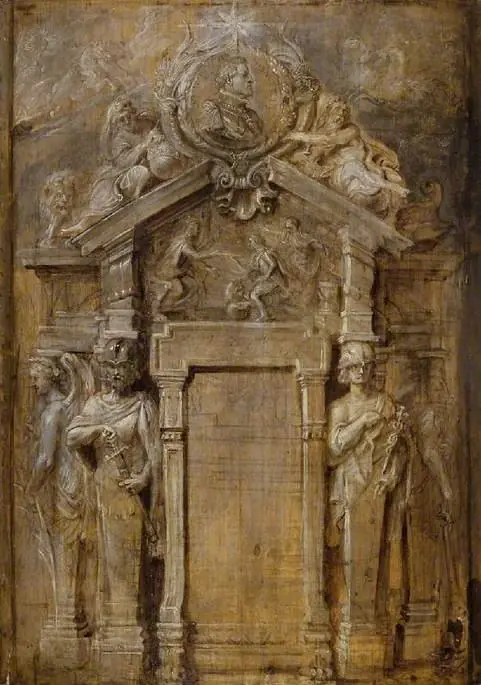 Design for the title page of the Pompa Introitus...Ferdinandi
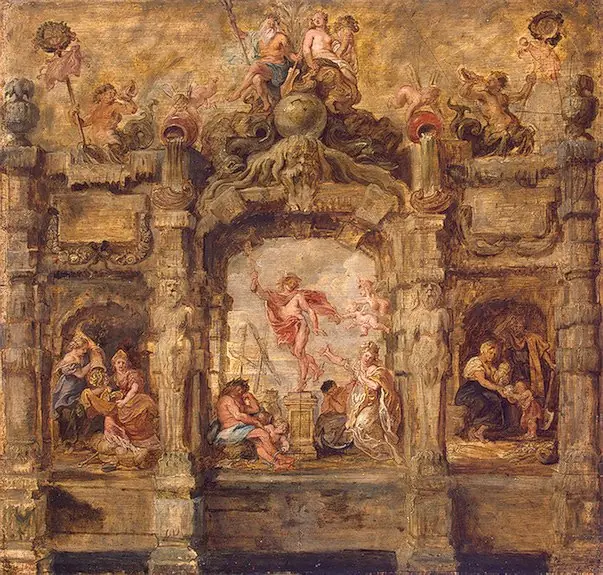 Mercury Moving away (Mercurius Abituriens)
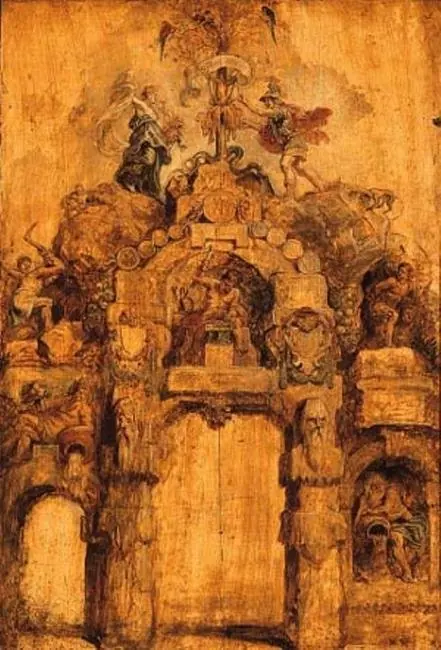 The Arch of Honor of the Mint (reverse)
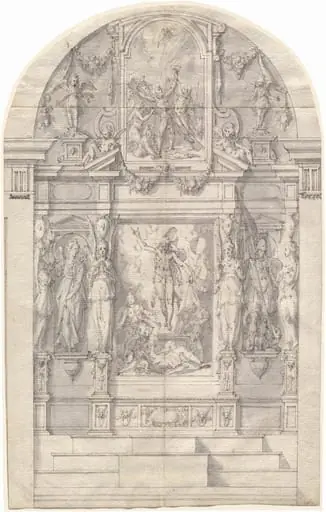 An Elaborate Altar with the Resurrection of Christ and the Martyrdom of Saint Andrew
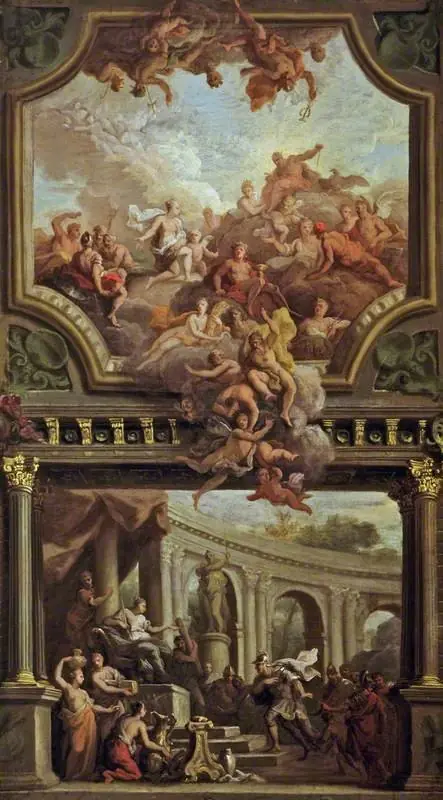 Aeneas before Dido, and Venus Supplicating Jupiter (sketch for a wall and ceiling decoration)