Artwork
Mercury Moving away (Mercurius Abituriens)
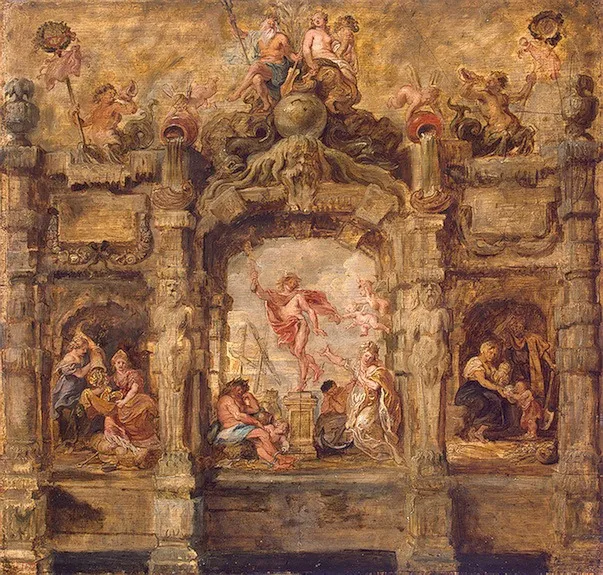
Mercury Moving away (Mercurius Abituriens) is an oil painting by Peter Paul Rubens. It dates from 1634 and is held in the collection of the Hermitage Museum.
About this work
Overview
Painted in 1634 by Peter Paul Rubens, *Mercury Moving Away (Mercurius Abituriens)* is an oil-on-canvas work rooted in classical mythology.
Painted in 1634 by Peter Paul Rubens, *Mercury Moving Away (Mercurius Abituriens)* is an oil-on-canvas work rooted in classical mythology. As a diplomat and leading Flemish Baroque painter, Rubens infused this scene with dynamic movement and layered symbolism. The painting resides in the State Hermitage Museum, where it stands as one of his later mythological compositions, reflecting both his technical mastery and intellectual engagement with ancient narratives.
Subject & Meaning
The central figure is Mercury, the Roman messenger god, depicted mid-departure from a gathering of mortals. His wings and caduceus signify his divine role, while the surrounding figures—some seated, others standing—appear to observe his exit with solemnity or reverence. The scene suggests a transition: the withdrawal of divine presence from human affairs, a theme resonant in early 17th-century thought, where classical deities were often interpreted as allegories for power, communication, or fleeting favor.
Technique & Style
Rubens employs vigorous brushwork and chiaroscuro to model the figures with sculptural weight. The red cape of Mercury contrasts with the muted tones of the background, drawing the eye to his motion. Fabric folds are rendered with fluid precision, and facial expressions are subtly varied to convey individual reactions. The interplay of light and shadow enhances the theatricality of the moment, characteristic of Baroque sensibilities that prioritize emotional intensity and physical dynamism over stillness.
History & Provenance
Commissioned during Rubens’s mature period, the painting entered the Hermitage collection in the 18th century, likely through imperial acquisitions of European art. Its presence in St. Petersburg underscores the Russian court’s interest in Flemish Baroque works during the reign of Catherine the Great. While little is documented about its early ownership, its survival in a major state collection attests to its enduring recognition among connoisseurs of the period.
Context
Created during a time of religious and political upheaval in Europe, the painting reflects a broader cultural fascination with classical antiquity as a source of moral and political allegory. Rubens, deeply versed in humanist scholarship, often used mythological subjects to explore themes of authority, departure, and divine withdrawal. This work aligns with his broader practice of blending scholarly reference with visual drama, appealing to educated patrons who valued layered meaning.
Legacy
Though less frequently exhibited than Rubens’s larger mythological cycles, *Mercury Moving Away* remains a significant example of his late style—refined, introspective, and rich in narrative nuance. It influenced later artists interested in mythological allegory and the psychological depth of classical figures. Its preservation in the Hermitage ensures continued study, offering insight into how Baroque painters reimagined ancient stories for early modern audiences.
Artist & collection
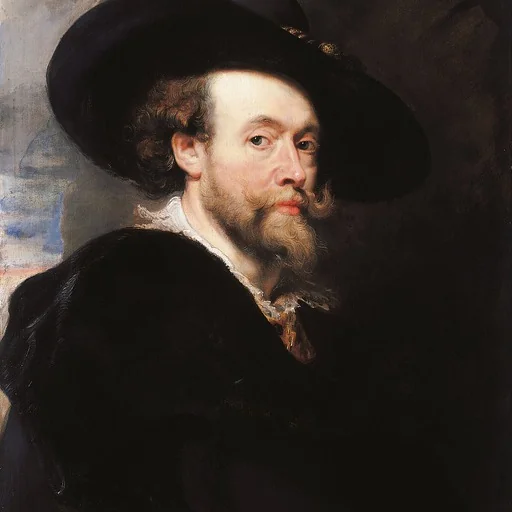
Artist
Sir Peter Paul Rubens ( ROO-bənz; Dutch: ; 28 June 1577 – 30 May 1640) was a Flemish artist and diplomat.

 The Felicity of the Regency
 Temple of Janus (Templum Jani)
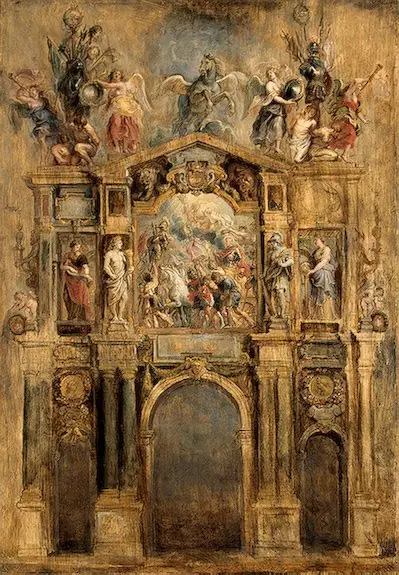 Arch of Ferdinand, the Reverse Side (Arcus Ferdinandi, pars posterior)
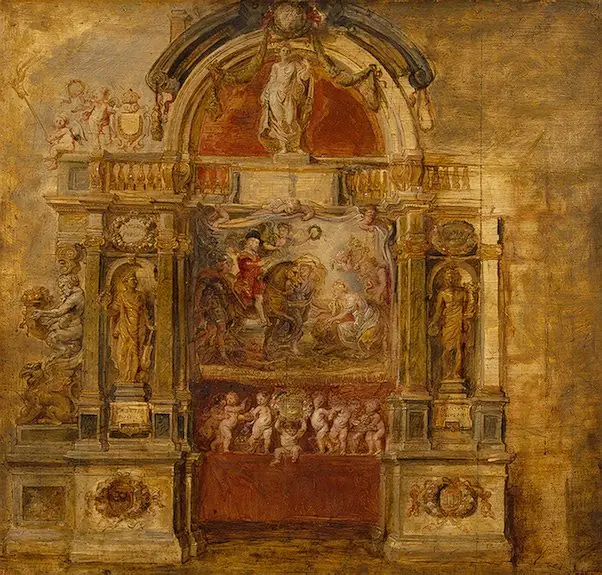 Congratulations on the Arrival of Prince Ferdinand (Adventus Seren. Princ. Gratulatio)
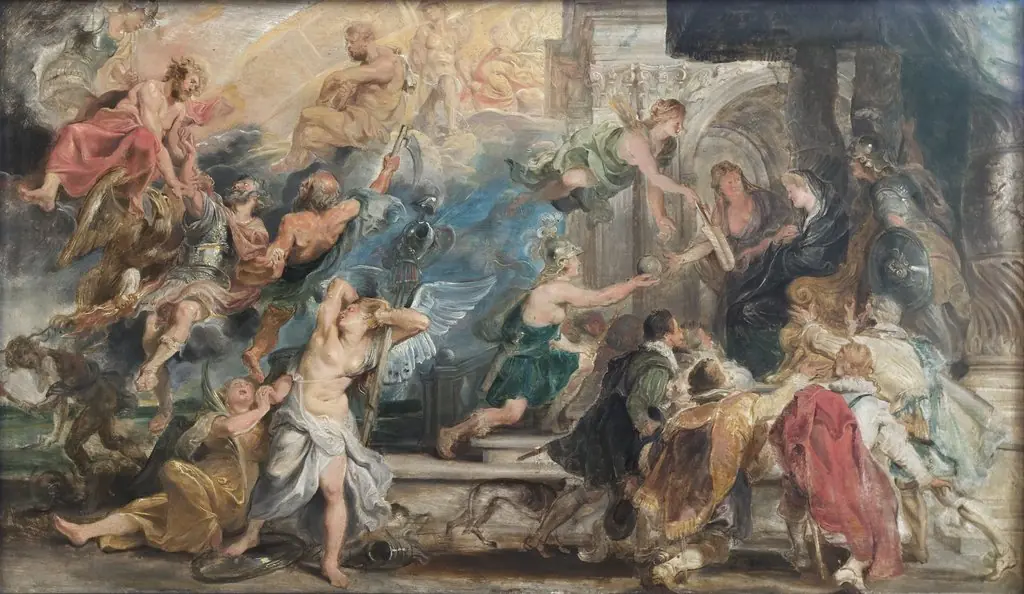 The Apotheosis of Henri IV
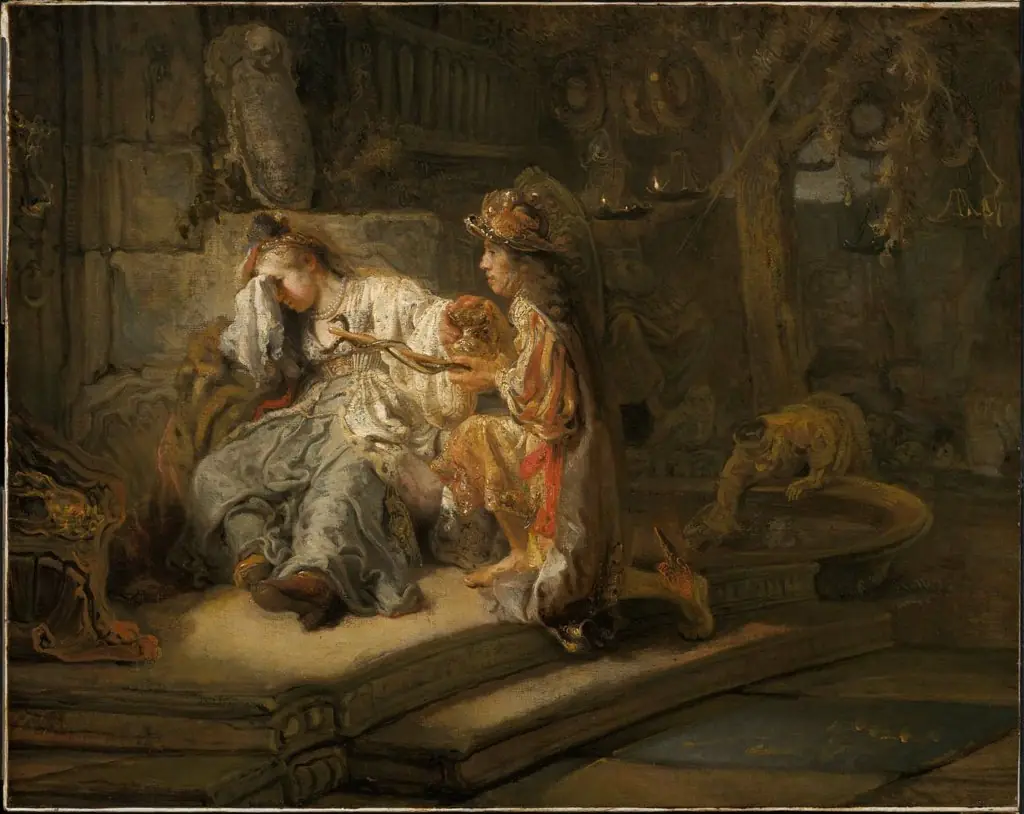 Mercury and Aglauros
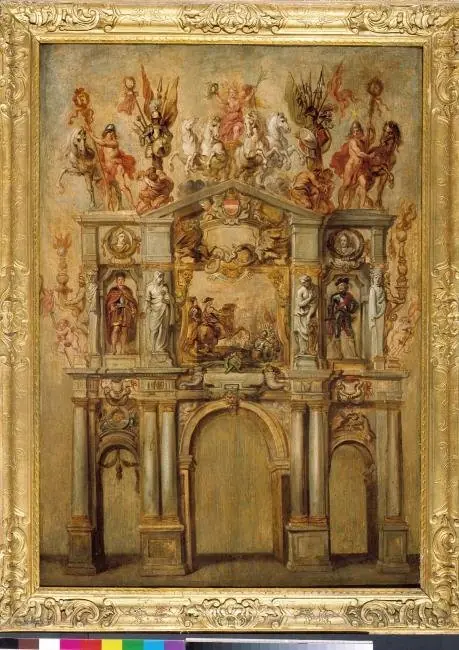 Sketch of the front of the triumphal arch of the Cardinal-Infant Ferdinand
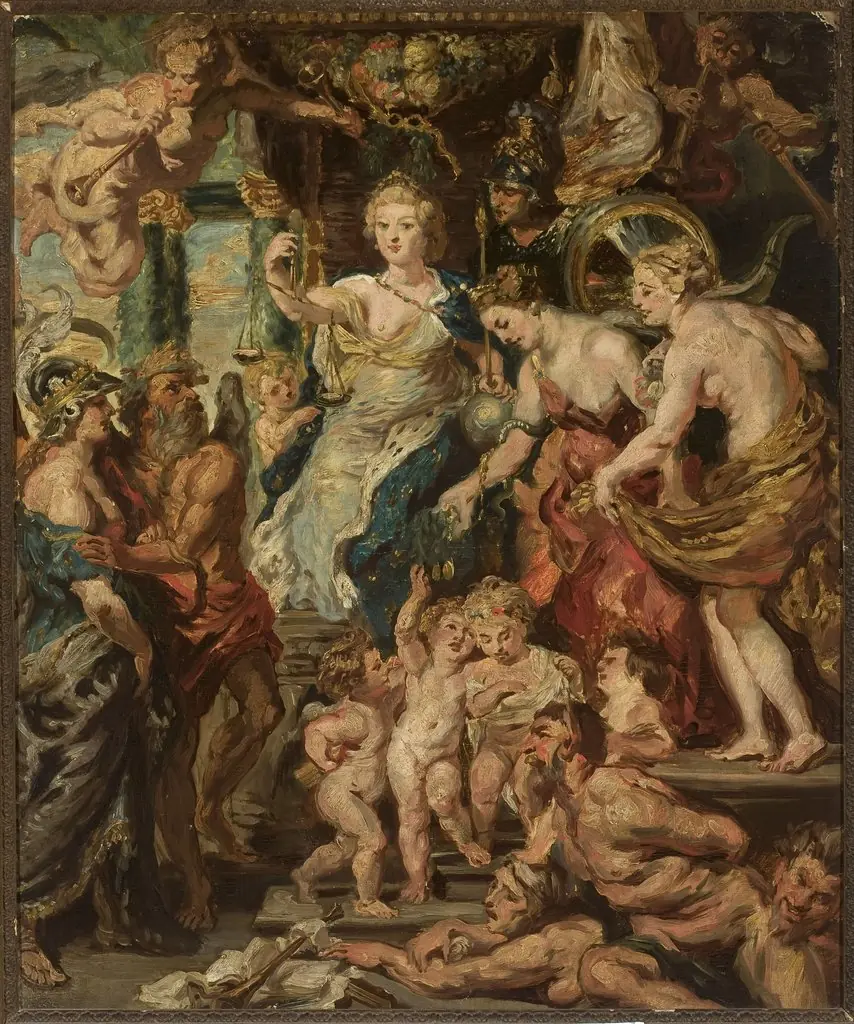 Apotheosis of Maria Medici
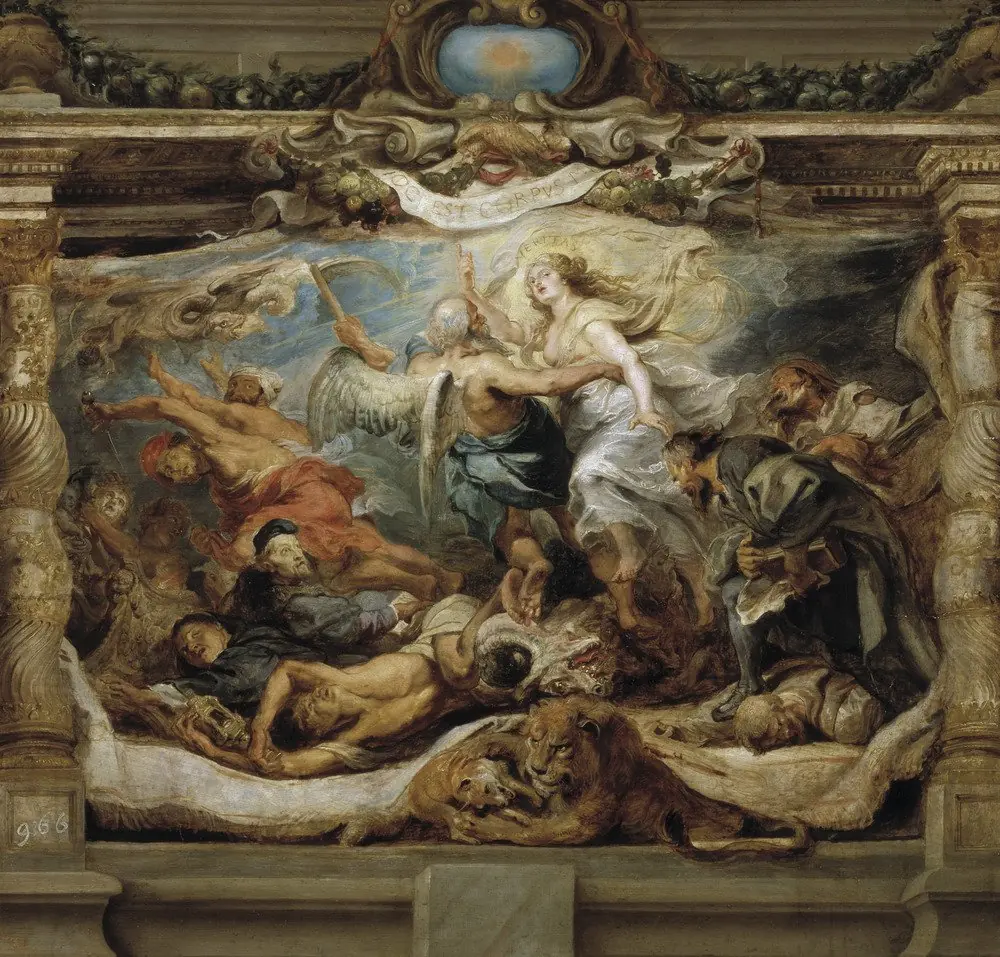 The Victory of Truth over Heresy
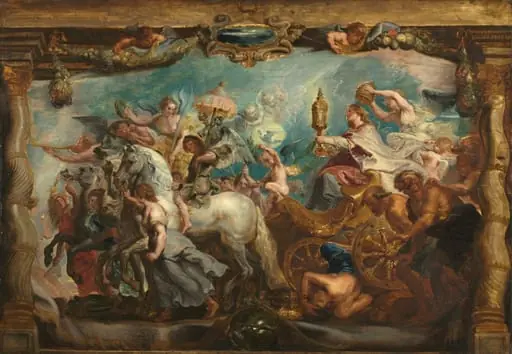 The Triumph of the Church
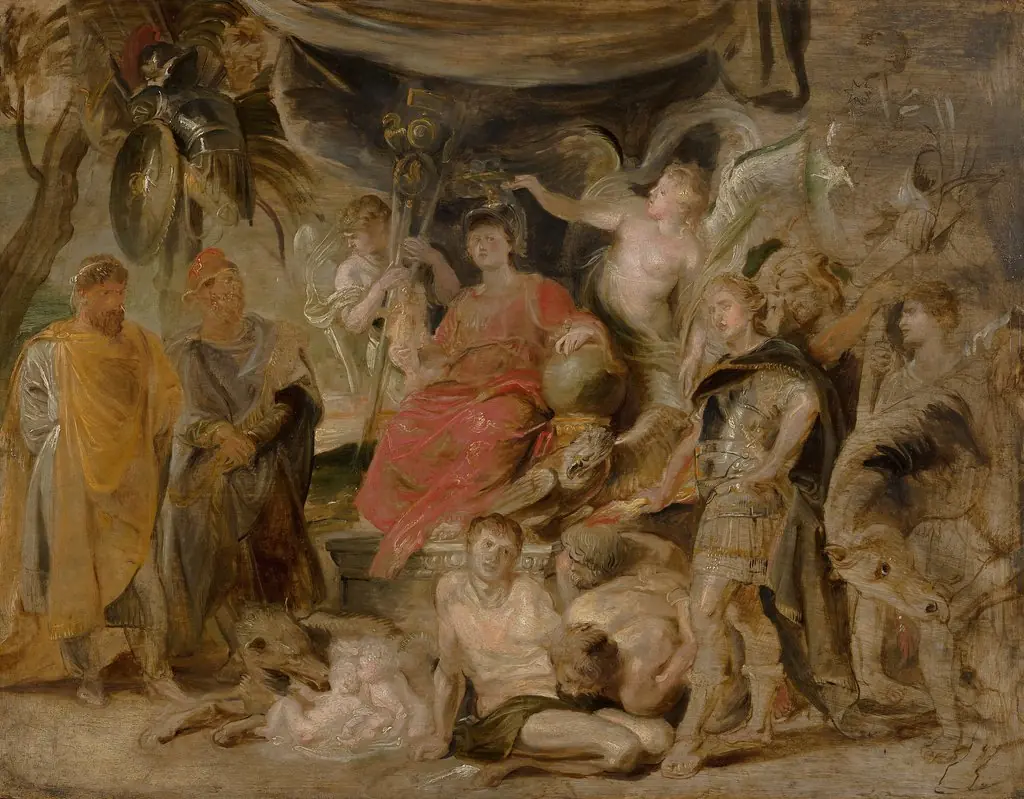 The Triumph of Rome: The Youthful Emperor Constantine Honouring Rome
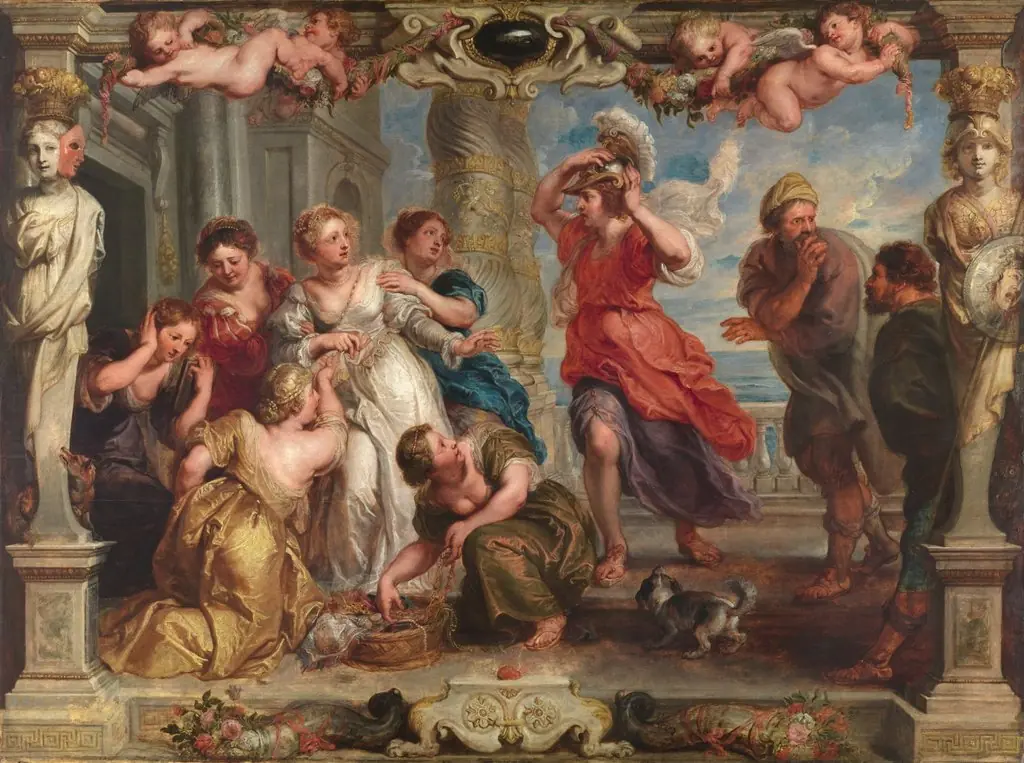 Achilles discovered Among the Daughters of Lycomedes