Artwork
Interior with Drinking Figures and Crying Children
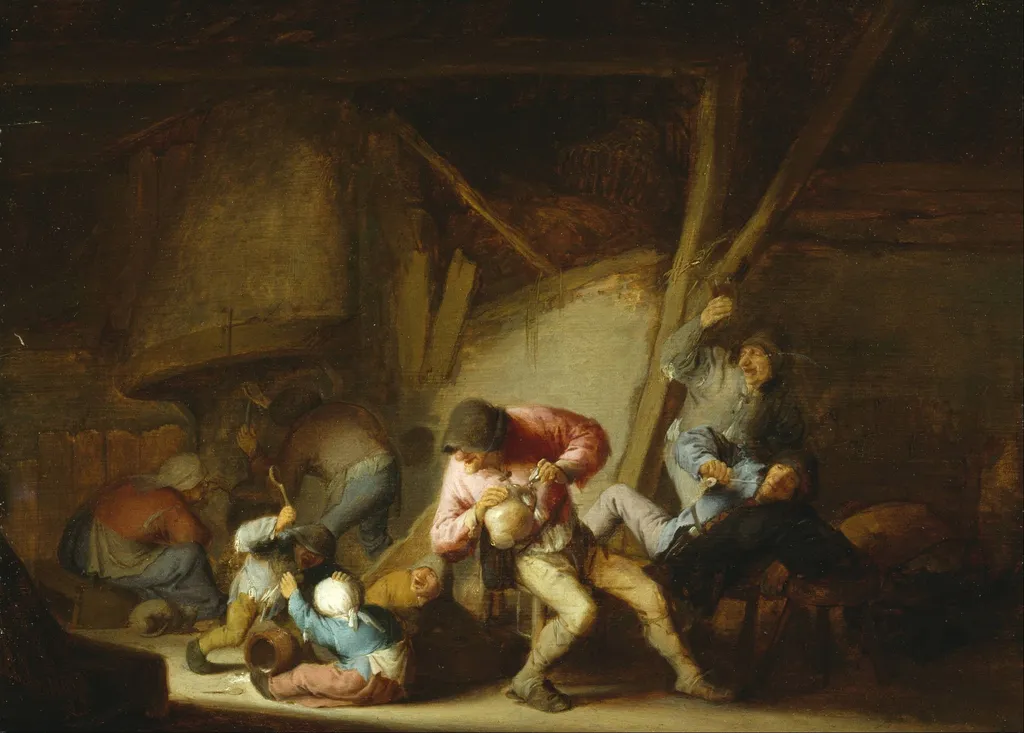
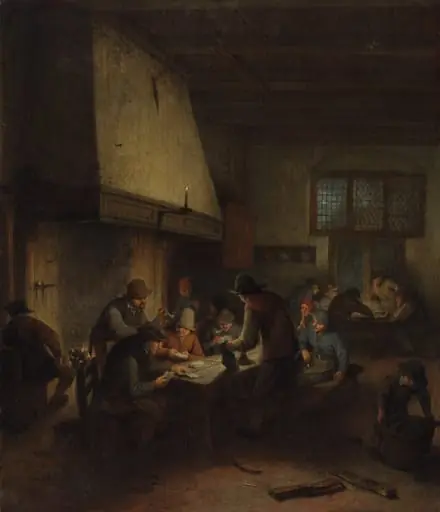
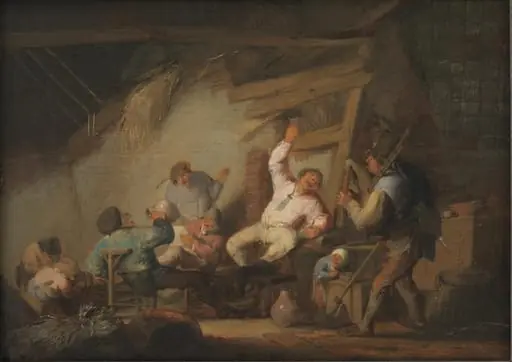
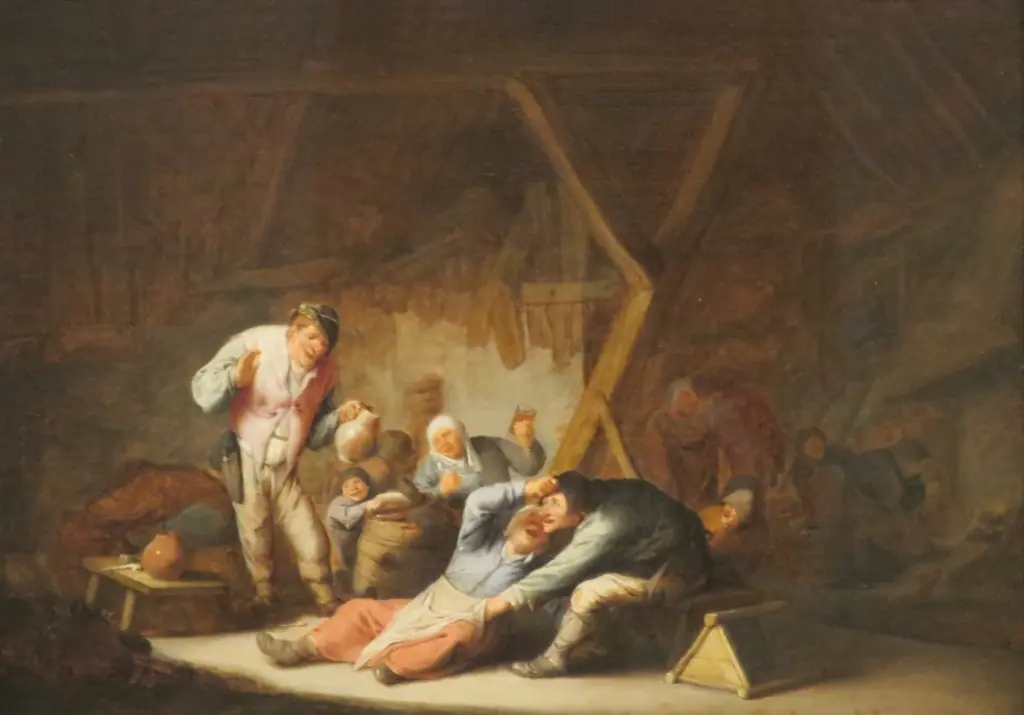
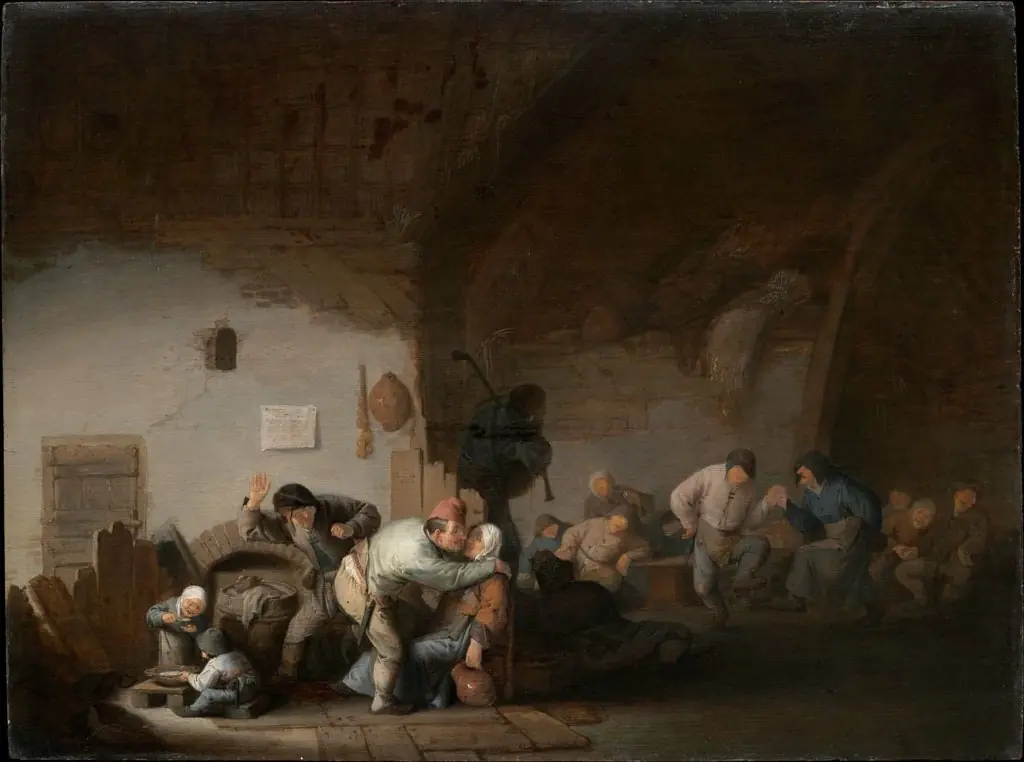
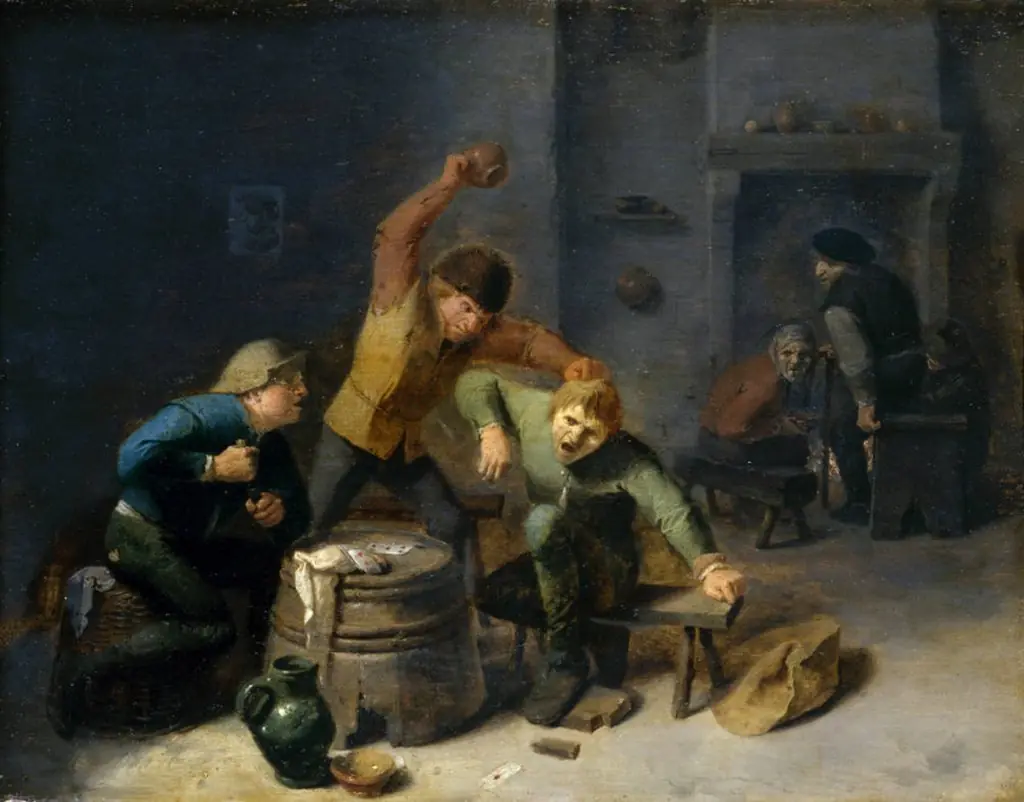
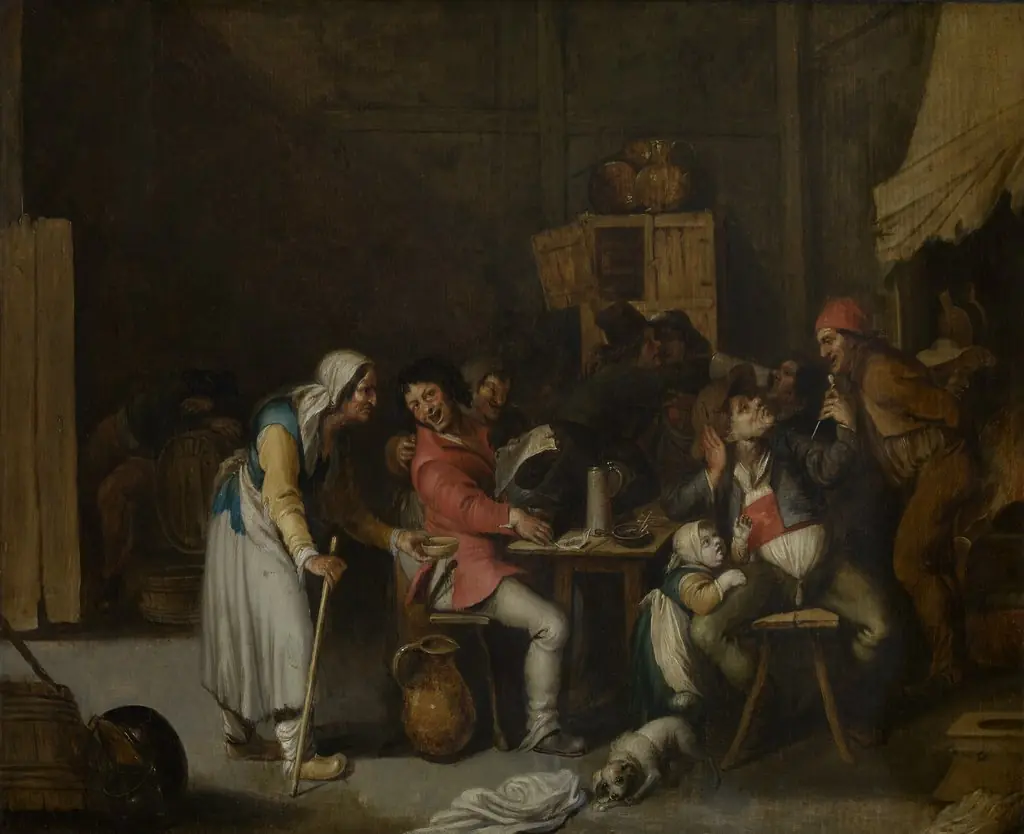
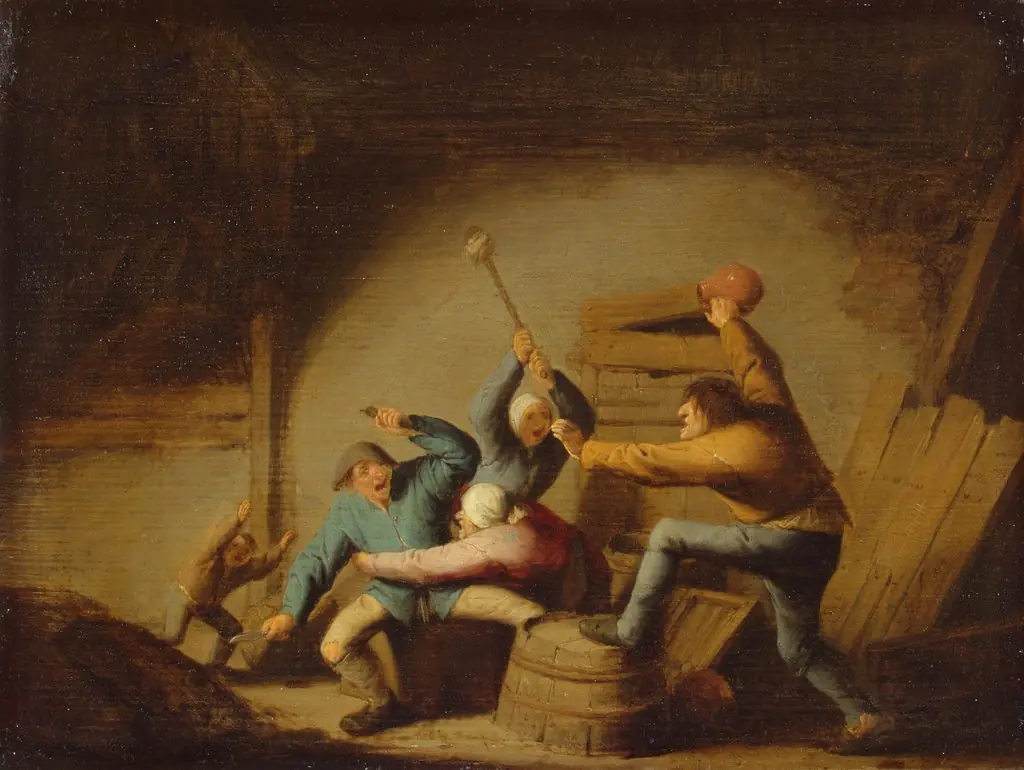
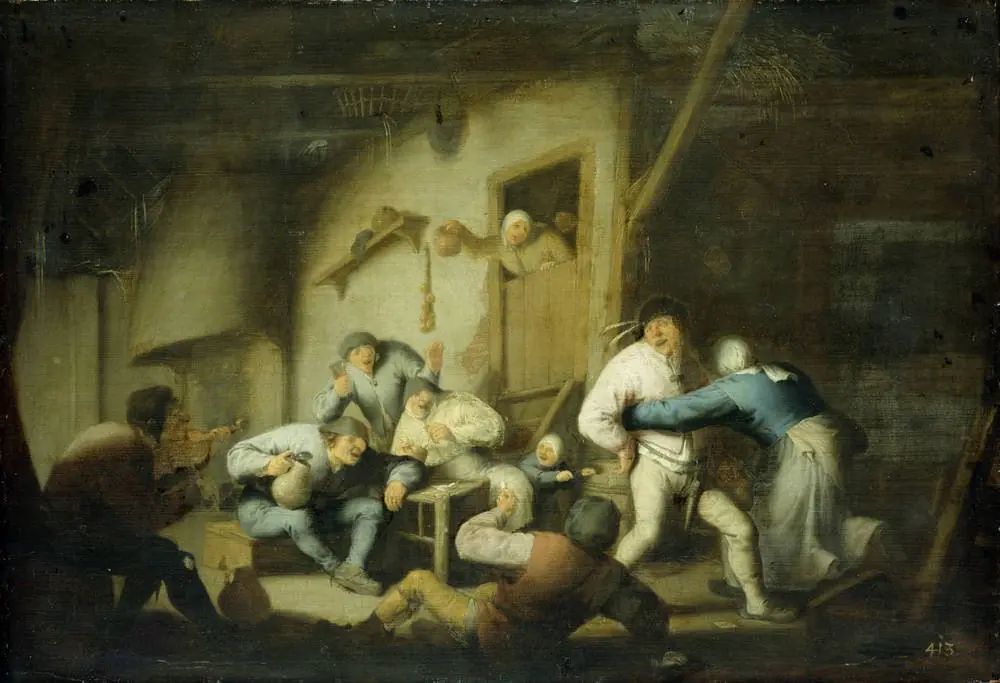
Interior with Drinking Figures and Crying Children is an oil painting by the Dutch Golden Age artist Adriaen van Ostade. It dates from 1634 and is held in the collection of the Museum of Fine Arts, Houston.
About this work
Overview
Painted in 1634 by Adriaen van Ostade, this oil-on-canvas work depicts a domestic interior crowded with figures engaged in everyday activities.
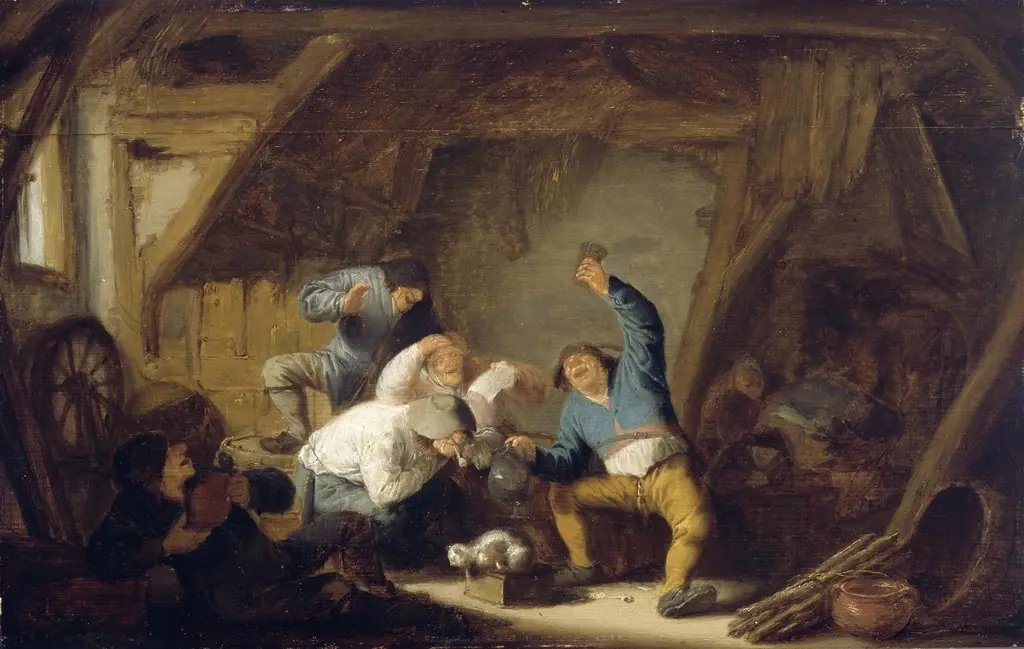
Painted in 1634 by Adriaen van Ostade, this oil-on-canvas work depicts a domestic interior crowded with figures engaged in everyday activities. The scene captures a moment of unrefined social interaction, where revelry and distress coexist. Its muted palette of browns and ochres grounds the composition in a sense of intimate, unidealized reality, characteristic of Dutch genre painting of the period.
Subject & Meaning
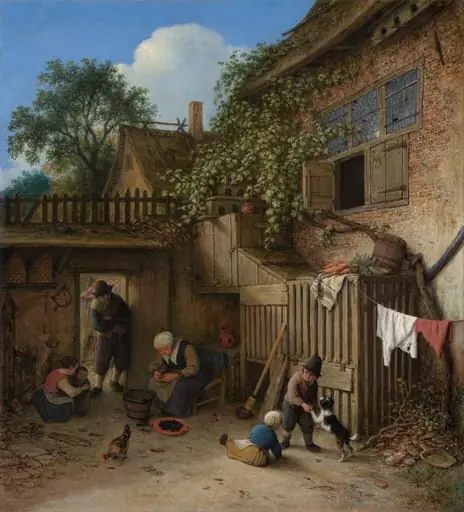
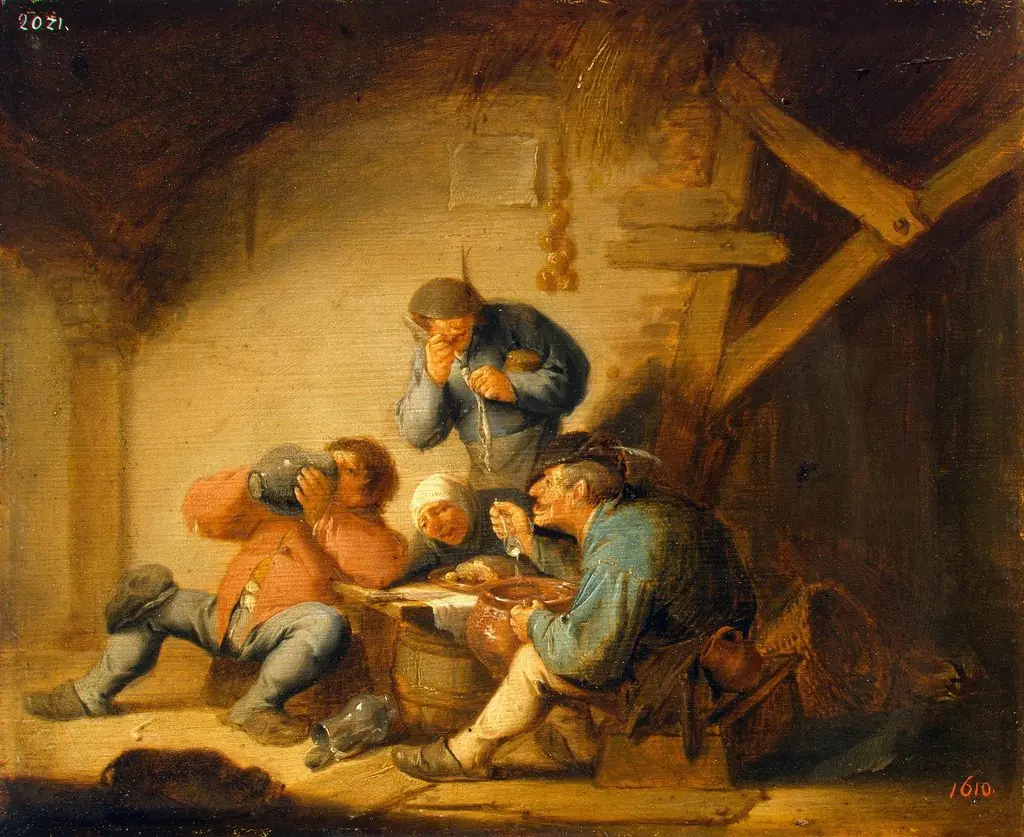
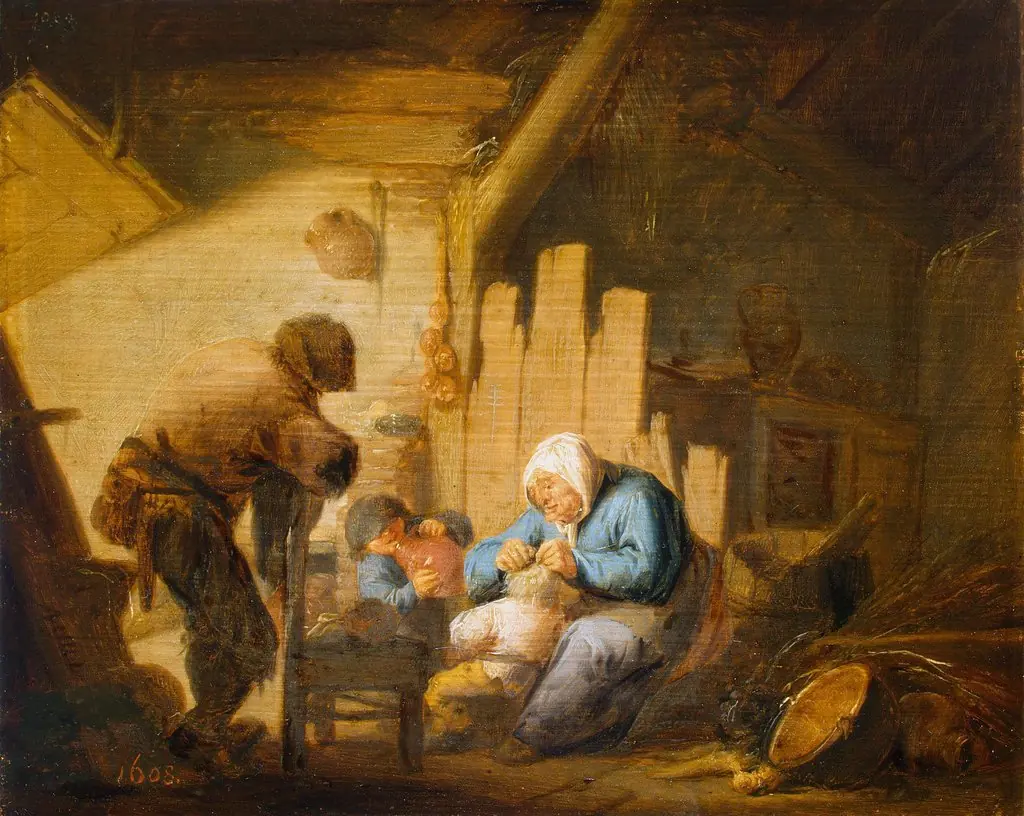
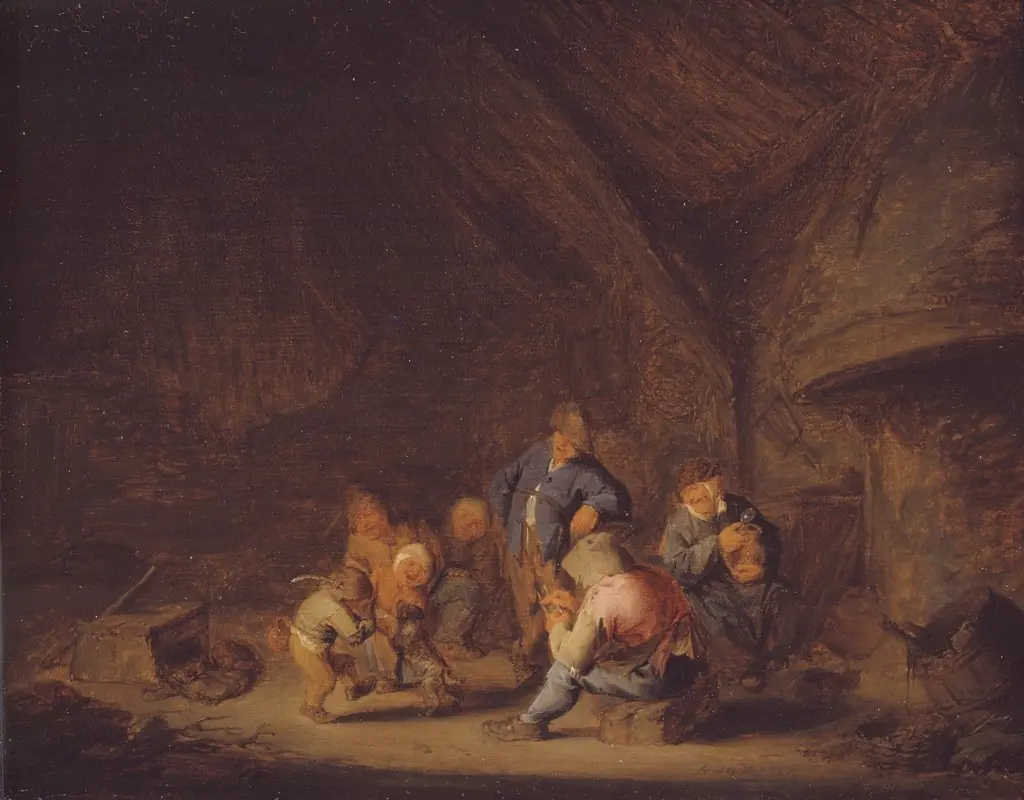
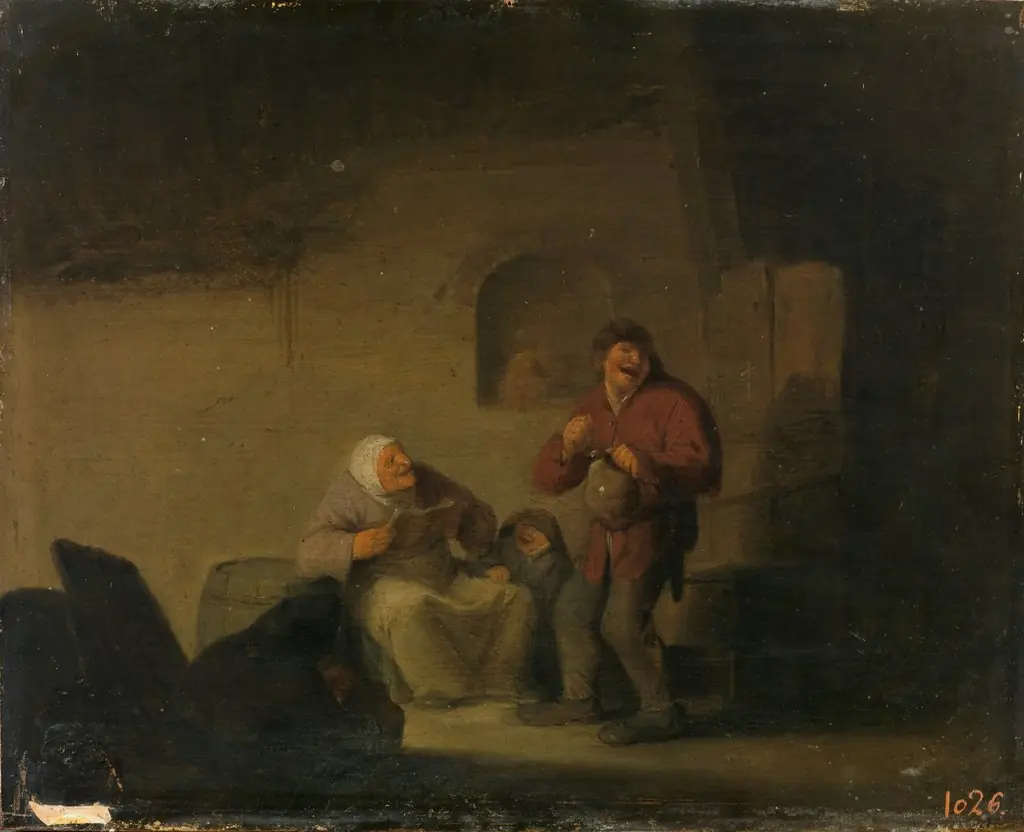
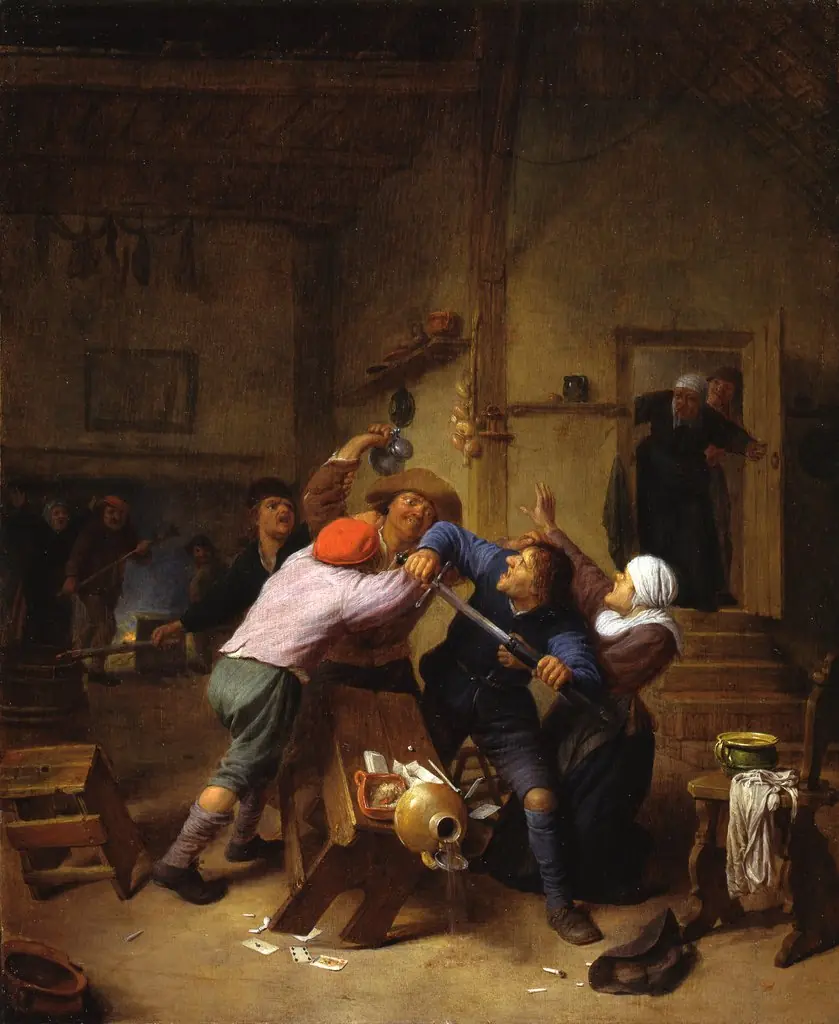
The painting portrays a mix of adult merriment and childhood distress within a single domestic space. Drunken figures sit, stand, and recline, while infants cry amid the noise, suggesting the tension between indulgence and consequence. The absence of moralizing gestures leaves interpretation open, reflecting the Dutch interest in observing human behavior without overt judgment.
Technique & Style
Van Ostade employs loose, textured brushwork to render surfaces of wood, fabric, and skin with tactile immediacy. Light filters unevenly through the dim interior, casting soft shadows that define forms without harsh contrast. The composition is deliberately unstructured, with figures arranged in a loose, almost spontaneous cluster, enhancing the sense of unposed realism.
History & Provenance
The painting entered the collection of the Museum of Fine Arts, Houston, in the 20th century, though its earlier ownership remains undocumented. It has been consistently attributed to van Ostade since its modern rediscovery, aligning with his known output from the 1630s, a period when he frequently depicted rustic interiors with psychological nuance.
Context
Created during the Dutch Golden Age, the work reflects a broader cultural fascination with scenes of ordinary life. Unlike idealized historical or religious subjects, van Ostade’s genre scenes valued authenticity over grandeur. This painting fits within a tradition that elevated the mundane, capturing the complexities of lower- and middle-class domesticity in the Netherlands.
Legacy
Van Ostade’s unembellished portrayals of everyday life influenced later genre painters and contributed to the enduring appeal of Dutch realism. While not widely celebrated in his own time as a revolutionary, his attention to emotional nuance within crowded interiors helped define a quiet, observational strand of 17th-century art that continues to inform modern understandings of social history.
Own this work as a print
Artist & collection
Artist
Adriaen van Ostade (baptized as Adriaen Jansz Hendricx 10 December 1610 – buried 2 May 1685) was a Dutch Golden Age painter of genre works, showing the everyday life of ordinary men and women.