Artwork
Bauernschlägerei in einer Kneipe
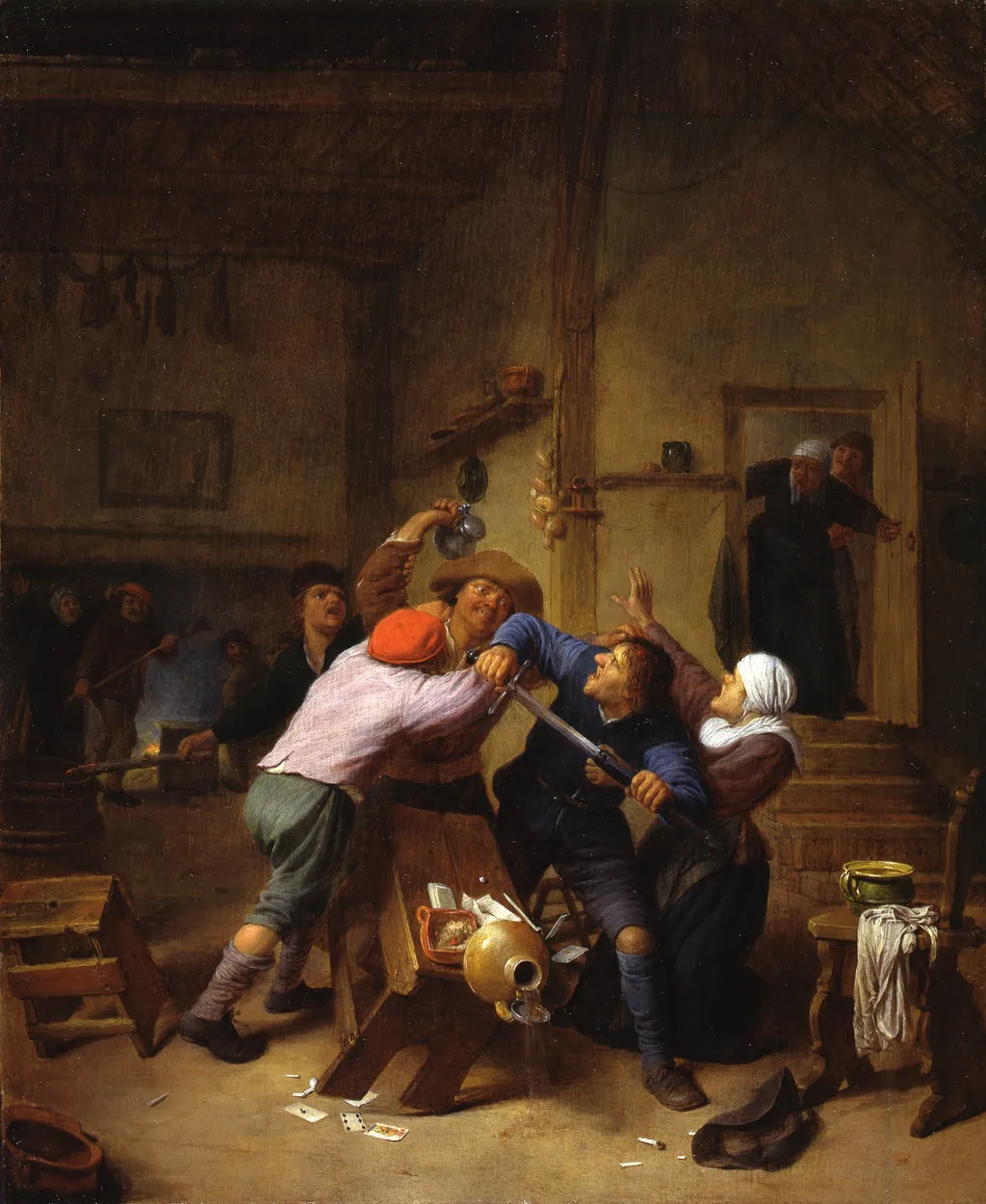
Bauernschlägerei in einer Kneipe is a paint painting by the Dutch Golden Age artist Hendrik Martenszoon Sorgh. It dates from 1650 and is held in the collection of the Gemäldegalerie Berlin.
About this work
Overview
It captures a moment of sudden violence amid everyday surroundings, rendered with attention to the physicality and movement of its figures.
Painted around 1650 by Hendrik Martenszoon Sorgh, this oil on panel depicts a chaotic interior scene set in a tavern. The work is part of the collection at the Gemäldegalerie in Berlin. It captures a moment of sudden violence amid everyday surroundings, rendered with attention to the physicality and movement of its figures. The composition draws the viewer into the tension of the moment without overt moralizing.
Subject & Meaning
A central figure brandishes a sword and a jug, surrounded by others reacting with urgency—reaching, shoving, or watching. The scene suggests a drunken brawl erupting over a disputed drink or insult, a common theme in Dutch genre painting of the period. No clear hero or villain emerges; instead, the painting presents human behavior in unvarnished, unidealized motion, reflecting contemporary interest in social realism.
Technique & Style
Sorgh employs a tight, detailed brushwork to render textures—wood grain, fabric, metal, and skin—with subtle tonal shifts. Light falls unevenly across the room, emphasizing the central confrontation while leaving corners in shadow. The cluttered interior, with its fireplace, chairs, and hanging objects, grounds the scene in tangible reality. His handling of gesture and spatial depth enhances the sense of immediate, unscripted action.
History & Provenance
The painting entered the Gemäldegalerie Berlin’s collection in the 19th century, likely through the acquisition of private holdings from the Dutch Republic or German states. Its attribution to Sorgh has remained consistent since its cataloging. No significant alterations or restorations are documented, preserving its original surface and compositional balance.
Context
Created during the Dutch Golden Age, the work aligns with a broader trend of genre scenes depicting tavern life, often infused with moral undertones. While some contemporaries portrayed such settings as cautionary tales, Sorgh’s approach leans toward observational neutrality. The painting reflects urban Dutch society’s fascination with the unruly margins of public and private behavior.
Legacy
Though not widely reproduced, the painting contributes to scholarly understanding of Sorgh’s role in Dutch genre painting. It exemplifies how artists of the period captured fleeting human interactions without idealization. Its preservation in a major public collection ensures continued study of 17th-century social dynamics through visual culture.
Own this work as a print
Artist & collection
Artist
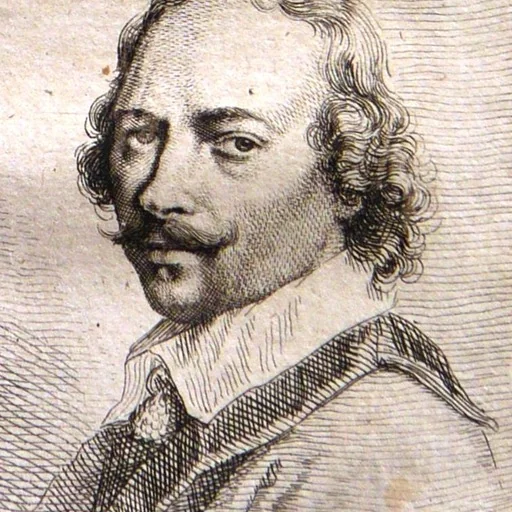
Hendrik Martenszoon Sorgh (1610–1670) was an artist, born in Rotterdam.

 Dancing couple
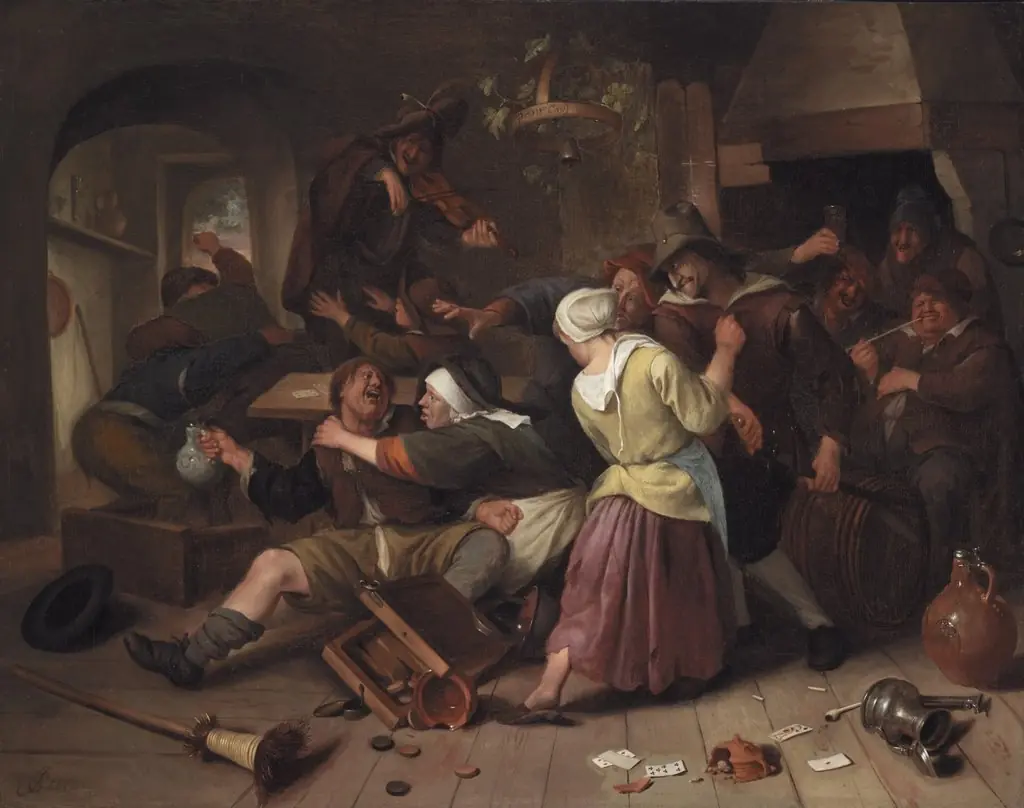 Gamblers' Quarrel
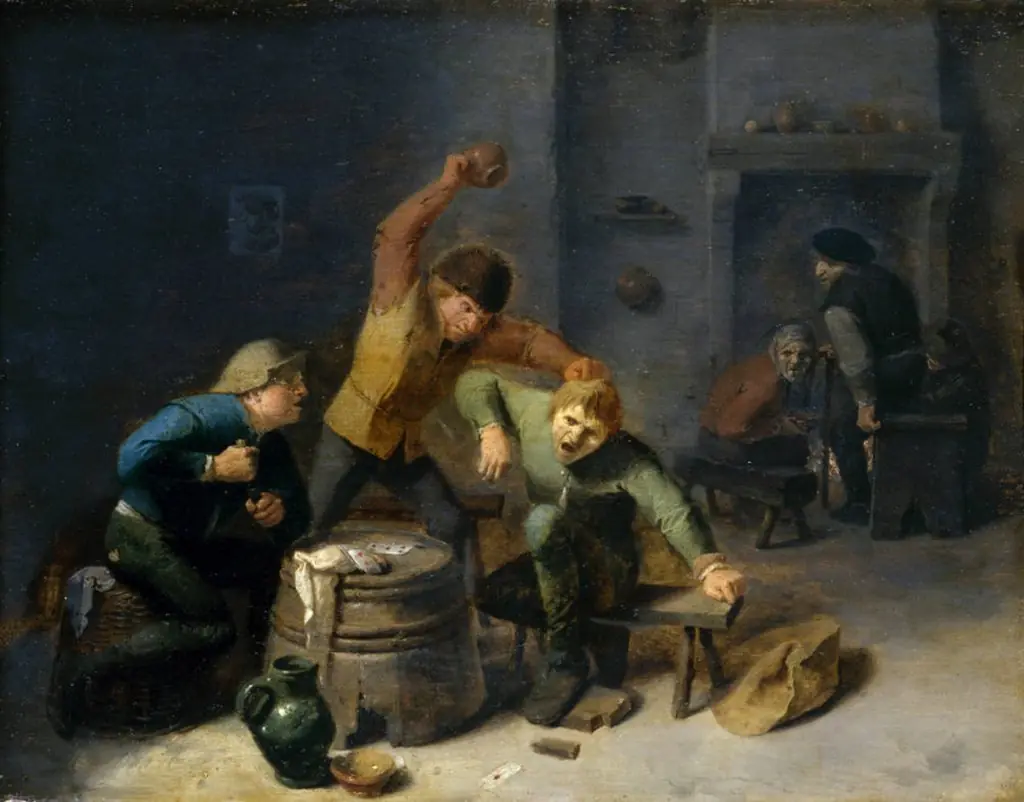 Peasants Brawling over Cards
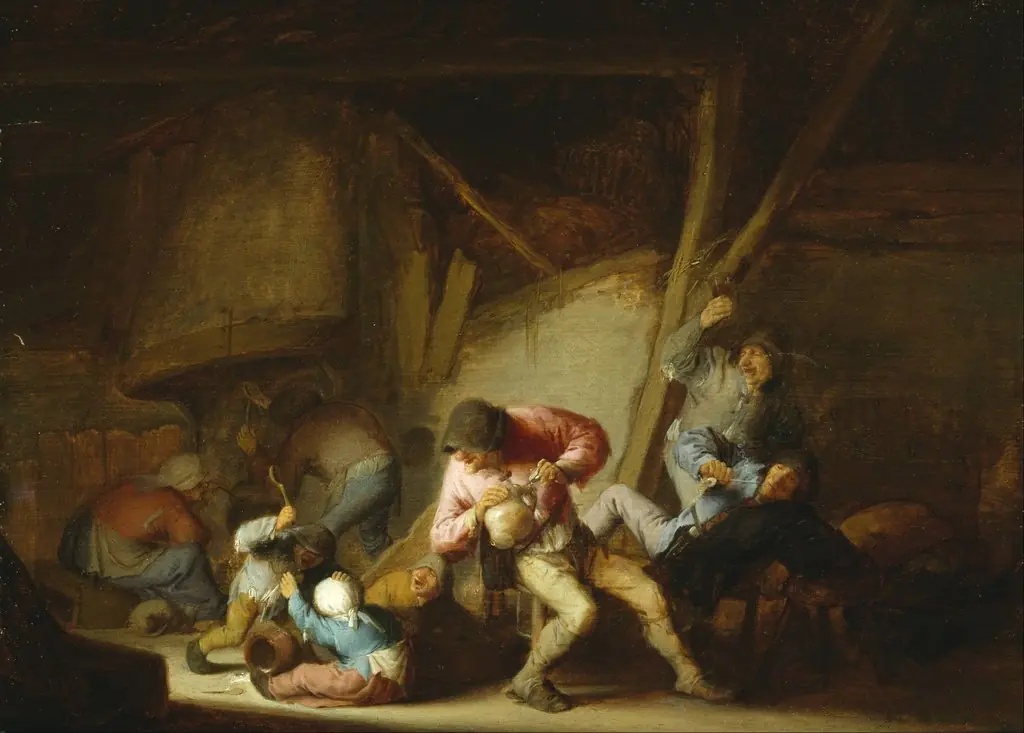 Interior with Drinking Figures and Crying Children
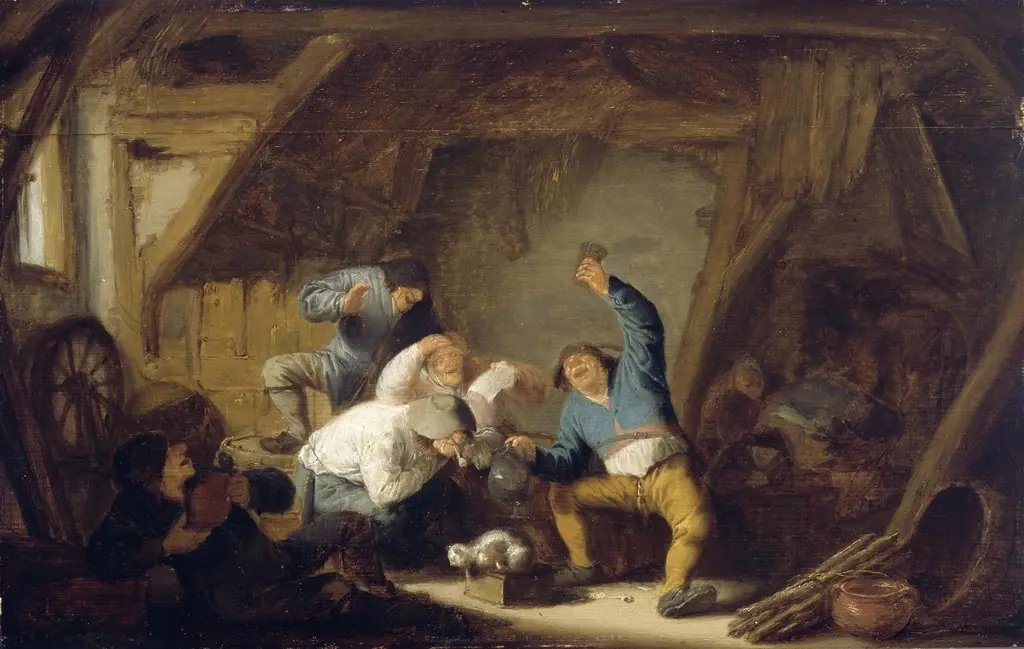 Boors Drinking in a Barn
 Making Merry in a Farm Cottage
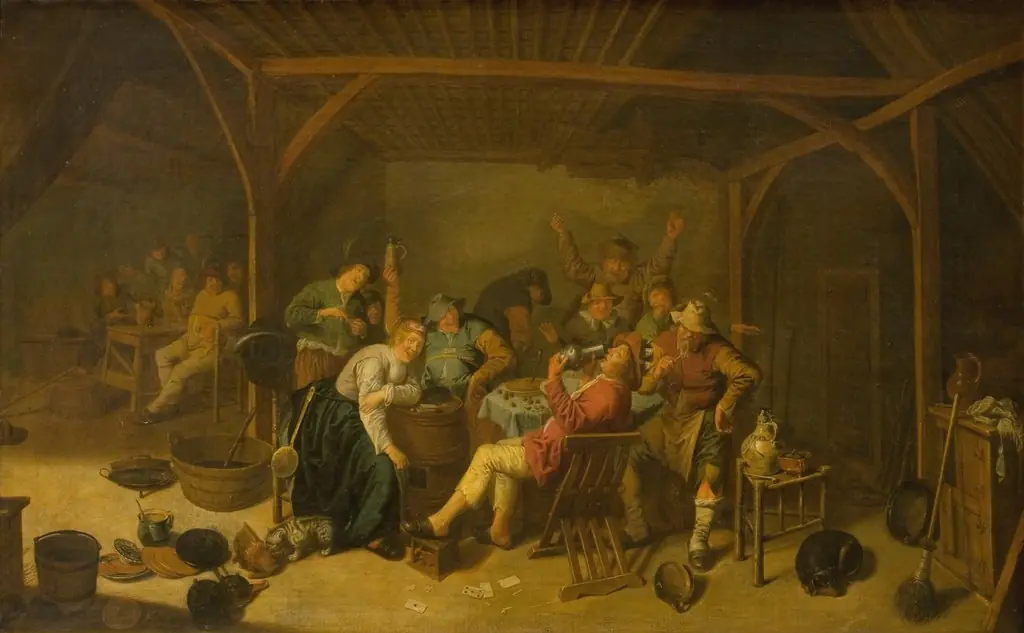 The Bean King is Drinking
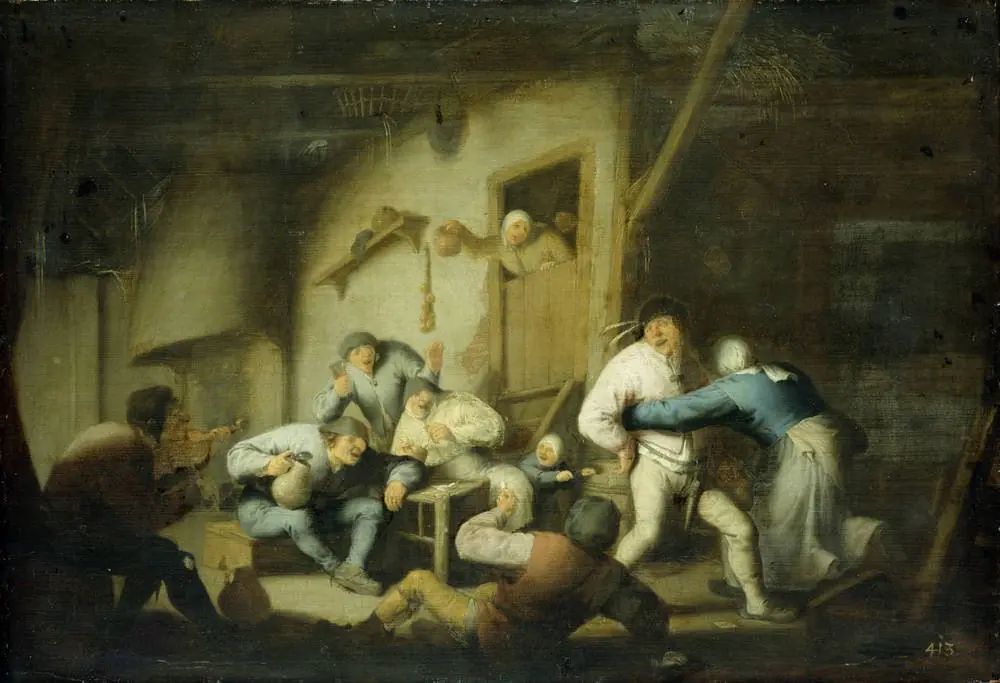 Boisterous Peasants at an Inn
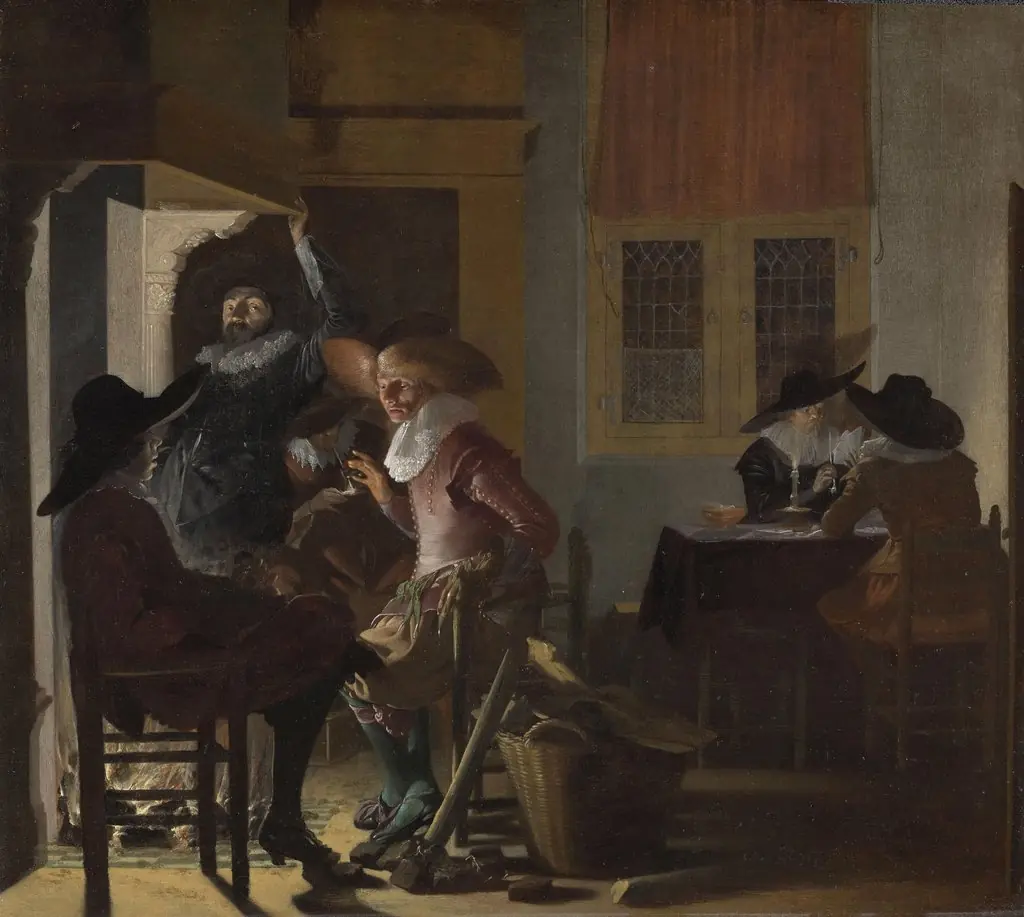 Soldiers beside a Fireplace
 The Bean King is Drinking
 Peasant Dance
 Men and Women at a Country Inn