Artwork
Strand-on-the-Green, near Kew, and the Railway Bridge
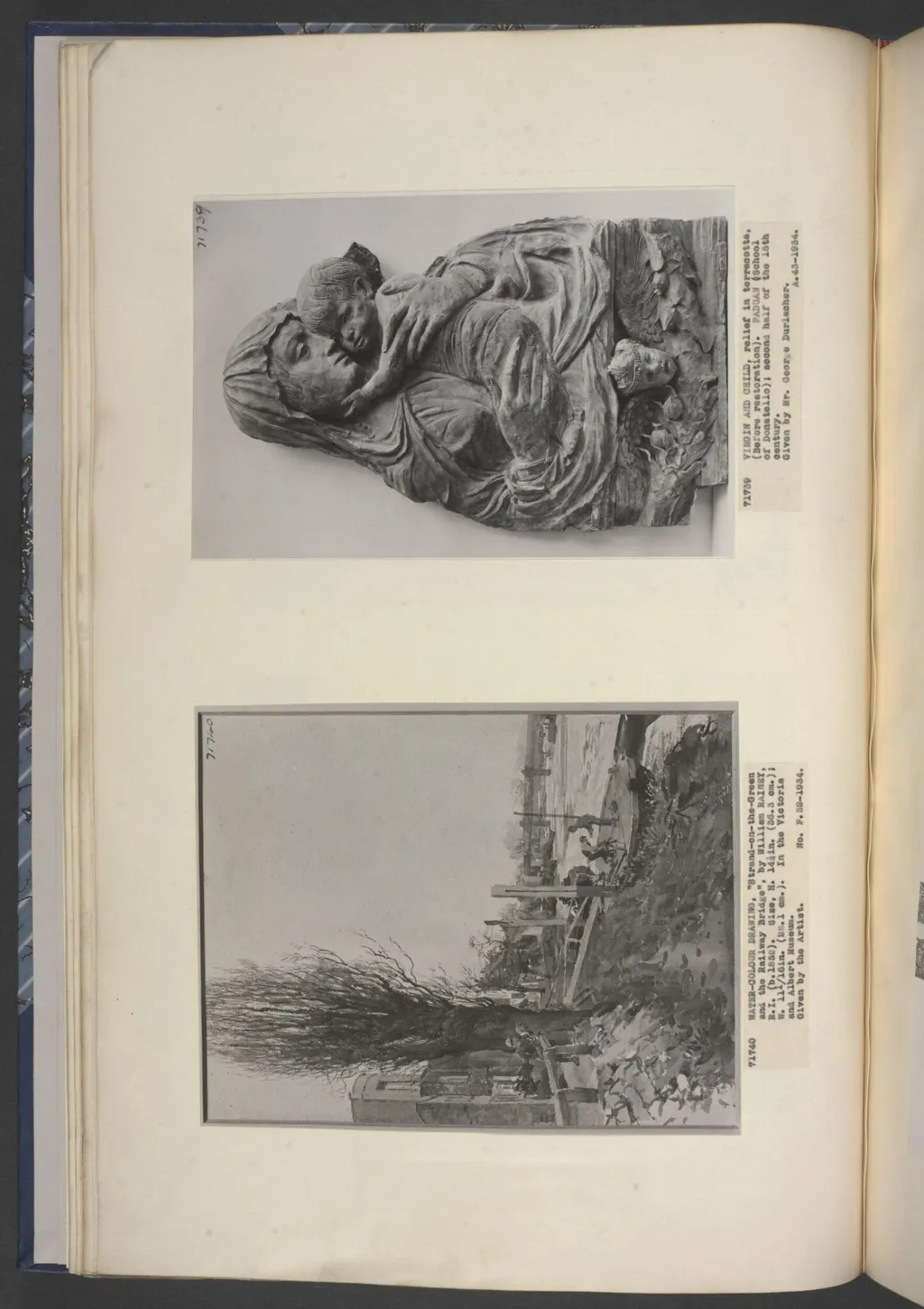
Strand-on-the-Green, near Kew, and the Railway Bridge is a watercolor work on paper by the Impressionist artist William RI Rainey. It dates from 1875 and is held in the collection of the Victoria and Albert Museum.
About this work
Overview
This watercolour captures a quiet stretch of the Thames at Strand-on-the-Green, near Kew, with the newly constructed railway bridge arching overhead.
This watercolour captures a quiet stretch of the Thames at Strand-on-the-Green, near Kew, with the newly constructed railway bridge arching overhead. Executed in loose, fluid strokes, the work conveys a fleeting moment rather than a detailed panorama. The artist’s focus lies in atmospheric effect, not architectural precision, with the river’s surface and sky rendered through rapid, textured marks.
Subject & Meaning
The scene portrays everyday life along the Thames in the late 19th century: a train crosses above, while a few figures stand near the tracks, undisturbed by the industrial presence. The bridge, a symbol of modernization, is integrated into the landscape without dominance. The quietude of the figures suggests a coexistence between nature and progress, neither celebrated nor condemned.
Technique & Style
The painting employs a restrained palette and agile brushwork to suggest movement in water and cloud cover. Wet-on-wet washes create soft transitions, while dry brushstrokes define the rocky bank and rail structure. Details are minimized—figures are implied, not defined—emphasizing light and atmosphere over literal representation, aligning with contemporary tendencies in British watercolour practice.
History & Provenance
The title is inscribed in pencil on the reverse of the mount, a common practice for private or working sketches. Its origin is tied to the artist’s direct observation of the site, likely made during a visit to the area. The work entered the Victoria and Albert Museum’s collection as part of a broader acquisition of 19th-century British watercolours, valued for its documentary and aesthetic qualities.
Context
Strand-on-the-Green was a modest riverside hamlet, increasingly accessible due to new rail lines. The bridge, completed in the 1860s, connected Kew to the expanding railway network. Artists of the period often recorded such sites as symbols of changing rural landscapes, balancing natural beauty with encroaching infrastructure in a spirit of quiet observation.
Legacy
The work exemplifies a British watercolour tradition that prioritized immediacy and tonal harmony over finish. It reflects a broader shift in artistic priorities during the late 1800s, where sketches gained recognition as autonomous works. Its preservation in the V&A underscores its role as a record of both place and practice in Victorian visual culture.
Artist & collection
Artist
William Rainey painted soft, detailed watercolors of British river scenes and bridges in the late 1800s.

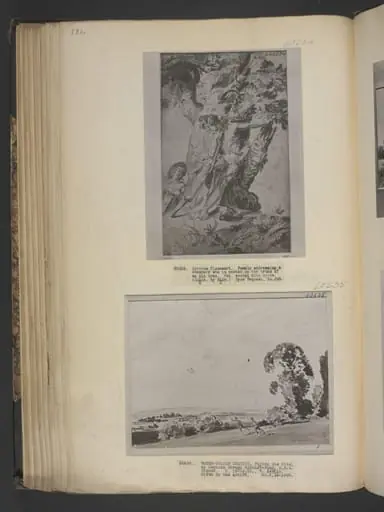 Flying the Kite
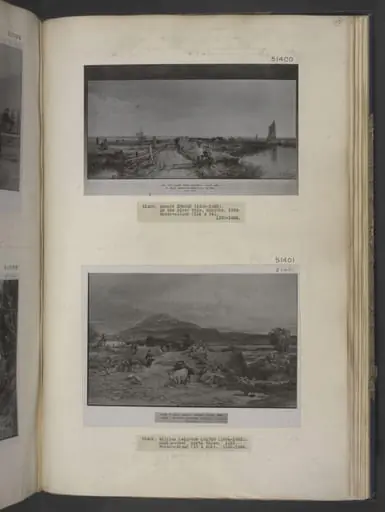 On the River Yare in Norfolk
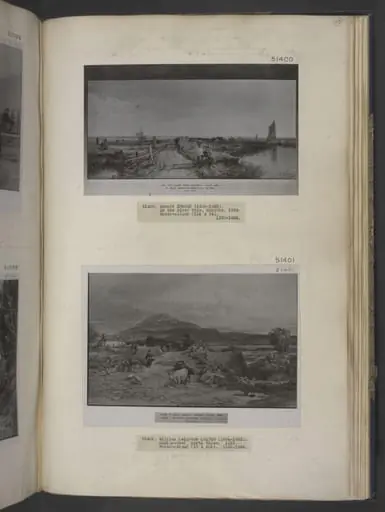 Moel-y-Gest, North Wales, with figures and cattle
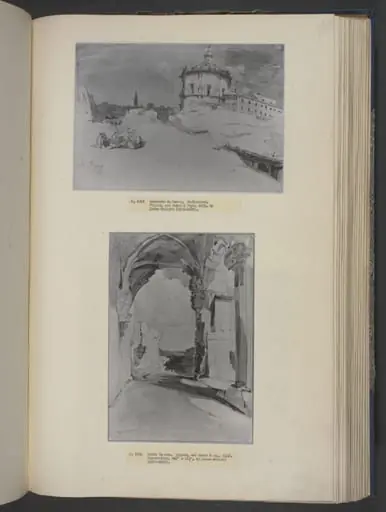 Porto de Moz
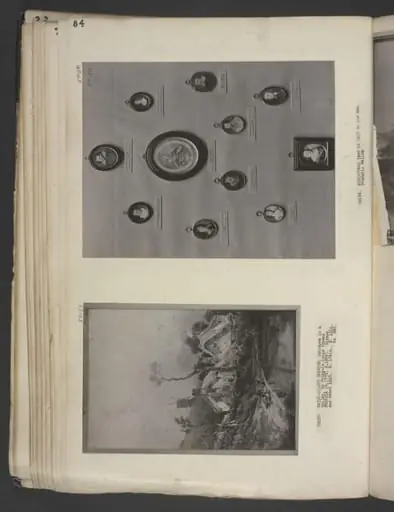 Cottages in a Valley
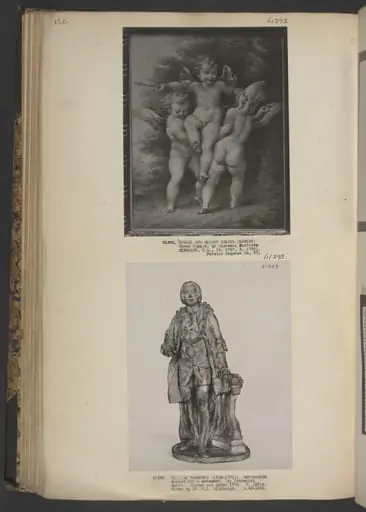 Three Cupids
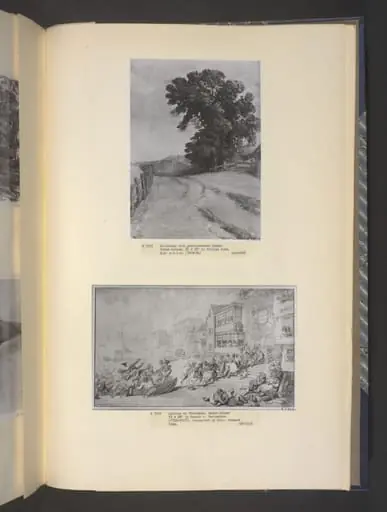 Landscape with grass covered track and hills in the background
 Exterior of the International Exhibition of 1862.
 Hagar and Ishmael
 Fortune Distributing her Gifts
 Untitled
 Landscape evening