Artwork
Hagar and Ishmael
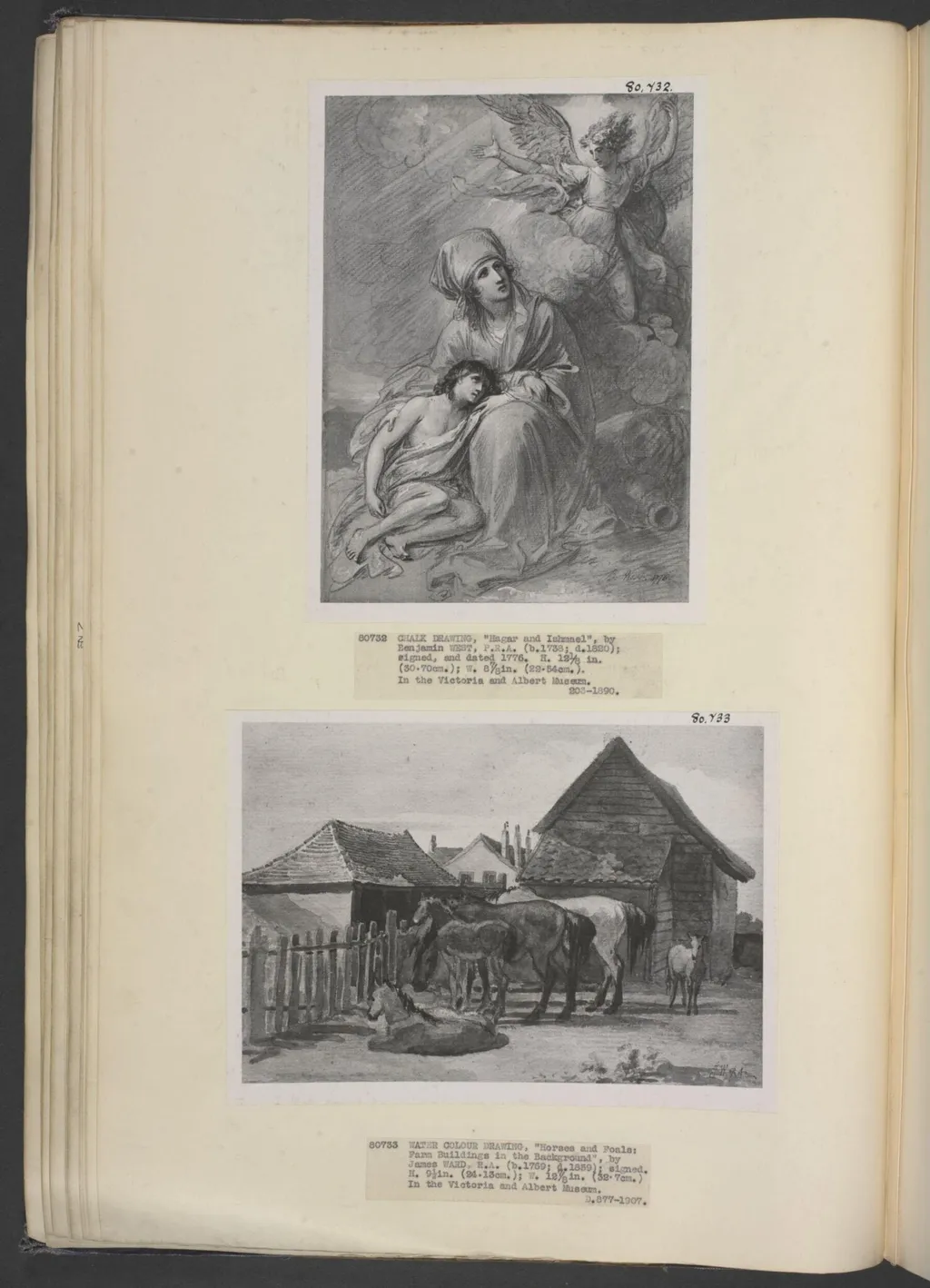
Hagar and Ishmael is a drawing by the Romanticist artist West. It dates from 1776 and is held in the collection of the Victoria and Albert Museum.
About this work
Overview
The composition centers on two figures in a moment of profound vulnerability, rendered with careful attention to gesture and spatial depth.
This 1776 drawing by an identified artist portrays the biblical moment of Hagar and Ishmael in the wilderness. Originally conceived as a painting, the work was later reworked into a drawn format. The artist signed and dated the piece, affirming its completion in the year of its first exhibition. The composition centers on two figures in a moment of profound vulnerability, rendered with careful attention to gesture and spatial depth.
Subject & Meaning
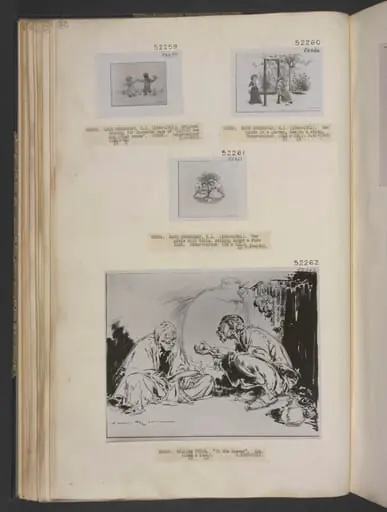
The scene illustrates Hagar, cast out into the desert with her son Ishmael, as described in Genesis. She sits exhausted on the ground, her child beside her, his distress palpable. Above, an angel appears, signaling divine intervention. The moment captures despair and hope in tension—human suffering met by unseen grace. The narrative draws on religious tradition to evoke empathy, not doctrinal instruction.
Technique & Style
The work employs fine linear detail and subtle tonal gradations to model form and texture. Shading defines the folds of Hagar’s robe and the child’s posture, while the angel is rendered with lighter, more ethereal strokes. The composition directs focus to the central pair through controlled contrast and spatial recession, avoiding theatrical excess. The handling suggests a transition from painted realism toward the expressive clarity of drawn narrative.
History & Provenance
The image was first shown as a painting in 1776, then reworked by the artist into its current drawn state. The artist’s signature and date confirm authorship and timeline. No record of early ownership or exhibition beyond its debut year survives. Its transformation from paint to drawing may reflect personal revision, practical constraints, or a shift in intended audience or purpose.
Context
Created during the late Enlightenment, the work engages with biblical storytelling still central to European visual culture, even as secular themes gained ground. While Romanticism’s emotional intensity would fully emerge later, this piece anticipates its focus on human vulnerability and spiritual crisis. The choice of a biblical subject reflects ongoing religious patronage and moral storytelling in art.
Legacy
The drawing stands as a quiet example of 18th-century narrative draftsmanship, illustrating how artists revisited and reinterpreted their own work. It offers insight into the fluid boundary between painting and drawing in the period. Though not widely known today, it contributes to understanding how religious subjects were privately contemplated and refined beyond public display.
Artist & collection
Artist
Benjamin West made grand biblical scenes in the late 1700s, drawing directly from stories he saw as dramatic human moments.