Artwork
Indian Camp
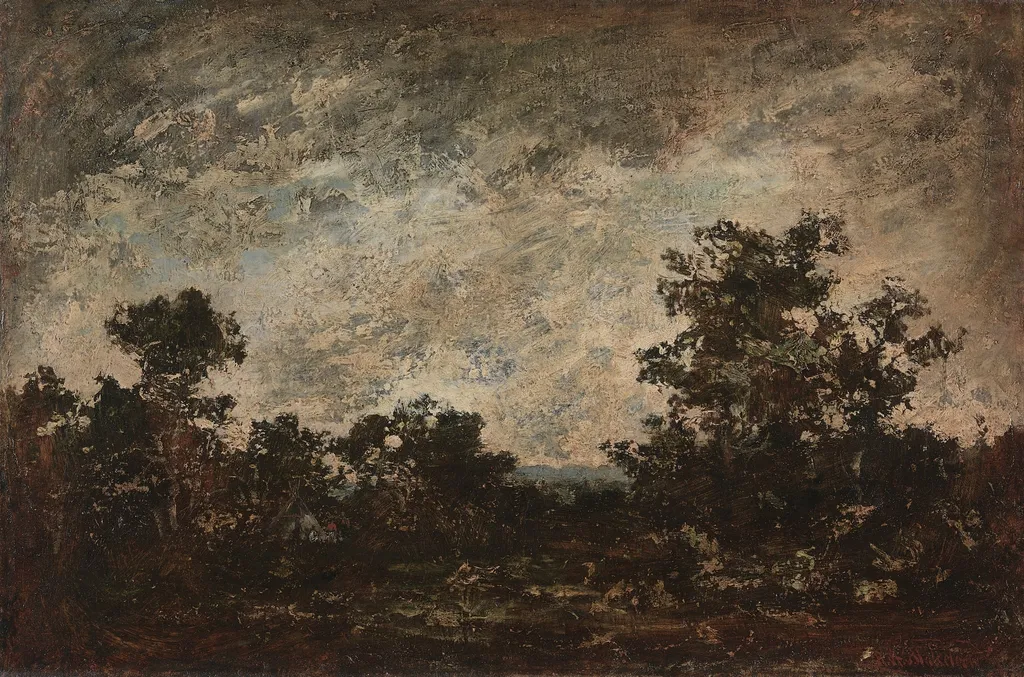
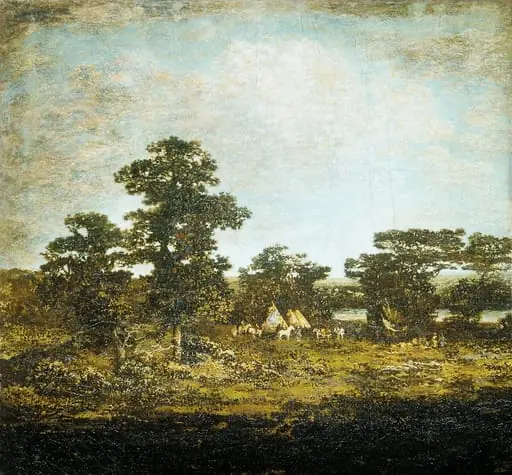
Indian Camp is an unspecified painting by the American Impressionist artist Ralph Albert Blakelock. It dates from 1890 and is held in the collection of the Cleveland Museum of Art. Ralph A.
About this work
Overview
Though sometimes grouped with American Impressionism, the piece prioritizes emotional resonance over optical realism.
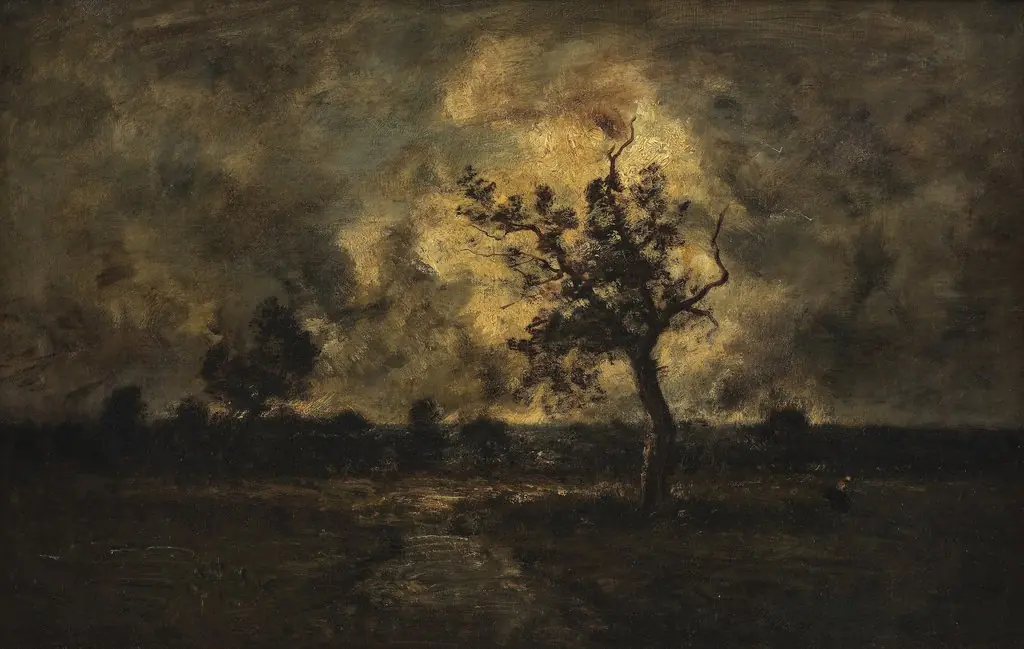
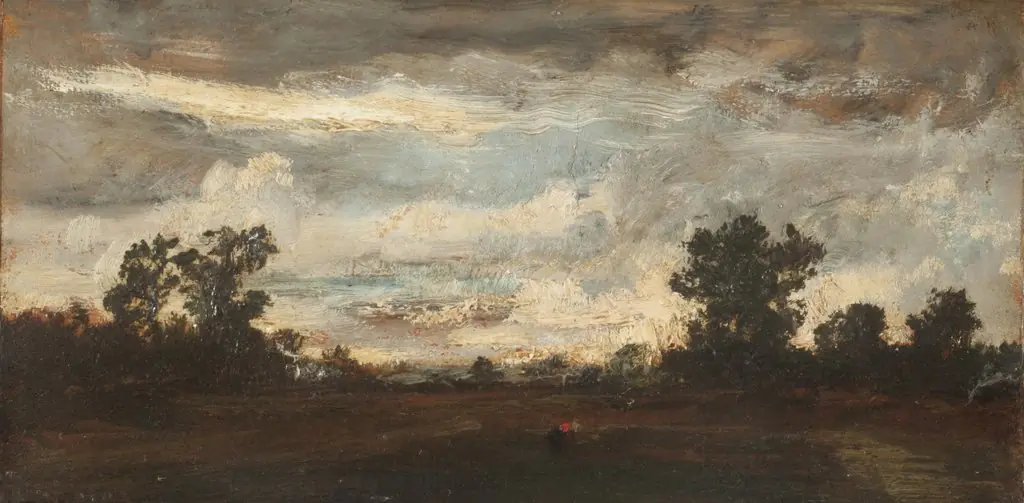
Ralph A. Blakelock painted *Indian Camp* circa 1890, a work that reflects his engagement with Tonalism and the broader shift toward atmospheric landscape painting in late 19th-century America. Though sometimes grouped with American Impressionism, the piece prioritizes emotional resonance over optical realism. Its subdued palette and loose handling distinguish it from the polished academic styles of the time, aligning it with artists seeking to convey inner feeling through nature.
Subject & Meaning
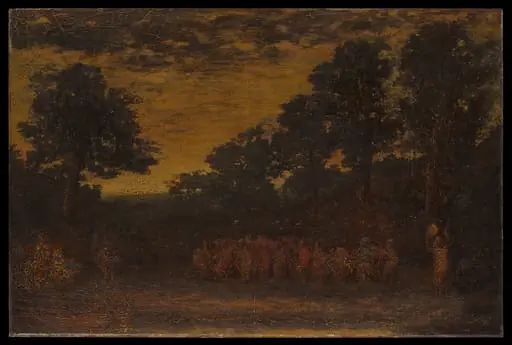
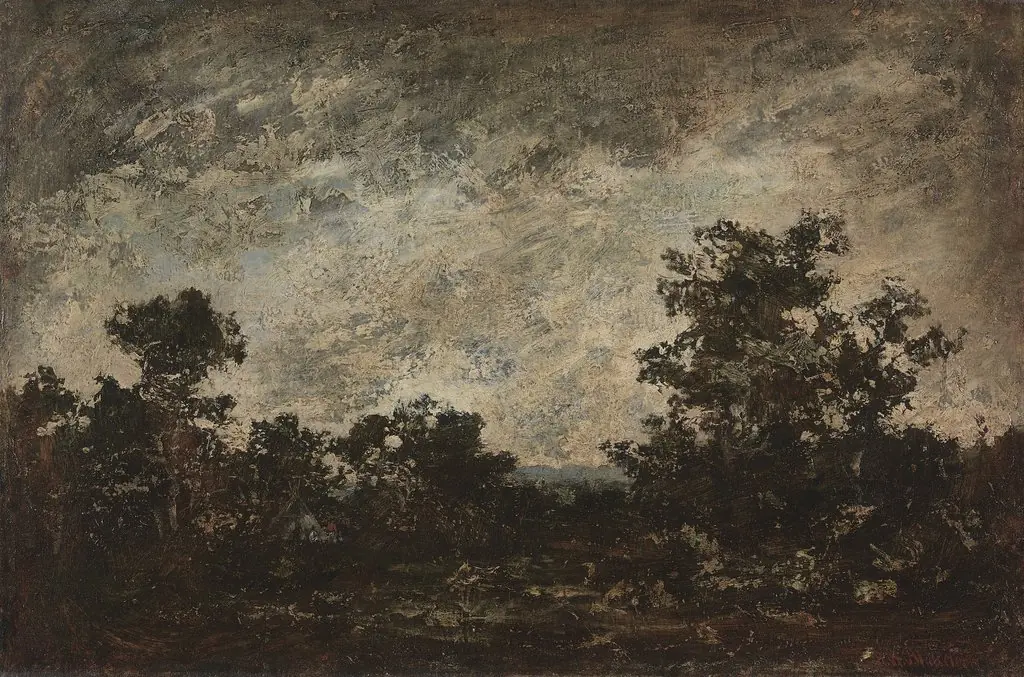
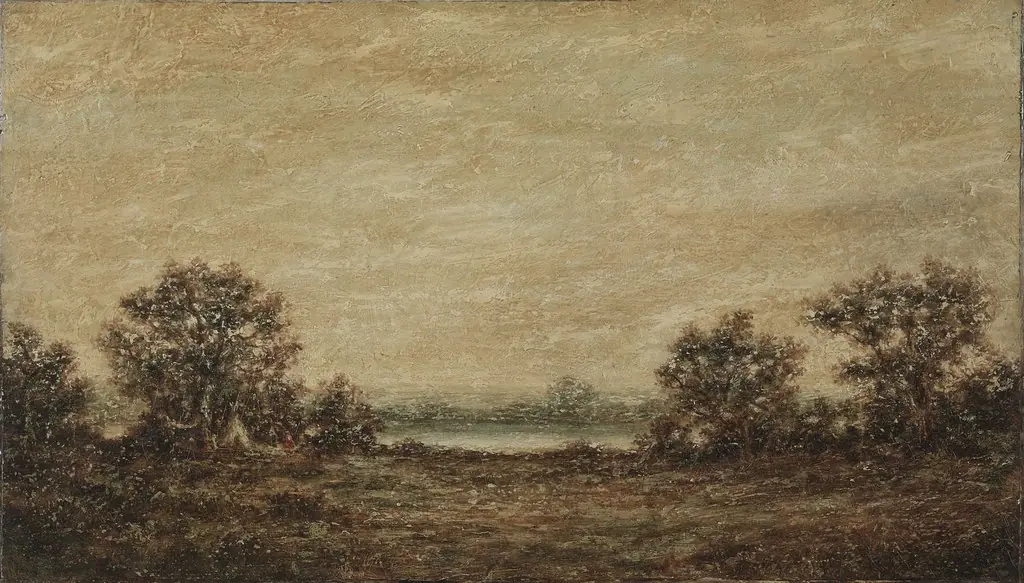
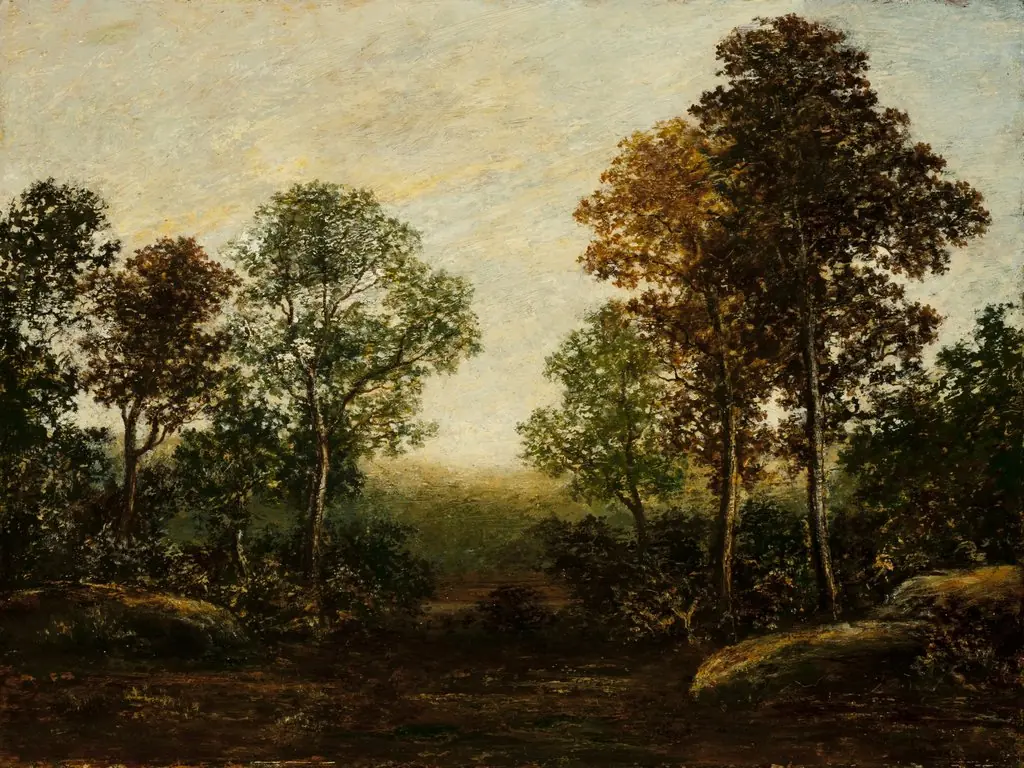
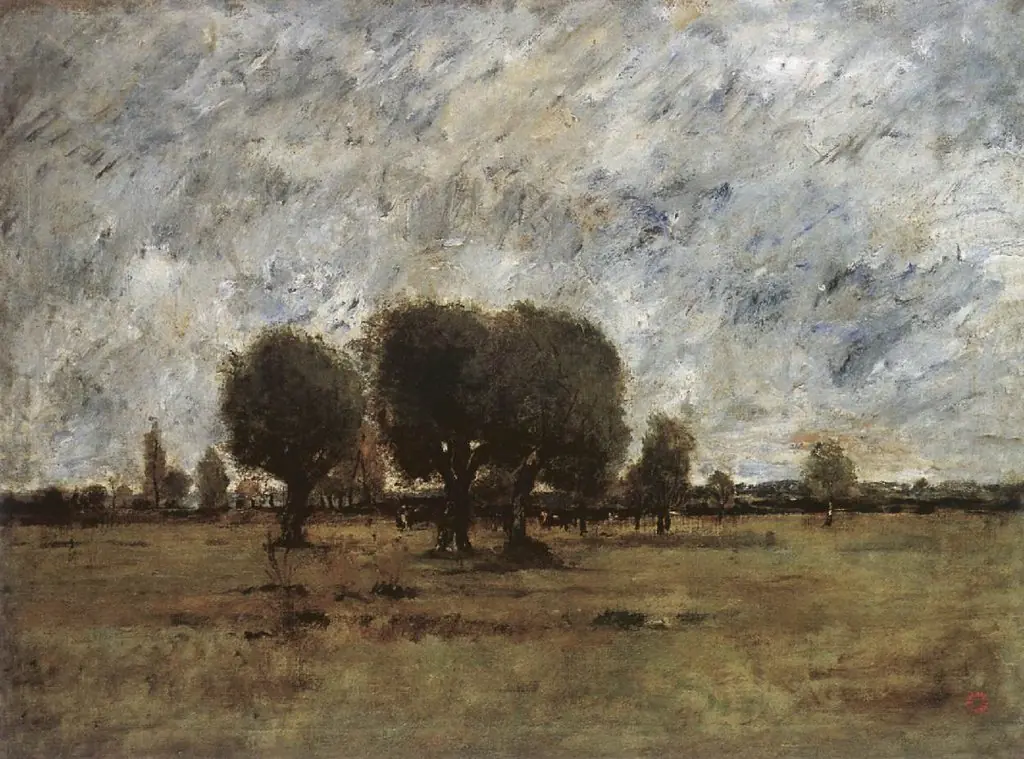
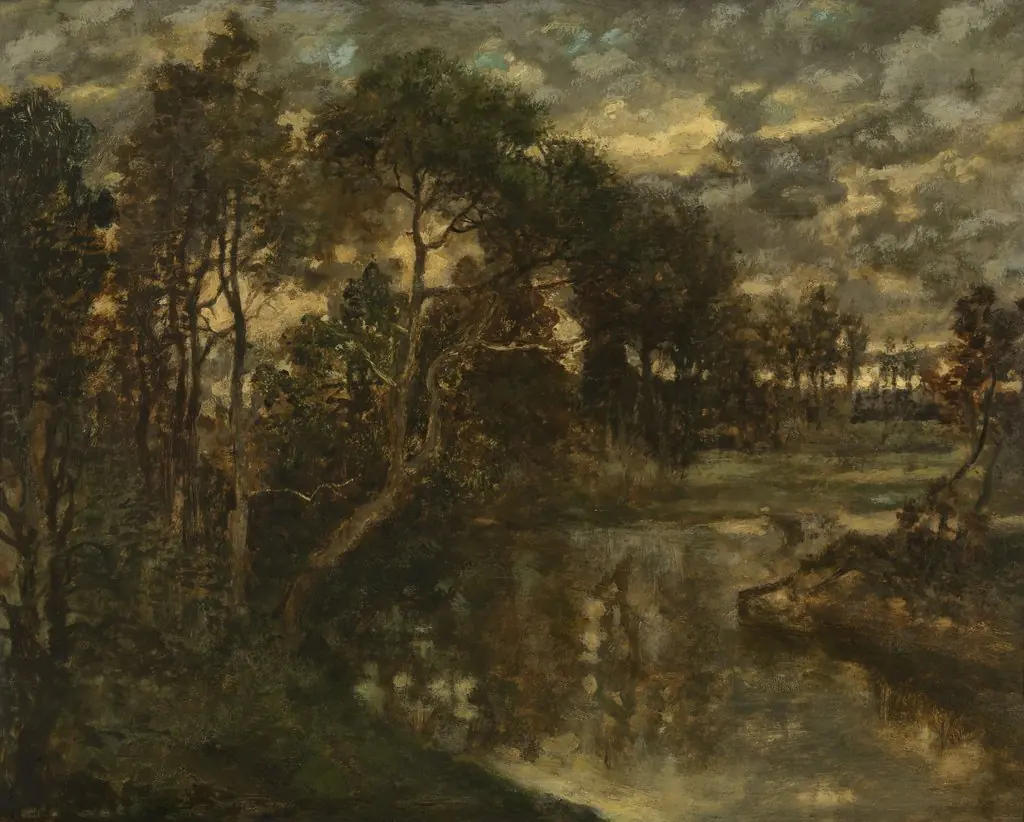
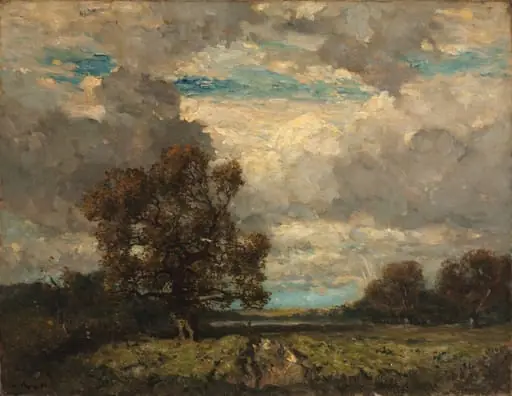
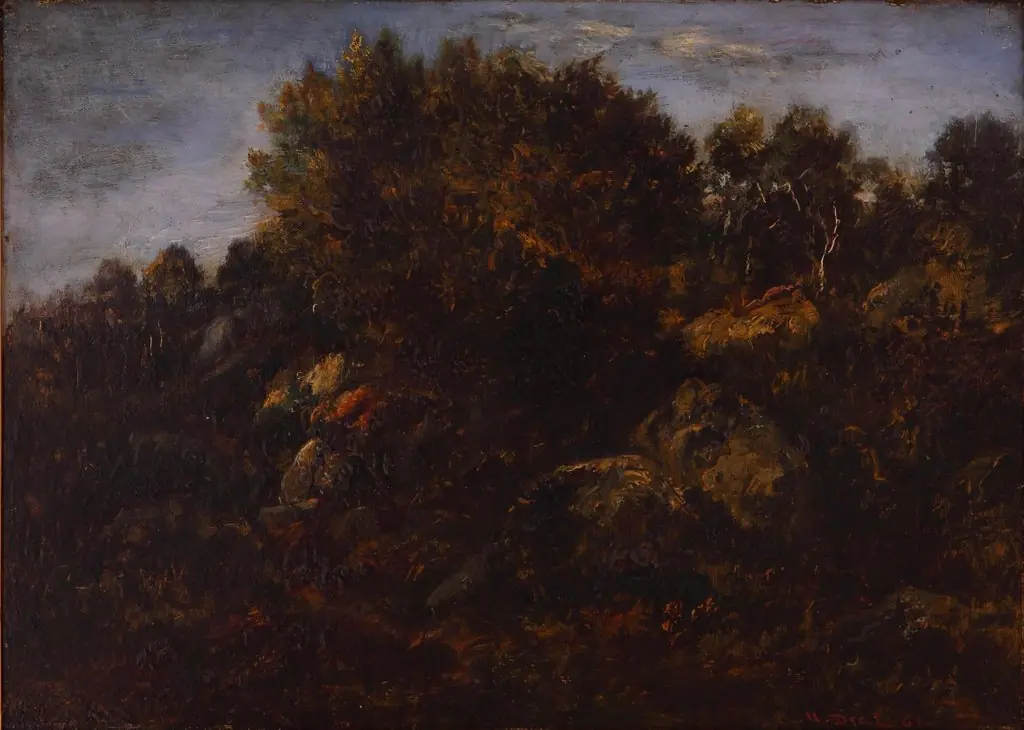
The painting depicts a secluded forest clearing, possibly suggesting a Native American encampment, though no figures are visible. The absence of human presence invites contemplation rather than narrative. The dense, shadowed trees and turbulent sky evoke solitude and the sublime, common themes in Romantic-influenced American art. The site feels both intimate and mysterious, as if caught in a fleeting moment before dusk or storm.
Technique & Style
Blakelock applied paint with vigorous, uneven strokes, building texture through impasto and rapid brushwork. The sky, rendered in swirling grays and pale blues, appears freshly wet, as if painted en plein air during changing weather. The forest below is dark and dense, with minimal detail, allowing mood to dominate form. This approach rejected the smooth finish of academic tradition, favoring expressive gesture and tonal harmony over precision.
History & Provenance
Created during a period of personal and financial hardship for Blakelock, *Indian Camp* was likely painted in the northeastern United States, where he often sought solitude in wooded areas. It entered the collection of The Cleveland Museum of Art in the 20th century, where it remains as a representative example of his mature style. The work’s survival and preservation reflect its growing recognition among curators interested in non-academic American art.
Context
In the 1890s, American artists increasingly turned away from detailed realism toward evocative, mood-driven landscapes. Blakelock’s work aligned with Tonalist peers like George Inness and James McNeill Whistler, who used color and light to suggest emotion. While European Impressionism influenced some contemporaries, Blakelock’s approach remained more introspective, rooted in personal experience and spiritualized nature rather than optical science.
Legacy
Though overlooked during much of the 20th century, *Indian Camp* has since been reevaluated as a key example of American Tonalism’s emotional depth. Its emphasis on atmosphere over detail anticipated later modernist tendencies toward abstraction. Today, it stands as a quiet testament to Blakelock’s unique vision—a bridge between Romantic tradition and the expressive freedoms of early 20th-century American painting.
Own this work as a print
Artist & collection
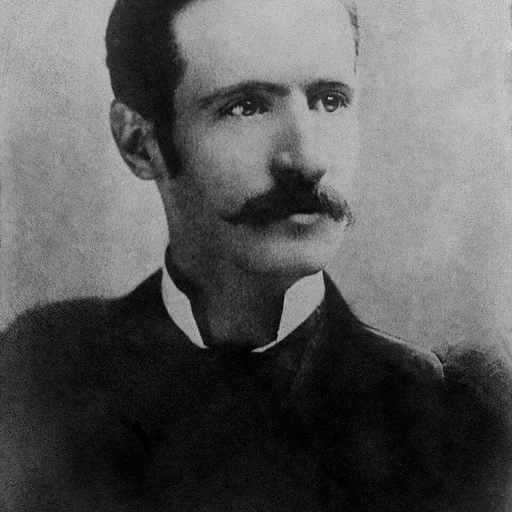
Artist
Ralph Albert Blakelock was a romanticist American painter known primarily for his landscape paintings related to the Tonalism movement.