Artwork
Landscape
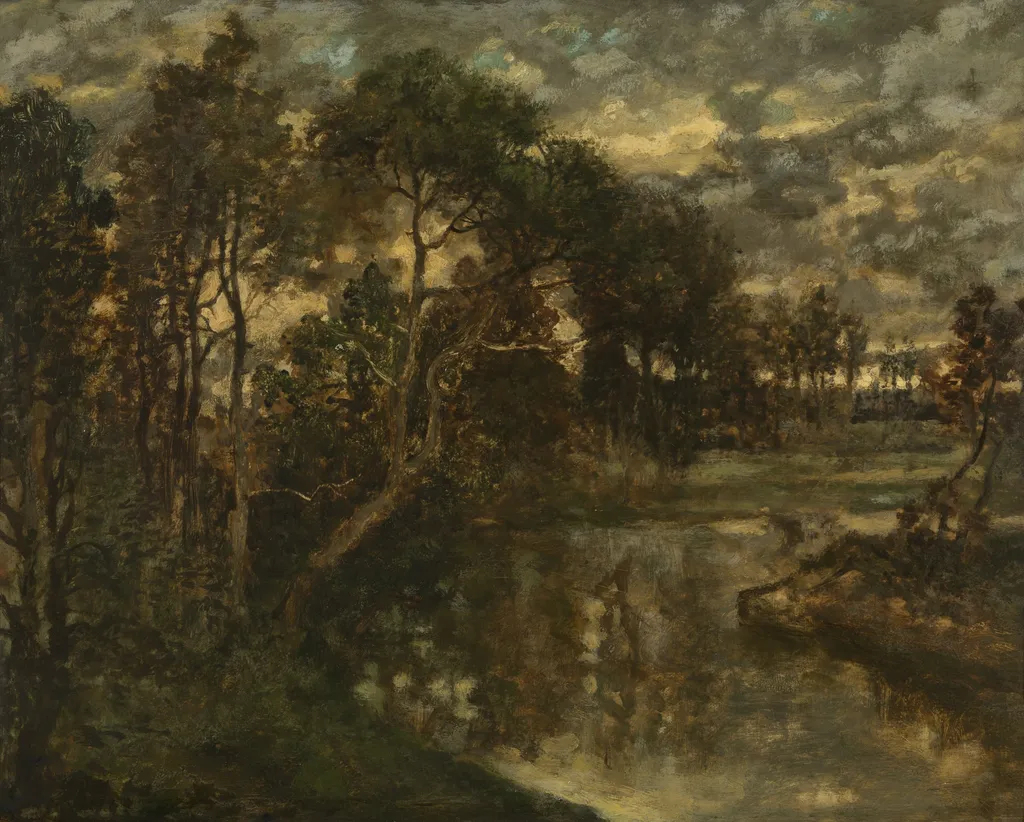
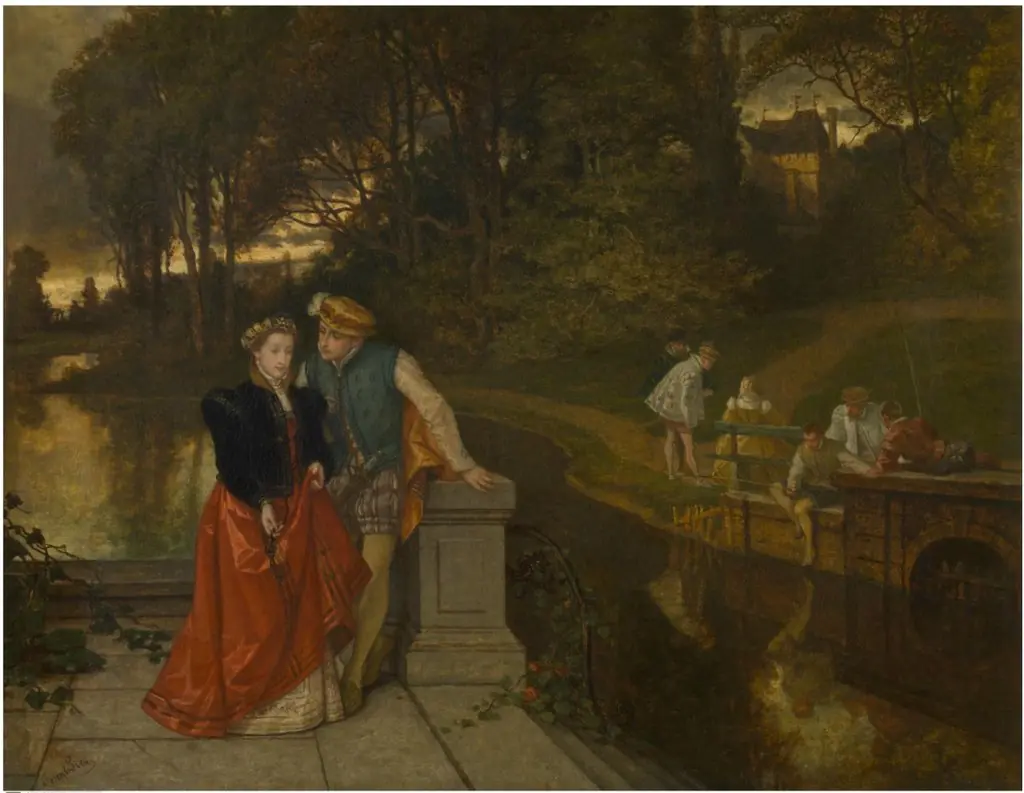
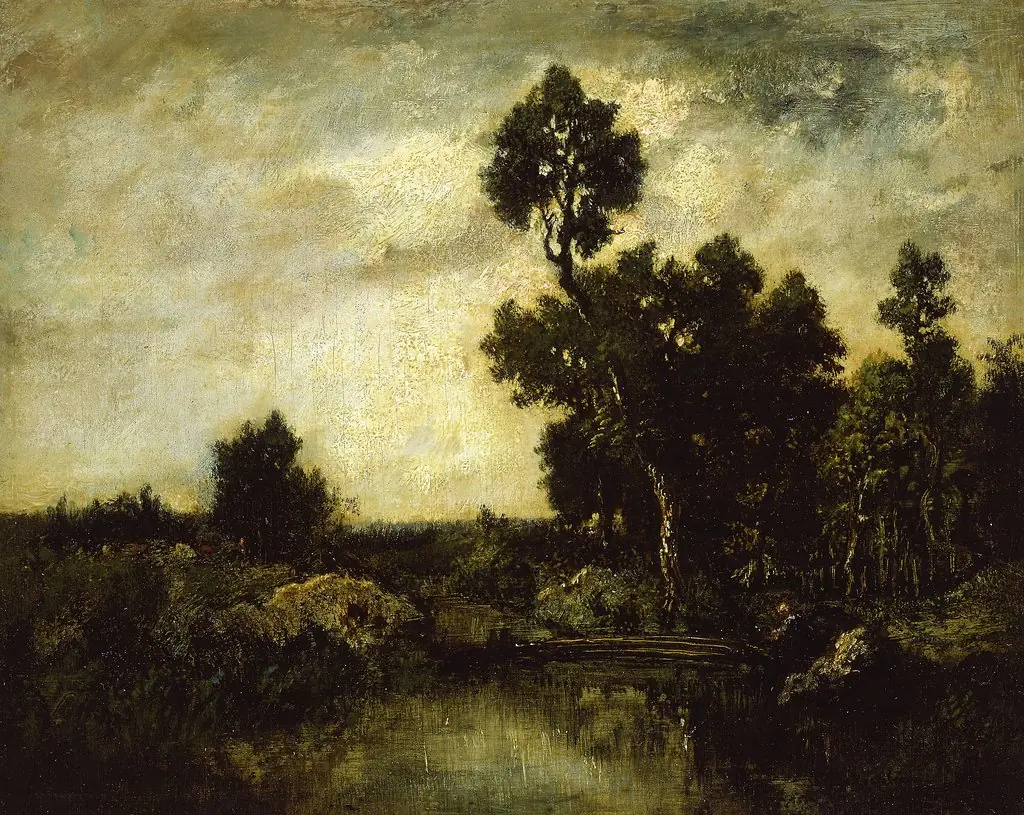
Landscape is an oil painting by Josef Lies. It dates from 1853 and is held in the collection of the Royal Museum of Fine Arts Antwerp.
About this work
Overview
Created around 1853, this oil painting by Belgian artist Josef Lies belongs to the landscape tradition of mid-nineteenth-century European art.
Created around 1853, this oil painting by Belgian artist Josef Lies belongs to the landscape tradition of mid-nineteenth-century European art. Executed with visible brushwork and a restrained palette of dark greens and browns, it reflects Lies’s engagement with natural scenery. The work is part of the Royal Museum of Fine Arts Antwerp’s collection, where it remains as an example of his lesser-known but consistent output in landscape painting.
Subject & Meaning
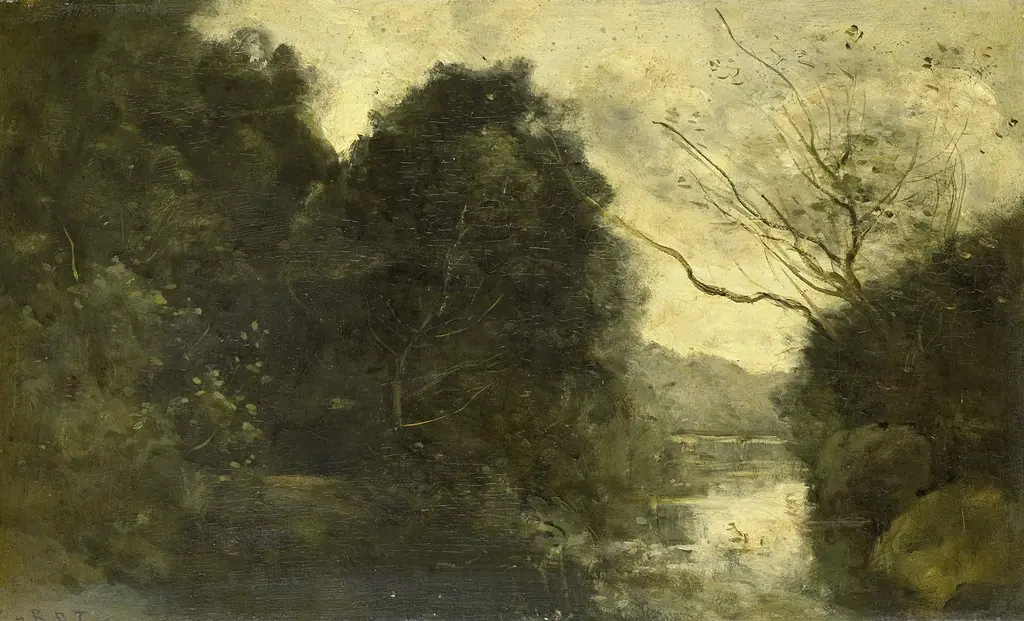
The scene depicts a dense forest interior, with towering trees framing the left edge and a faintly lit opening beyond suggesting a distant clearing or water. No human figures or narrative elements are present, emphasizing atmosphere over story. The composition invites contemplation of nature’s quiet scale, aligning with Romantic-era tendencies to find emotional resonance in untamed wilderness rather than idealized vistas.
Technique & Style
Lies applied oil paint with deliberate, textured strokes that convey the roughness of bark and the soft diffusion of light through foliage. The palette is muted, relying on tonal variation rather than vivid color to suggest depth. Visible brushwork imparts a sense of immediacy, avoiding polished finish in favor of tactile realism. This approach reflects a shift toward direct observation, common among artists moving beyond academic conventions of the time.
History & Provenance
Josef Lies, trained at the Antwerp Academy, produced a broad range of subjects during his career, though landscapes like this one were not his most publicly celebrated works. Painted around 1853, it entered the Royal Museum of Fine Arts Antwerp’s holdings prior to his death in 1865. Its presence in the museum suggests local institutional recognition, though it remained outside the broader European spotlight that greeted his historical and genre scenes.
Context
In the 1850s, Belgian artists were increasingly turning from mythological themes to intimate natural settings, influenced by Dutch precedents and the rise of plein air practice. Lies’s landscape aligns with this regional trend, even as he maintained ties to academic traditions. Unlike the dramatic skies of French Romanticism, his work favors subdued, earthbound quietude, reflecting a distinctly Flemish sensibility toward nature.
Legacy
Though Lies is remembered more for his portraits and historical compositions, this landscape exemplifies his consistent attention to natural form and material texture. It contributes to a broader understanding of 19th-century Belgian painting beyond its major figures, offering insight into how regional artists interpreted the landscape as a subject worthy of quiet, sustained study rather than grand spectacle.
Own this work as a print
Artist & collection
Artist
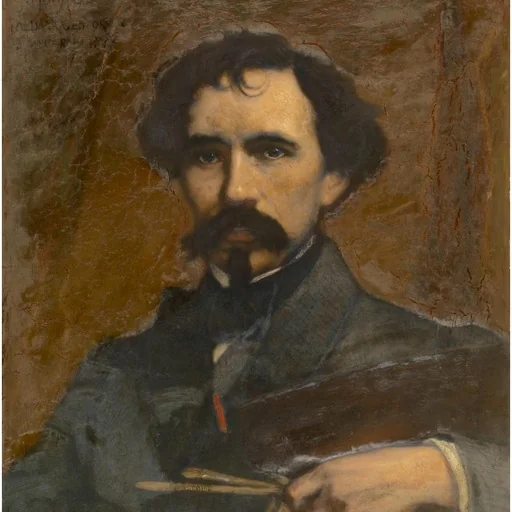
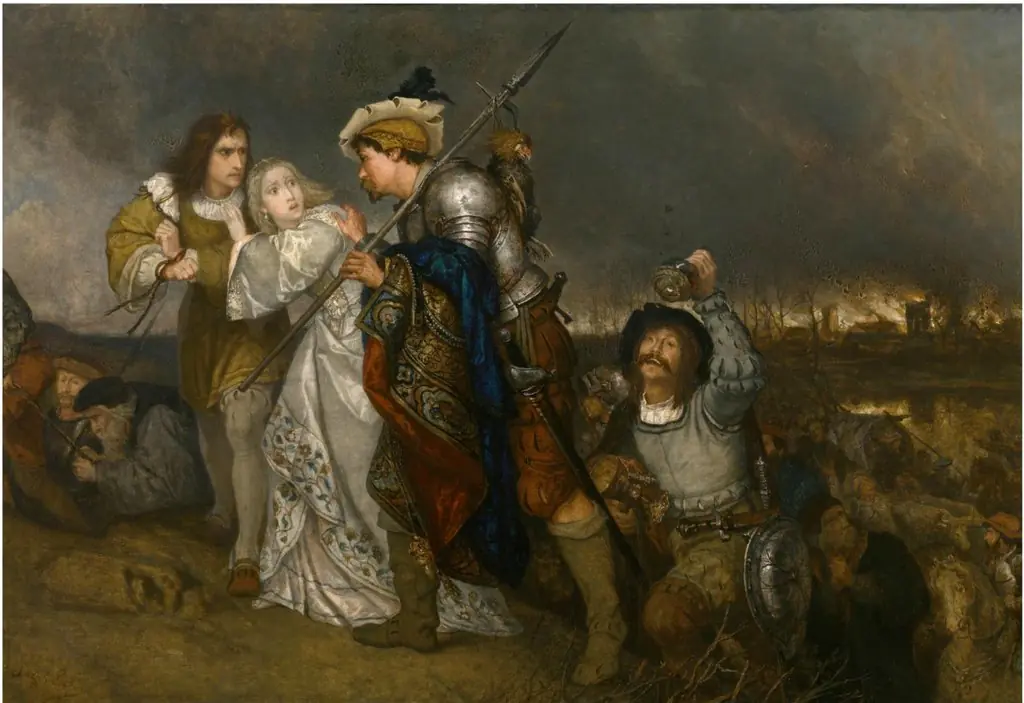
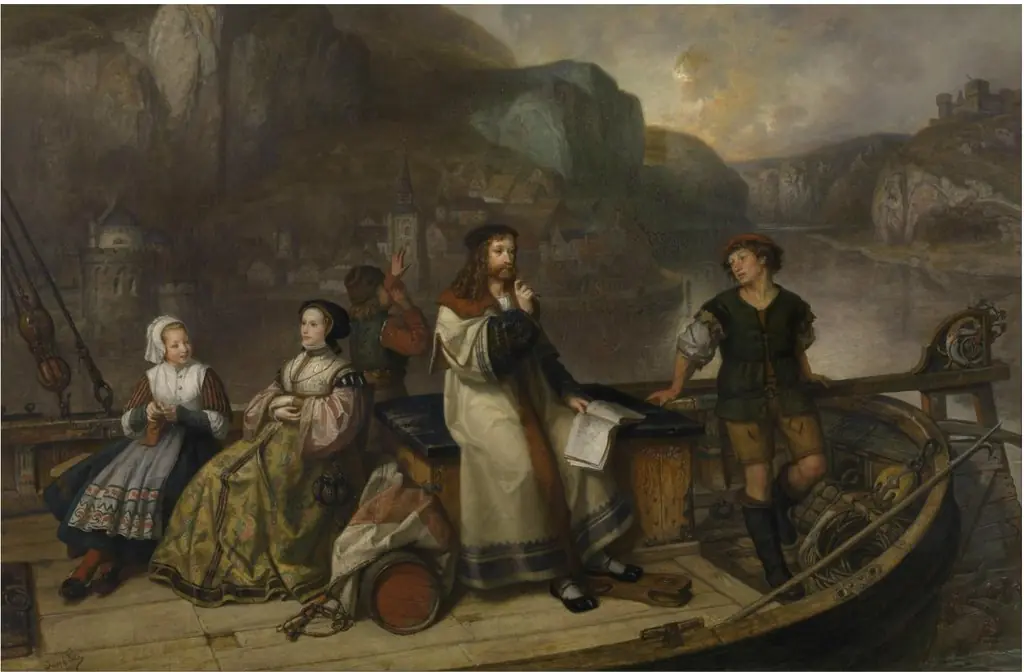
Joseph Lies or Joseph Henri Hubert Lies (Antwerp, 14 June 1821 – Antwerp, 3 January 1865) was a Belgian Romantic painter, draughtsman and engraver.

 Landscape
 Landscape
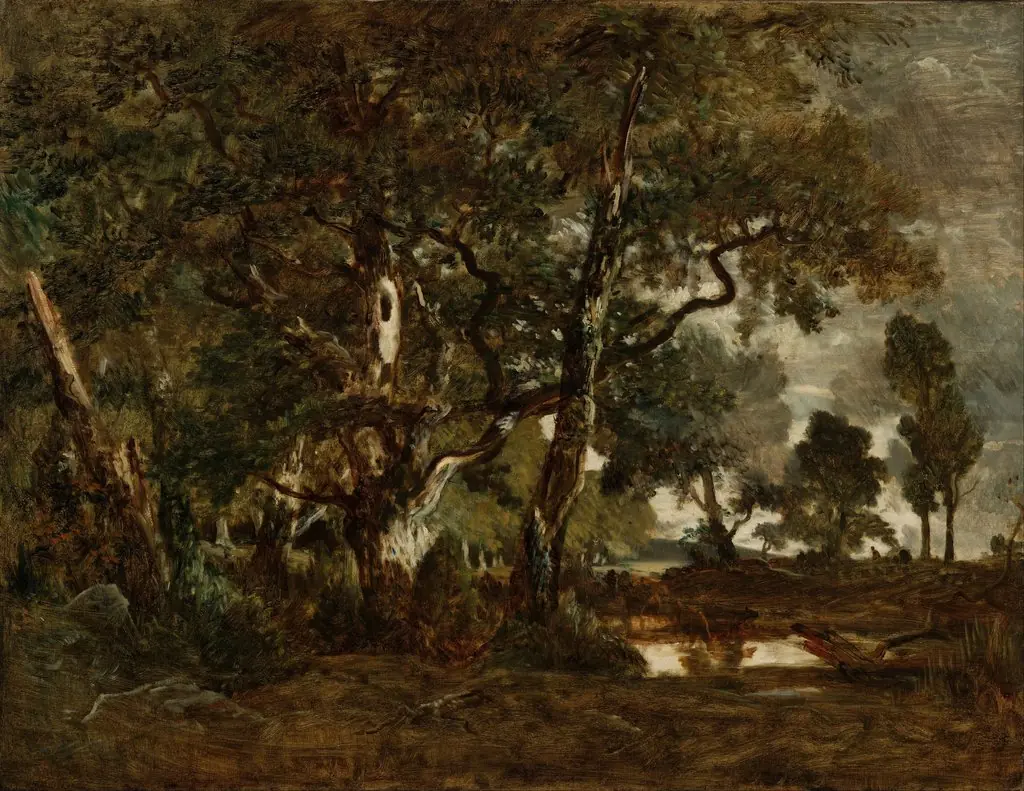 Forest of Fontainebleau, Cluster of Tall Trees Overlooking the Plain of Clair-Bois at the Edge of Bas-Bréau
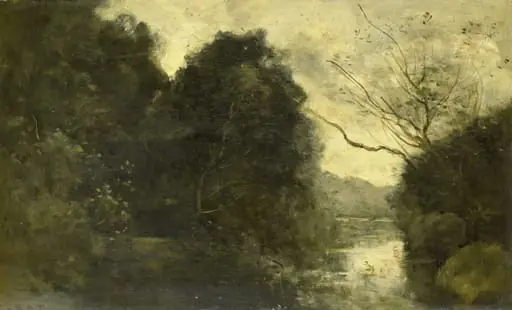 Pond in the Woods
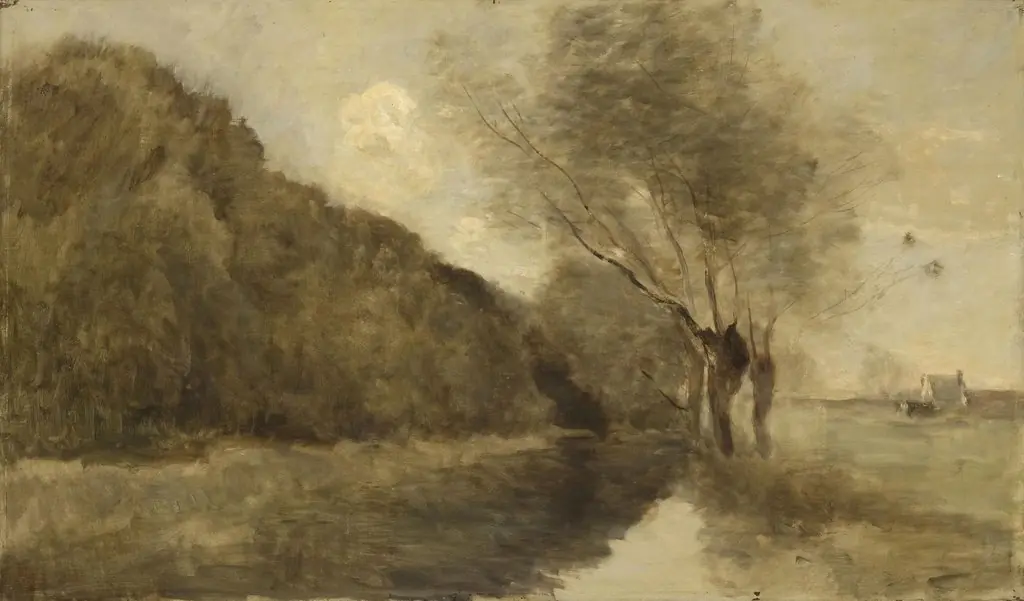 Landscape with a Stream and Willows near Gisors
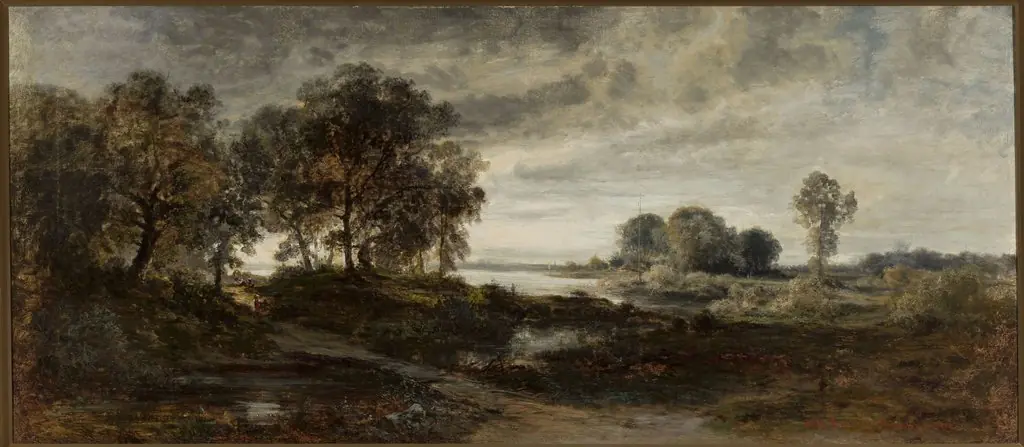 Landscape of the Oder River
 Landscape
 Landscape
 The Marsh
 Le Bas Meudon (A Curve of the Seine near Paris)
 Trees in a Swamp
 Pond in the Woods