Artwork
Golden Glow
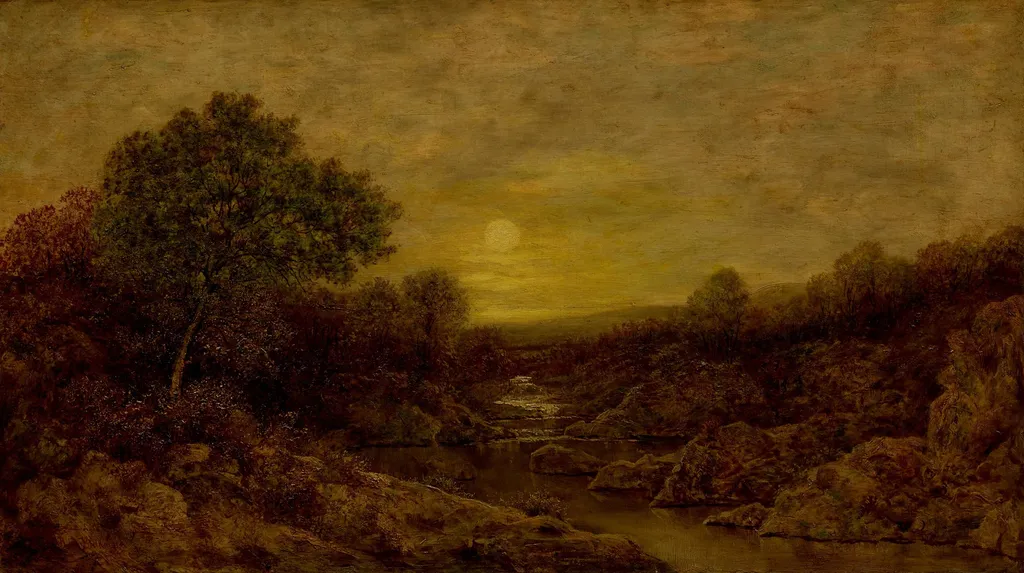
Golden Glow is an oil painting by Ralph Albert Blakelock. It dates from 1893 and is held in the collection of the Museum of Fine Arts, Houston.
About this work
Overview
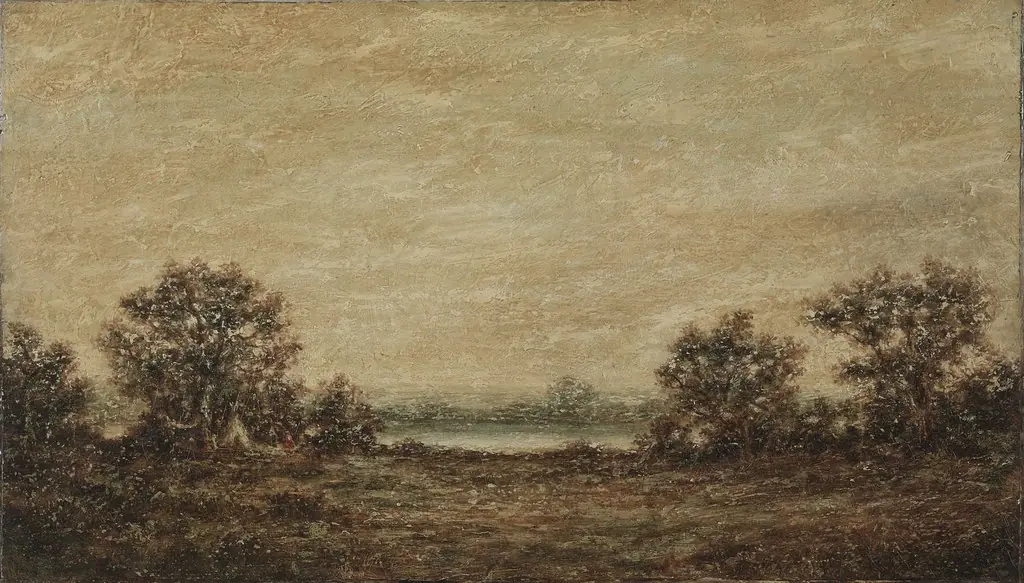
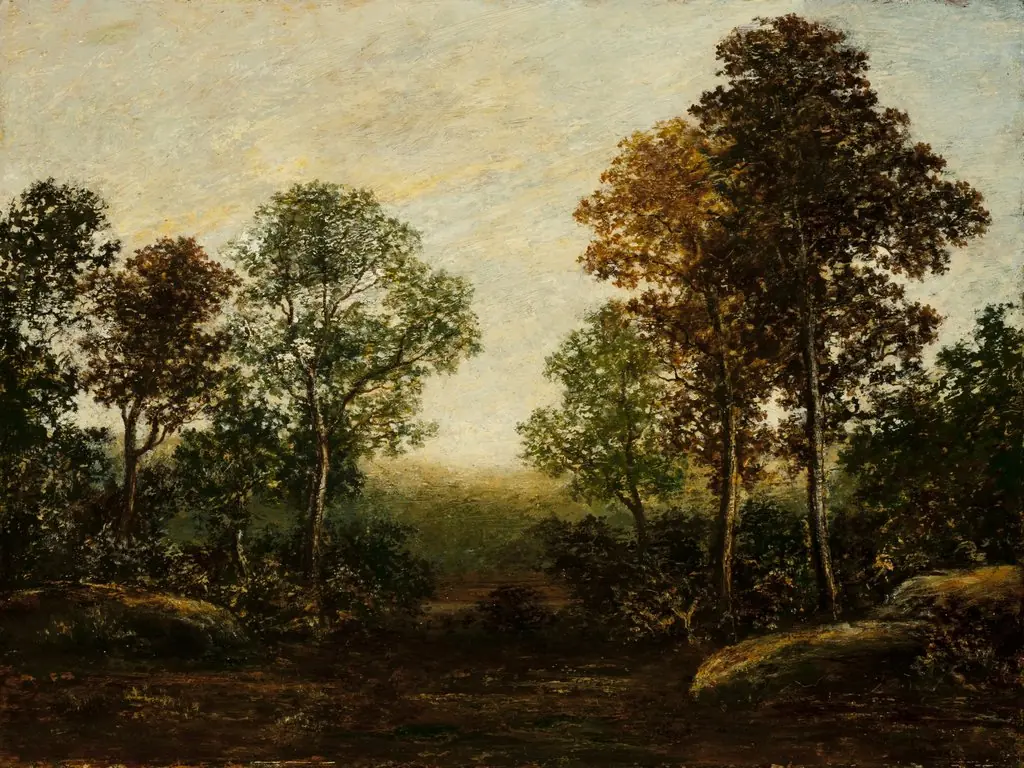
Golden Glow is an oil painting by Ralph Albert Blakelock, dated around 1893. It depicts a quiet, twilight landscape centered on a winding river, flanked by dense trees and rugged rocks. The composition emphasizes stillness and immersion in nature, with no human figures or signs of activity. The work is part of the permanent collection at the Museum of Fine Arts, Houston.
Subject & Meaning
The painting evokes a meditative atmosphere through its untouched natural setting. The absence of human presence invites contemplation, while the glowing sky suggests the transition between day and night. Blakelock’s choice of a solitary river as the focal point reinforces themes of solitude and the quiet passage of time, aligning with Romantic ideals of nature as a spiritual refuge.
Technique & Style
Blakelock employed thick, expressive brushwork to build texture in the foliage and water, while blending warm tones—ochres, ambers, and soft reds—to unify the scene. The sky’s luminous hue is subtly mirrored in the river’s surface, creating a reflective harmony. His technique prioritizes emotional resonance over precise detail, favoring atmospheric effect through layered pigment and soft edges.
History & Provenance
Created during a period of personal hardship for Blakelock, Golden Glow reflects his deepening focus on lyrical landscapes after earlier, more detailed works. The painting entered the Museum of Fine Arts, Houston’s collection in the mid-20th century, following its acquisition from a private collector. Its provenance remains largely undocumented between its creation and museum acquisition.
Context
In the 1890s, American landscape painting was shifting from Hudson River School realism toward more subjective, mood-driven approaches.
In the 1890s, American landscape painting was shifting from Hudson River School realism toward more subjective, mood-driven approaches. Blakelock’s work, though often overlooked in his lifetime, aligned with emerging Symbolist tendencies—emphasizing emotion, light, and inner experience over topographical accuracy. His style resonated with contemporaries like George Inness, though he worked in relative isolation.
Legacy
Golden Glow exemplifies Blakelock’s distinctive contribution to American art: a poetic, almost mystical rendering of nature through color and light. Though he gained little recognition during his lifetime, later scholars recognized his influence on early 20th-century tonalism. The painting remains a quiet testament to his ability to convey inner stillness through the natural world.
Artist & collection
Artist
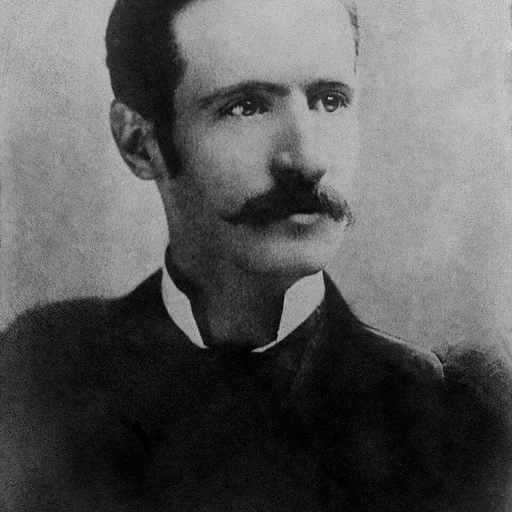
Ralph Albert Blakelock was a romanticist American painter known primarily for his landscape paintings related to the Tonalism movement.

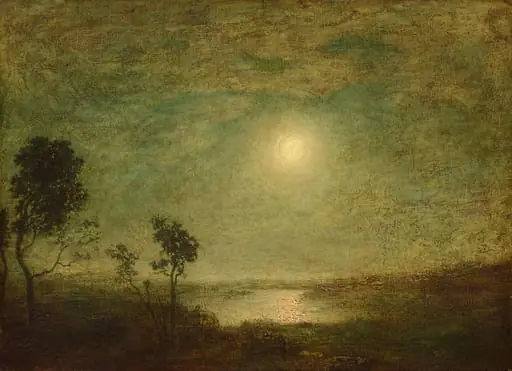 Moonlight
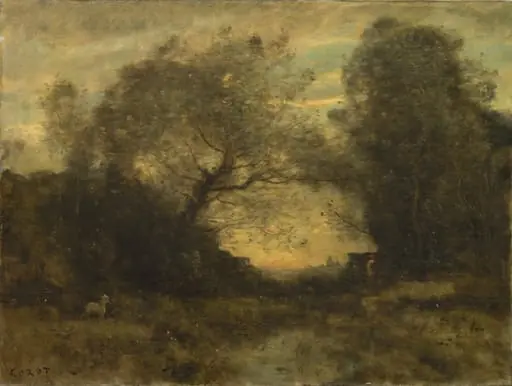 The Pond at the Entrance of the Woods
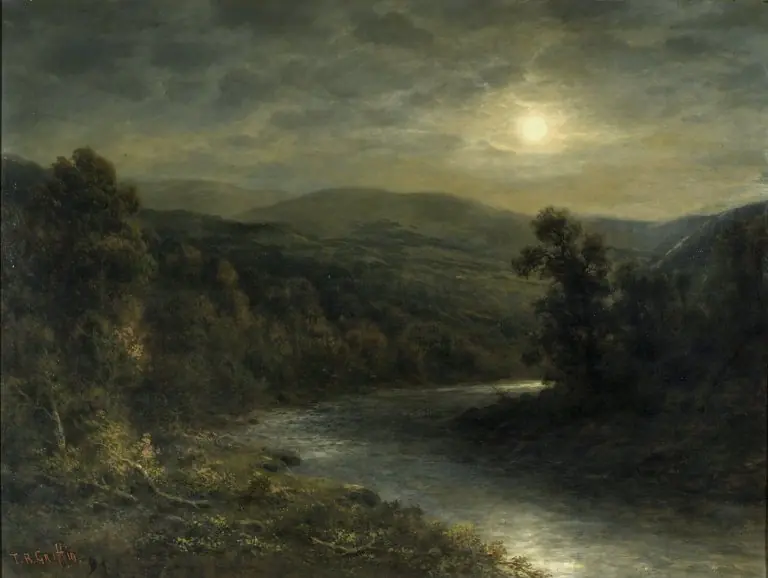 Moonlight on the Delaware River
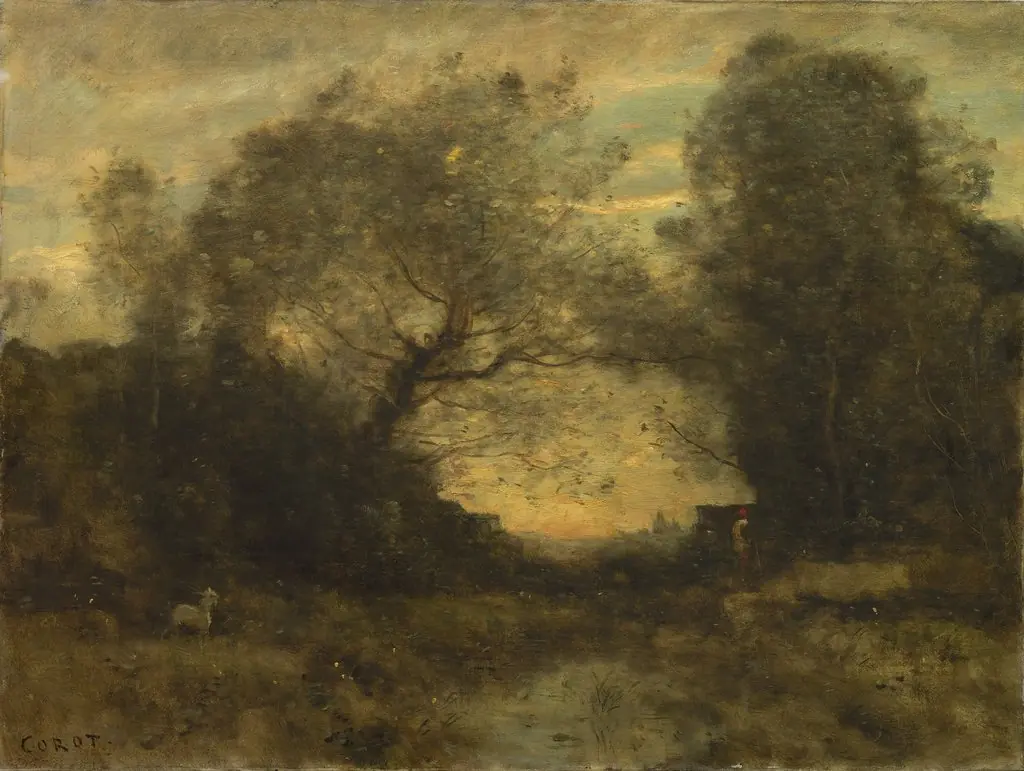 The Pond at the Entrance of the Woods
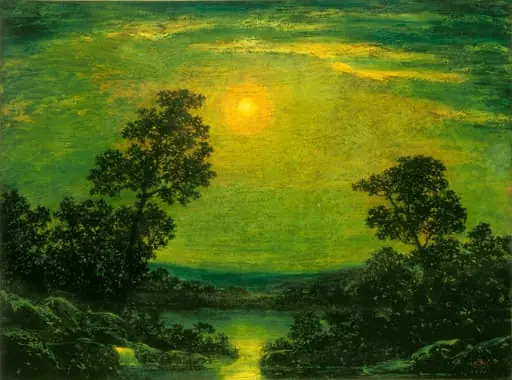 Moonlight
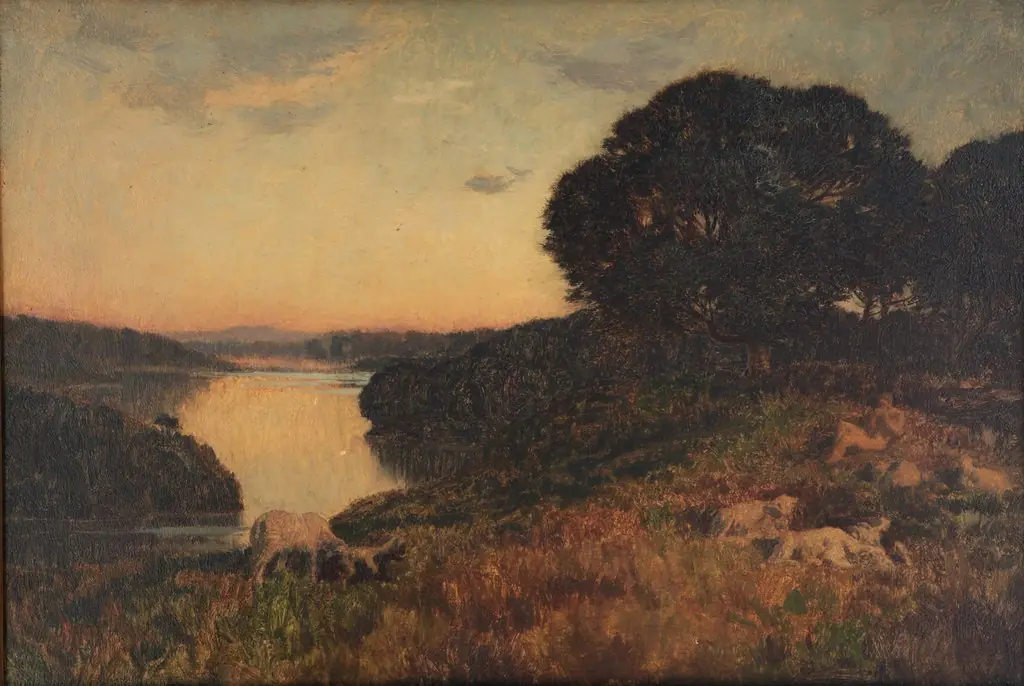 Paisaje
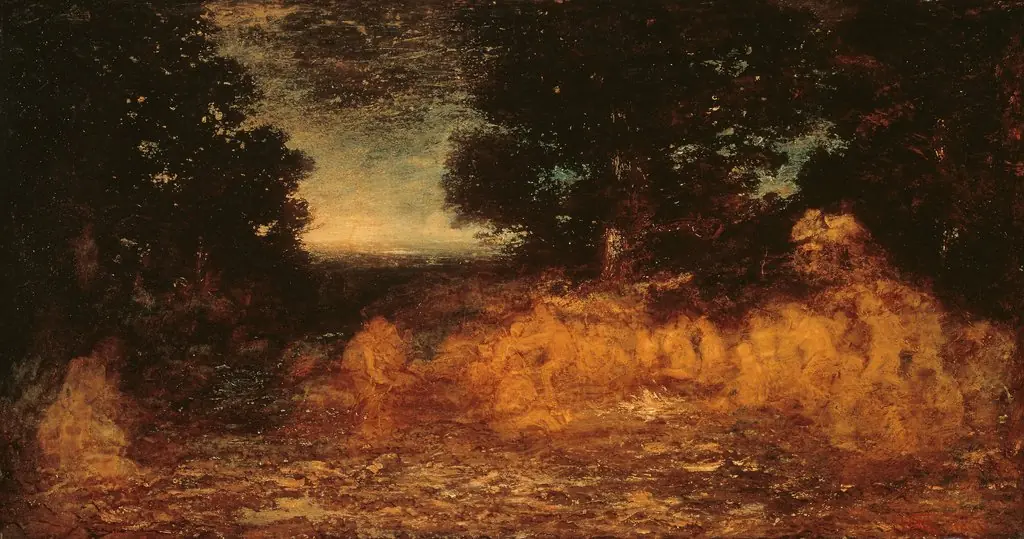 The Vision of Life
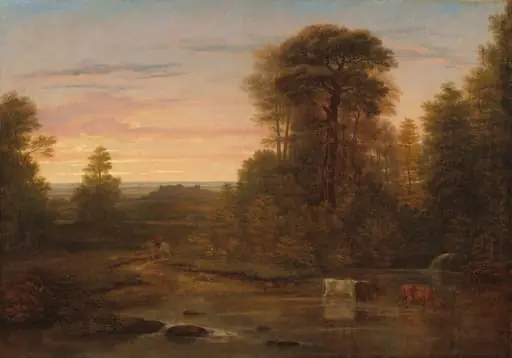 A Landscape after Sunset
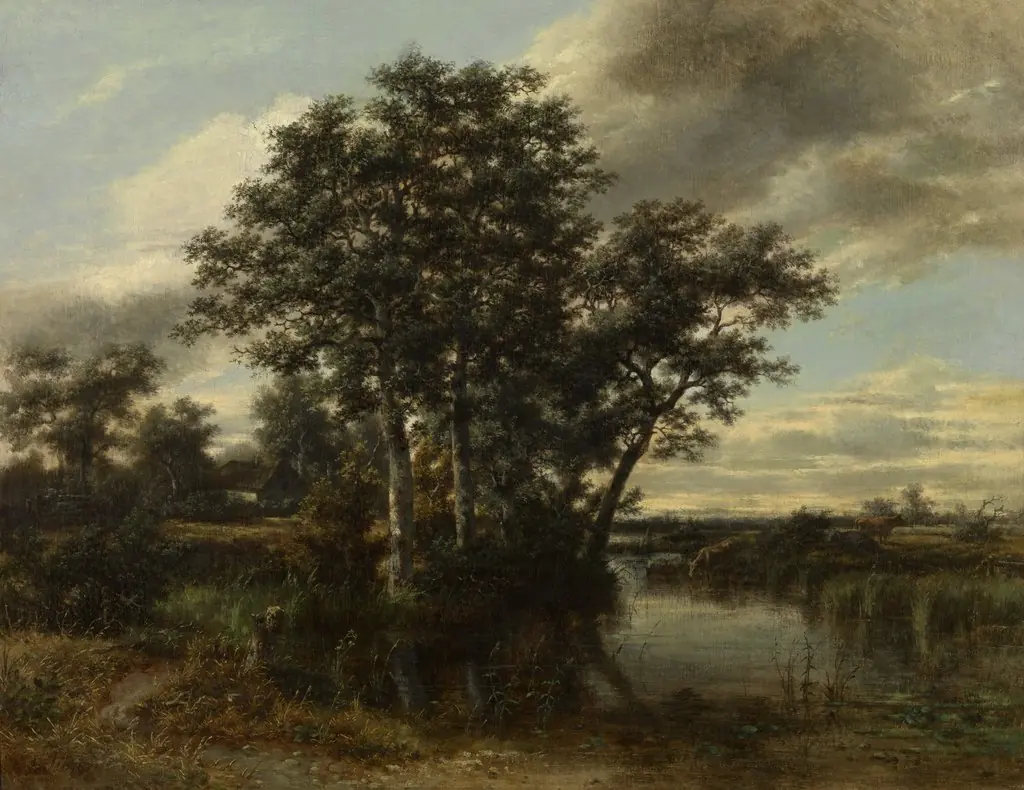 Pool
Pool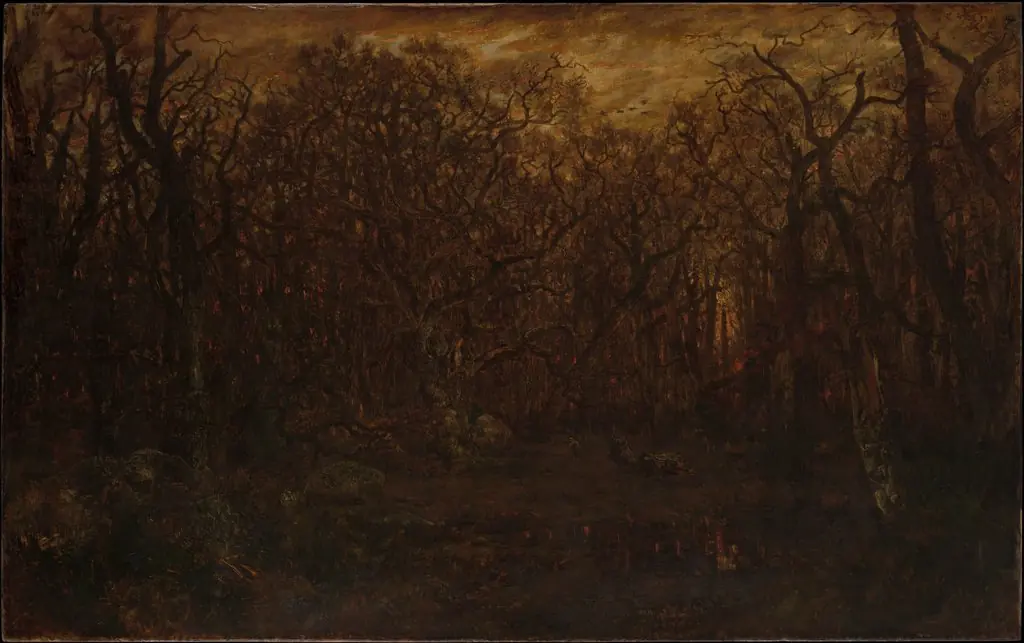 The Forest in Winter at Sunset
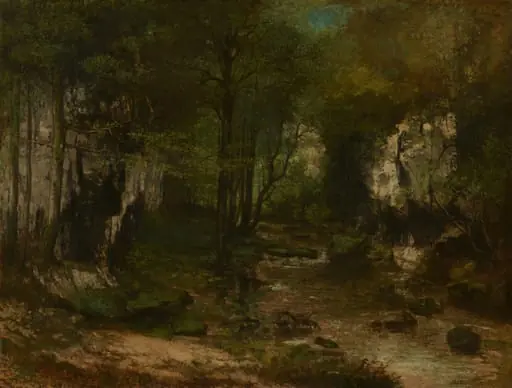 The Stream (Le Ruisseau du Puits-Noir; vallée de la Loue)
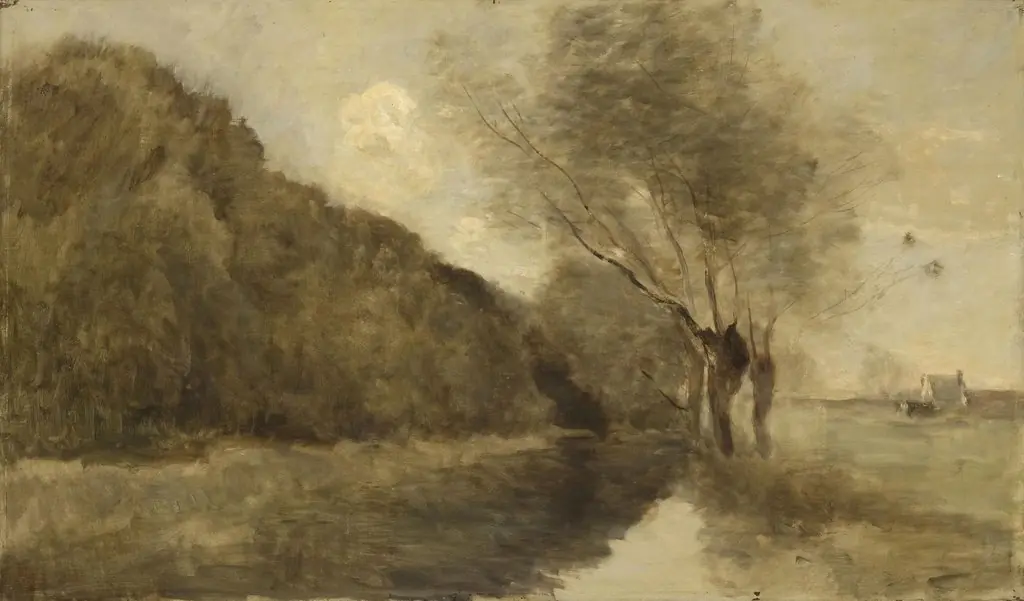 Landscape with a Stream and Willows near Gisors