Artwork
The Vision of Life
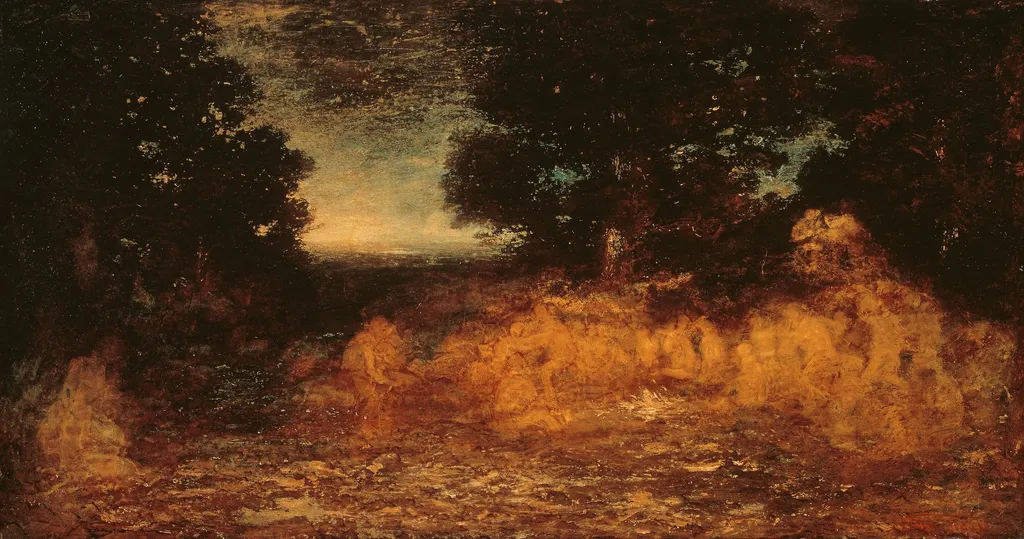
The Vision of Life is an oil painting by the American Impressionist artist Ralph Albert Blakelock. It dates from 1898 and is held in the collection of the Art Institute of Chicago.
About this work
Overview
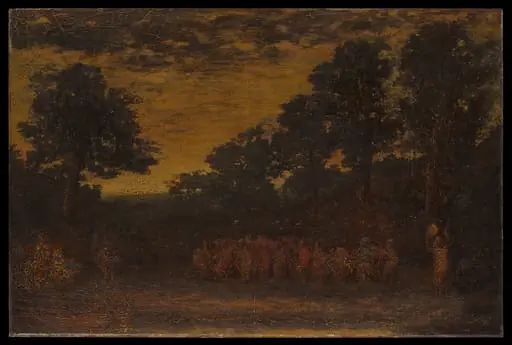
The work presents a nocturnal forest scene, rendered with dense, layered brushwork and a restricted palette dominated by deep browns, blacks, and muted golds.
Painted in 1898, The Vision of Life is an oil-on-canvas landscape by American artist Ralph Albert Blakelock. It resides in the collection of the Art Institute of Chicago. The work presents a nocturnal forest scene, rendered with dense, layered brushwork and a restricted palette dominated by deep browns, blacks, and muted golds. The composition draws attention inward, toward a central firelit clearing where human forms gather in shadowy silhouette.
Subject & Meaning
A cluster of indistinct figures surrounds a low flame in the painting’s center, their gestures ambiguous but suggestive of ritual or communal gathering. The absence of clear identity or narrative context invites interpretation as a symbolic moment—perhaps spiritual, ancestral, or mythic. The isolation of the group within the encroaching woods evokes themes of solitude, inner vision, or the unseen forces of nature.
Technique & Style
Blakelock employed thick, expressive brushstrokes to build texture and depth, applying paint with physical urgency. Chiaroscuro is used not for classical modeling but to dissolve forms into atmosphere, emphasizing mood over detail. The dark, almost monochromatic tones are punctuated by faint glows from the fire, creating a luminous core that pulls the viewer’s gaze through the tangled undergrowth.
History & Provenance
Completed during a period of personal hardship for Blakelock, the painting reflects his increasing withdrawal from conventional subjects. It entered the Art Institute of Chicago’s collection in 1917, acquired through a donation from a private collector. Its early reception was mixed, with some critics finding it obscure, though others recognized its emotional intensity as a departure from mainstream American landscape traditions.
Context
Created in the late 1890s, the work emerged amid growing interest in Symbolism and spiritual themes in American art. Blakelock’s style diverged from the luminist clarity of his contemporaries, instead aligning with introspective, emotionally charged visions. His use of dark, atmospheric landscapes echoed European Romantic precedents, yet remained distinctly personal, shaped by his own psychological state and isolation.
Legacy
Though not widely exhibited during his lifetime, The Vision of Life has come to represent Blakelock’s most evocative synthesis of emotion and form. It is now regarded as a key example of American Symbolist painting, admired for its psychological depth and rejection of literal representation. The work continues to influence discussions on the role of mood and mystery in landscape art.
Artist & collection
Artist
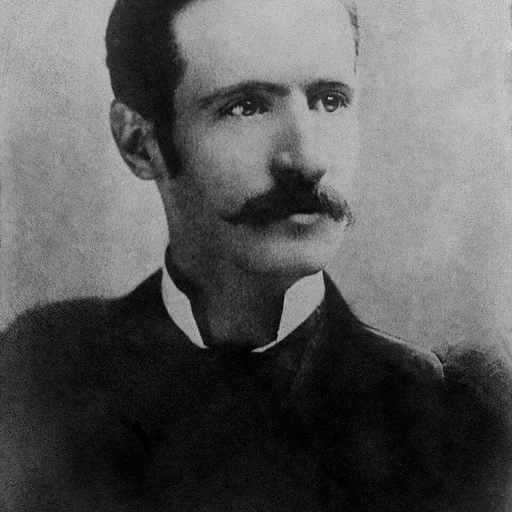
Ralph Albert Blakelock was a romanticist American painter known primarily for his landscape paintings related to the Tonalism movement.


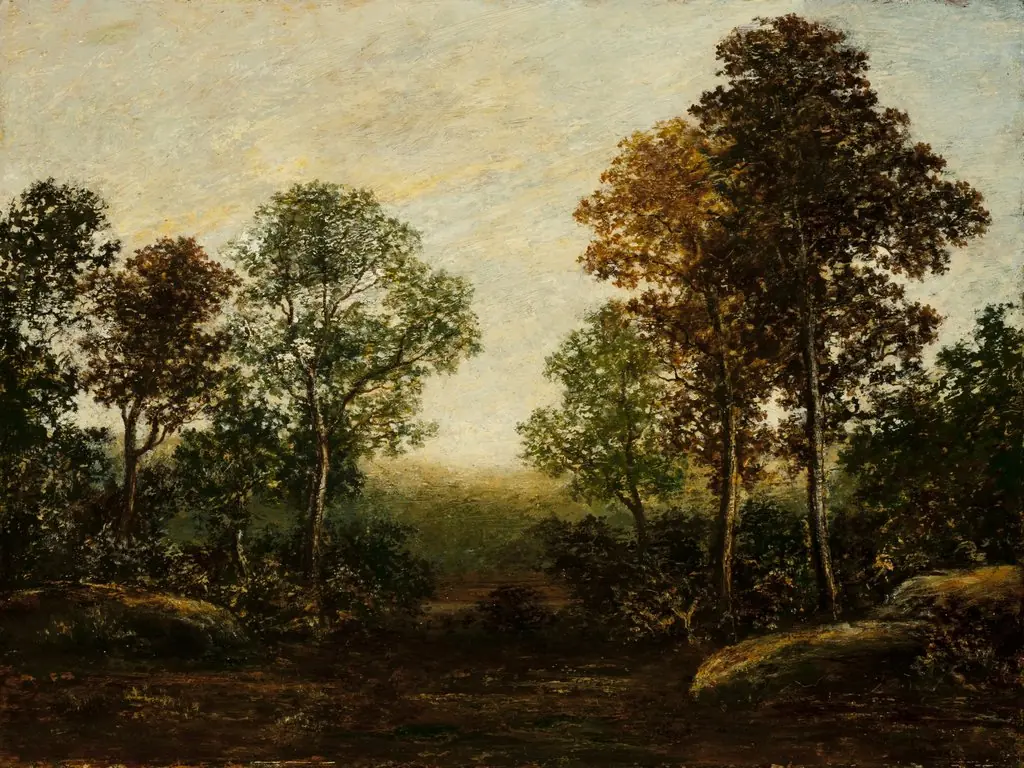
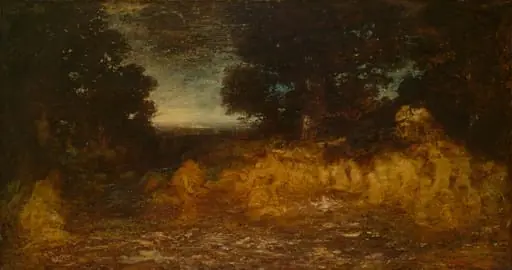 Ghost Dance (The Vision of Life)
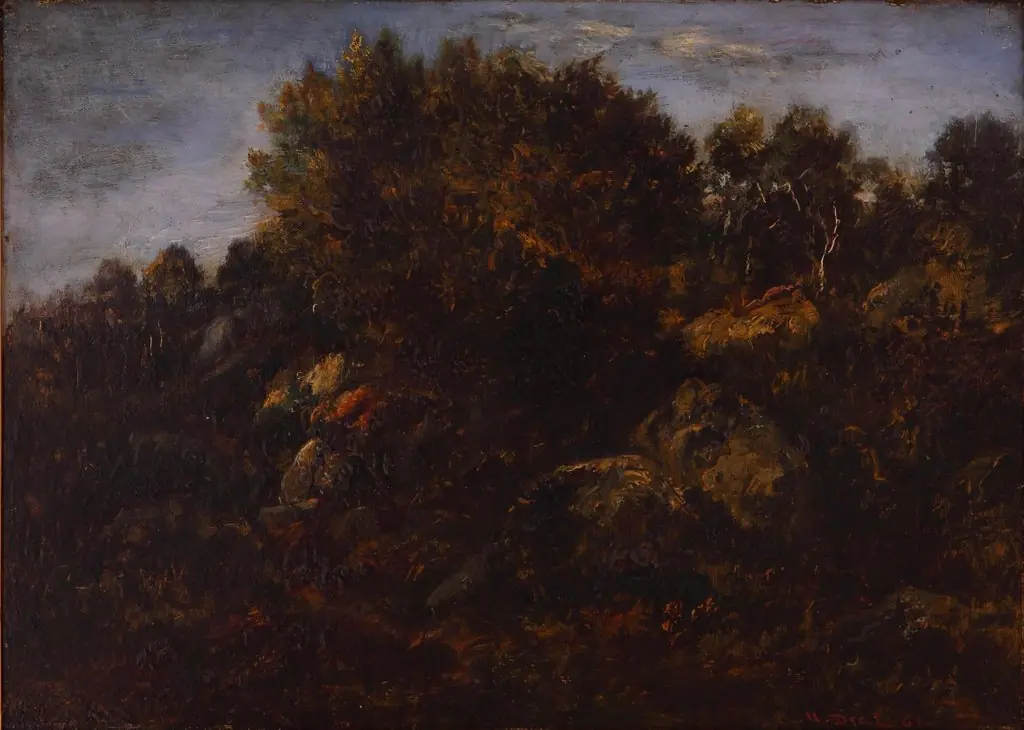 Paisaje
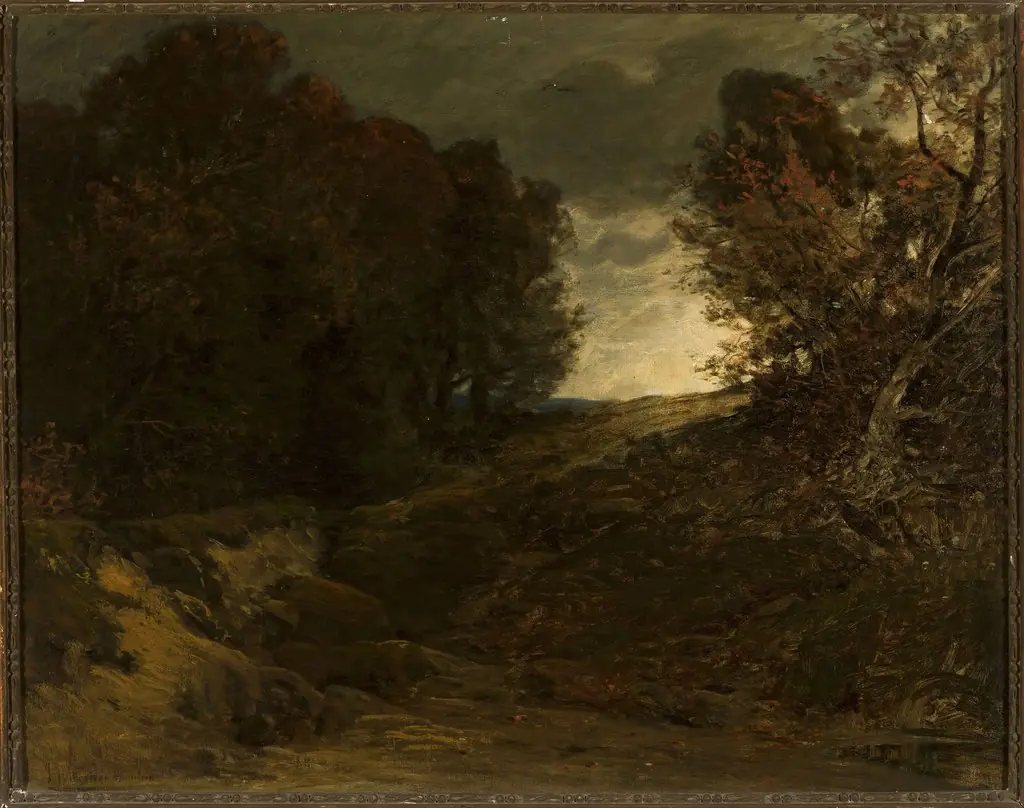 Forest landscape with a creek
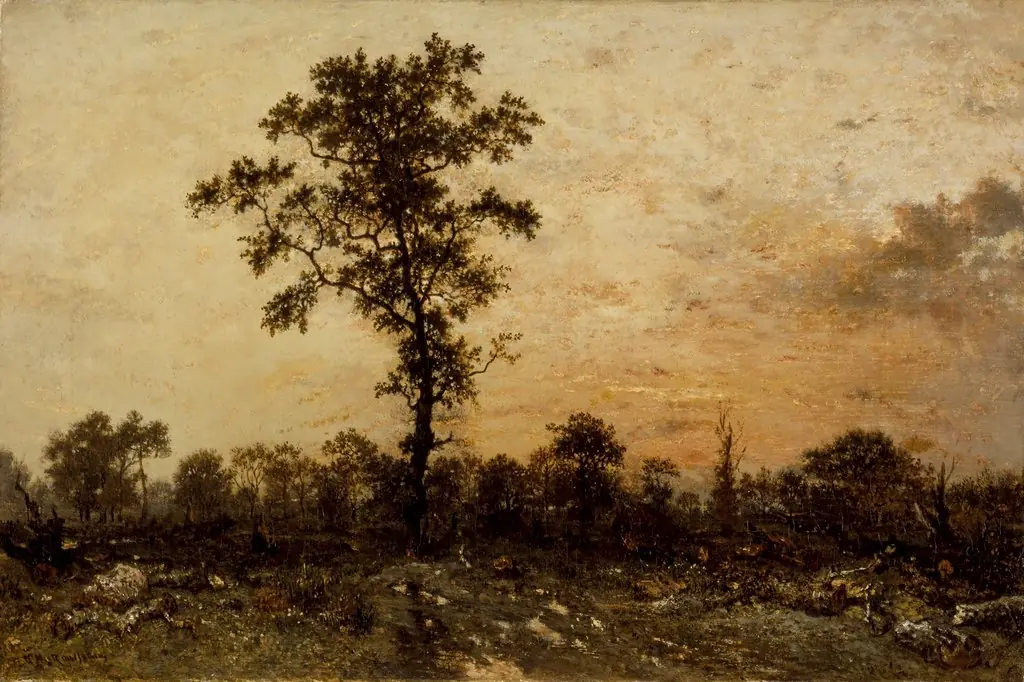 Edge of the Forest, Sun Setting
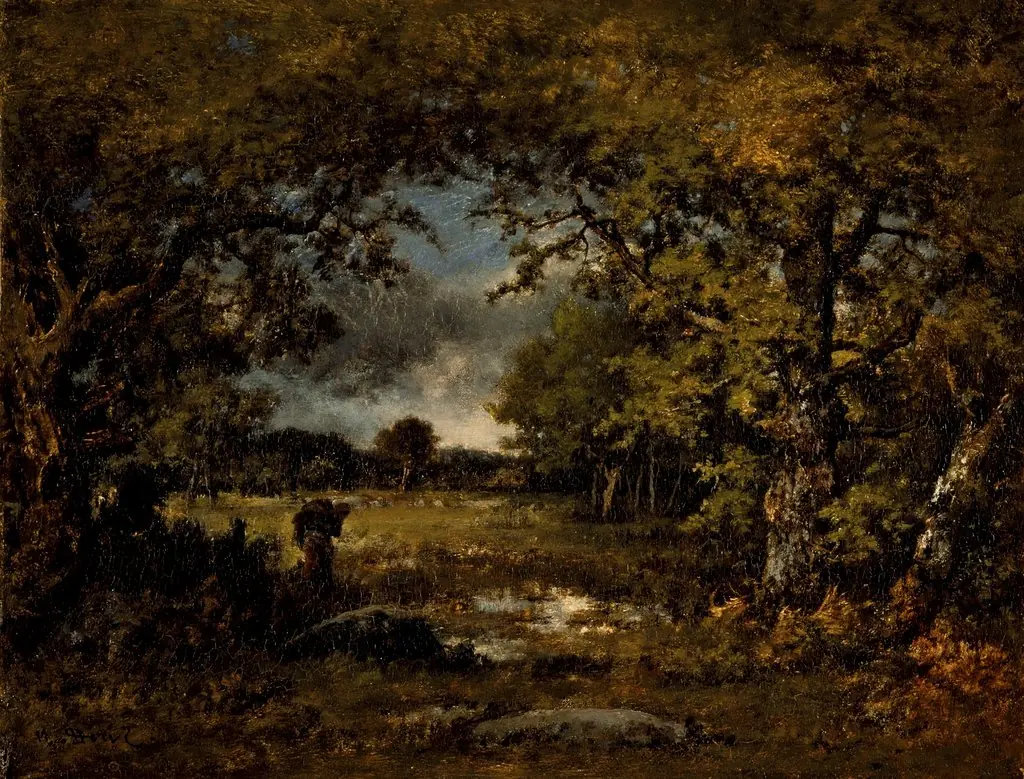 Landscape
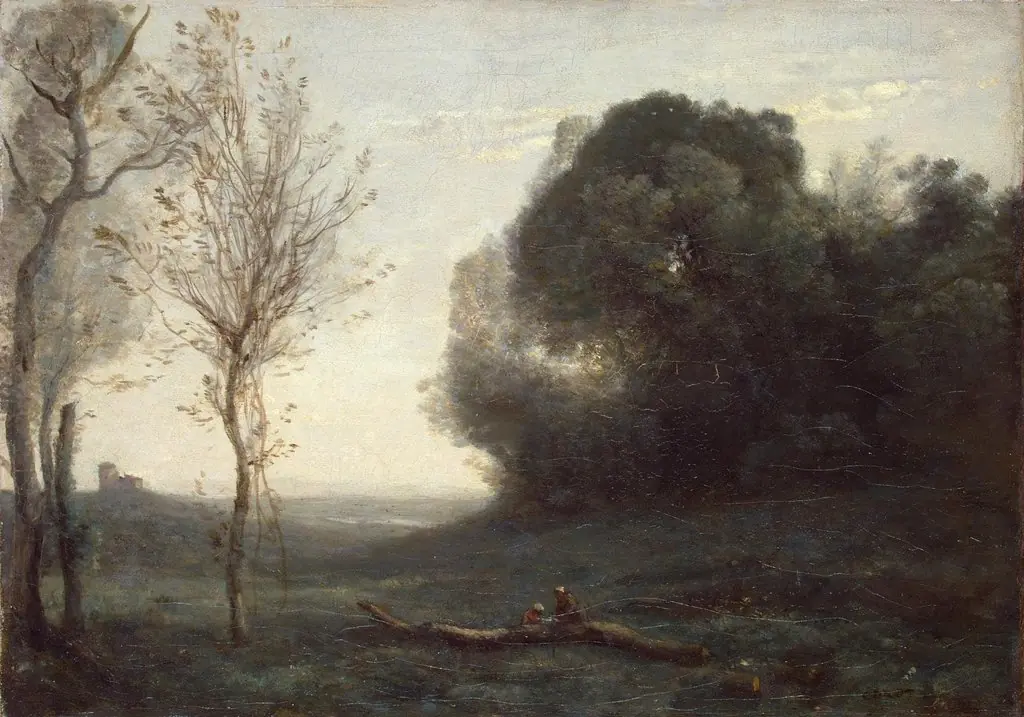 Morning
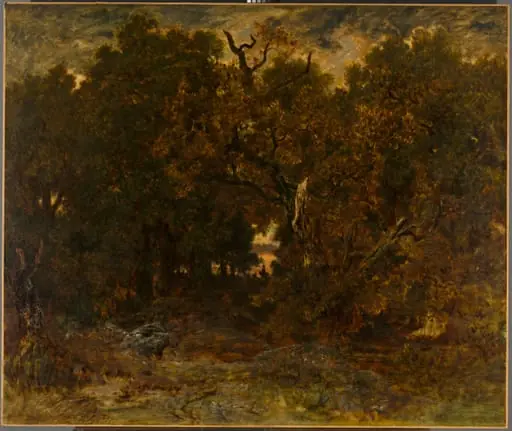 Leaving the Forest, Fontainebleau: Setting Sun
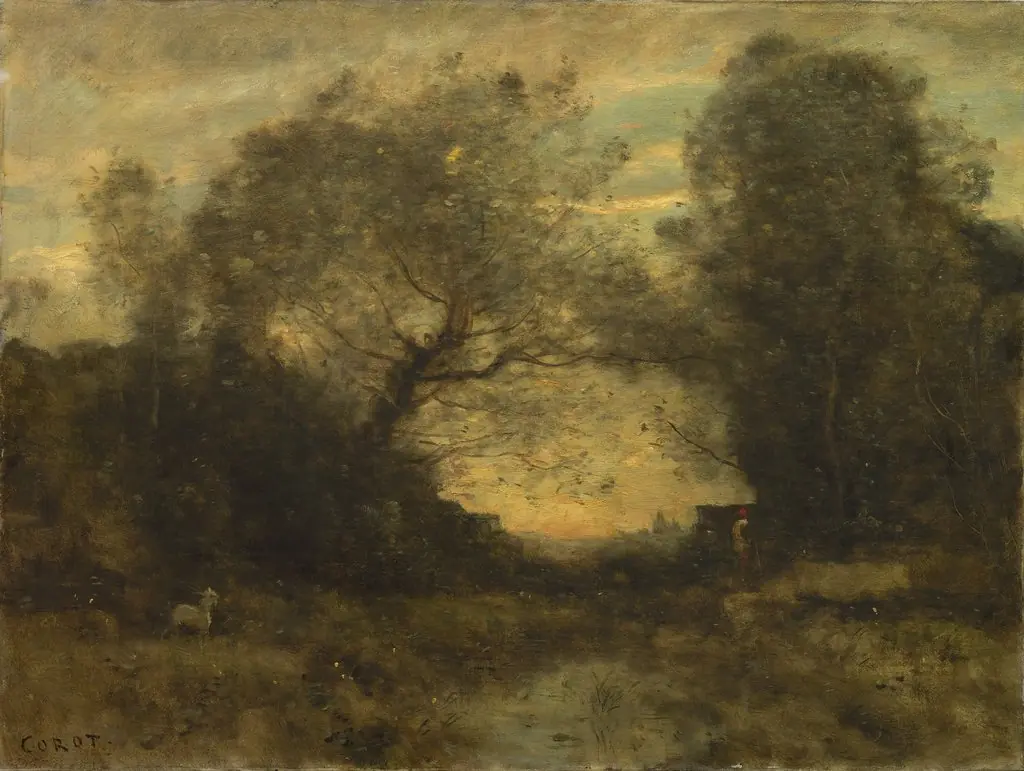 The Pond at the Entrance of the Woods
 The Pond at the Entrance of the Woods
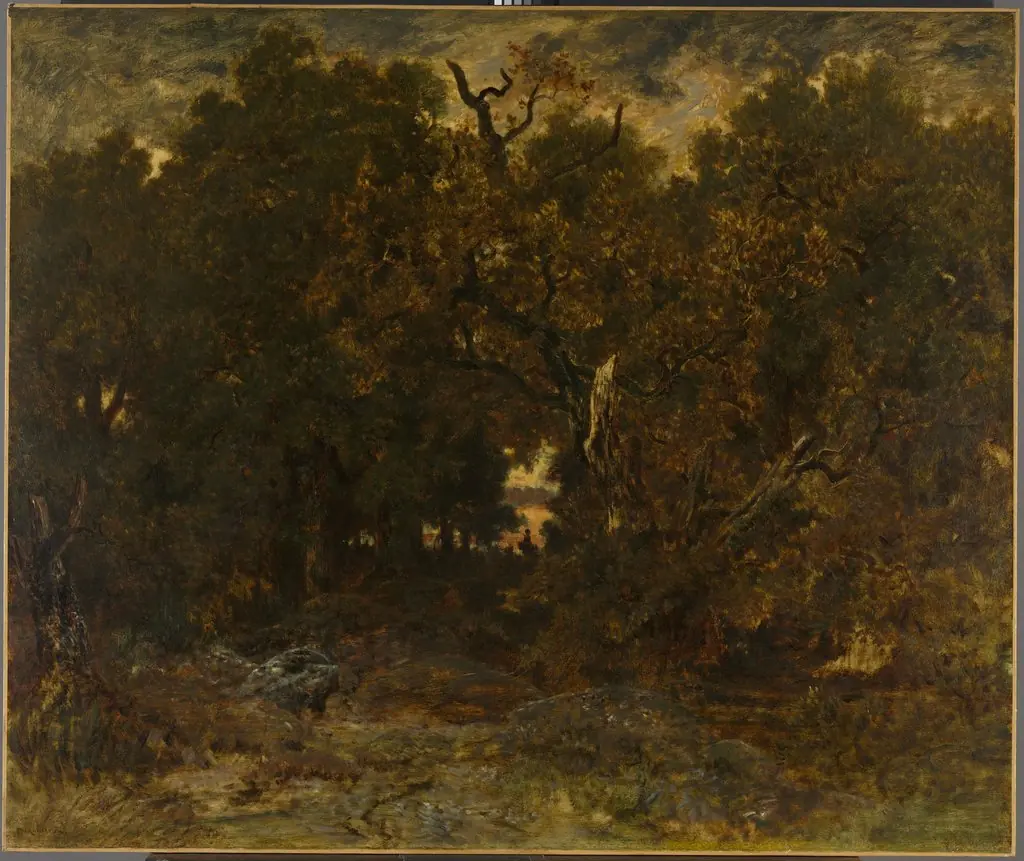 Leaving the Forest, Fontainebleau: Setting Sun
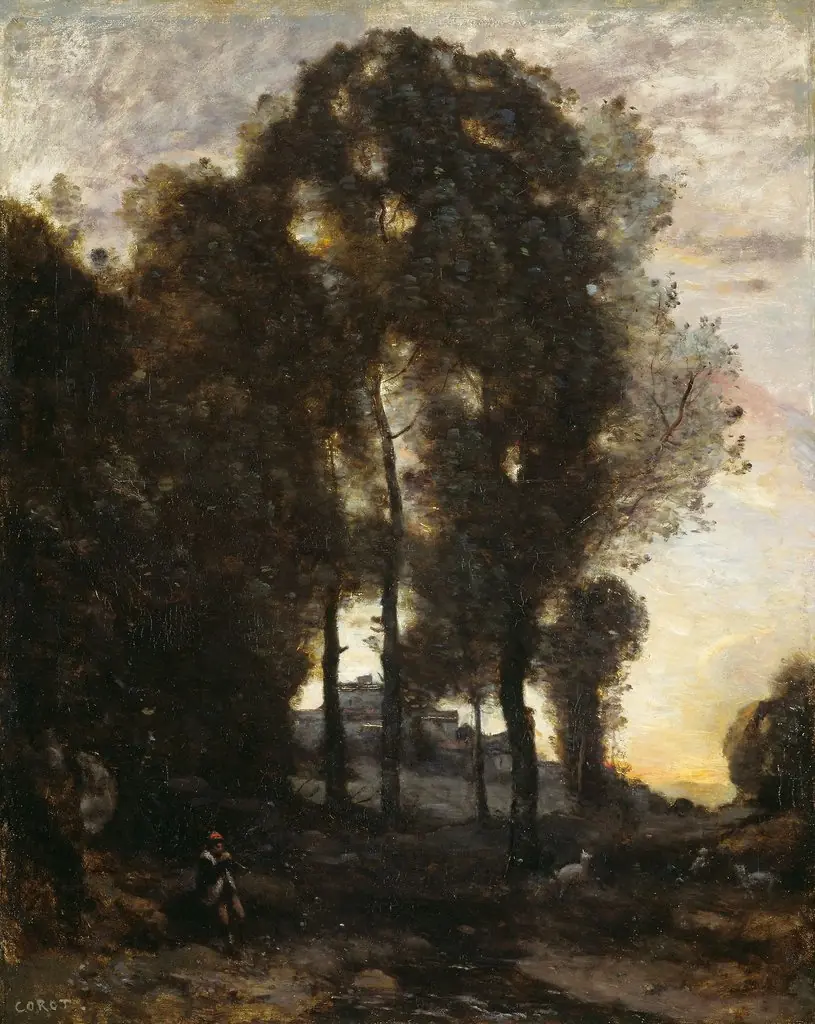 Souvenir of Italy
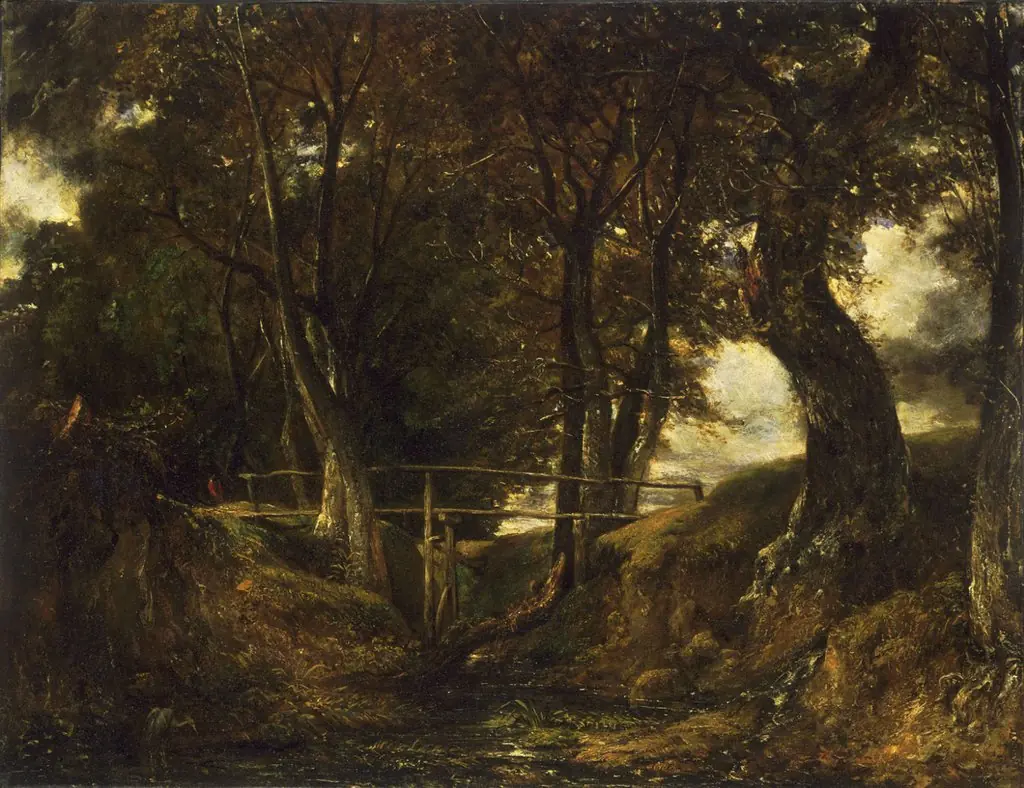 Dell at Helmingham Park (Philadelphia)