Artwork
Andrew Jackson, 15 Mar 1767 - 8 Jun 1845
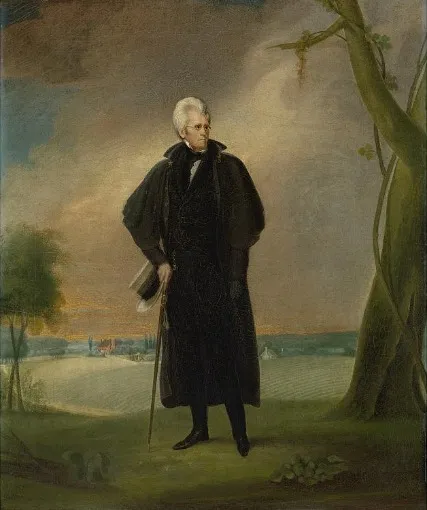
Andrew Jackson, 15 Mar 1767 - 8 Jun 1845 is an oil painting by Ralph E. W. Earl. It dates from 1830 and is held in the collection of the National Gallery of Art. Ralph Eleaser Whiteside Earl painted this oil portrait of former President Andrew Jackson in 1830.
About this work
Overview
Ralph Eleaser Whiteside Earl painted this oil portrait of former President Andrew Jackson in 1830. The work depicts the elder statesman standing outdoors, dressed in a long black coat with a lighter shirt and cravat, holding a cane and a folded document. A hazy landscape of trees, distant structures, and a cloud‑filled sky forms the background, emphasizing the figure’s solemn expression.
Subject & Meaning
The sitter, Andrew Jackson (1767–1845), is presented as a dignified, contemplative figure, his white hair and furrowed brow suggesting the weight of his public life. The inclusion of a cane and a paper may allude to his military and political authority, while the outdoor setting conveys a sense of natural gravitas.
Technique & Style
Executed in oil on canvas, the portrait employs a restrained palette of dark and light tones, creating contrast that draws attention to Jackson’s face. Earl’s handling of light and shadow reflects a chiaroscuro approach, softening the background while rendering the subject’s features with clarity.
History & Provenance
Earl, who served as Jackson’s unofficial “court painter,” produced this likeness during the president’s later years. After its creation, the painting entered the collection of the National Gallery of Art in Washington, where it remains on view as part of the museum’s American portrait holdings.
Artist & collection

Artist
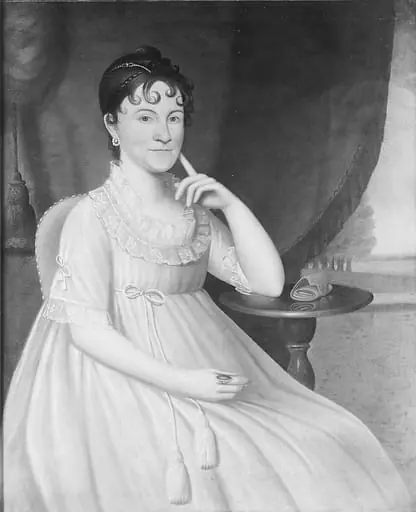
Ralph Eleaser Whiteside Earl (born 1785–1788; died September 16, 1838), was an American painter known as the "court painter" to President Andrew Jackson. He also painted the portrait of Rachel Jackson.

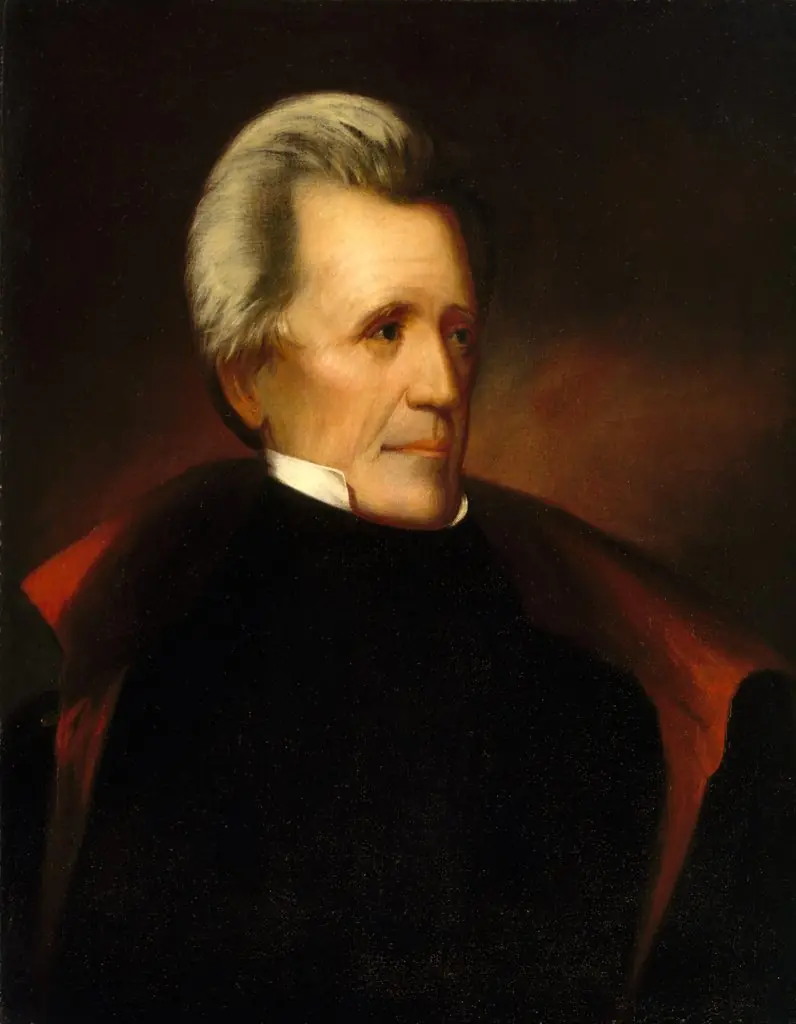
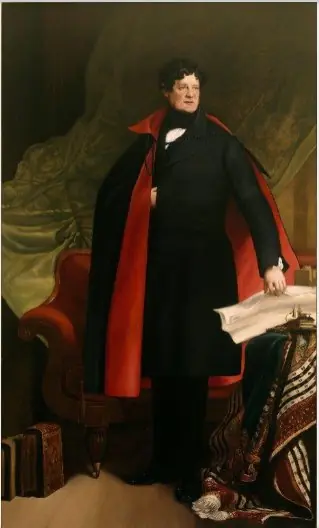 Portrait of Daniel O'Connell as Governor of the National Bank
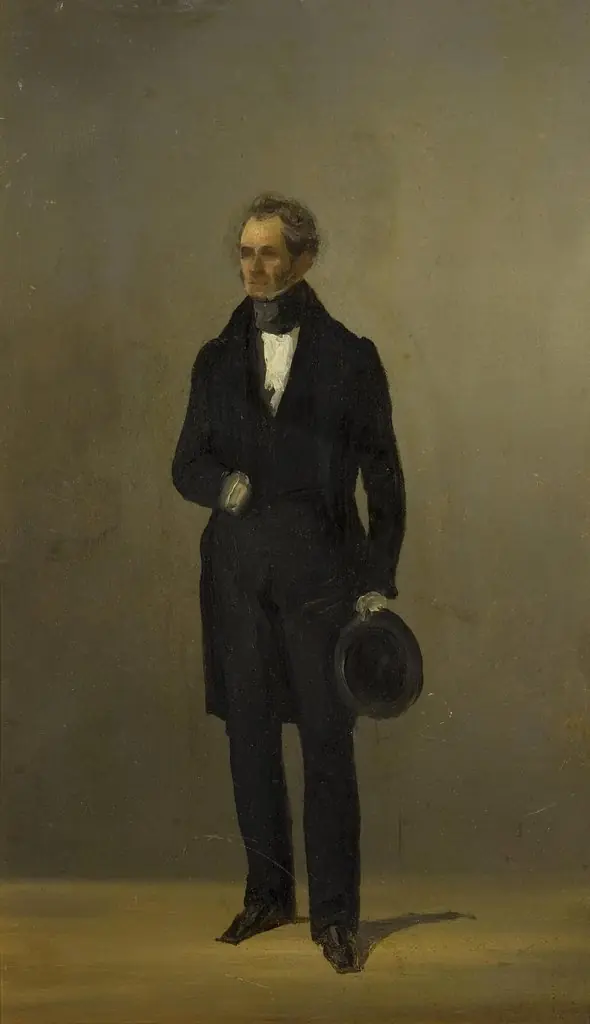 Portrait of F.I. Labensky, Chief of the 2nd Department of the Imperial Hermitage
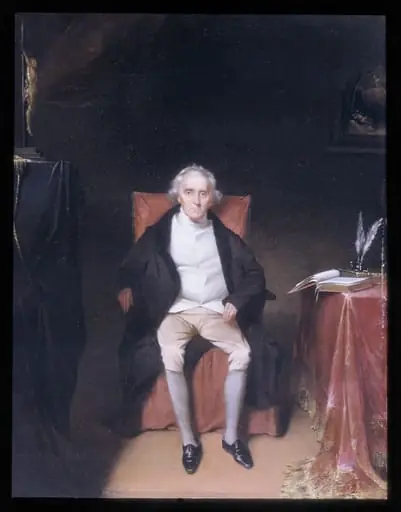 Charles Carroll of Carrollton
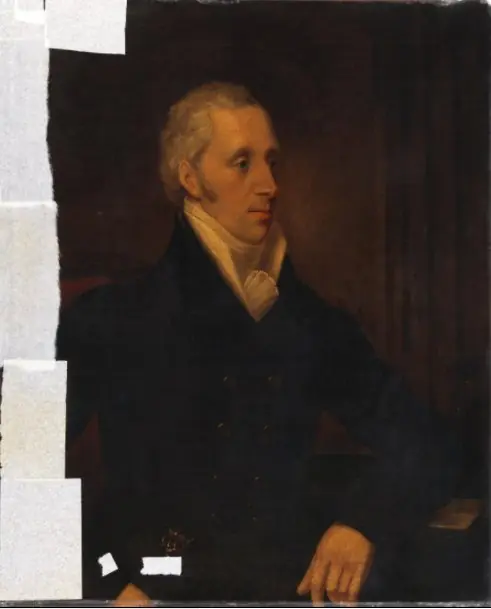 Portrait of James Henry Cottingham (1762-1820)
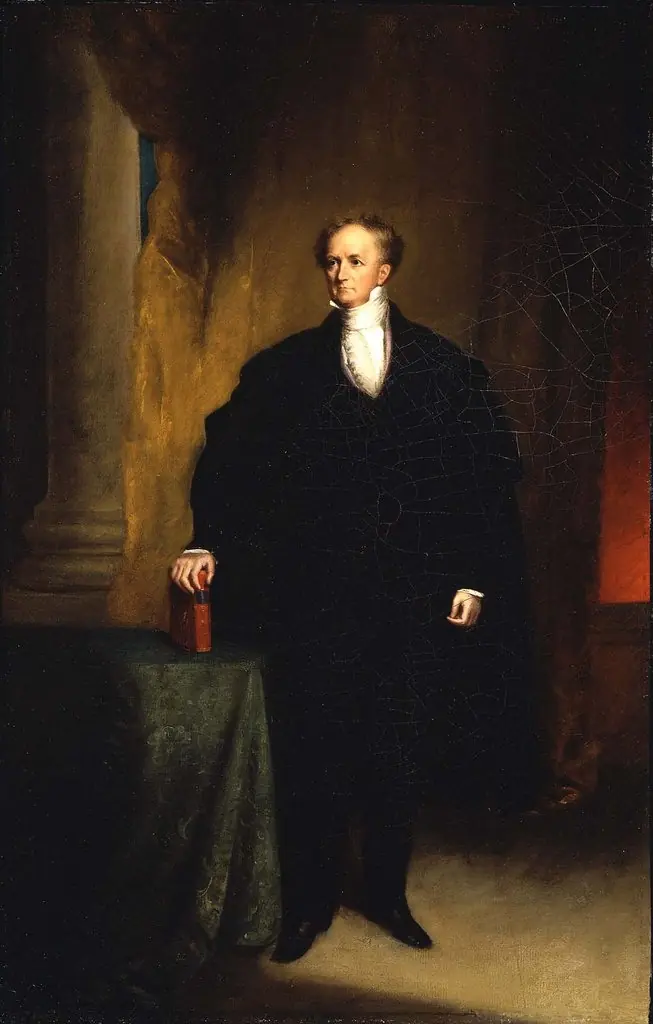 Abbott Lawrence
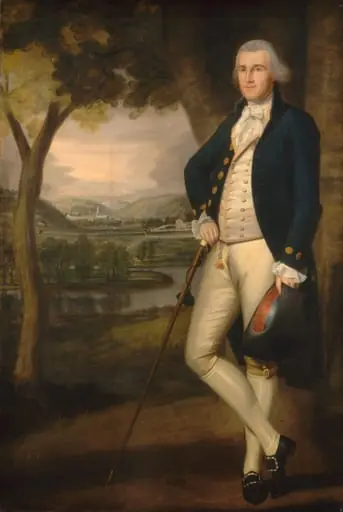 Daniel Boardman
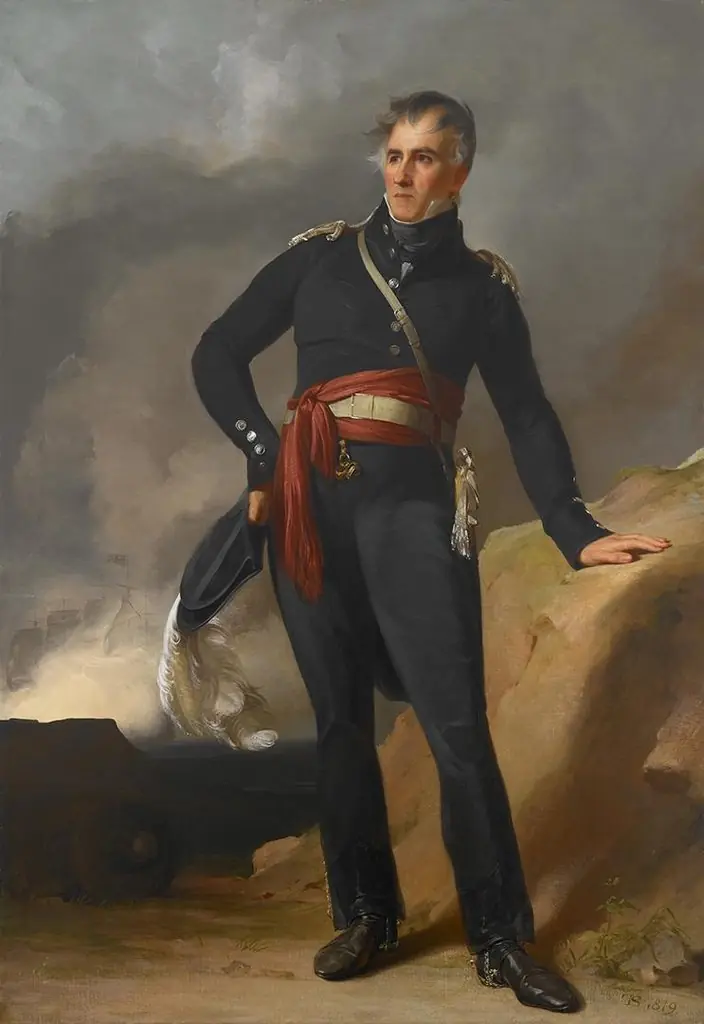 Colonel Samuel Boyer Davis
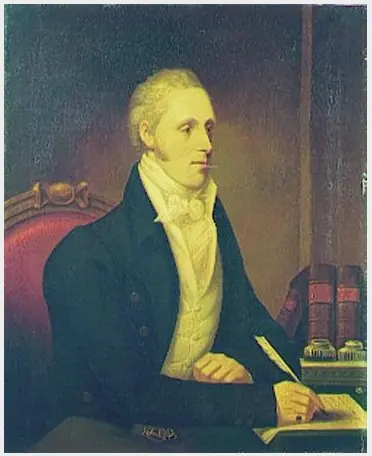 Portrait of Mr Cottingham
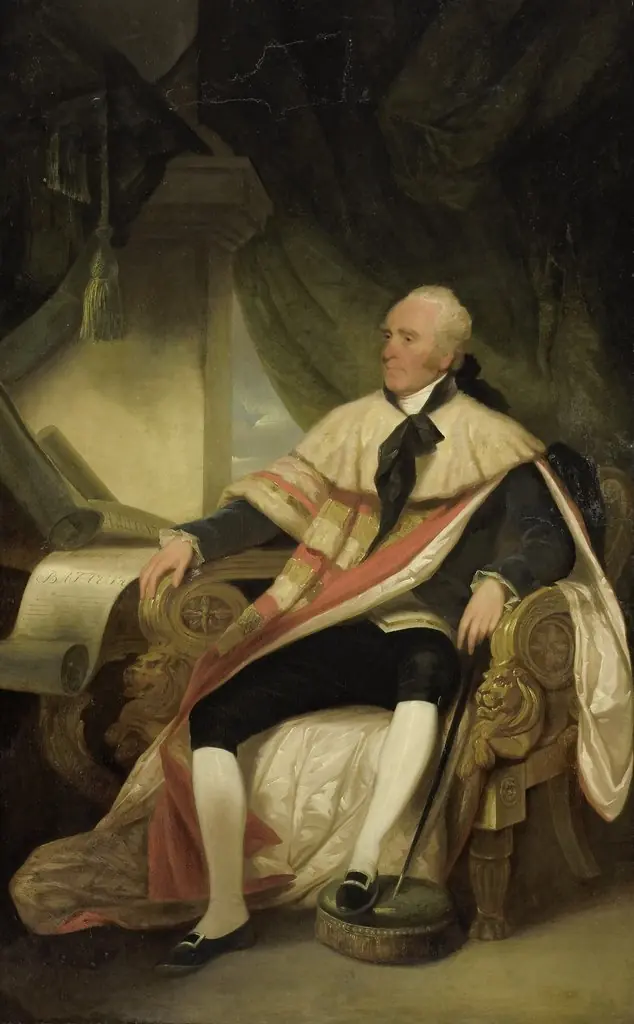 Gilbert Elliot, 1st Earl of Minto (1751-1814), Viceroy of British India and Governor General of the Dutch East Indies (1812-14)