Artwork
Portrait of F.I. Labensky, Chief of the 2nd Department of the Imperial Hermitage
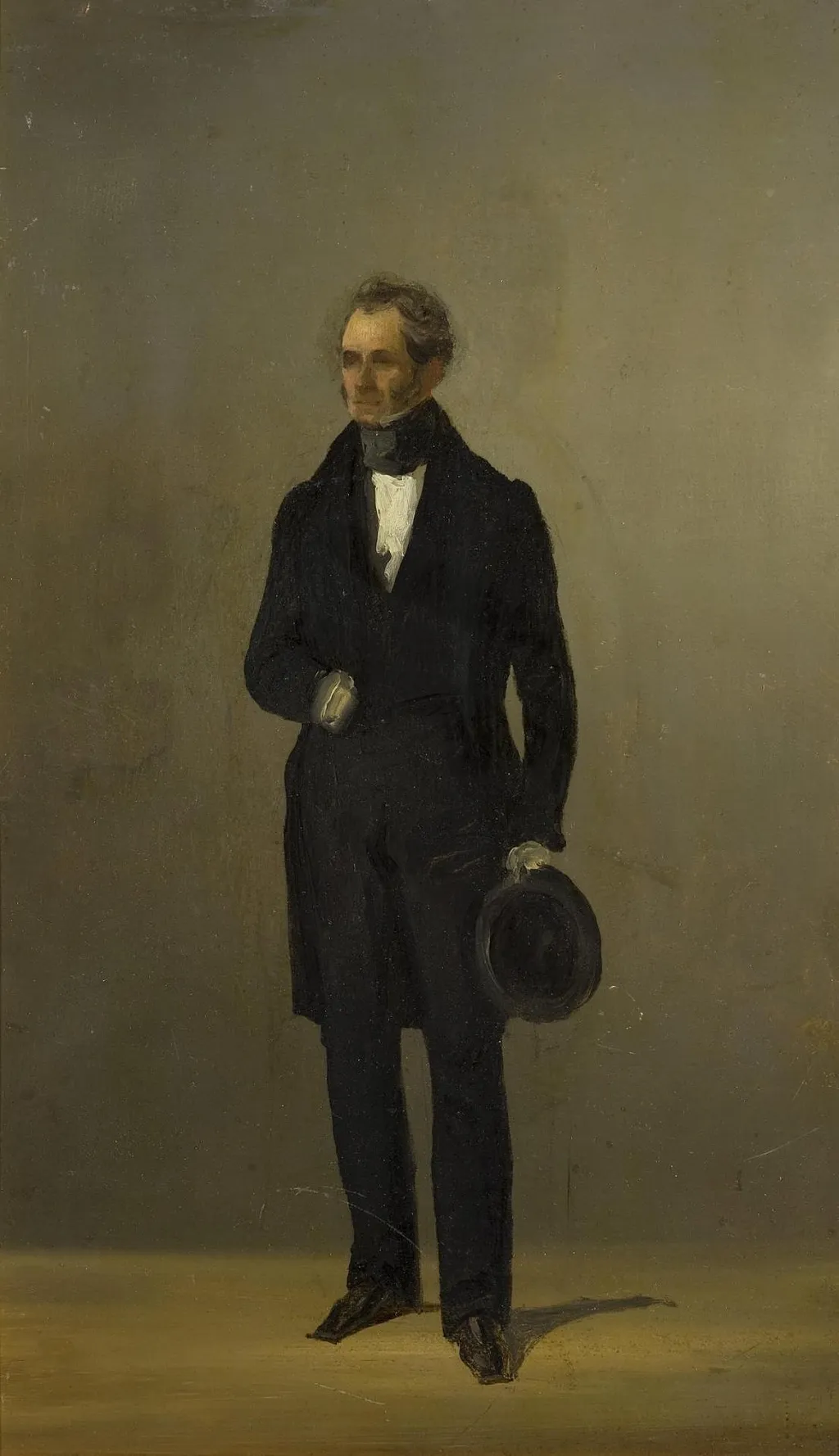
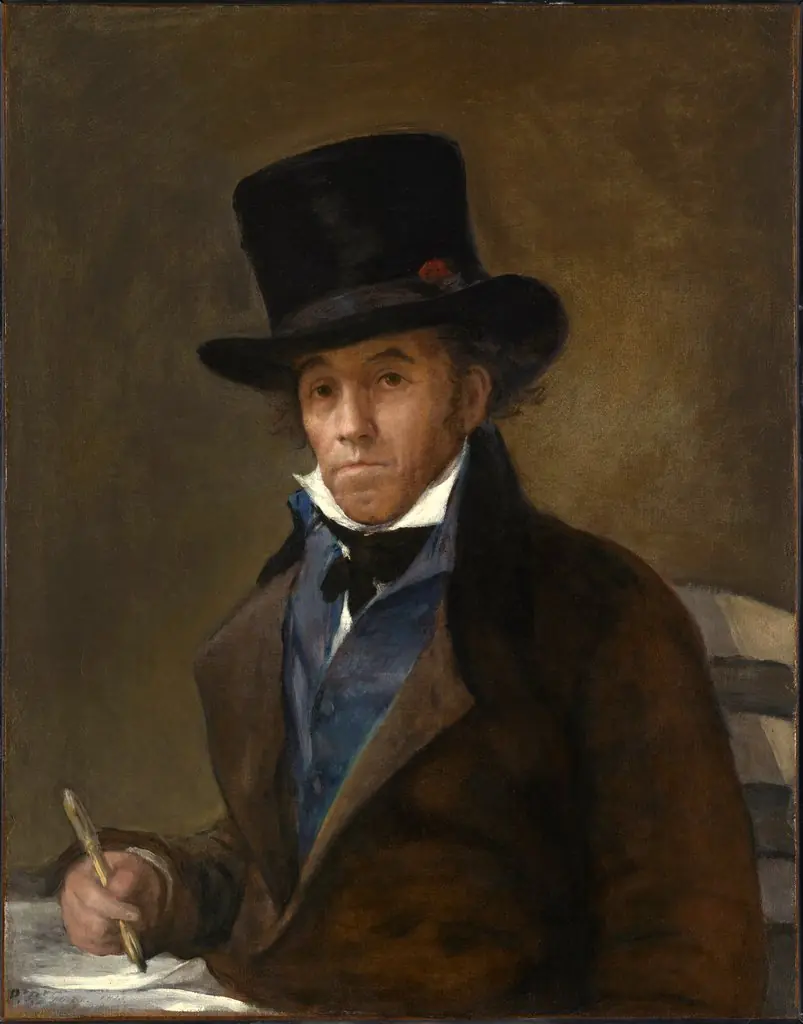
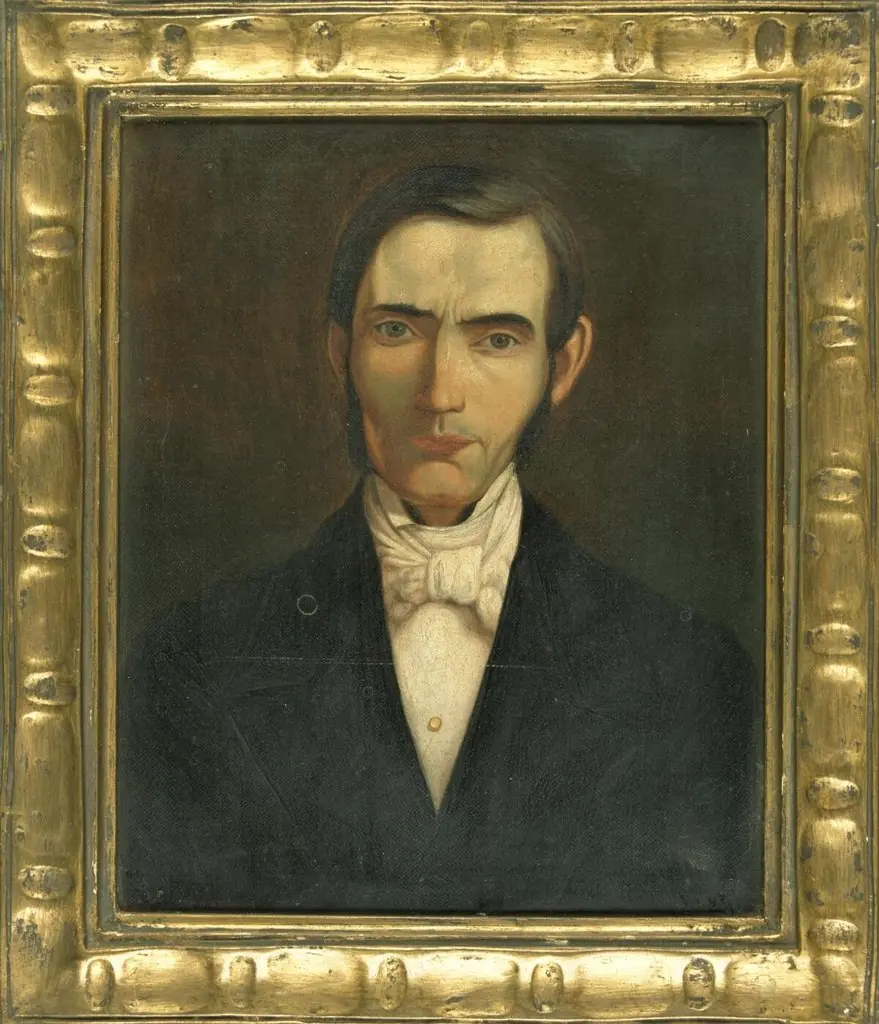
Portrait of F.I. Labensky, Chief of the 2nd Department of the Imperial Hermitage is an oil painting by the Realist artist Unknown. It dates from 1850 and is held in the collection of the Hermitage Museum. This oil painting depicts F.
About this work
Overview
Set against a muted, unadorned background, the figure is illuminated by a directional light that emphasizes the contours of his face and attire.
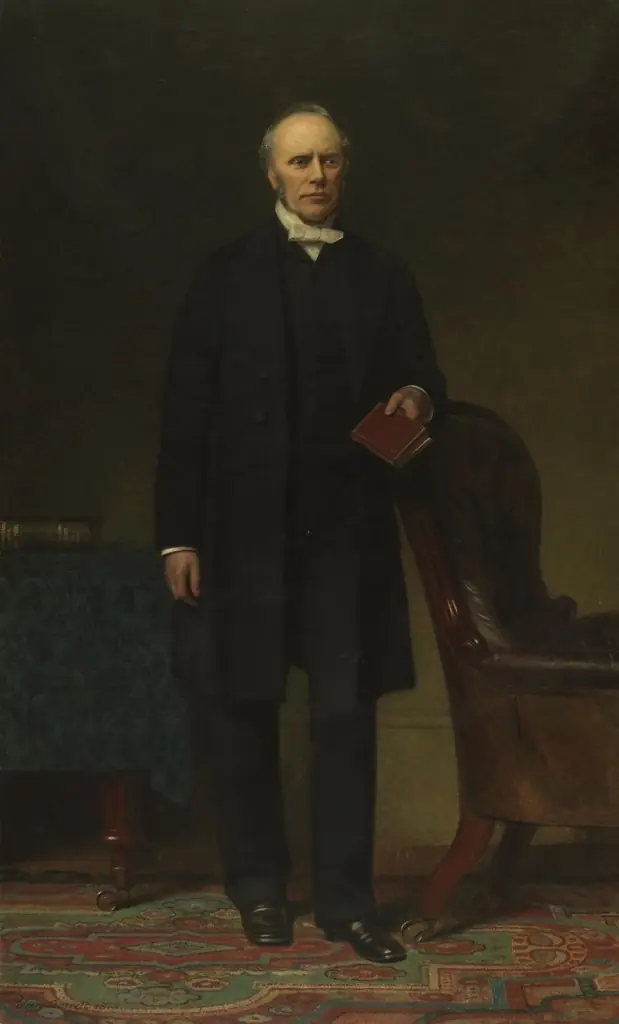
This oil painting depicts F.I. Labensky, head of the second department of the Imperial Hermitage, portrayed in a formal, full-length stance. Set against a muted, unadorned background, the figure is illuminated by a directional light that emphasizes the contours of his face and attire. The composition isolates him from context, focusing attention on his demeanor and uniform, suggesting a role defined by authority and restraint.
Subject & Meaning
Labensky is shown as a custodian of imperial cultural heritage, his posture rigid and hands clasped around a top hat—a symbol of civilian authority. The absence of decorative elements or symbolic objects directs focus to his expression: composed, alert, and unyielding. The portrait conveys institutional gravitas rather than personal warmth, aligning with the bureaucratic dignity expected of high-ranking officials in the imperial administration.
Technique & Style
The artist employs a restrained palette dominated by dark tones, with subtle gradations of gray and black to model the figure. Light falls sharply across the face and collar, creating strong chiaroscuro that enhances the three-dimensionality of the form. Brushwork is precise but unobtrusive, prioritizing clarity of silhouette and texture over expressive flourish, reflecting a tradition of official portraiture rooted in realism and decorum.
History & Provenance
Commissioned during Labensky’s tenure at the Hermitage, the portrait likely served an official function, possibly displayed within the museum’s administrative quarters. Its survival suggests it remained in state custody, eventually entering the Hermitage’s permanent collection. No record of private ownership or public exhibition outside imperial circles exists, reinforcing its role as an institutional artifact rather than a personal memento.
Context
In mid-19th century Russia, museum officials held positions of considerable influence, overseeing imperial collections that were both cultural treasures and instruments of state prestige. Portraits of such figures followed established conventions: solemn, formal, and devoid of personal narrative. This work aligns with a broader practice of using portraiture to reinforce hierarchy and institutional continuity within the imperial bureaucracy.
Legacy
The portrait remains a quiet testament to the administrative backbone of the Hermitage during its imperial phase. It contributes to the visual archive of Russian cultural governance, offering insight into how authority was visually codified outside the realm of royalty. Though not widely exhibited today, it endures as a representative example of bureaucratic portraiture within the museum’s own holdings.
Artist & collection

 Domestic Scene
 Giacomo and Cardinal Marco, investing Andrea, Abbot of San Zeno, with his Benefice
 The Nymph of Fontainebleau
 Portrait of a Woman
 Madonna and Child with Saints in the Enclosed Garden
 Venus and Minerva
 Family Group of Four on Sofa
 Wall painting from Room H of the Villa of P. Fannius Synistor at Boscoreale