Artwork
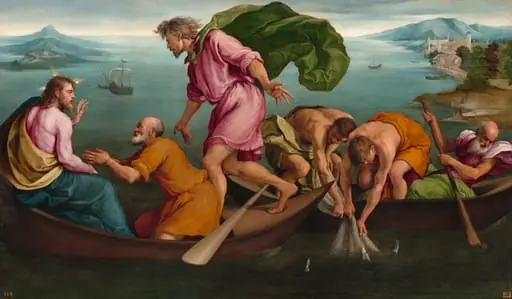
The miraculous Draught of Fishes
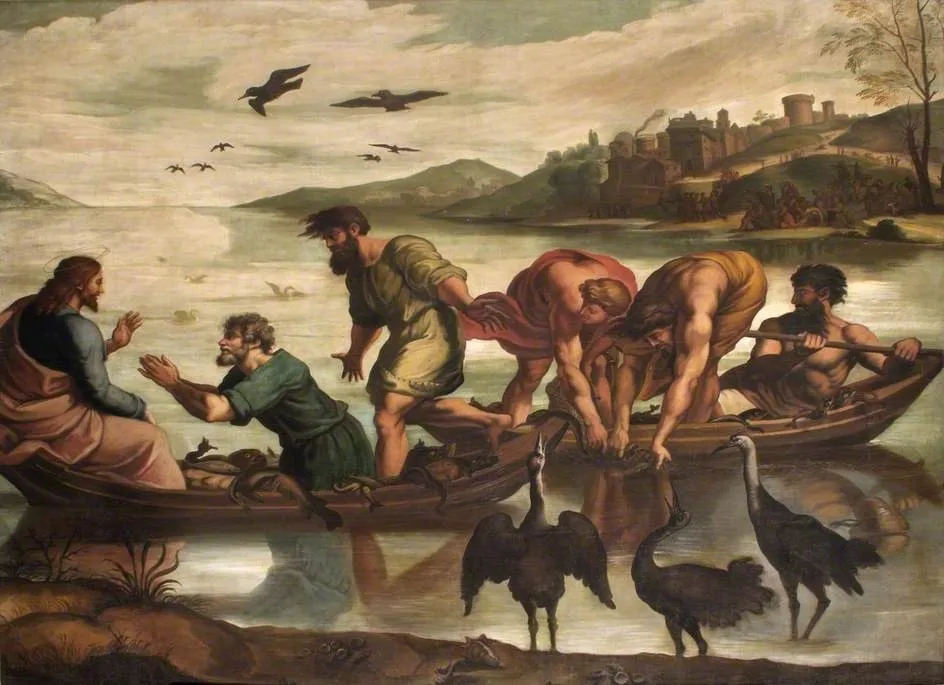
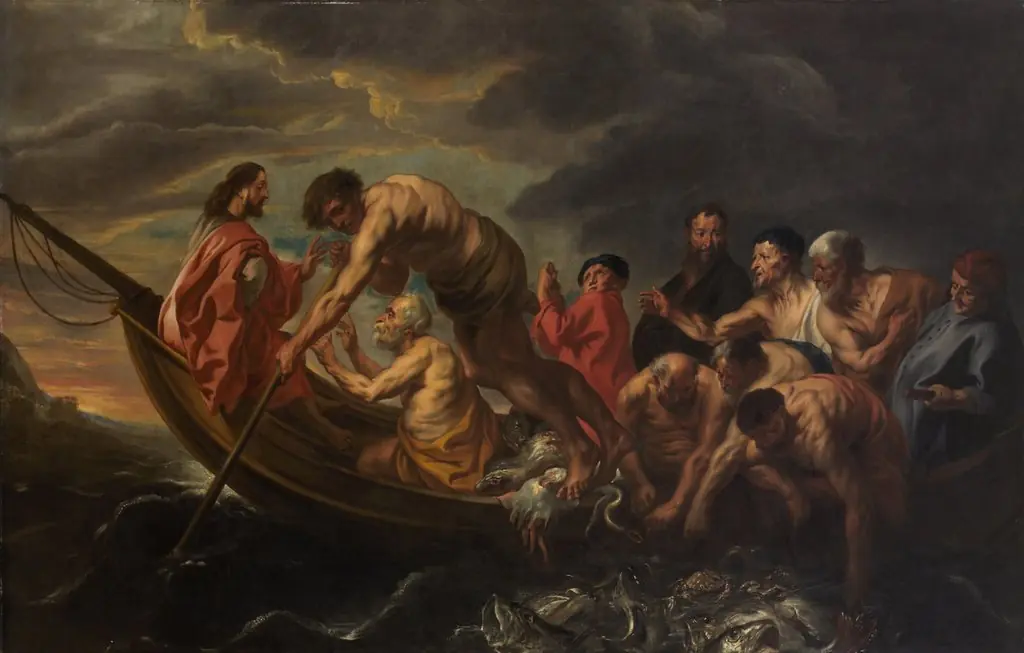
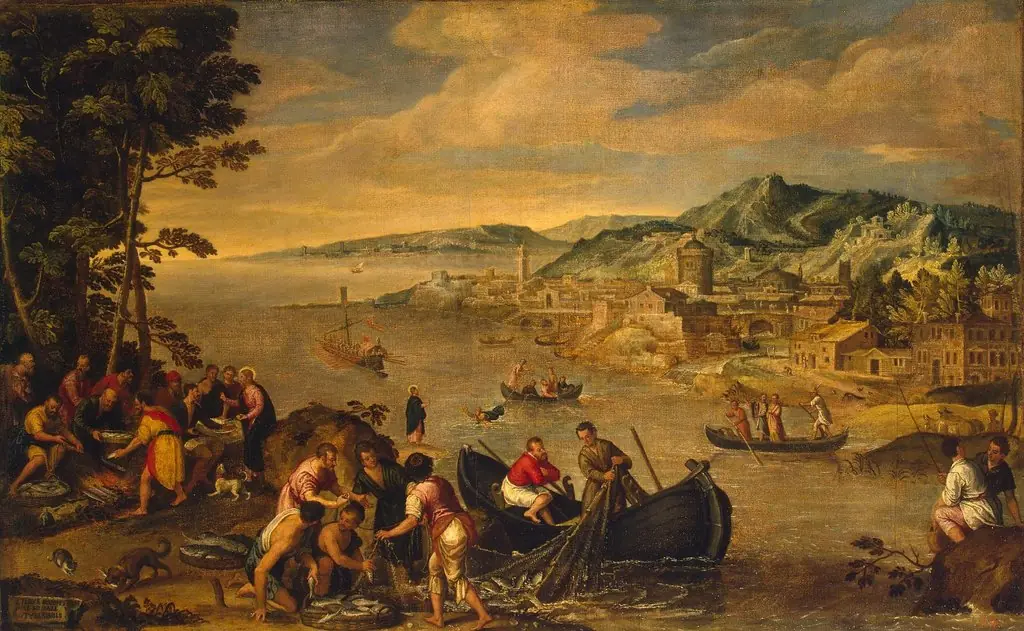
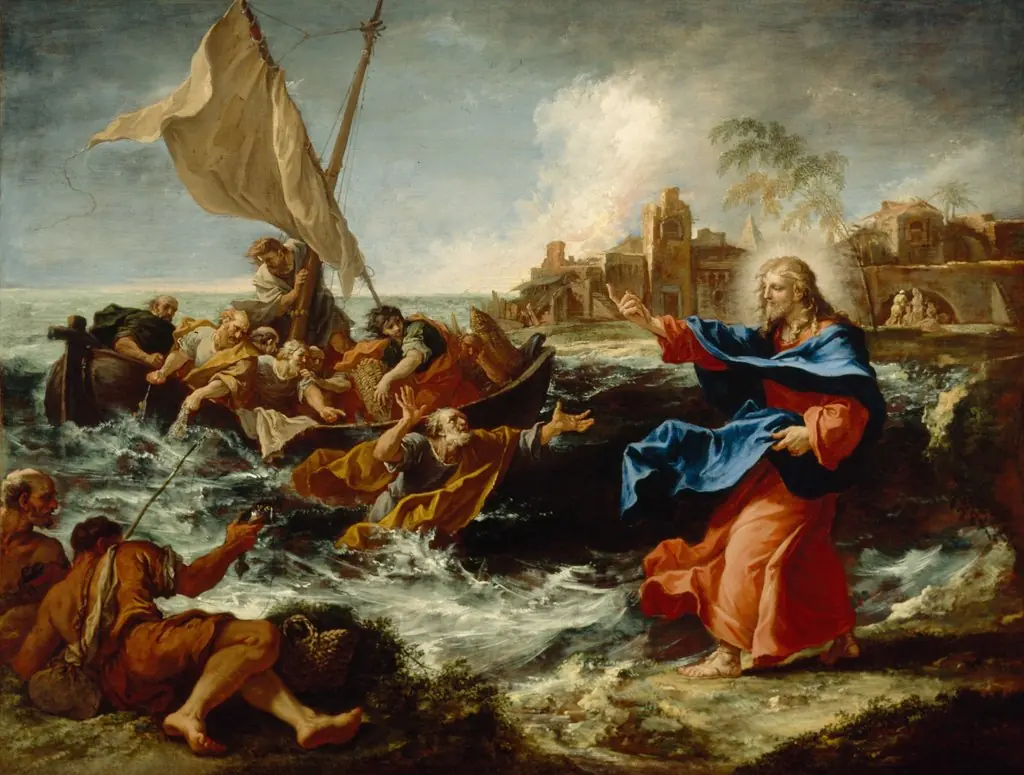
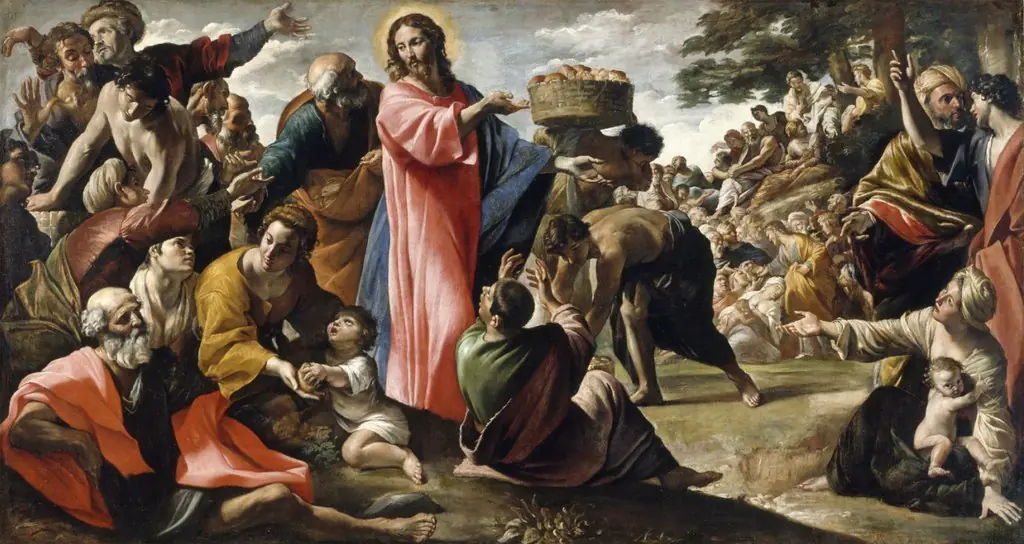
The miraculous Draught of Fishes is an oil painting by Raphael. It dates from 1511 and is held in the collection of the Ashmolean Museum.
About this work
Overview
It illustrates a moment from the Gospel of Luke in which Jesus instructs fishermen to cast their nets, resulting in an abundant catch.
Painted around 1511 in oil on panel, The Miraculous Draught of Fishes is a small-scale religious work by Raphael. It illustrates a moment from the Gospel of Luke in which Jesus instructs fishermen to cast their nets, resulting in an abundant catch. The painting resides in the Ashmolean Museum, Oxford, and reflects Raphael’s early mastery of composition and quiet narrative expression during his Roman period.
Subject & Meaning
The scene captures Jesus blessing a group of four fishermen after a night of failed fishing. His raised hand signals divine authority, while the kneeling figure conveys awe and submission. The abundance of fish symbolizes spiritual abundance and the calling of disciples to become 'fishers of men.' The calm setting underscores the sacredness of the moment, avoiding dramatic spectacle in favor of contemplative stillness.
Technique & Style
Raphael employs soft modeling and balanced proportions to render figures with quiet dignity. The palette is restrained, dominated by earth tones and muted blues, enhancing the scene’s serenity. Brushwork is precise yet unobtrusive, with delicate attention to the water’s surface and the texture of fabrics. The composition is tightly grouped, directing focus to Christ’s gesture and the fishermen’s reactions.
History & Provenance
The painting was likely commissioned for private devotion during Raphael’s time in Rome. It entered the Ashmolean’s collection in the 19th century as part of the collection of the Duke of Northumberland. Its small size suggests it was intended for intimate use rather than public display, consistent with devotional practices of the period.
Context
Created during Raphael’s formative years in Rome, the work reflects his engagement with High Renaissance ideals of harmony and clarity. While influenced by Leonardo’s compositional grace and Michelangelo’s anatomical precision, Raphael’s approach here is more subdued, emphasizing spiritual quietude over grandeur. It aligns with contemporary devotional imagery favored by humanist patrons.
Legacy
Though less known than Raphael’s larger frescoes, this painting exemplifies his ability to convey theological depth through restraint. Its influence is seen in later devotional works that prioritize emotional subtlety over theatricality. It remains a key example of how Renaissance artists translated biblical narratives into accessible, meditative forms for private contemplation.
Artist & collection
Artist
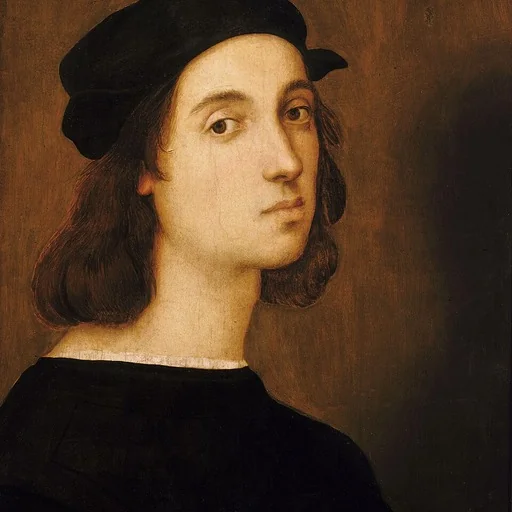
Raphael was born Raffaello Sanzio in Urbino on April 6, 1483, the son of Giovanni Santi, a painter and poet attached to the ducal court.