Artwork
H Beard Print Collection
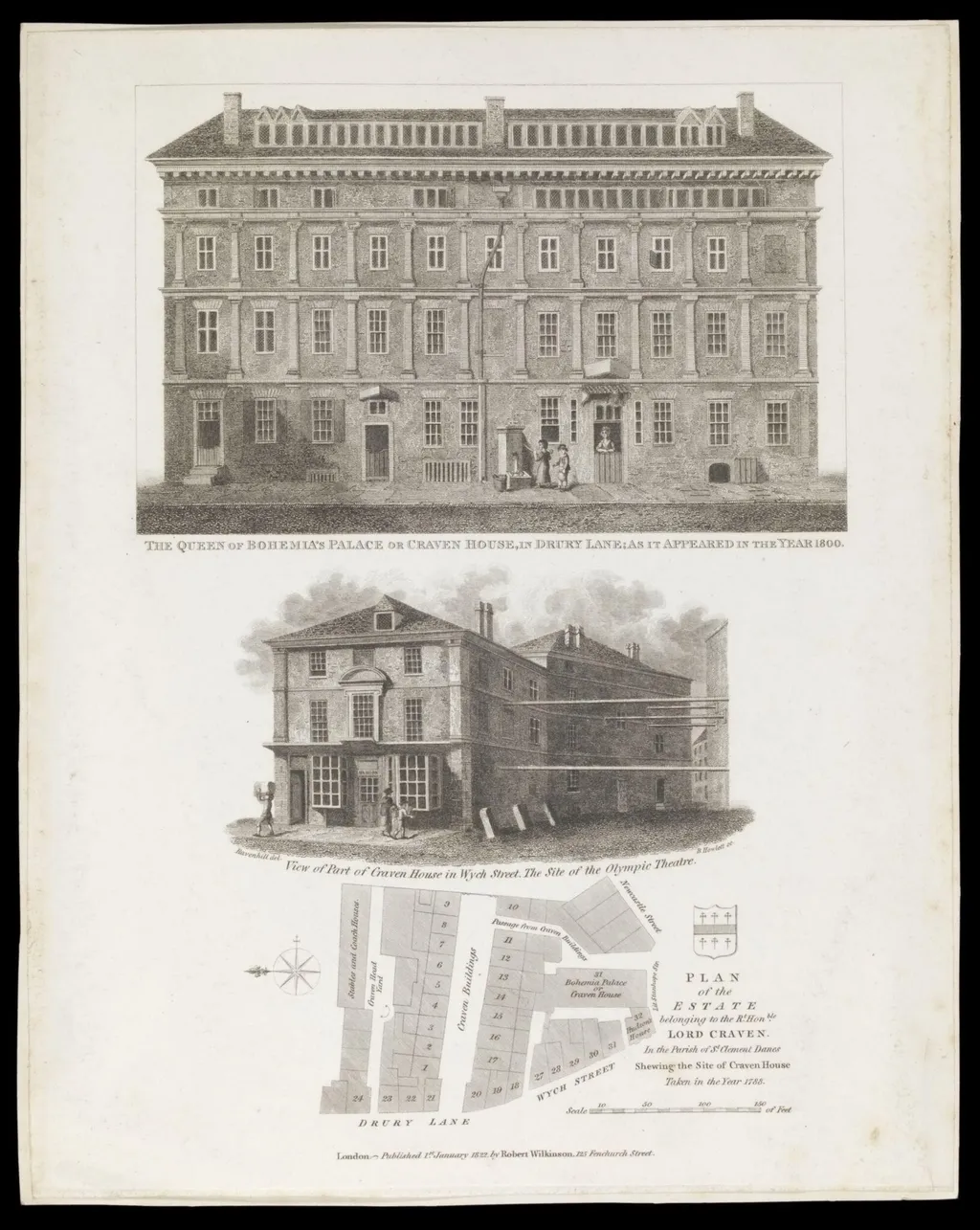
H Beard Print Collection is a print by the Romanticist artist Ravenhill. It dates from 1 and is held in the collection of the Victoria and Albert Museum. This print combines multiple visual elements of a London estate from the late 18th and early 19th centuries.
About this work
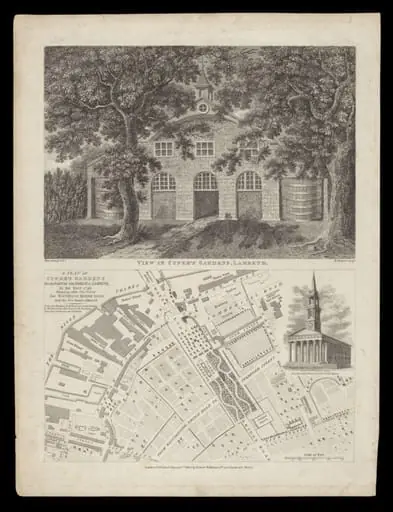
This print shows a London estate from 1800. It’s a mix of buildings and a layout plan. The scene has the Queen of Bohemia’s Palace and Craven House.
It mixes real estate facts with Romanticism’s love of detail. One sheet packs views, a map, and dates into one image.
Look up the Victoria and Albert Museum to see more prints from this era.
Overview
This print combines multiple visual elements of a London estate from the late 18th and early 19th centuries.
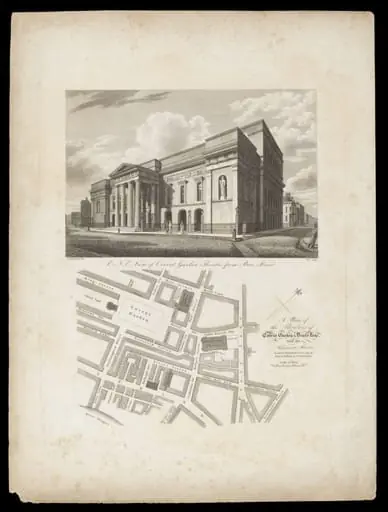
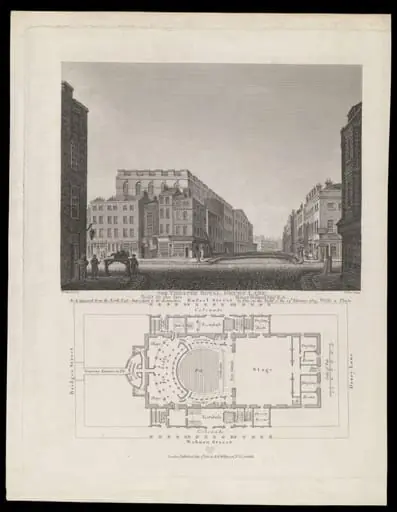
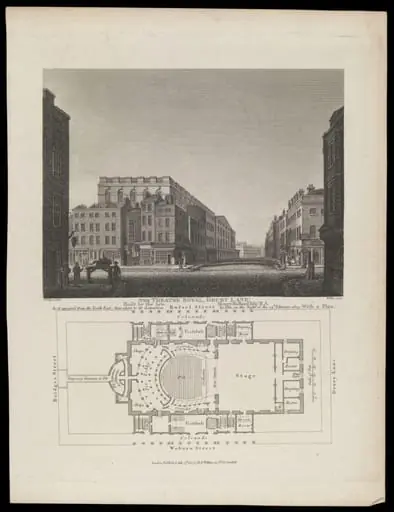
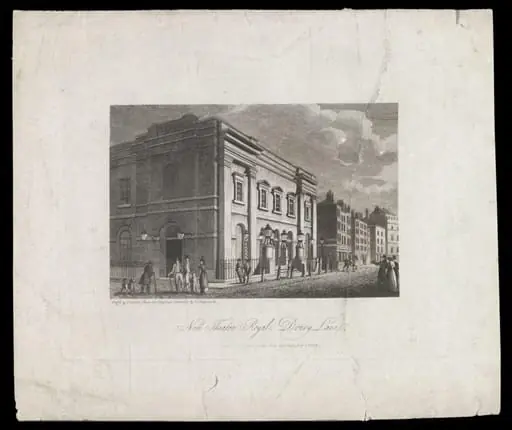
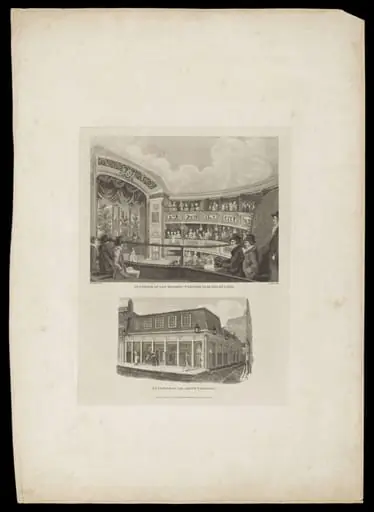
This print combines multiple visual elements of a London estate from the late 18th and early 19th centuries. It presents an external view of Craven House in Drury Lane as it appeared around 1800, alongside a depiction of part of the same structure in Wych Street, associated with the Olympic Theatre. A separate plan, dated 1788, outlines the broader estate owned by Lord Craven in the parish of St. Clement Danes, merging architectural observation with land documentation.
Subject & Meaning
The print centers on Craven House, historically linked to Elizabeth Stuart, the Queen of Bohemia, and her family’s later residence in London. It documents the physical presence of the estate at a time of urban transformation, capturing both its architectural form and its place within the evolving city. The inclusion of a formal land plan suggests an interest in property boundaries and ownership, reflecting the era’s growing emphasis on legal and spatial record-keeping.
Technique & Style
The print employs precise line work and scaled drafting to distinguish between observational views and cartographic elements. Architectural details are rendered with clarity, while the plan uses conventional symbols for buildings and boundaries. The integration of multiple image types on a single sheet reflects a practical, documentary approach rather than decorative intent, typical of survey and estate records of the period.
History & Provenance
The print originates from the H. Beard Print Collection, a 19th-century compilation of topographical and architectural views. The dates 1788 and 1800 indicate it was compiled from earlier surveys and later observations, possibly for private or institutional use. Craven House, once a noble residence, had by this time become part of a denser urban fabric, and the print may have served as a historical record before its eventual demolition.
Context
In the late 18th century, London’s aristocratic estates were increasingly subdivided or redeveloped as the city expanded. Craven House, situated near the growing theater district of Drury Lane, exemplifies this transition. The print’s coexistence of architectural view and land plan mirrors contemporary efforts to map and manage urban change, aligning with broader trends in surveying and civic documentation during the Georgian era.
Legacy
As part of the H. Beard Collection, this print contributes to a larger archive of London’s built environment during a period of rapid urbanization. Its preservation offers insight into how property, architecture, and ownership were visually recorded before photography. Though Craven House no longer stands, the print remains a tangible artifact of its physical and social presence in early 19th-century London.
Artist & collection
Artist
Ravenhill never left London but spent years sketching the city’s rooftops from a single attic window, turning soot stains and pigeon loitering into a private calendar of the seasons.