Artwork
Untitled
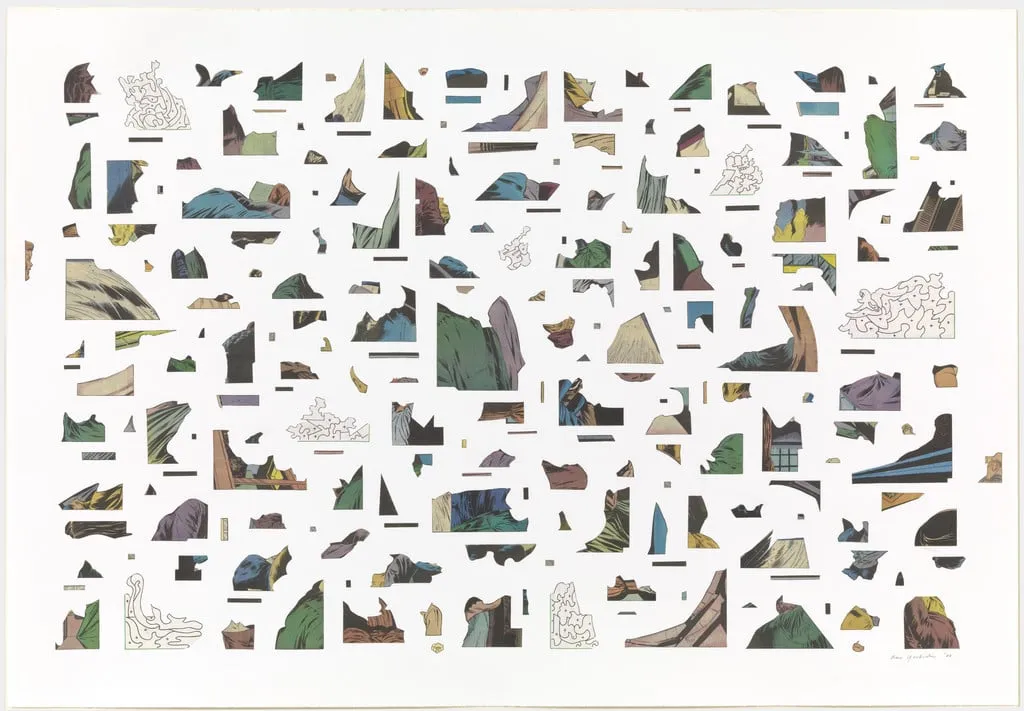
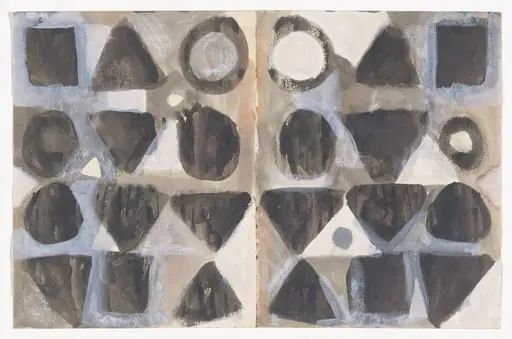
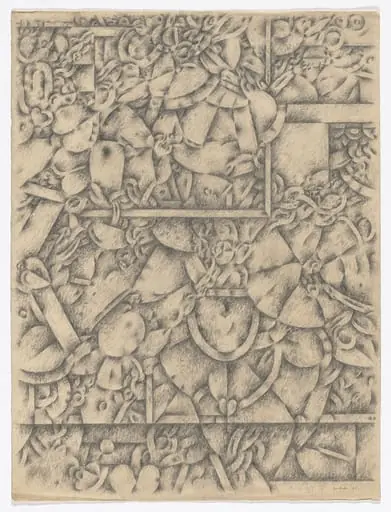
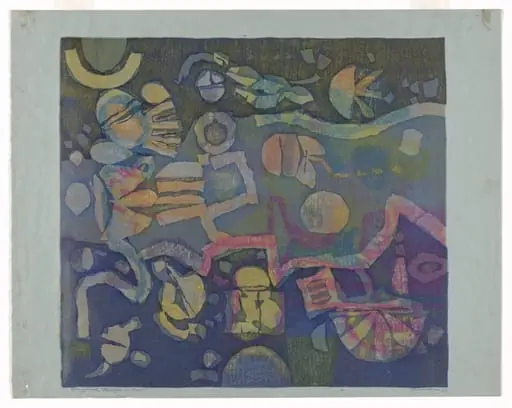
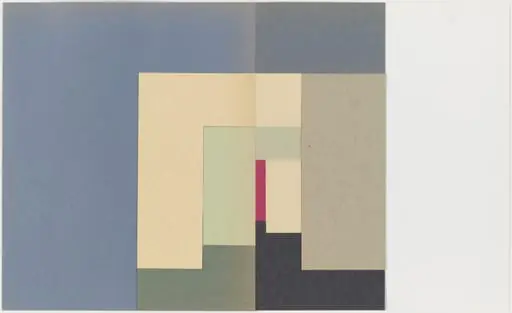
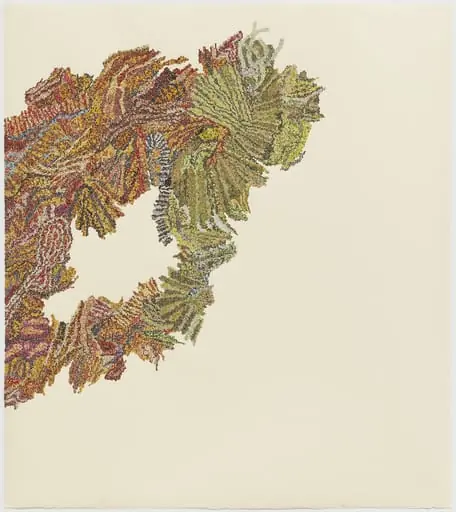
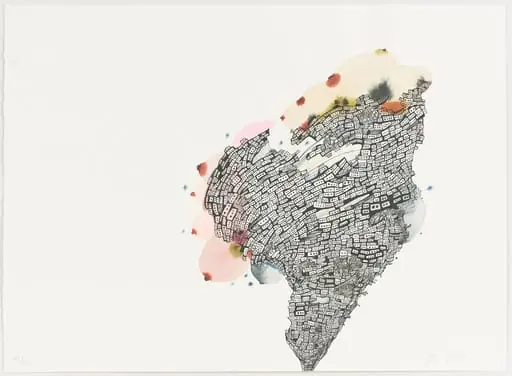
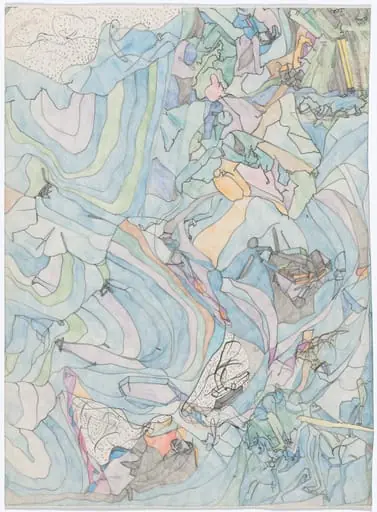
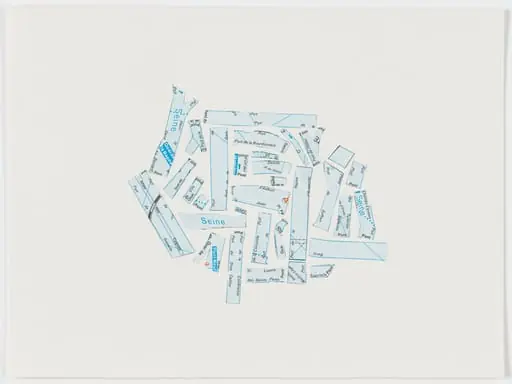
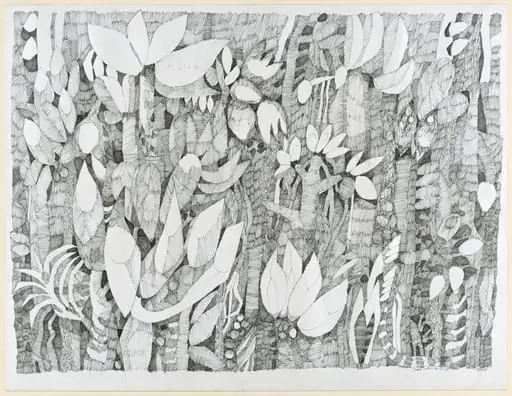
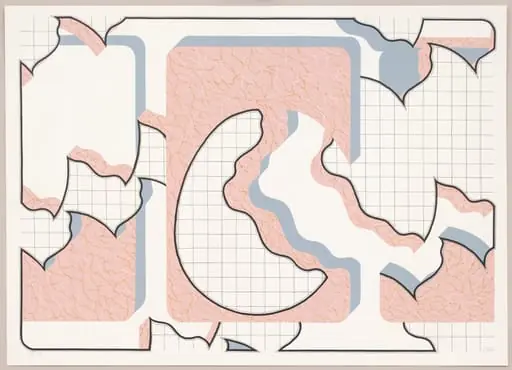
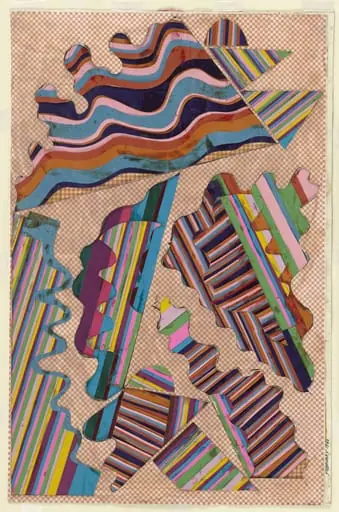
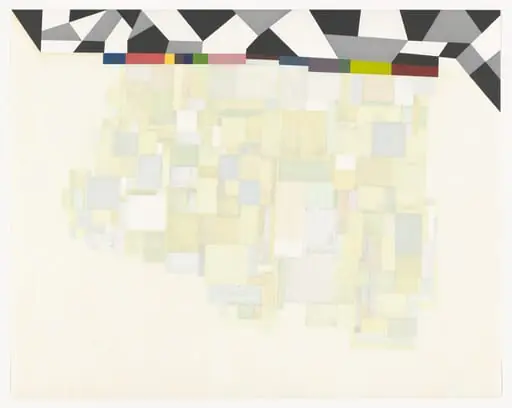
Untitled is a drawing by Ray Yoshida. It dates from 2000 and is held in the collection of the Museum of Modern Art. Created in 2000, this work is a collage composed of cut and pasted printed paper on a plain sheet.
About this work
Overview
The artist, Ray Yoshida, assembled fragments of commercial print media into an abstract composition that suggests natural and built environments.
Created in 2000, this work is a collage composed of cut and pasted printed paper on a plain sheet. The artist, Ray Yoshida, assembled fragments of commercial print media into an abstract composition that suggests natural and built environments. Its small, irregular shapes are arranged without clear hierarchy, inviting close inspection. The piece belongs to the collection of The Museum of Modern Art, reflecting its significance in postwar American drawing practices.
Subject & Meaning
The composition evokes fragmented landscapes—forms resemble distant hills, cloud masses, and miniature structures—but resists literal interpretation. Yoshida drew from the visual clutter of everyday printed matter, transforming advertising and packaging into poetic, ambiguous forms. The work suggests memory or perception rather than depiction, inviting viewers to project meaning onto the abstracted shapes without anchoring them to a specific place or narrative.
Technique & Style
Yoshida employed precise cutting and layering of found printed paper to build texture and spatial suggestion. Colors—greens, browns, blues, yellows—are retained from their original sources, preserving the aesthetic of mass-produced imagery. Shapes are irregular and non-repeating, creating a sense of organic accumulation. The technique reflects his long-standing interest in collage as a method of recontextualizing visual culture through manual assembly.
History & Provenance
This work was made during the final decade of Yoshida’s career, after decades of teaching at the School of the Art Institute of Chicago. It aligns with his sustained exploration of collage, a practice he developed alongside his role in the Chicago Imagists. The piece entered The Museum of Modern Art’s collection as part of a broader recognition of his contributions to American drawing and the expansion of collage beyond traditional boundaries.
Context
Yoshida’s work emerged from the Chicago Imagists’ rejection of minimalist and conceptual trends, favoring personal, eccentric imagery drawn from popular culture. His collages responded to the saturated visual environment of postwar America, using discarded print materials as both medium and subject. This piece reflects a broader trend among mid-to-late 20th-century artists who reimagined the everyday through fragmentation and recombination.
Legacy
Yoshida’s approach to collage influenced subsequent generations of artists interested in the poetic potential of found imagery. His integration of commercial print into fine art challenged distinctions between high and low culture. Though not widely publicized during his lifetime, his work has gained increasing recognition for its quiet innovation and its role in expanding the vocabulary of American drawing in the late 20th century.
Artist & collection
Artist
Raymond "Ray" Kakuo Yoshida (October 3, 1930 – January 10, 2009) was an American artist known for his paintings and collages, and for his contributions as a teacher at the School of the Art Institute of Chicago from 1959 to 2005.