Artwork
H Beard Print Collection
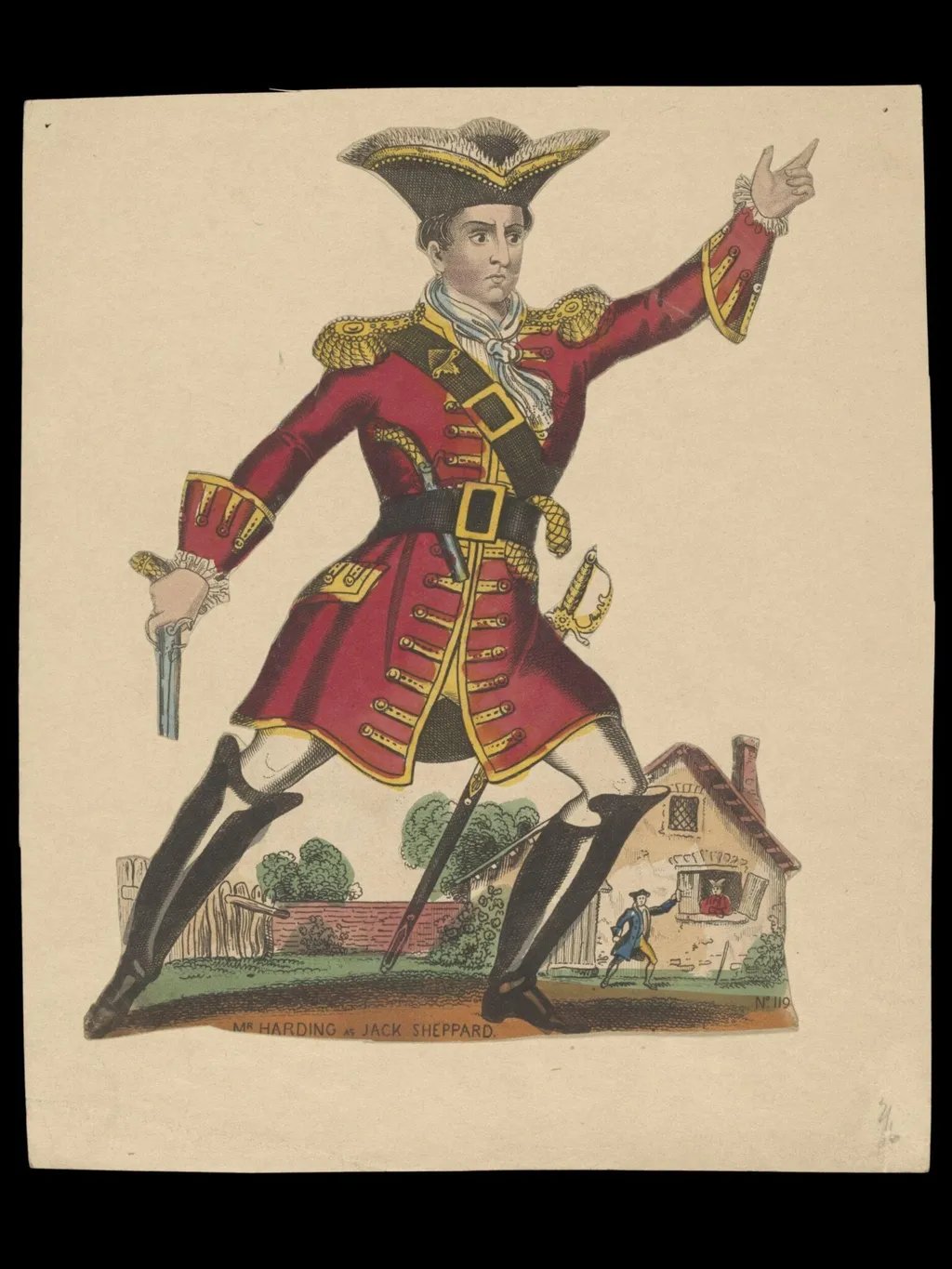
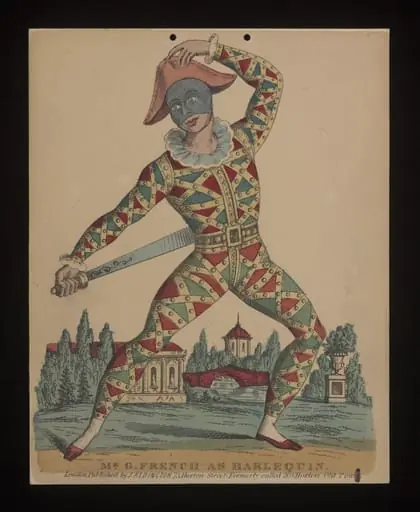
H Beard Print Collection is a print by the Romanticist artist John Redington. It dates from 1839 and is held in the collection of the Victoria and Albert Museum. A full-length portrait depicts the actor William Harding in the role of Jack Sheppard, a notorious 18th-century thief and escape artist.
About this work
Overview
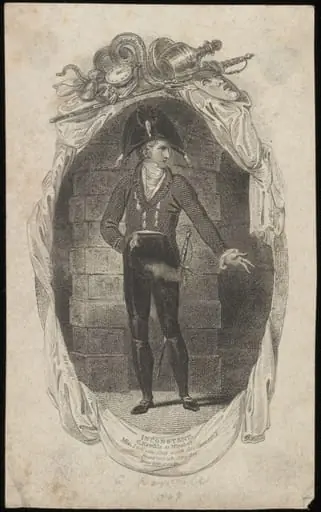
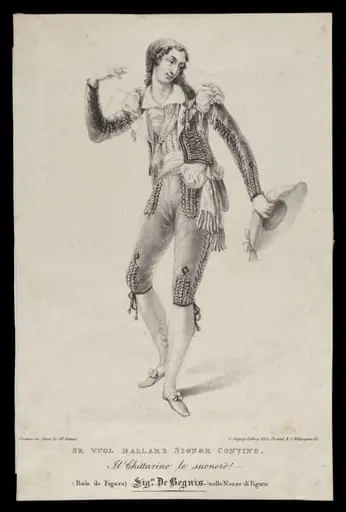
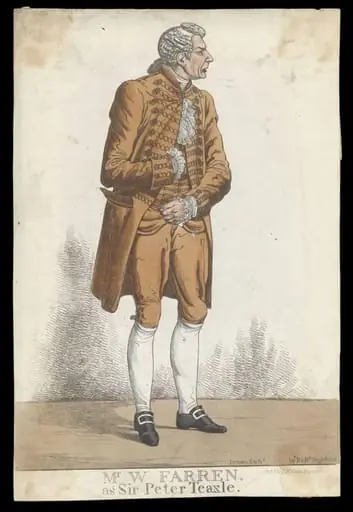
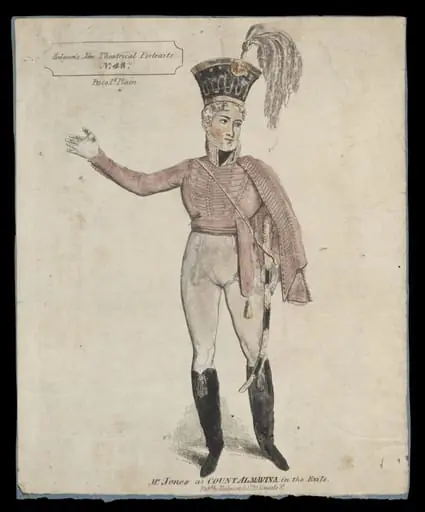
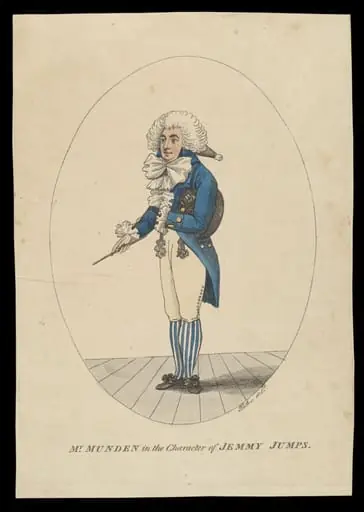
A full-length portrait depicts the actor William Harding in the role of Jack Sheppard, a notorious 18th-century thief and escape artist. The print likely originated from the publisher J. Redington, known for theatrical imagery in the mid-19th century. It captures Harding in costume, emphasizing the dramatic presence required for stage portrayals of criminal figures popular in Victorian melodrama.
Subject & Meaning
Jack Sheppard was a folk antihero whose exploits were dramatized in popular theater. Harding’s portrayal reflects the public’s fascination with charismatic outlaws. The full-length format underscores the theatricality of the performance, presenting Sheppard not merely as a criminal but as a compelling stage figure whose defiance resonated with working-class audiences of the time.
Technique & Style
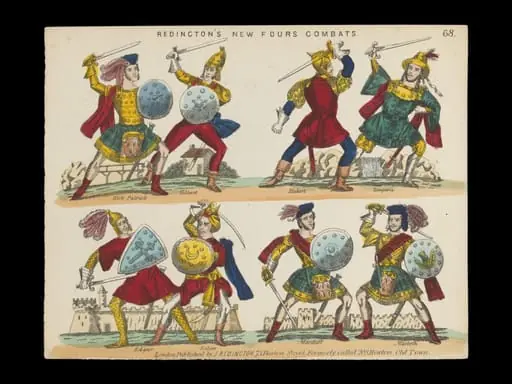
The print employs line-based engraving or lithographic methods typical of mid-1800s theatrical portraiture. Details in costume and posture are rendered with clarity, prioritizing recognizability over artistic experimentation. Background elements are minimal, directing focus to the figure’s stance and attire, consistent with commercial print conventions meant for mass distribution.
History & Provenance
The print is part of the H. Beard Collection, a significant assemblage of theatrical memorabilia gathered by the 19th-century actor and impresario Henry Beard. Its association with J. Redington suggests it was produced during or shortly after Harding’s performances, likely for sale to theatergoers as a keepsake or promotional item.
Context
During the 1840s and 1850s, Jack Sheppard’s legend flourished on London stages, fueled by sensationalist plays and broadsheets. Actors like Harding became closely identified with the role, blurring lines between performance and public perception. Such prints served as cultural artifacts, documenting how criminal narratives were shaped and consumed in an era of expanding print culture.
Legacy
This print survives as a record of Victorian popular theater’s engagement with real-life outlaws. It reflects the era’s appetite for morally ambiguous heroes and the commercialization of stage fame. Though Harding’s performance is no longer remembered, such images preserve the visual language through which these figures entered public consciousness.
Artist & collection
Artist
John Redington spent his mornings in a Covent Garden print shop where actors came to buy cheap likenesses of themselves.