Artwork
Old Soldier
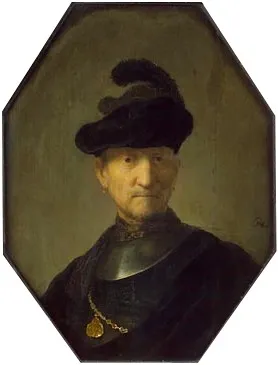
Old Soldier is an oil painting by the Dutch Golden Age artist Rembrandt. It dates from 1630 and is held in the collection of the Hermitage Museum.
About this work
Overview
Painted in 1630 by Rembrandt Harmenszoon van Rijn, this oil portrait depicts an elderly man whose presence dominates the canvas. Rendered with minimal background detail, the figure emerges from deep shadow, his form defined by subtle shifts in light and tone. The work belongs to the portrait tradition of the Dutch Golden Age and is part of the State Hermitage Museum’s collection.
Subject & Meaning
The subject is an aging soldier, identified by his attire and the chain around his neck, possibly a symbol of military service or honor. His furrowed brow and weary expression suggest a life marked by hardship and endurance. Rather than glorifying his past, the painting conveys quiet dignity and the weight of time, inviting contemplation of personal history over public achievement.
Technique & Style
Rembrandt employed chiaroscuro to model the man’s face with dramatic contrasts between light and shadow, enhancing the texture of skin and fabric. Brushwork is deliberate yet unpolished, capturing the roughness of age through layered glazes and impasto. The dark, neutral background isolates the figure, focusing attention on his expression and the tactile quality of his clothing and features.
History & Provenance
The painting entered the Hermitage collection in the 18th century, likely acquired during Catherine the Great’s expansion of imperial holdings. Its early ownership history is unclear, but it has been consistently attributed to Rembrandt since at least the 19th century. No significant alterations or restorations are documented, preserving its original tonal balance and surface integrity.
Context
In early 17th-century Holland, portraiture extended beyond the elite to include ordinary individuals, reflecting a broader cultural interest in human character.
In early 17th-century Holland, portraiture extended beyond the elite to include ordinary individuals, reflecting a broader cultural interest in human character. Rembrandt’s focus on aging, humble subjects aligned with this trend, distinguishing his work from idealized aristocratic portraits. The soldier’s attire and demeanor reflect the lived reality of veterans in a society still shaped by the Eighty Years’ War.
Legacy
This portrait exemplifies Rembrandt’s commitment to psychological depth over superficial likeness. Its influence can be seen in later realist traditions that valued emotional authenticity. Though not widely exhibited, it remains a key example of how Dutch painters transformed the portrait into a medium for quiet, introspective storytelling.
Artist & collection
Artist
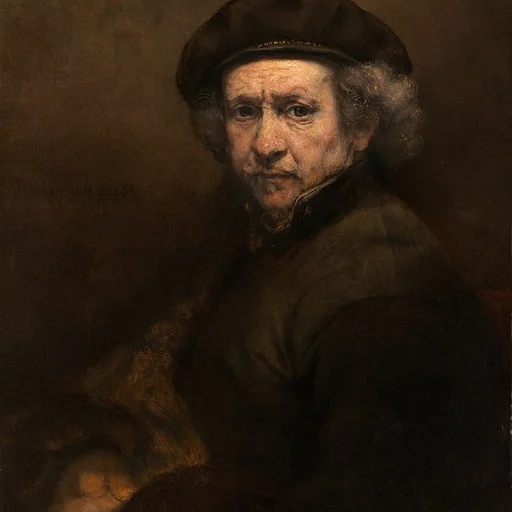
Rembrandt Harmenszoon van Rijn (15 July 1606 – 4 October 1669), known mononymously as Rembrandt, was a Dutch Golden Age painter, printmaker, and draughtsman.

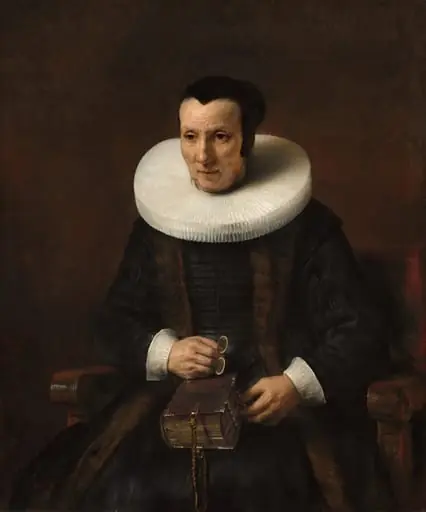
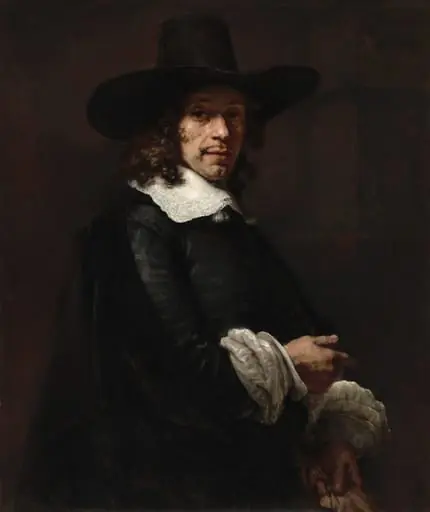
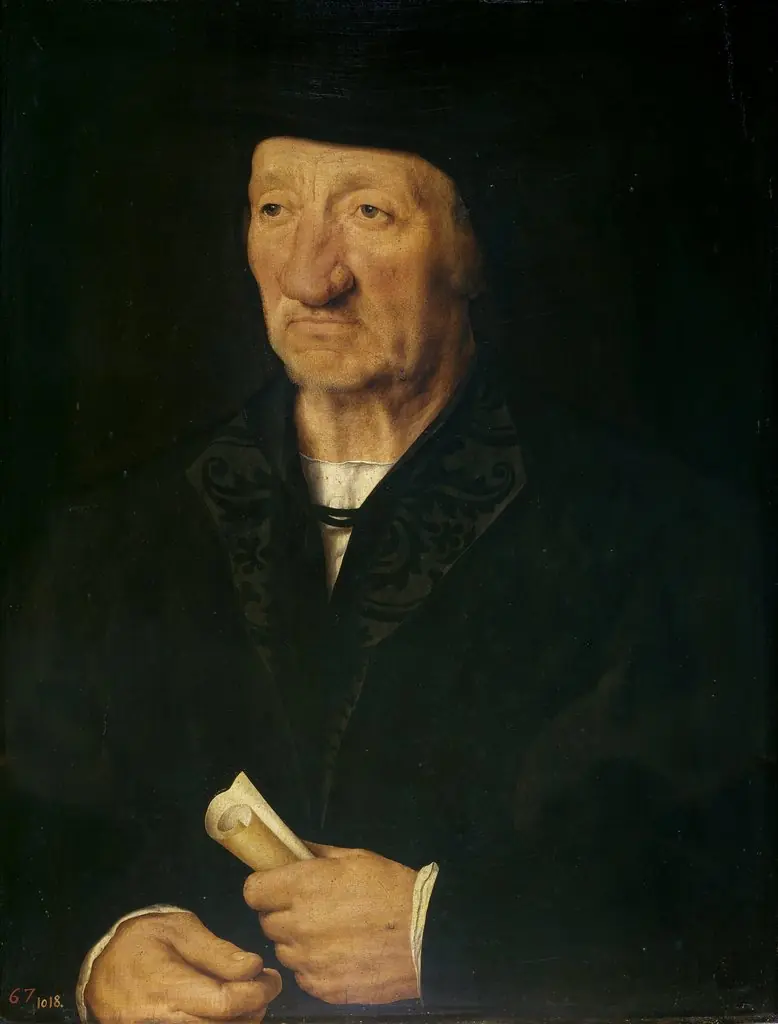 Portrait of an Old Man
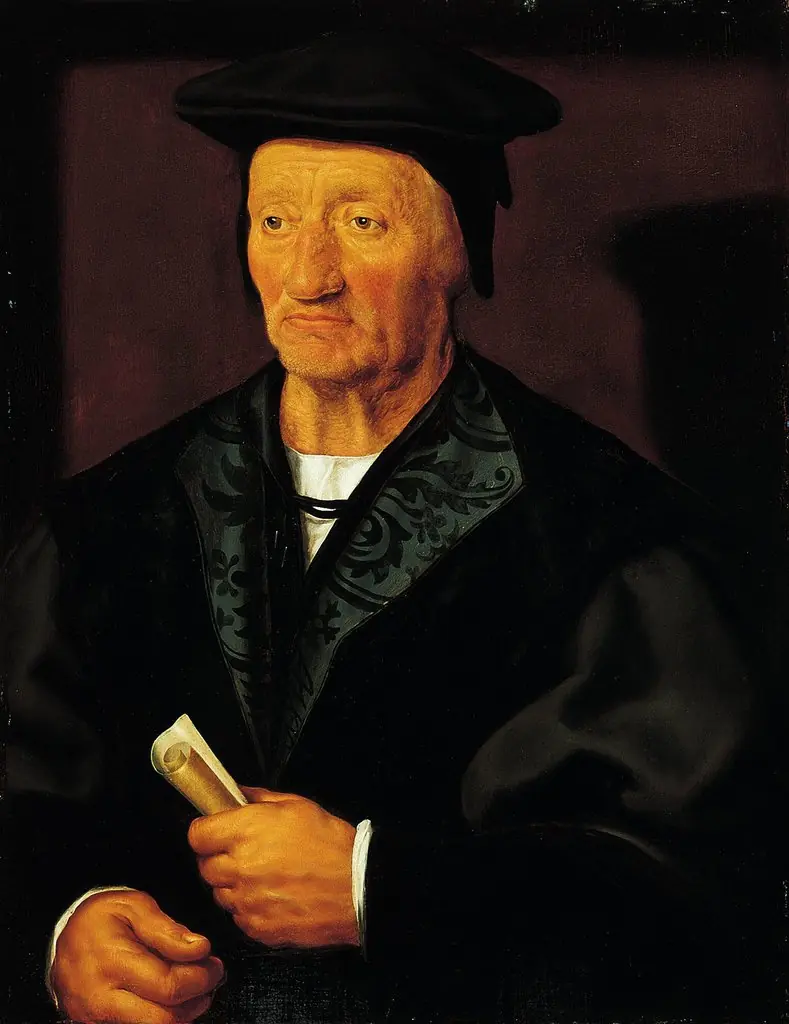 Portrait of Sebastian Münster
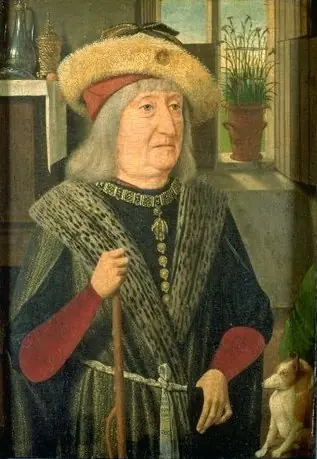 Portrait of hertog Adolf van Kleef (1425-1492)
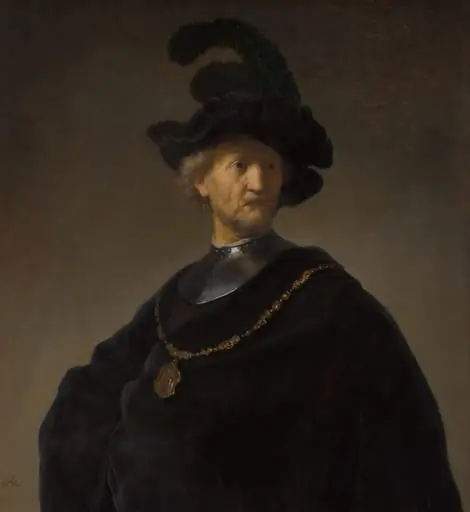 Old Man with a Gold Chain
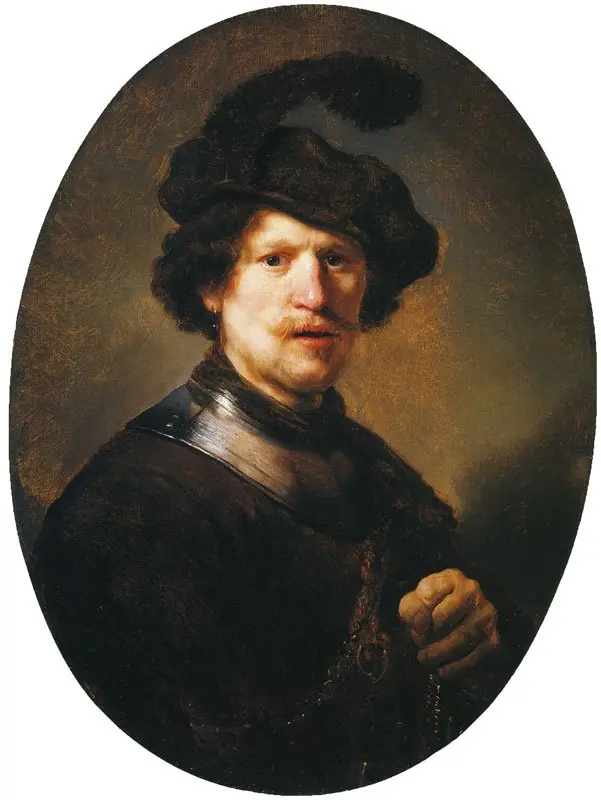 Man Wearing a Plumed Beret and Gorget
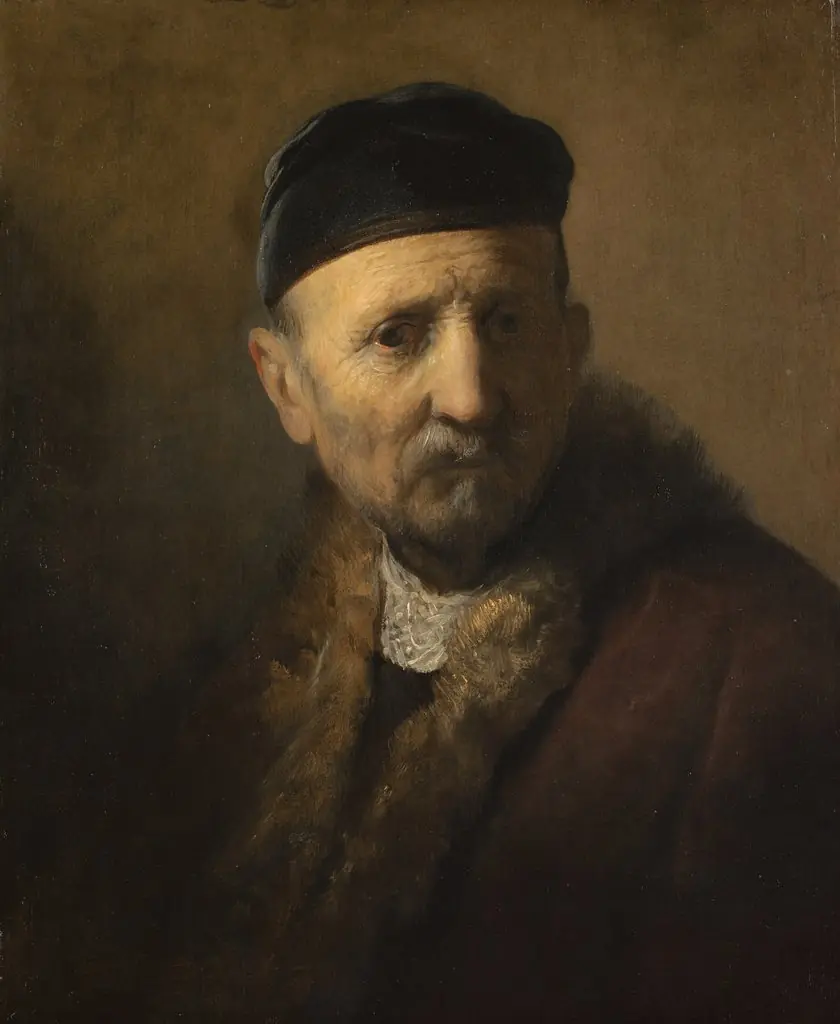 Study of an old man (Rembrandt's father)
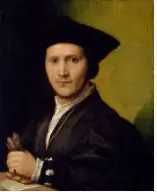 Portrait of a Young Man
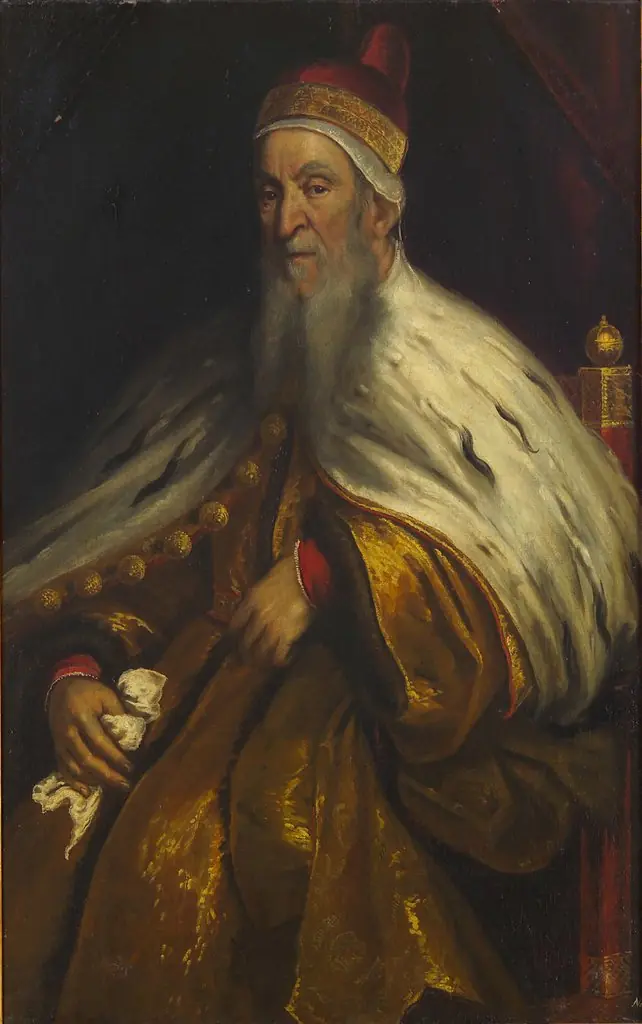 Portrait of Niccolo da Ponte (1491-1585), Doge of Venice
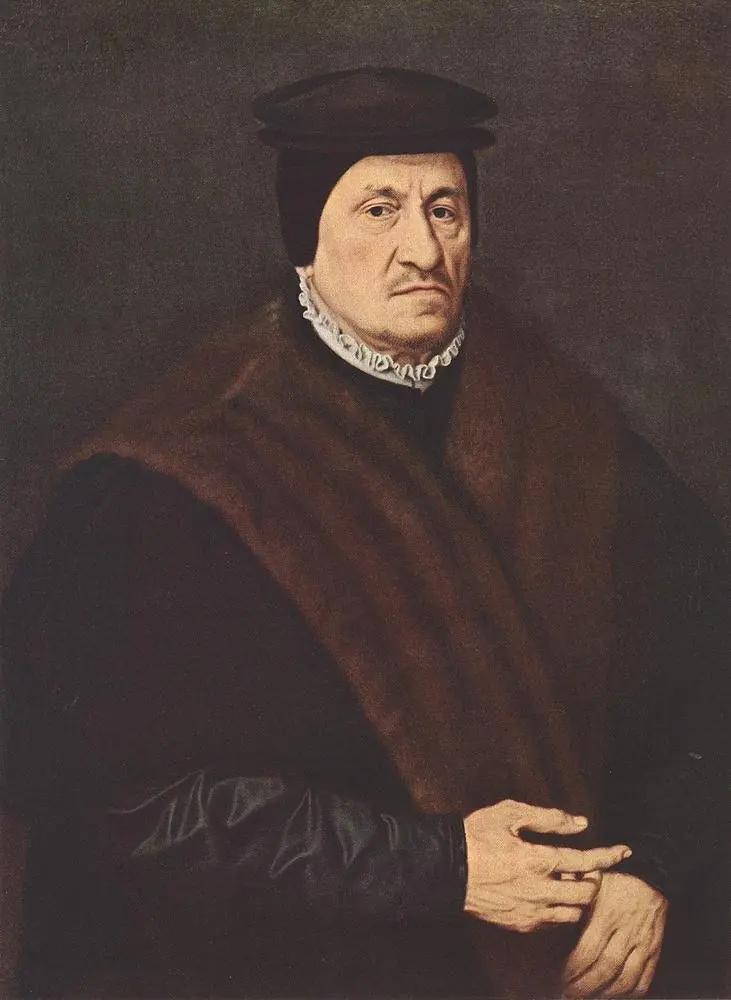 Portrait of an Elderly Man
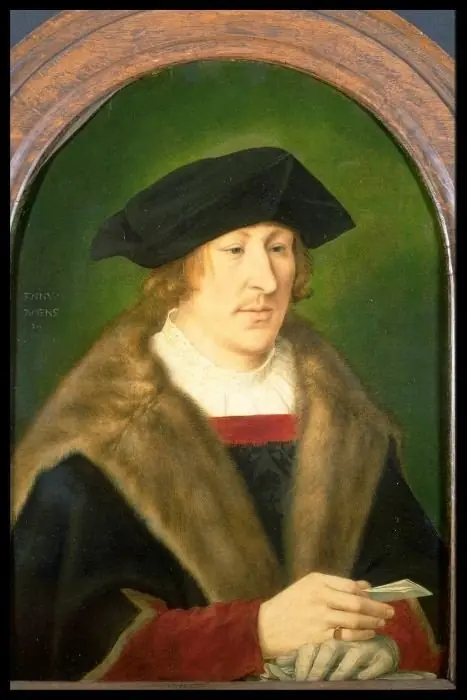 Portrait of a man with a letter in his hand