Artwork
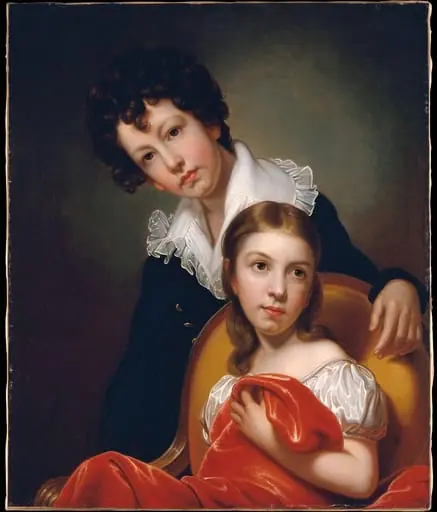
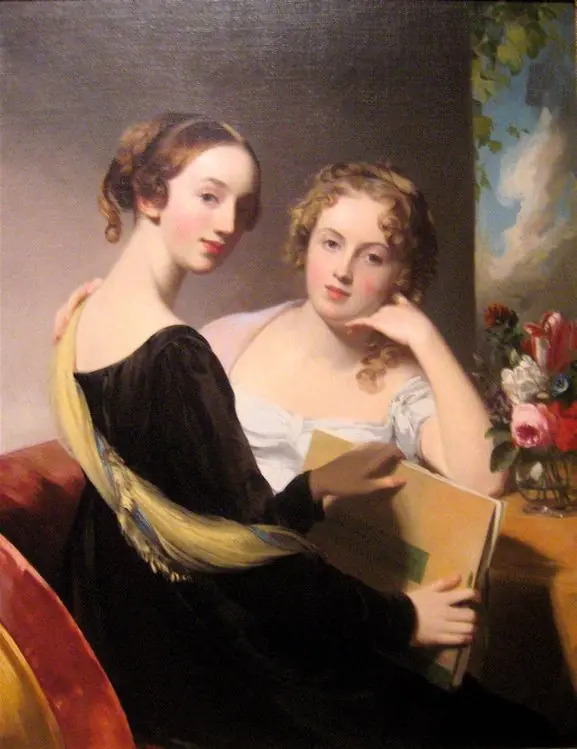
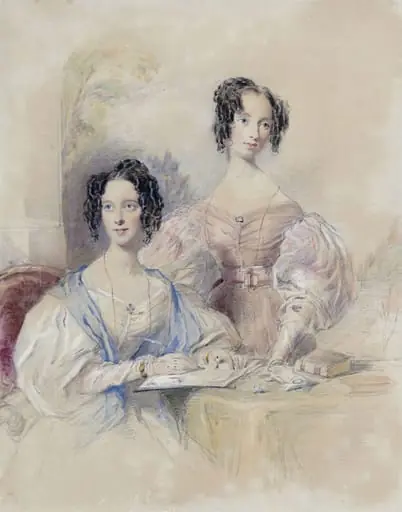
The Sisters (Eleanor and Rosalba Peale)
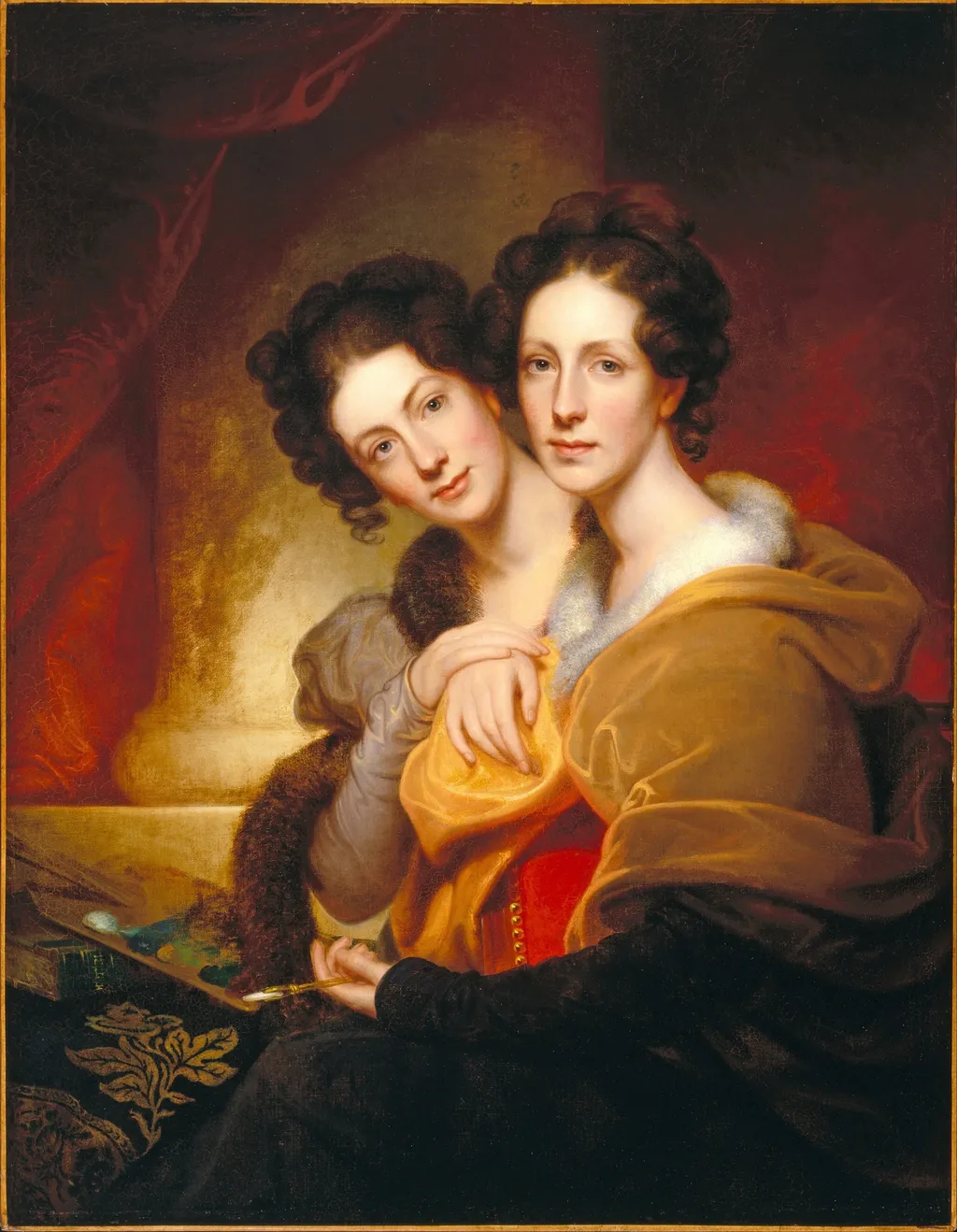
The Sisters (Eleanor and Rosalba Peale) is an oil painting by the American Impressionist artist Rembrandt Peale. It dates from 1826 and is held in the collection of the Brooklyn Museum.
About this work
Overview
The Sisters (Eleanor and Rosalba Peale) is an 1826 oil painting by Rembrandt Peale, depicting his daughters in a moment of quiet intimacy. Characterized by soft brushstrokes and a warm, dark red background, the work showcases the artist's blend of techniques.
Subject & Meaning
The painting focuses on the gentle, private moment shared between Eleanor and Rosalba Peale, the artist's daughters, emphasizing their relationship through composed, introspective poses.
Technique & Style
Peale employed chiaroscuro to add depth, contrasting light and dark tones. Soft brushstrokes capture the subjects' features, reflecting Peale's exposure to French neoclassicism after his time in Paris.
History & Provenance
Created in 1826, the painting is now part of the Brooklyn Museum's collection. Note: The provided source incorrectly associates it with American Impressionism, a movement that emerged later; the style aligns more closely with neoclassical influences.
Context
Painted during a period of artistic exchange, the work bridges Peale's American roots with French neoclassical influences gained during his early 1800s Parisian sojourn.
Legacy
While not a landmark of American Impressionism (due to chronological mismatch), The Sisters remains a notable example of Rembrandt Peale's portraiture skill and his adaptation of European artistic trends.
Artist & collection
Artist
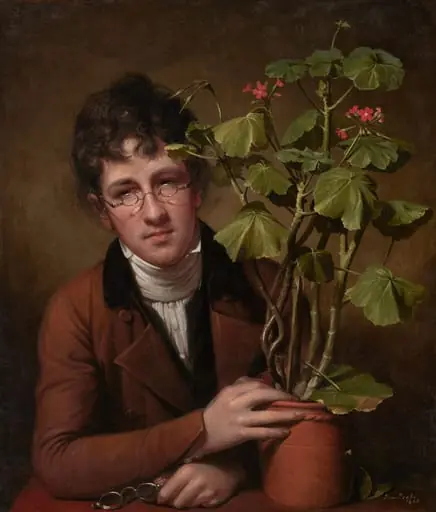
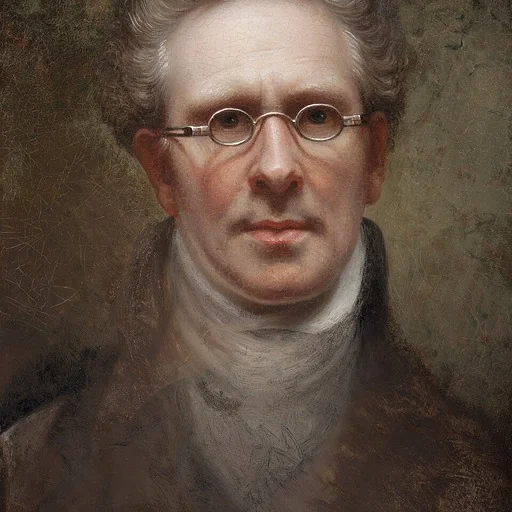
Rembrandt Peale (February 22, 1778 – October 3, 1860) was an American artist and museum keeper.