Artwork
Portrait of the Misses Mary and Emily McEuen
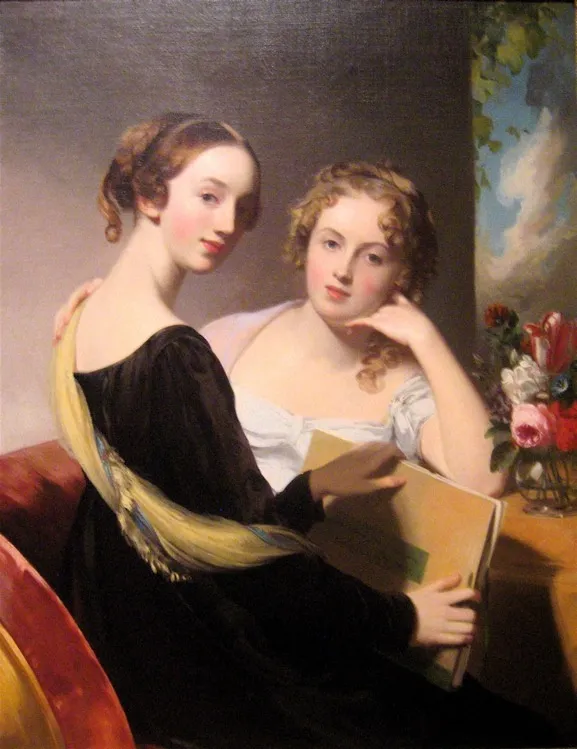
Portrait of the Misses Mary and Emily McEuen is an oil painting by Thomas Sully. It dates from 1823 and is held in the collection of the Los Angeles County Museum of Art.
About this work
Overview
Sully’s attention to quiet domesticity and subtle interpersonal dynamics defines the composition, avoiding theatricality in favor of restrained elegance.
Painted in 1823 by Thomas Sully, this oil portrait captures two young sisters, Mary and Emily McEuen, seated side by side. The work is part of the Los Angeles County Museum of Art’s collection and exemplifies early 19th-century American portraiture. Sully’s attention to quiet domesticity and subtle interpersonal dynamics defines the composition, avoiding theatricality in favor of restrained elegance.
Subject & Meaning
The sisters are portrayed in a moment of quiet companionship, their postures and gazes suggesting familiarity and mutual ease. Mary, dressed in dark attire, turns toward Emily, who holds a book and rests her chin on her hand—an gesture implying contemplation. The scene conveys intellectual calm and domestic intimacy, reflecting values of refinement and sisterly bond common in middle-class American households of the era.
Technique & Style
Sully employed soft brushwork and a muted palette to enhance the painting’s serene tone. Light falls gently across the figures, modeling their forms without harsh contrasts. The background, with its blurred window revealing sky and foliage, creates depth while keeping focus on the sitters. His handling of fabric—particularly the translucent scarf and smooth silk dress—demonstrates skill in rendering texture through subtle tonal shifts.
History & Provenance
Commissioned by the McEuen family, the portrait remained in private hands for much of its history before entering the Los Angeles County Museum of Art’s collection. Its preservation reflects its significance as a personal family artifact and a representative work of Sully’s portraiture during his peak years in Philadelphia, where he was a leading painter of the American gentry.
Context
In the 1820s, American portraiture increasingly emphasized character and domestic life over grandeur. Sully, trained in Europe but working primarily in the U.S., bridged European refinement with American sensibilities. This painting aligns with a broader trend of depicting women in scholarly or contemplative roles, reflecting evolving ideals of female education and moral refinement in the early republic.
Legacy
Though not among Sully’s most famous works, the portrait endures as a thoughtful example of his ability to convey psychological nuance within intimate settings. It contributes to the understanding of how American families used portraiture to assert social identity and familial bonds. Its quiet composition continues to inform scholarly discussions on gender, class, and domesticity in early American art.
Artist & collection

Artist
Thomas Sully was an English-American portrait painter. He was born in England, became a naturalized American citizen in 1809, and lived most of his life in Philadelphia, Pennsylvania, including in the Thomas Sully…


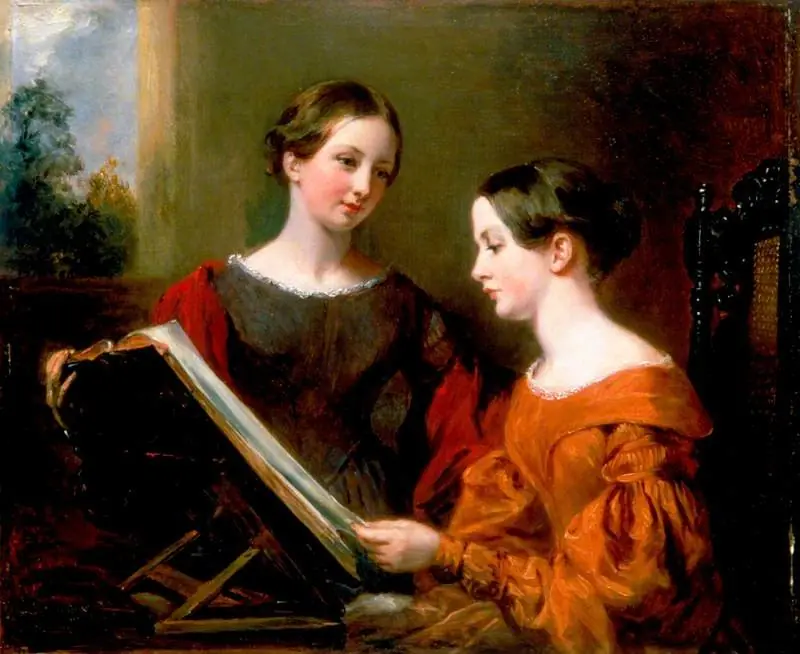 The Sisters
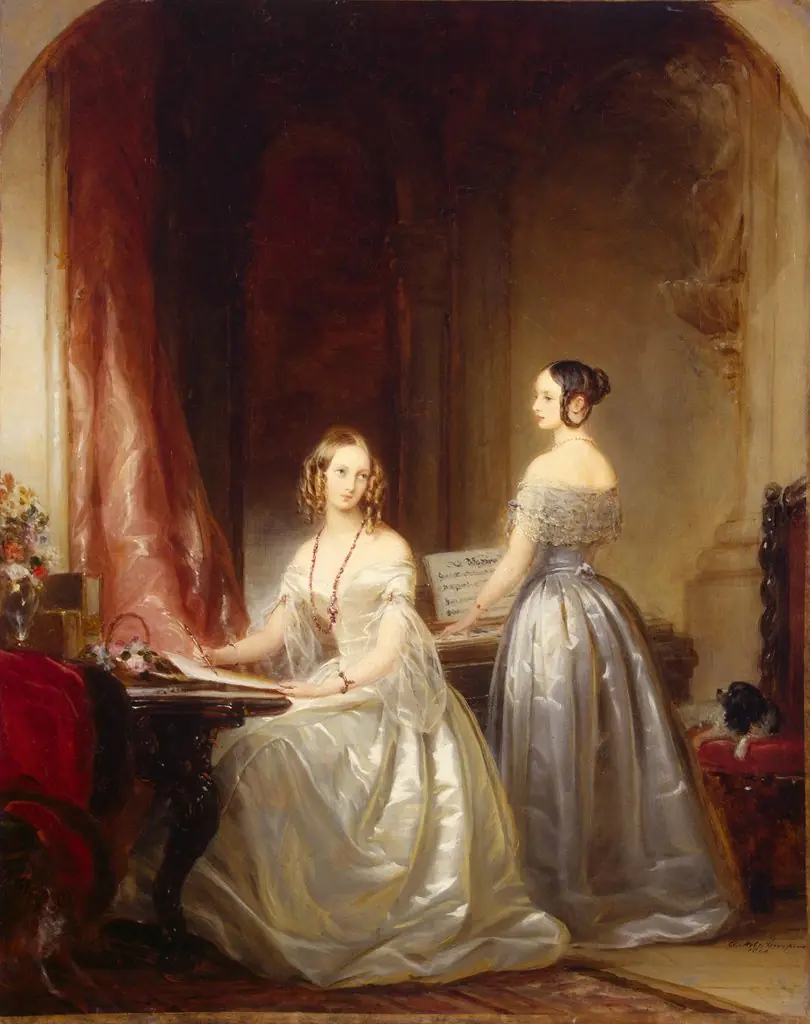 Portrait of Grand Princesses Olga Nikolayevna and Alexandra Nikolayevna
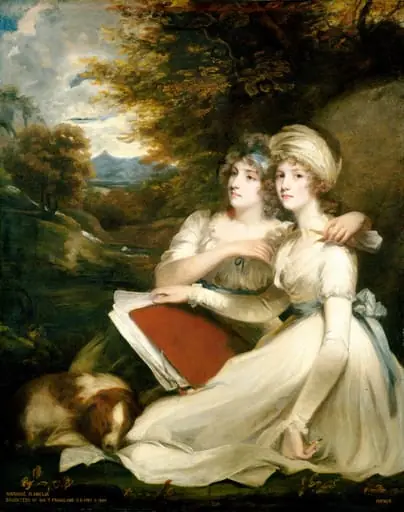 The Frankland Sisters
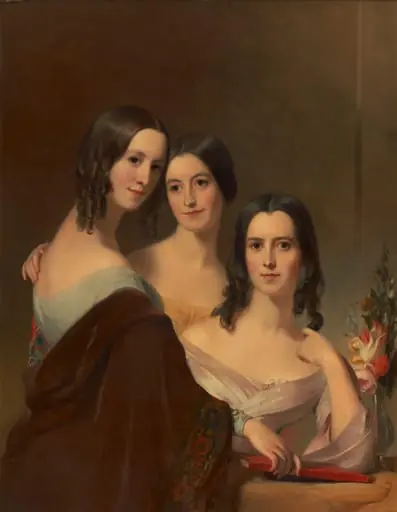 The Coleman Sisters
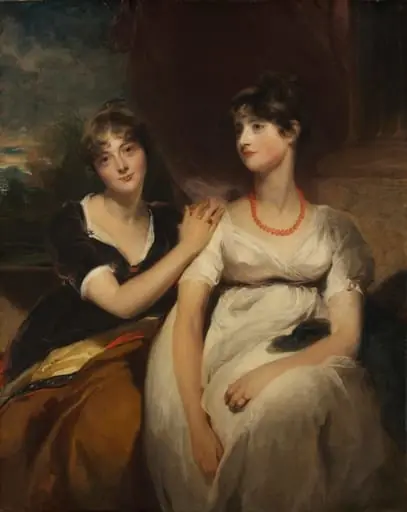 Portrait of Charlotte and Sarah Carteret-Hardy
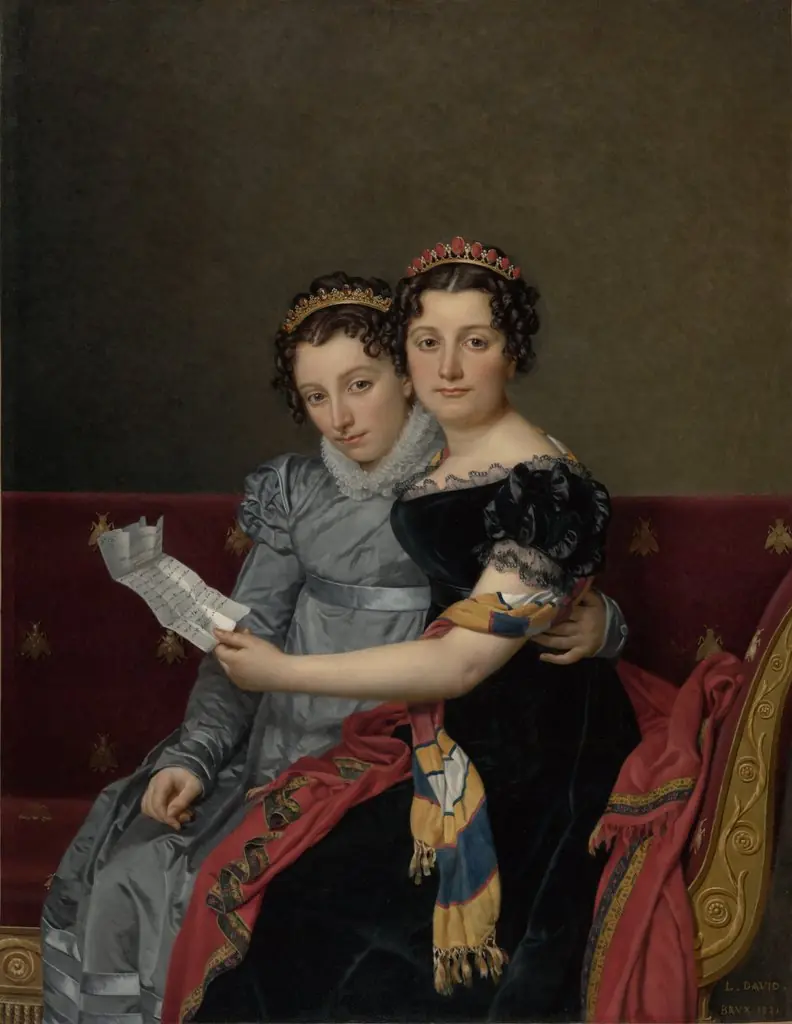 Portrait of the Sisters Zénaïde and Charlotte Bonaparte
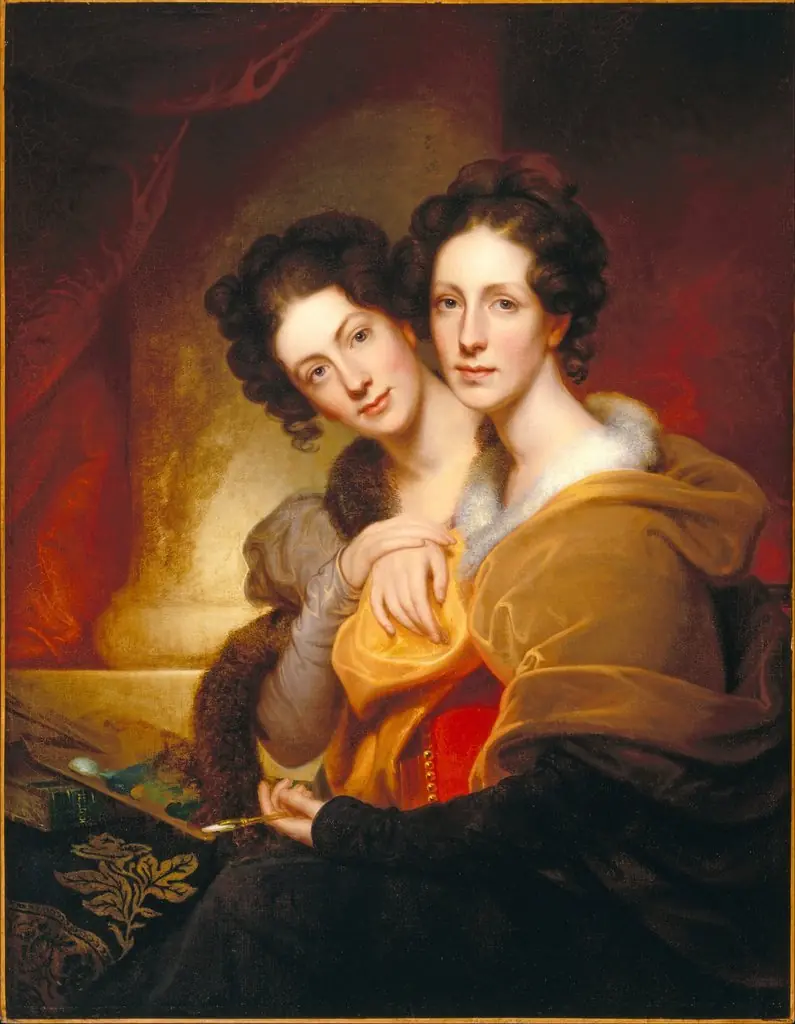 The Sisters (Eleanor and Rosalba Peale)
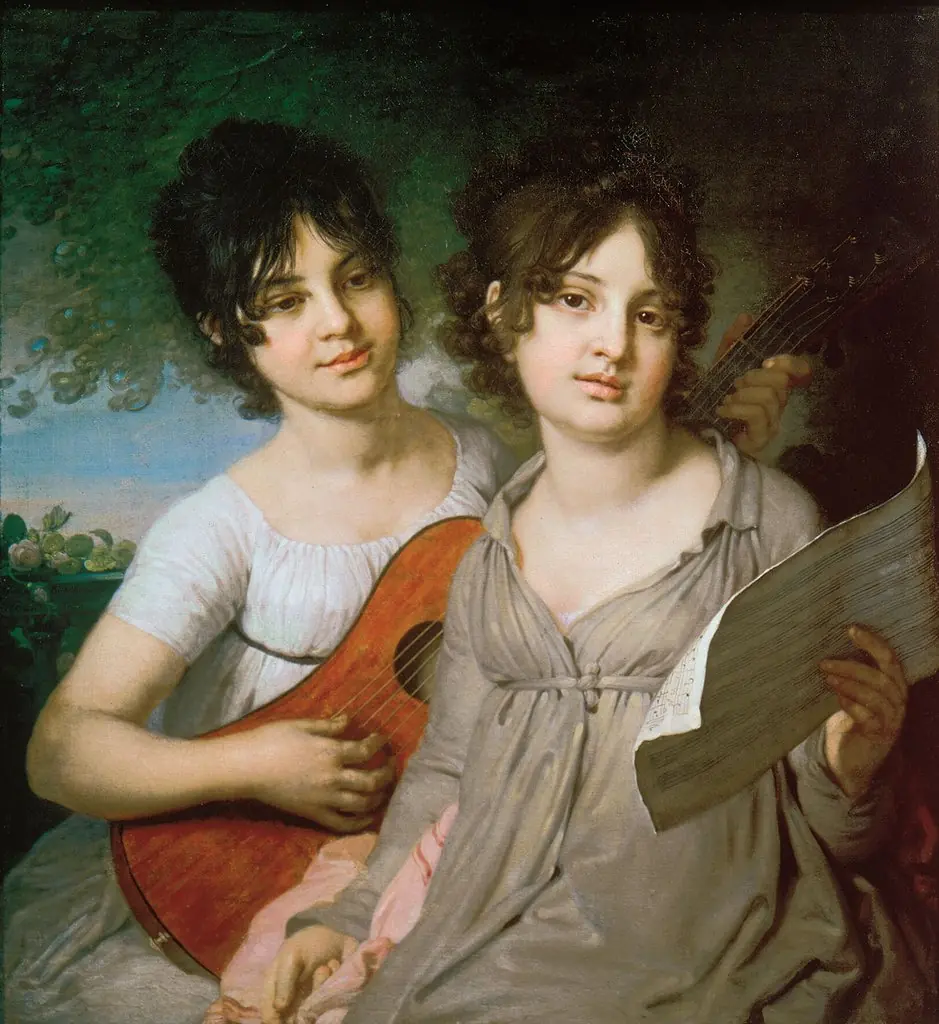 Anna and Varvara Gagarin
 The Sisters
 Twee vrouwen in Italiaanse dracht