Artwork
Portrait of a Man Holding a Hat
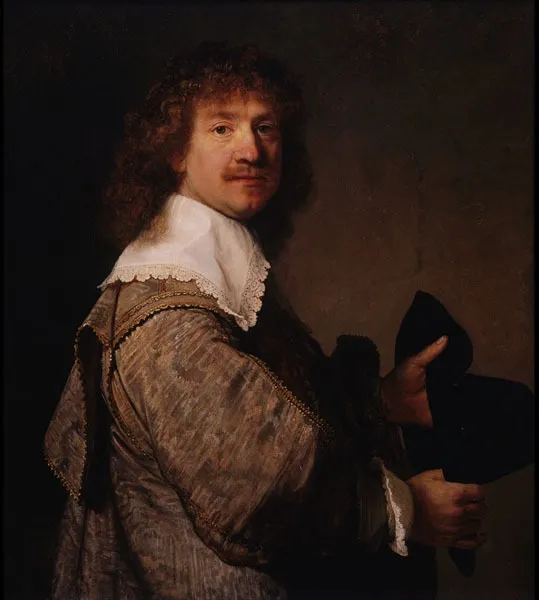
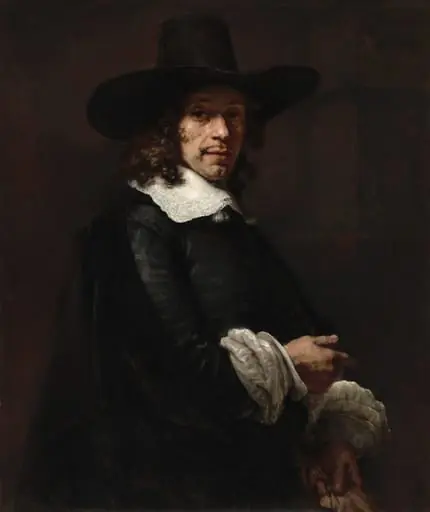
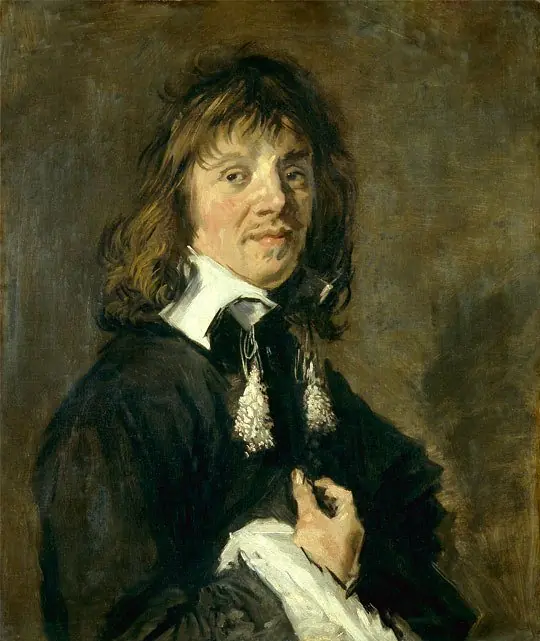
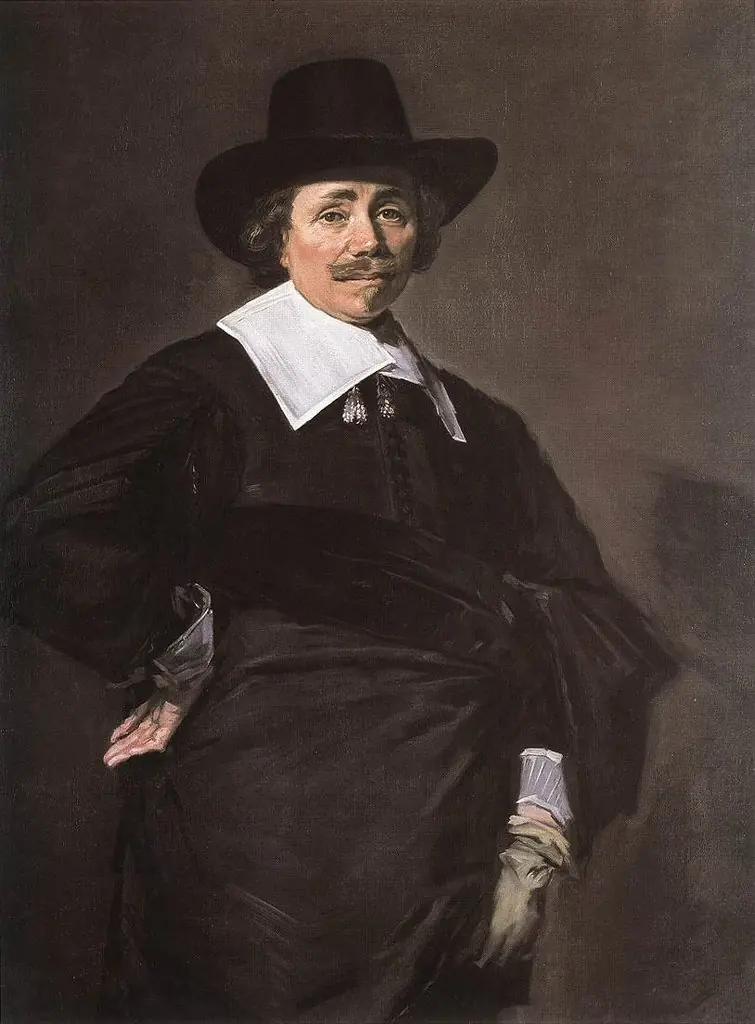
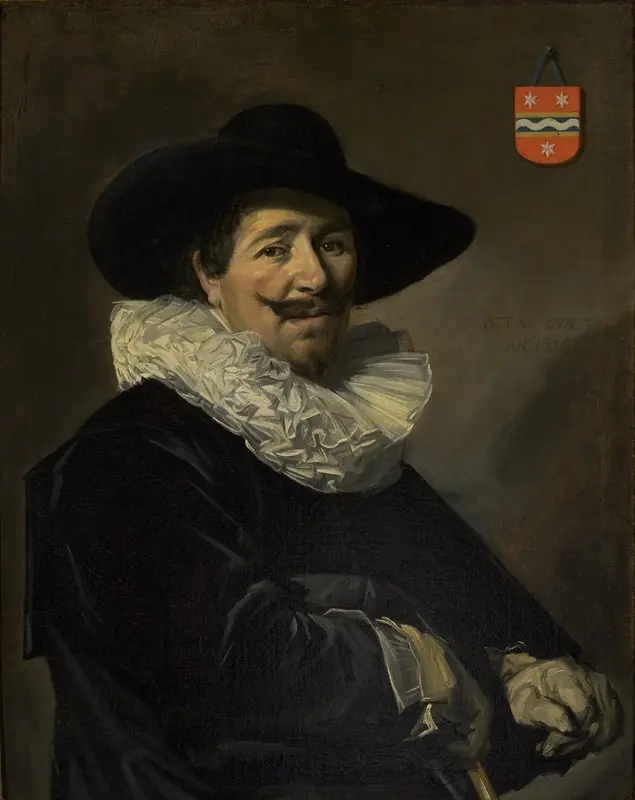
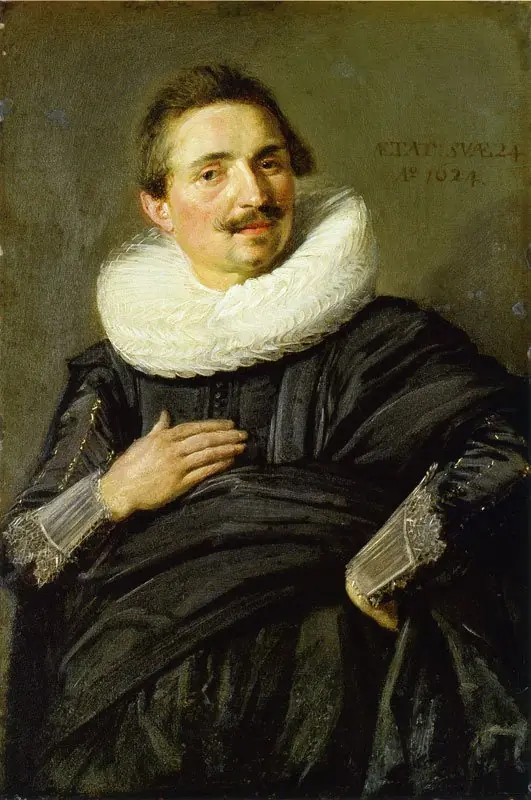
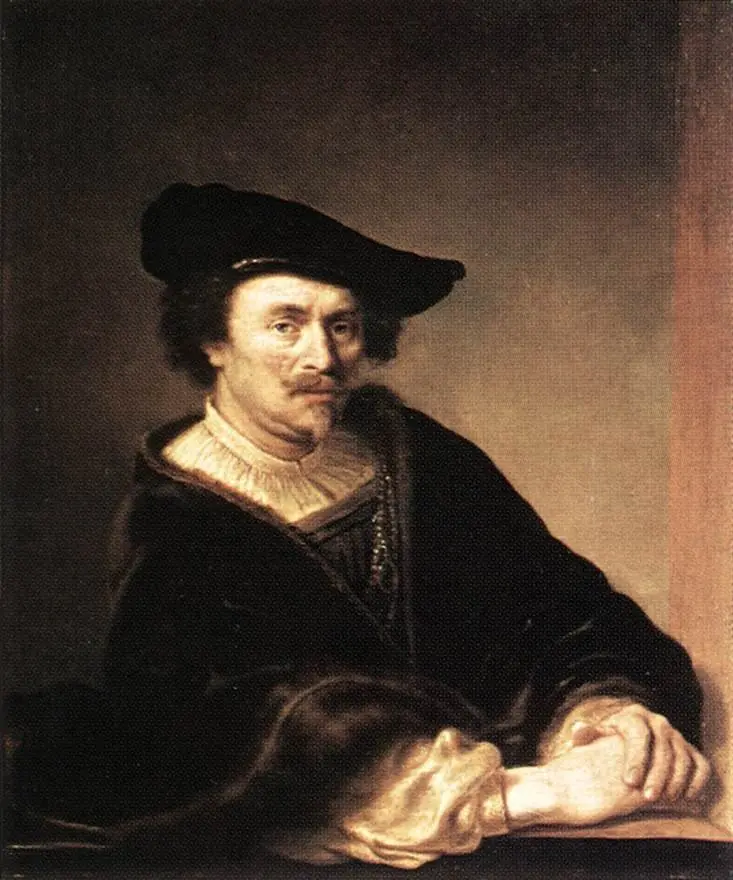
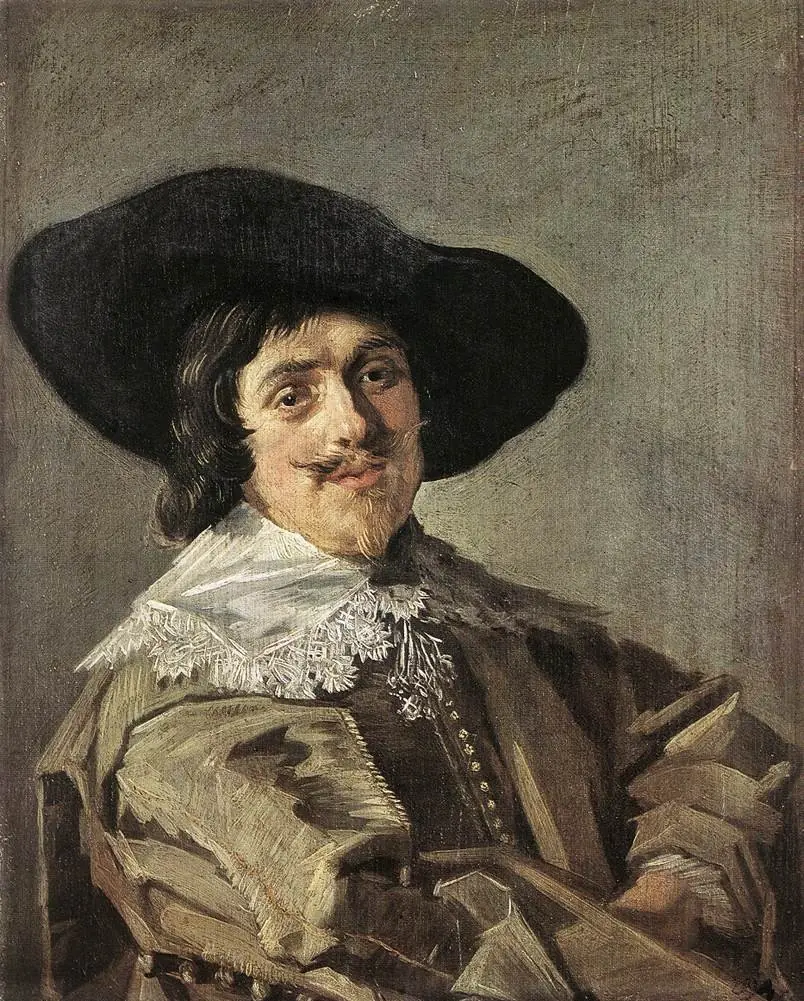
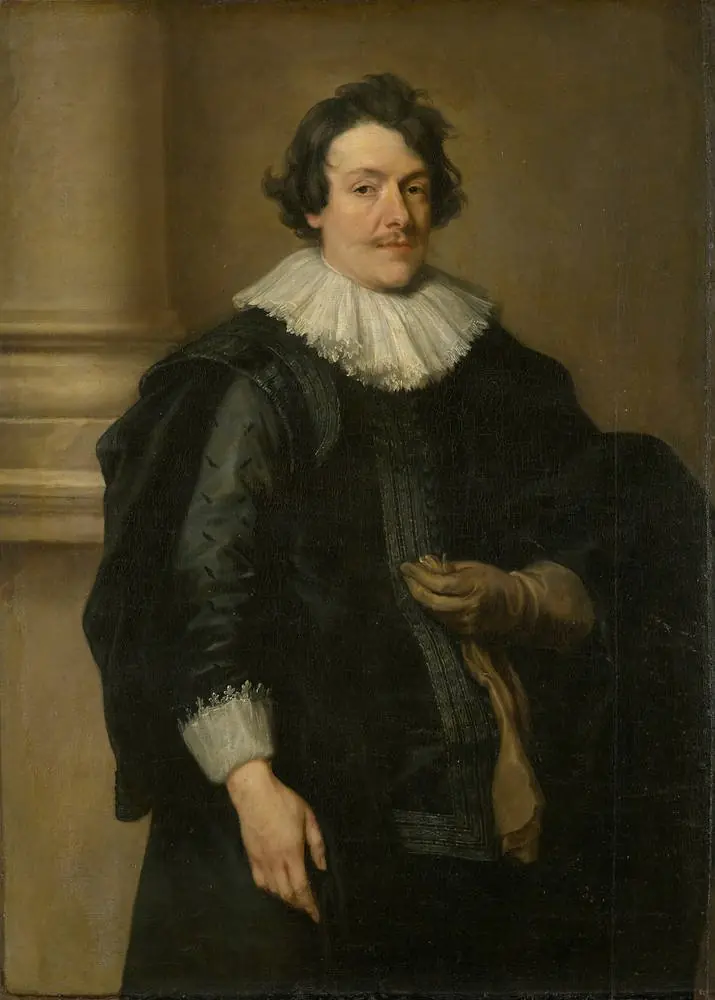
Portrait of a Man Holding a Hat is an oil painting by Rembrandt. It dates from 1637 and is held in the collection of the Hammer Museum. Painted in 1637, this oil portrait captures a man standing against a dark, undefined space.
About this work
Overview
The painting is part of the Hammer Museum’s collection and exemplifies Rembrandt’s focus on psychological depth over idealized representation.
Painted in 1637, this oil portrait captures a man standing against a dark, undefined space. The work is attributed to Rembrandt van Rijn, a central figure in Dutch Golden Age art. Though unidentifiable by name, the subject’s poised posture and detailed attire suggest a person of modest social standing. The painting is part of the Hammer Museum’s collection and exemplifies Rembrandt’s focus on psychological depth over idealized representation.
Subject & Meaning
The figure holds a black hat in his left hand, a gesture that may imply pause, readiness, or social formality. His gaze, directed slightly to the right, conveys quiet introspection rather than direct engagement with the viewer. The absence of identifying symbols or context invites interpretation grounded in demeanor rather than status. The portrait emphasizes individual presence over narrative, reflecting a shift toward intimate, human-centered portraiture in 17th-century Holland.
Technique & Style
Rembrandt employed thick, textured brushwork in the fabric of the jacket and collar, contrasting with smoother handling of the skin and hair. Deep shadows, rendered with layered glazes, envelop the figure, drawing attention to the illuminated planes of the face and hands. The use of chiaroscuro heightens the three-dimensionality of the form, while the muted palette—dominated by browns, blacks, and off-whites—enhances the painting’s somber, contemplative tone.
History & Provenance
The painting entered the Hammer Museum’s collection in the 20th century, though its earlier ownership remains undocumented. It was likely created during Rembrandt’s prosperous Amsterdam years, when he received numerous portrait commissions. No records confirm the sitter’s identity, and the work has never been linked to a known historical figure, suggesting it may have been a private study or a speculative portrait for the open market.
Context
In 1637, Amsterdam’s growing merchant class sought portraits that conveyed dignity without ostentation. Rembrandt responded with psychologically nuanced depictions, moving beyond mere likeness to capture inner life. This work aligns with contemporaneous portraits by his circle, which favored subdued palettes and intimate compositions over the grandeur favored in other European courts, reflecting Dutch cultural values of restraint and individuality.
Legacy
The portrait exemplifies Rembrandt’s enduring influence on the evolution of portraiture through his emphasis on emotional authenticity and material texture. While not among his most famous works, it continues to be studied for its subtle interplay of light and gesture. Its presence in a major American museum underscores its role in shaping modern understanding of Dutch Golden Age realism beyond religious or mythological subjects.
Artist & collection
Artist
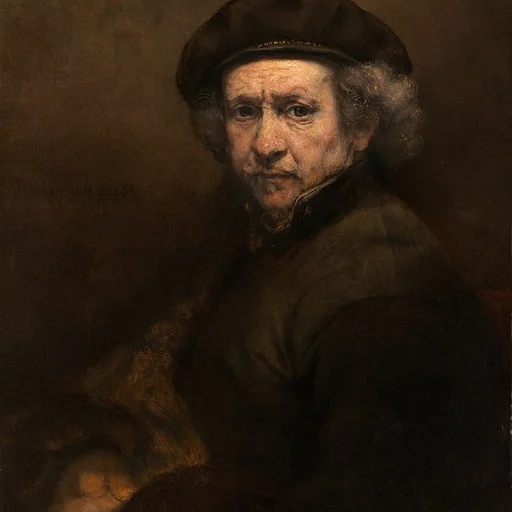
Rembrandt Harmenszoon van Rijn (15 July 1606 – 4 October 1669), known mononymously as Rembrandt, was a Dutch Golden Age painter, printmaker, and draughtsman.