Artwork
Portrait of a Man
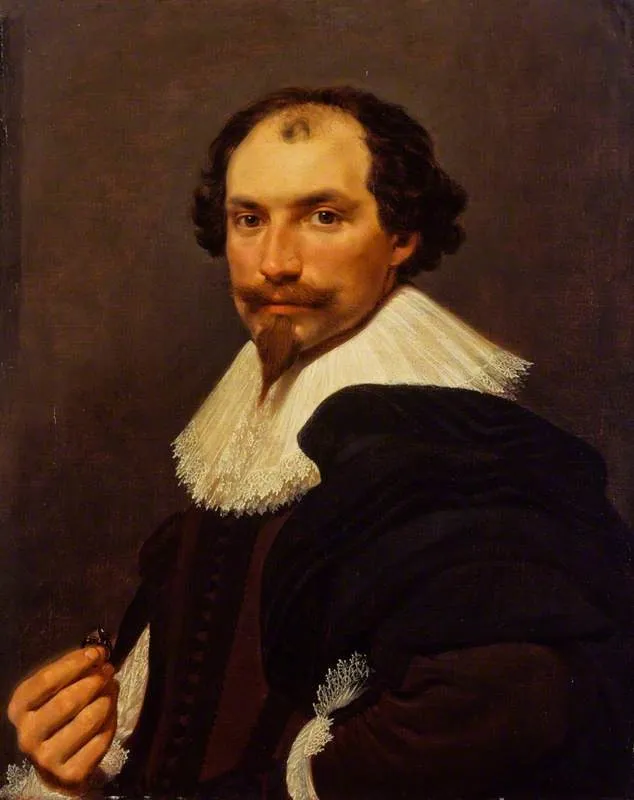
Portrait of a Man is an oil painting by the Dutch Golden Age artist Daniël Mijtens. It dates from 1627 and is held in the collection of the National Galleries Scotland.
About this work
Overview
Painted in 1627 by Daniël Mijtens, this oil portrait captures a man of likely noble or affluent standing. Mijtens, a Dutch artist active in England during the early 17th century, focused on formal portraiture for elite patrons. The work is part of the Scottish National Gallery’s collection, reflecting the international reach of Northern European artistic practice in the period.
Subject & Meaning
The absence of symbolic props or landscape implies an emphasis on individual presence rather than narrative, typical of aristocratic portraiture of the time.
The sitter is depicted with a dark beard and mustache, dressed in somber black attire accented by an elaborate white lace collar. His left hand holds a small, indistinct object, possibly a ring or coin, suggesting personal identity or status. The absence of symbolic props or landscape implies an emphasis on individual presence rather than narrative, typical of aristocratic portraiture of the time.
Technique & Style
Mijtens employs chiaroscuro to model the sitter’s face and collar with subtle gradations of light and shadow, enhancing three-dimensionality. The texture of skin and the intricate lacework are rendered with precision, demonstrating technical control. The dark, neutral background isolates the figure, directing attention to facial expression and material detail, a hallmark of Northern European portraiture.
History & Provenance
Created during Mijtens’s tenure in the English court, the portrait likely belonged to a client connected to the Stuart elite. It entered the Scottish National Gallery’s collection through documented acquisitions, though its immediate provenance before the 19th century remains unclear. Its preservation reflects its continued recognition as a representative work of early 17th-century portraiture.
Context
Mijtens operated at the intersection of Dutch and English artistic traditions, bringing Flemish precision to English aristocratic commissions. His work coincided with the rise of portraiture as a marker of social identity in Protestant Europe. The restrained palette and focus on attire align with broader trends favoring dignity over ornamentation in elite representation.
Legacy
Though less widely known than contemporaries like Van Dyck, Mijtens contributed to the development of courtly portraiture in Britain. This painting exemplifies the technical rigor and psychological restraint characteristic of his output. It remains a reference point for understanding the transmission of Northern European styles across national boundaries in the early Baroque era.
Artist & collection
Artist
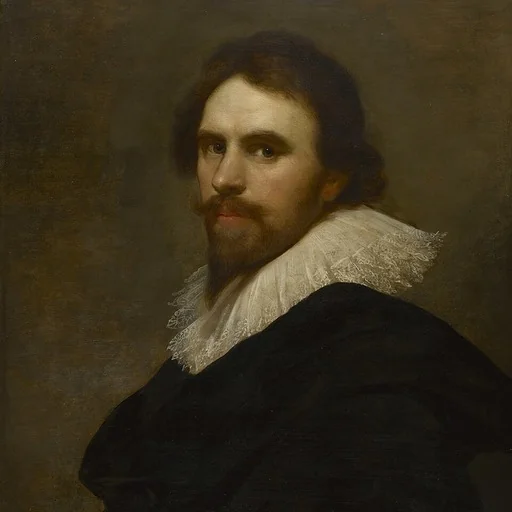
Daniël Mijtens (Dutch pronunciation: ; c. 1590 – 1647/48), known in England as Daniel Mytens the Elder, was a Dutch Golden Age portrait painter belonging to a family of Flemish painters who spent the central years of…

 Portrait of a Man
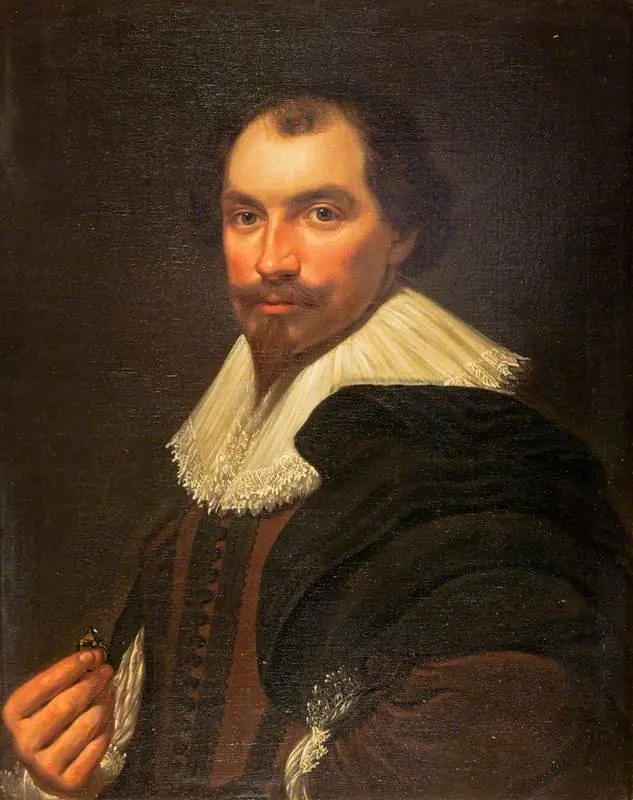 A Copy of a so-called Portrait of John Scougall (NG 2032)
 Portrait of an Unknown Man
 Portrait of a young Man
 A gentleman
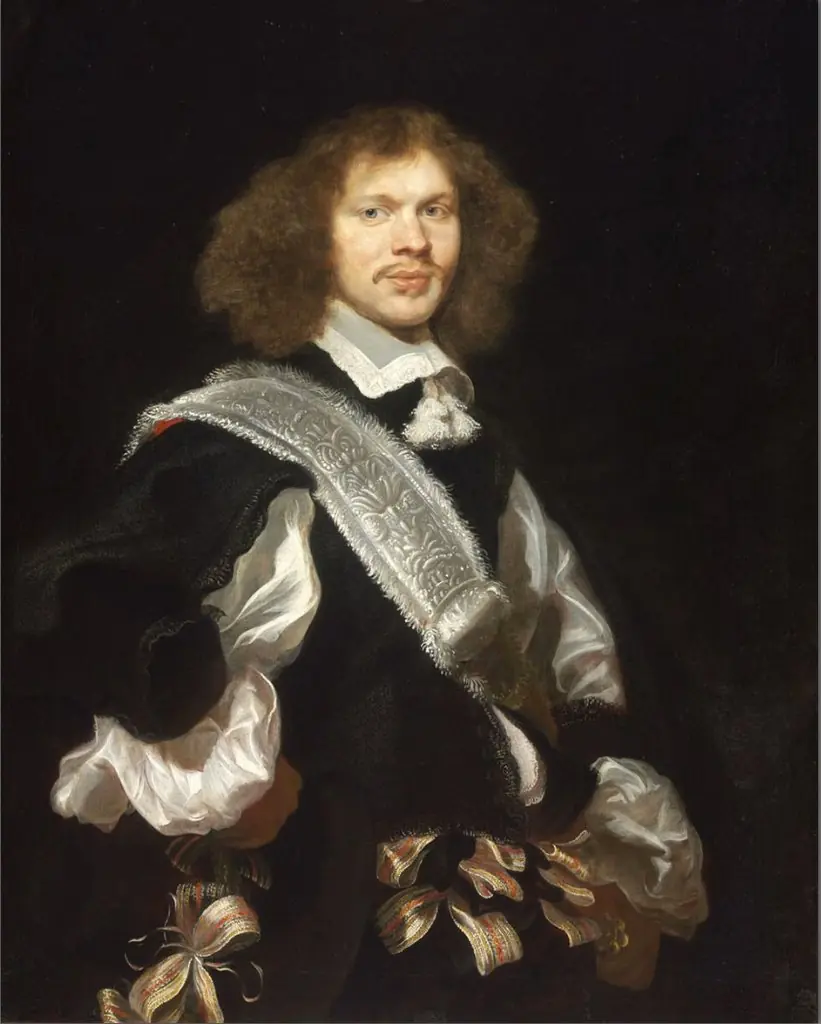 Portrait of a Young Man
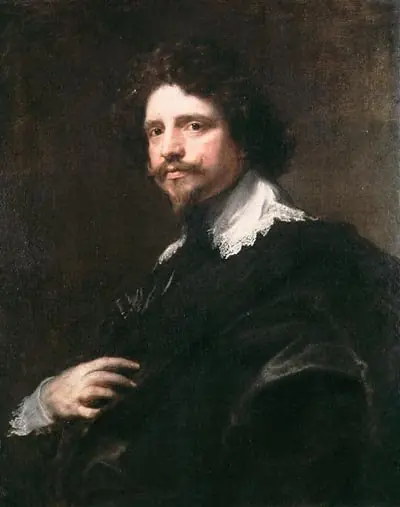 Portrait of Michel Le Blon
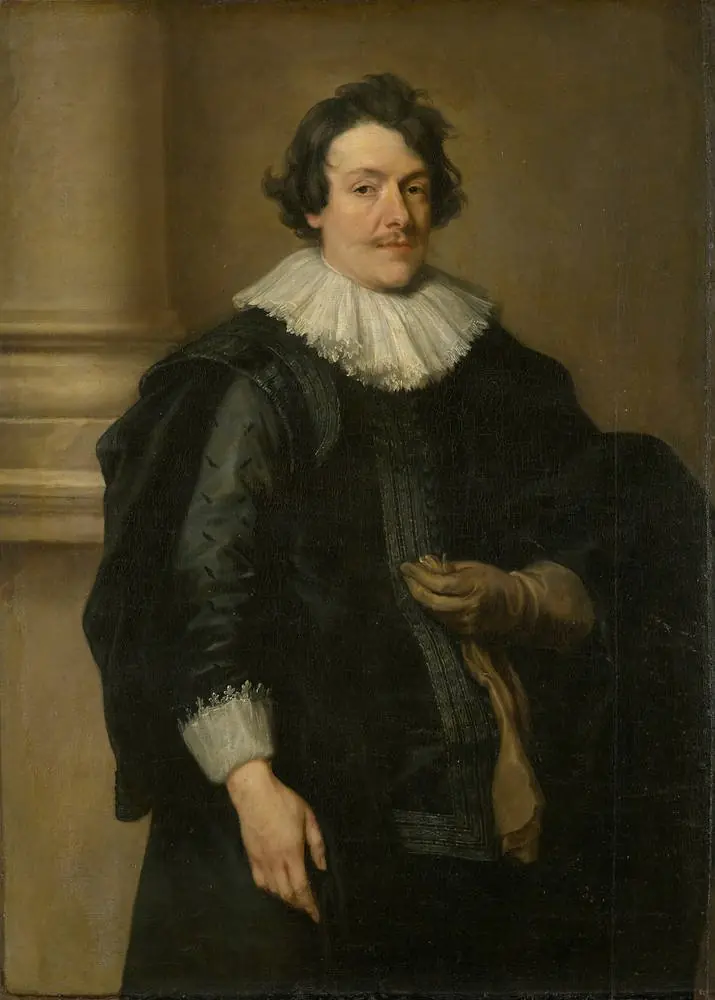 Portrait of a Man in Black before a Column
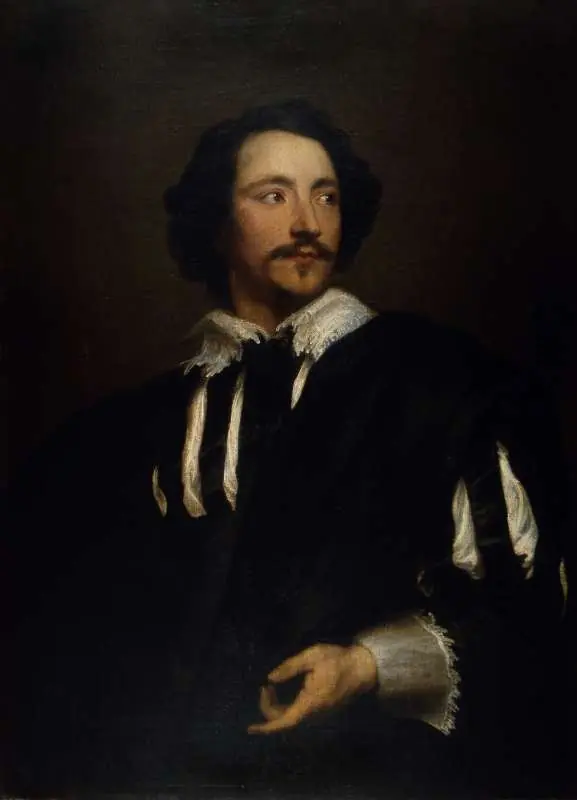 Portrait of Paulus Pontius (1603-1685)
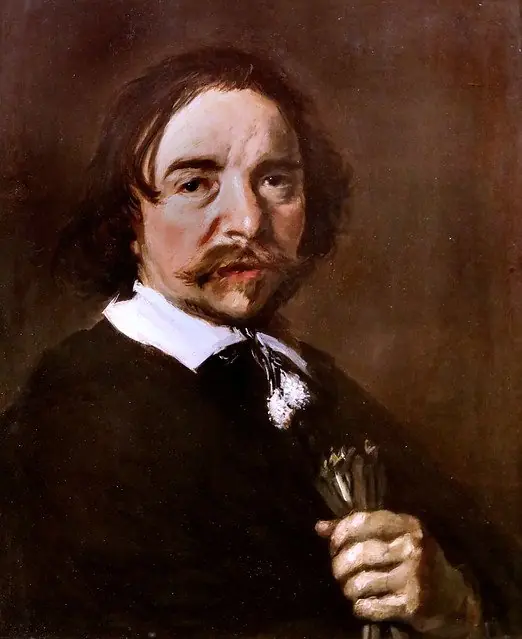 Portrait of a man with a tassle collar holding gloves or flax
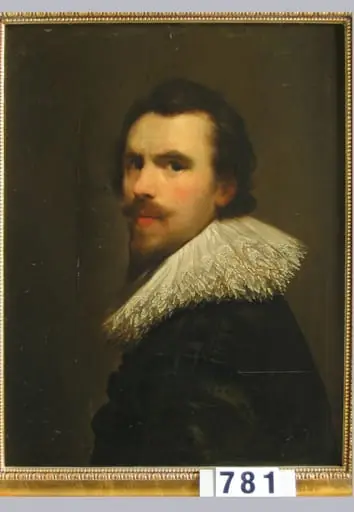 Autoportret
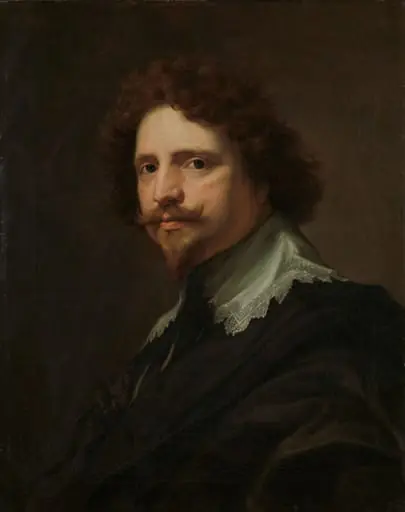 Portrait of Michel Le Blon (1587-1656)