Artwork
Portrait of a Man
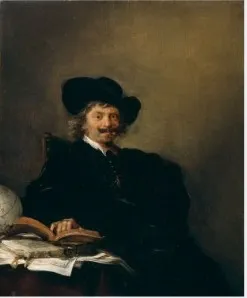
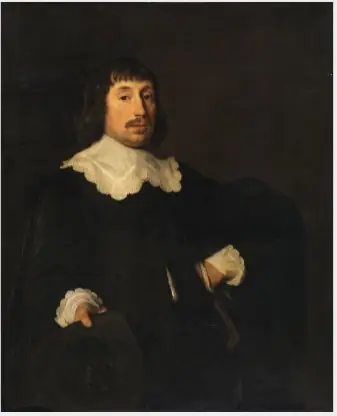
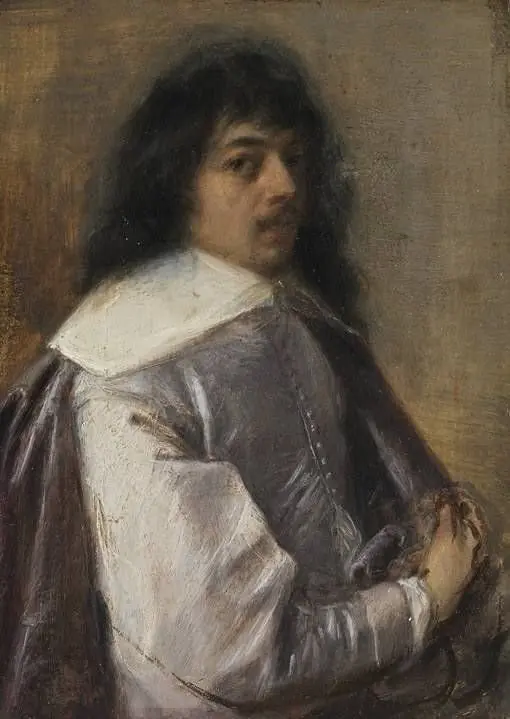
Portrait of a Man is an oil painting by the Dutch Golden Age artist Hendrik Gerritsz Pot. It dates from 1647 and is held in the collection of the National Gallery of Ireland.
About this work
Overview
The work is held in the National Gallery of Ireland and reflects the sober elegance typical of Dutch portraiture in the mid-seventeenth century.
Painted in 1647 by Hendrik Gerritsz Pot, this oil-on-canvas portrait depicts a seated man in dark attire, holding an open book. The composition is restrained, focusing on the subject’s contemplative posture and the quiet presence of a globe and scattered papers. The work is held in the National Gallery of Ireland and reflects the sober elegance typical of Dutch portraiture in the mid-seventeenth century.
Subject & Meaning
The man is likely a scholar or civic figure, suggested by the book and globe—symbols of learning and worldly knowledge. His calm demeanor and the orderly yet unposed arrangement of objects imply intellectual engagement rather than status display. The absence of overt heraldry or luxury items points to a preference for quiet dignity over ostentation, common among Haarlem’s professional class.
Technique & Style
Pot employs chiaroscuro to model the face with strong lateral lighting, creating a three-dimensional effect against a dark, indistinct background. The brushwork is precise but not overly refined, allowing texture in fabric and paper to emerge naturally. The lighting enhances psychological presence without theatricality, aligning with the Northern European tradition of restrained realism.
History & Provenance
The painting entered the National Gallery of Ireland’s collection in the 20th century, though its earlier ownership remains undocumented. Pot, a Haarlem-based artist and militia officer, was known for portraits and group civic commissions. This single-figure work stands apart from his more famous militia paintings, suggesting a private commission or personal study.
Context
In 1647, Haarlem’s artistic community thrived amid economic stability and civic pride. Portraits like this one catered to a growing middle class seeking to affirm their intellectual and moral standing. Unlike grand court portraits, these works emphasized character and quiet authority, reflecting the values of the Dutch Republic’s urban elite.
Legacy
Though less celebrated than contemporaries like Rembrandt or Frans Hals, Pot’s portraits contribute to the understanding of provincial Dutch painting. This work exemplifies how modest compositions could convey depth and individuality without grandeur. It remains a quiet testament to the era’s emphasis on introspection and civic virtue.
Artist & collection
Artist
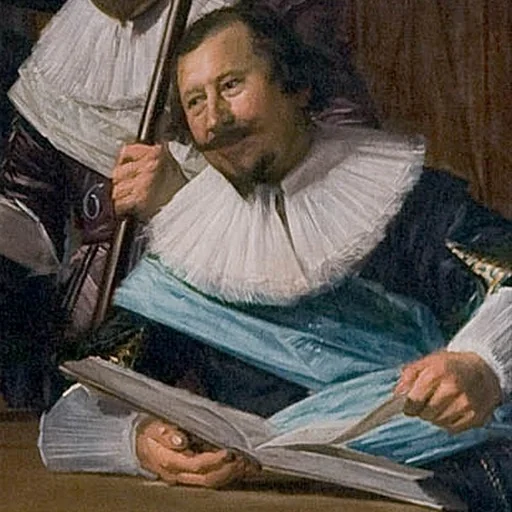
Hendrik Gerritsz Pot (c. 1580 – 15 October 1657 (buried)) was a Dutch Golden Age painter, who lived and painted in Haarlem, where he was an officer of the militia, or schutterij. Dutch artist Frans Hals painted Pot in…

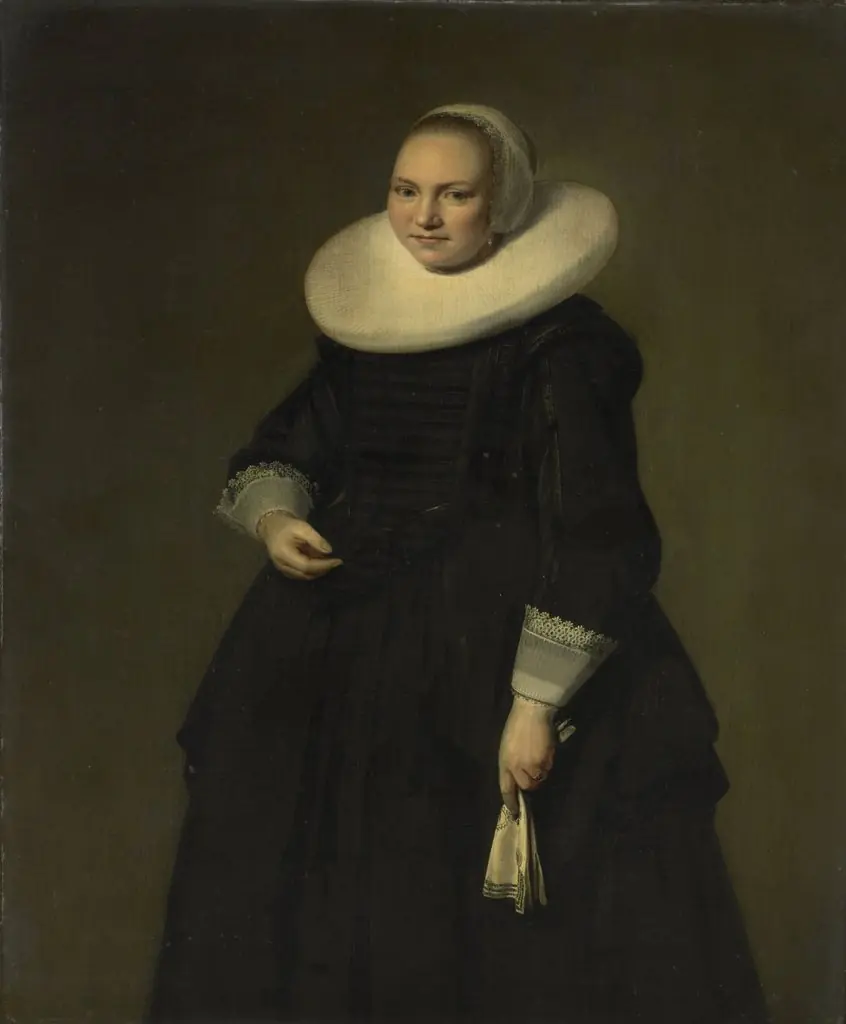
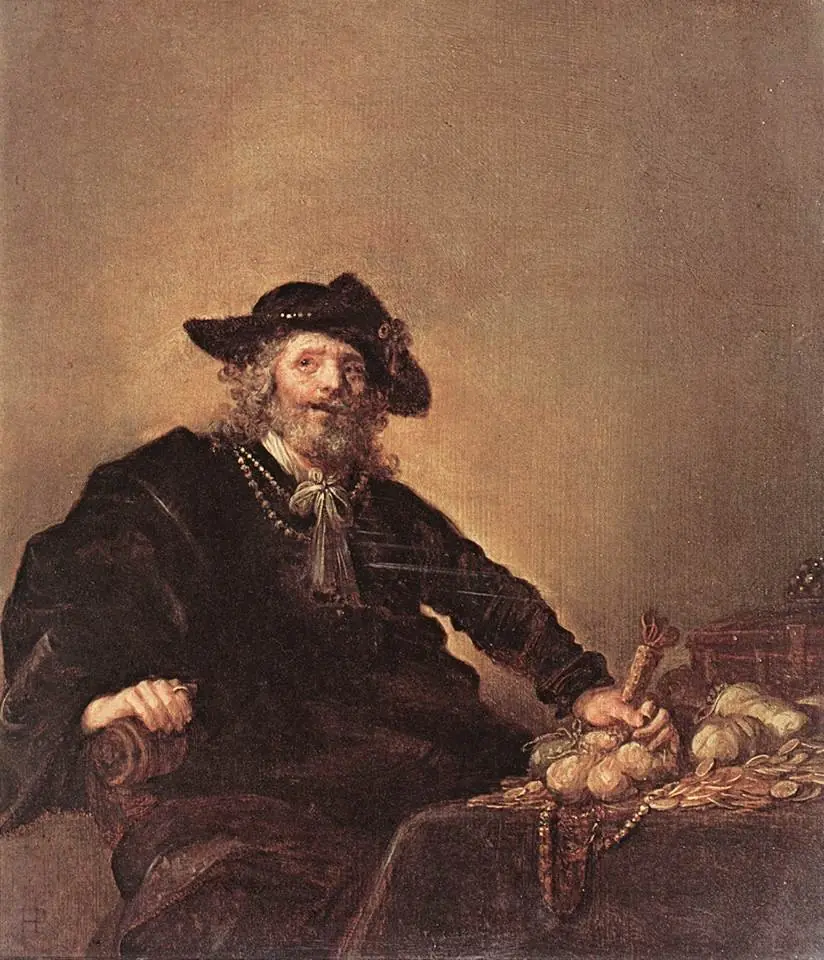
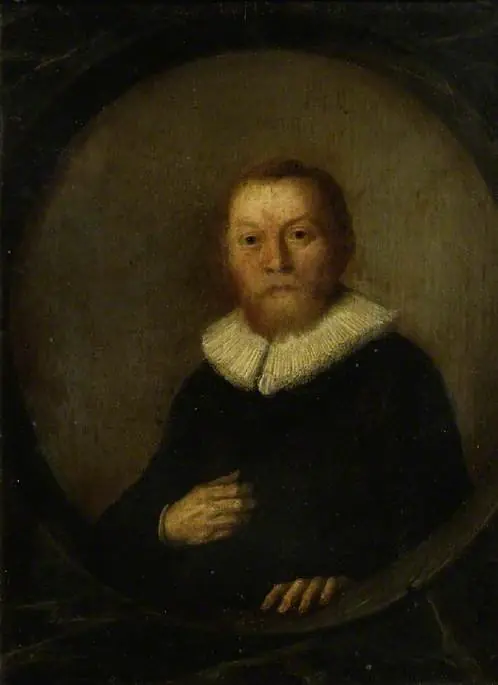
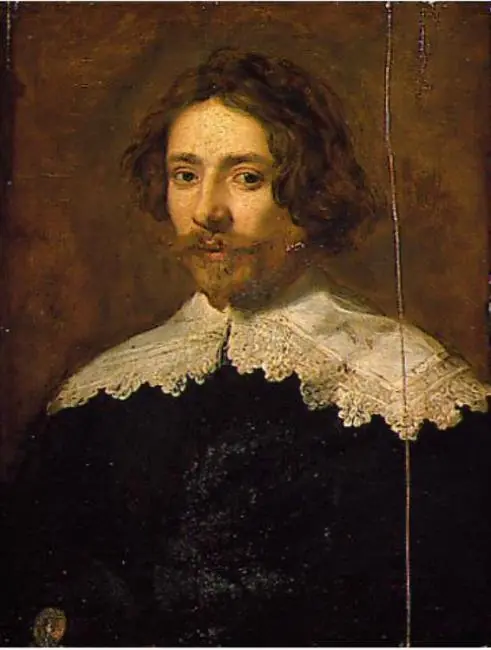 Portrait of a Man
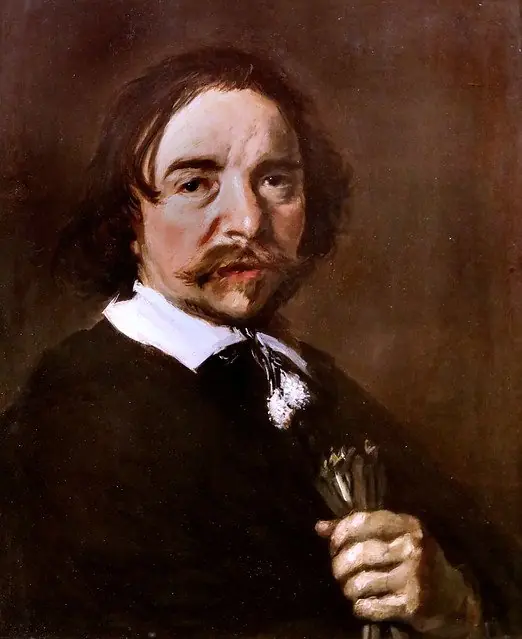 Portrait of a man with a tassle collar holding gloves or flax
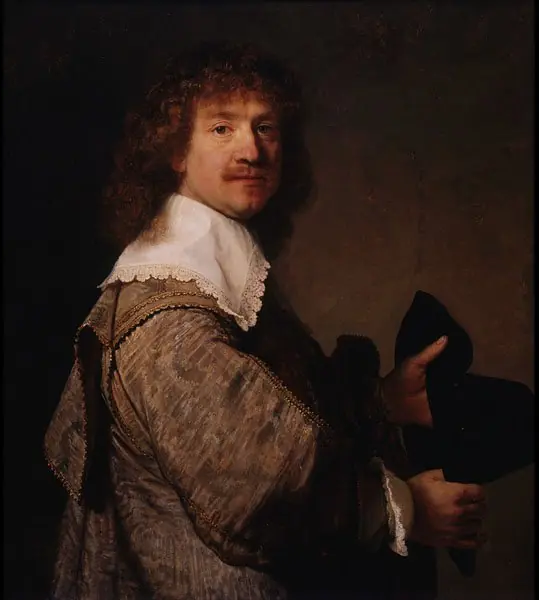 Portrait of a Man Holding a Hat
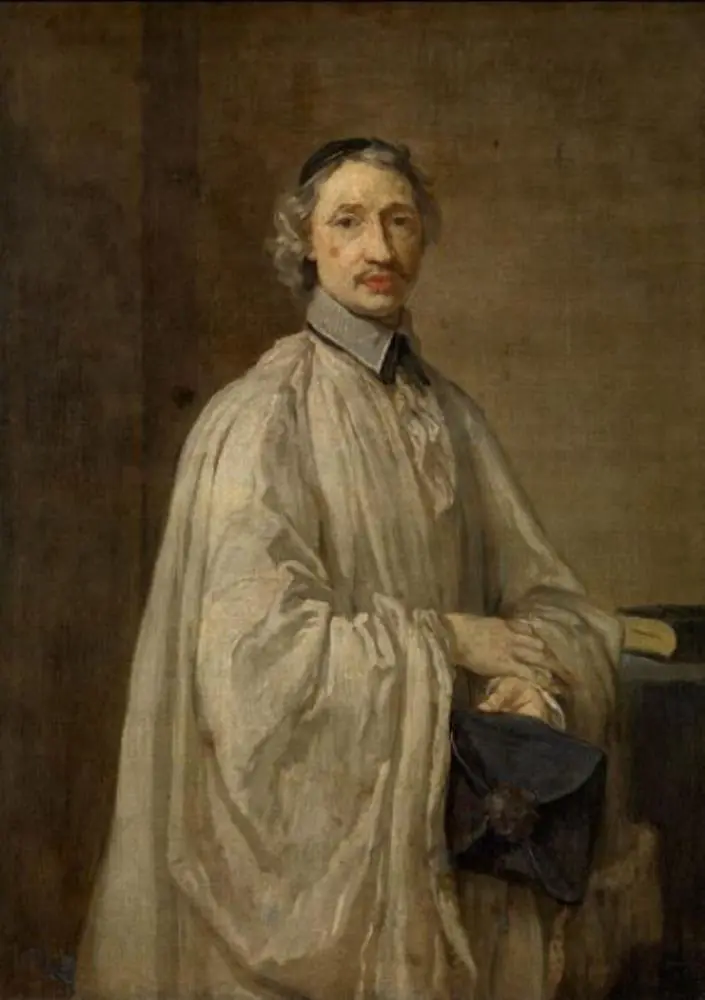 Portrait of canon Frans de Cock, cantor of the cathedral of Antwerp
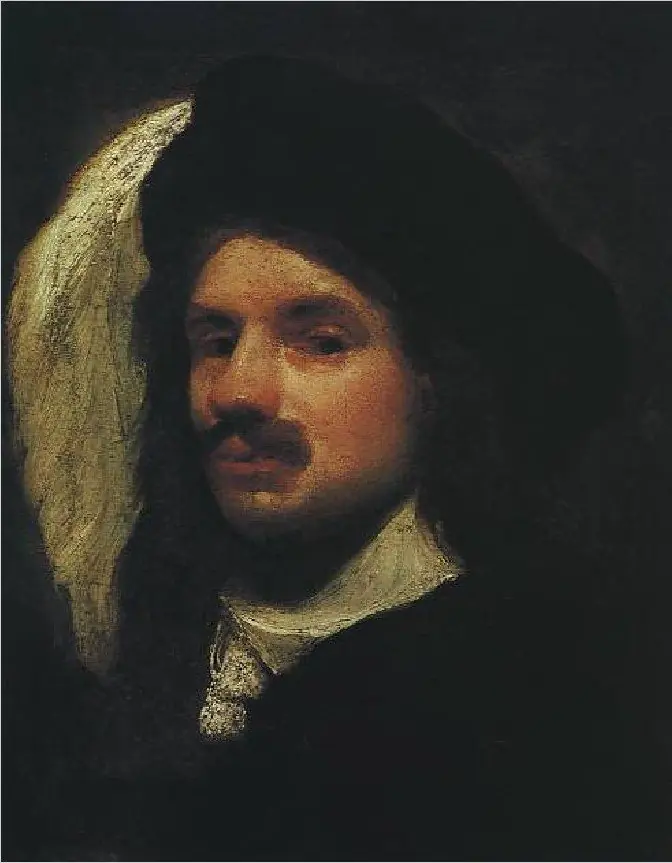 Self-Portrait
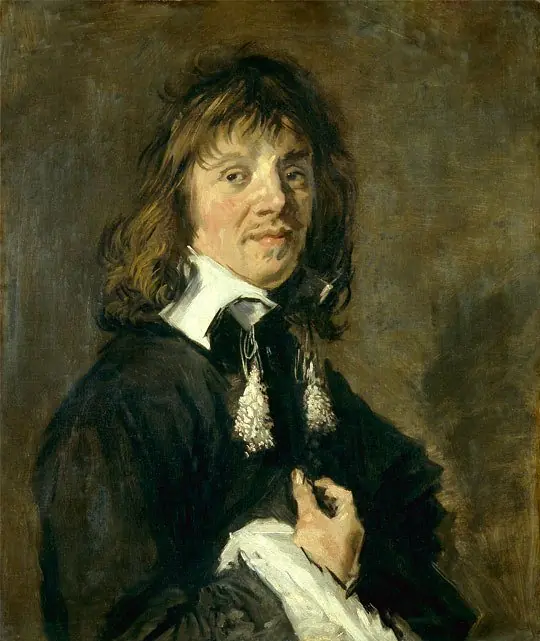 Portrait of a man
 Portrait of a Man
 Self portrait
 Portrait of Andries van Hoorn
 Portrait of a Man
 Portrait of an unknown man
 Portrait of a man