Artwork
Portrait of an Old Man in Red by Rembrandt
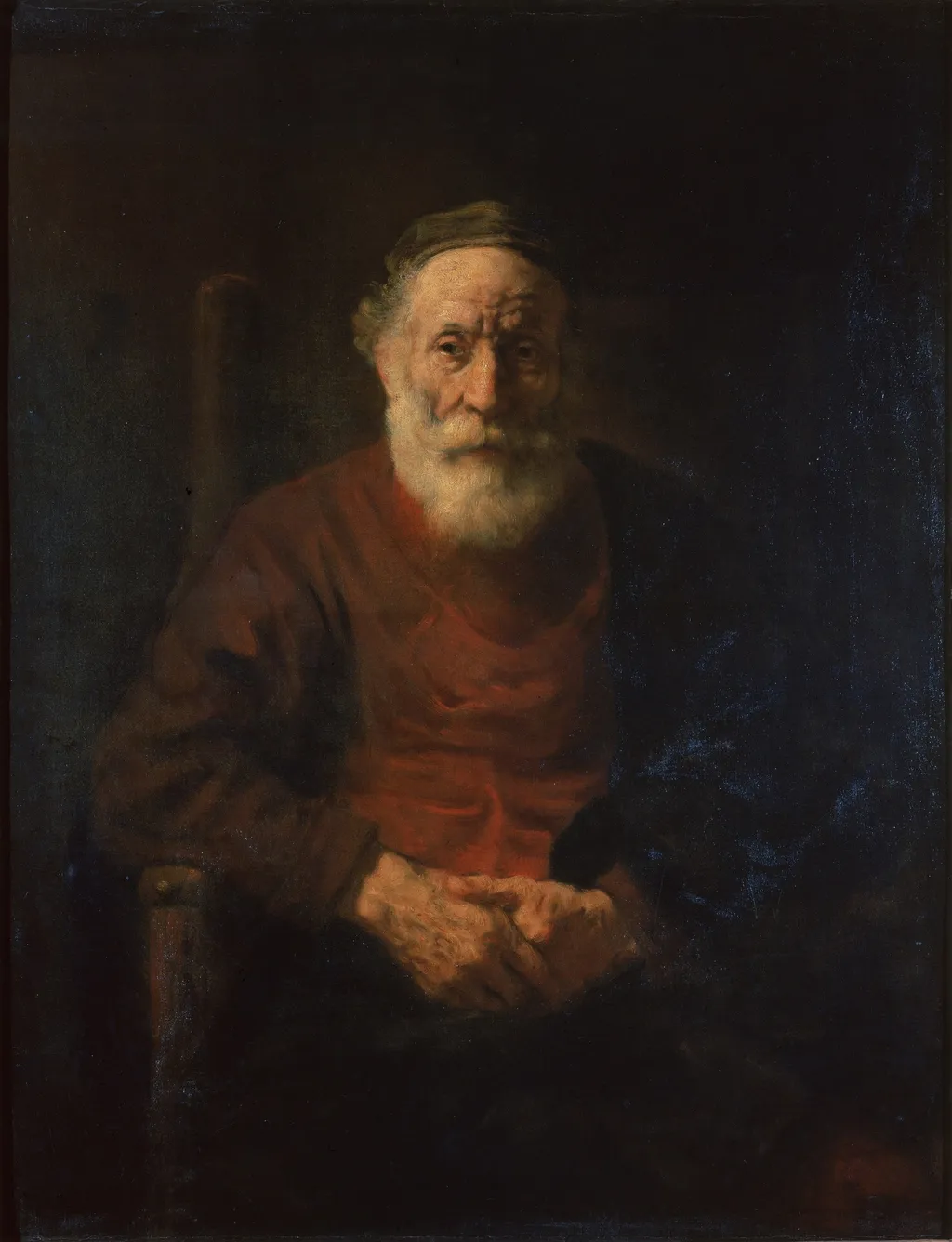
Portrait of an Old Man in Red by Rembrandt is an oil painting by the Dutch Golden Age artist Rembrandt. It dates from 1654 and is held in the collection of the Hermitage Museum.
About this work
Overview
Portrait of an Old Man in Red, painted by Rembrandt in 1654, is an oil painting exemplifying the artist's technical mastery and depth during the Dutch Golden Age. It is part of the State Hermitage Museum's collection.
Subject & Meaning
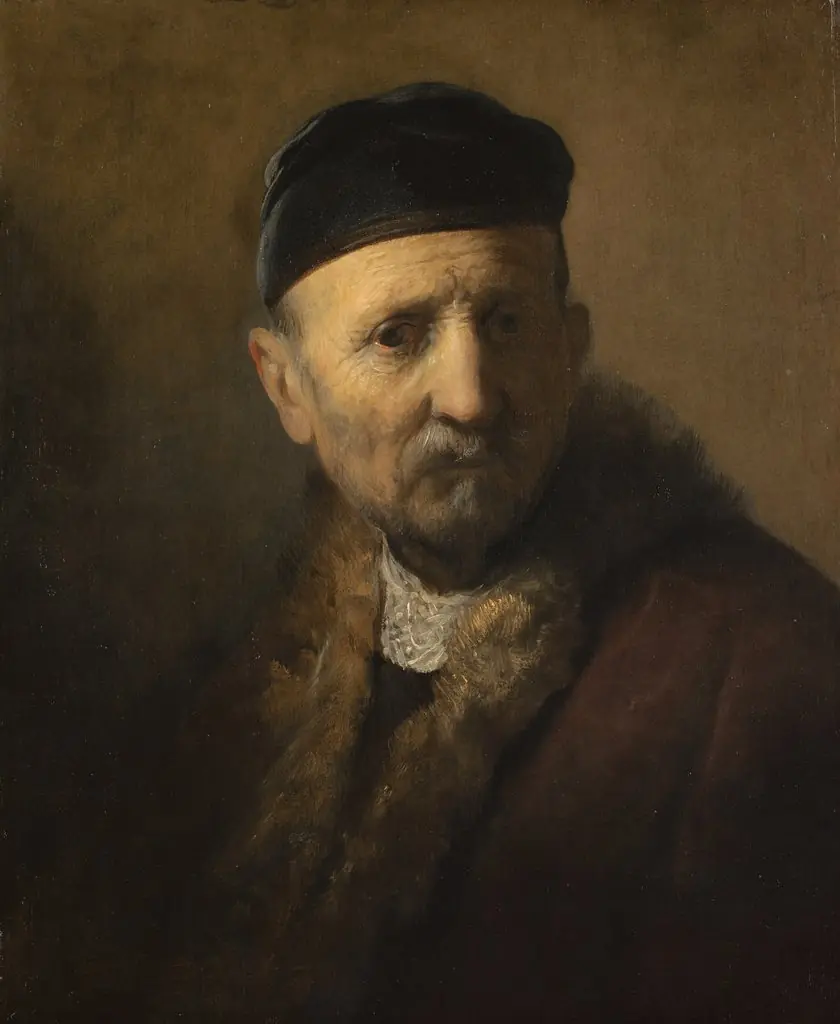
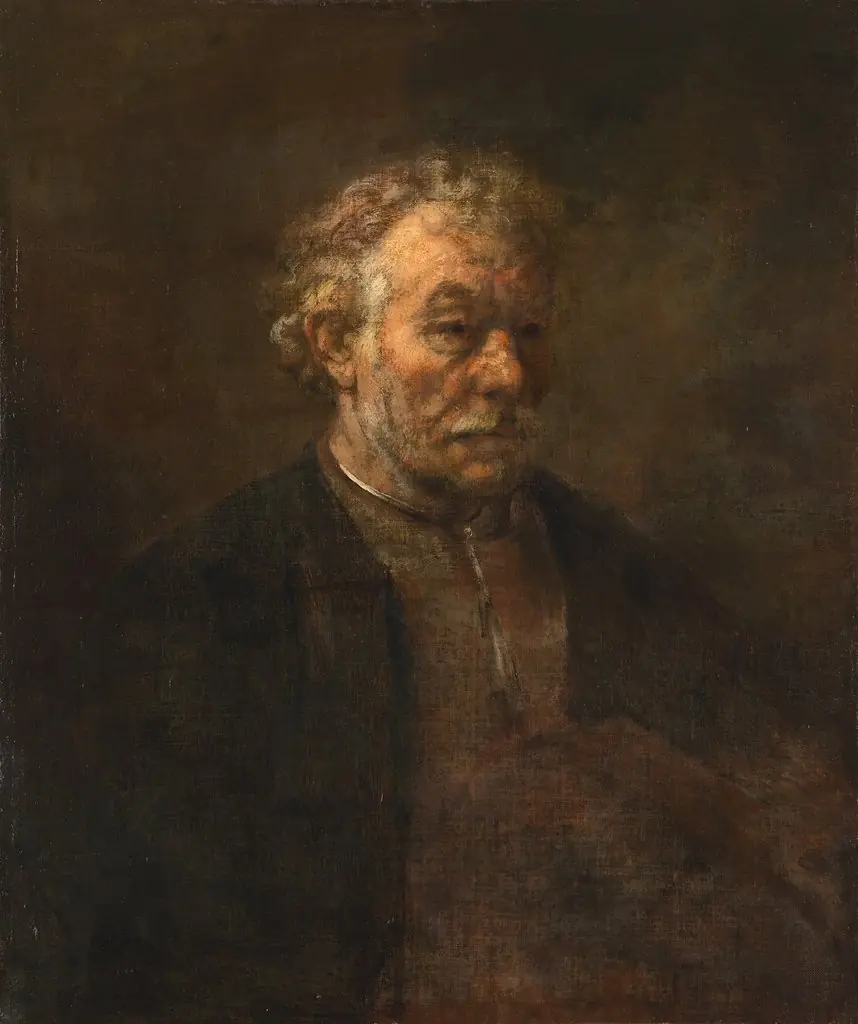
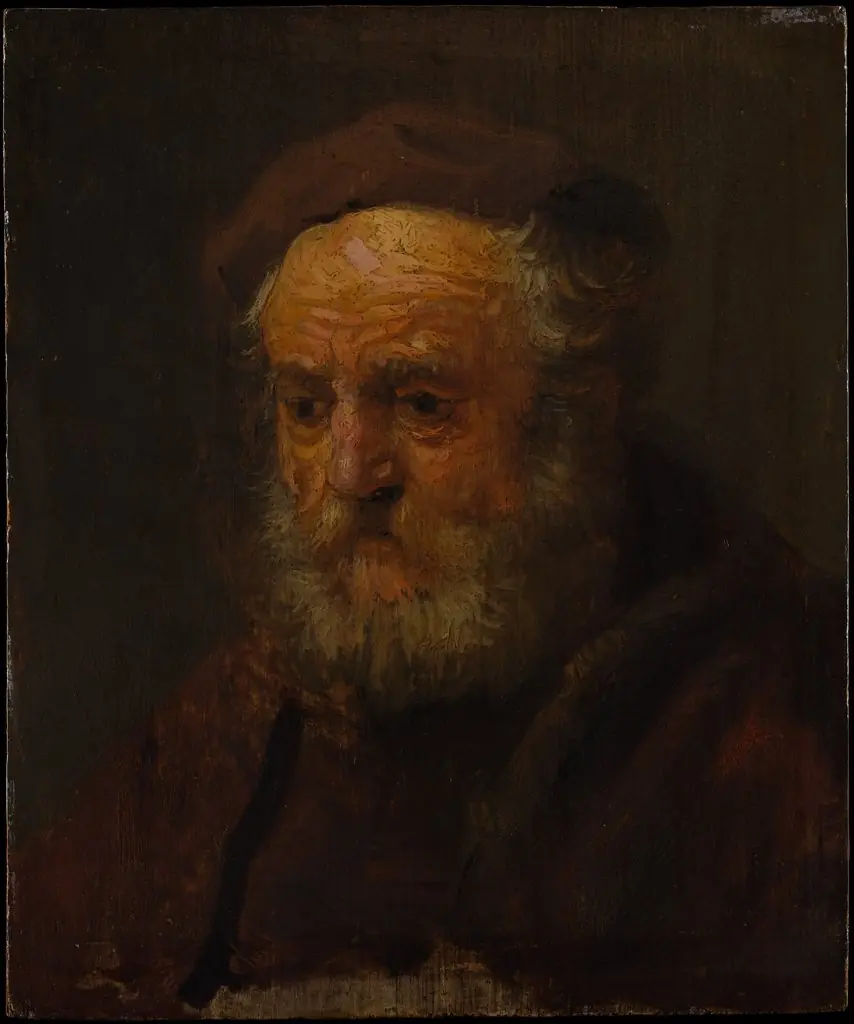
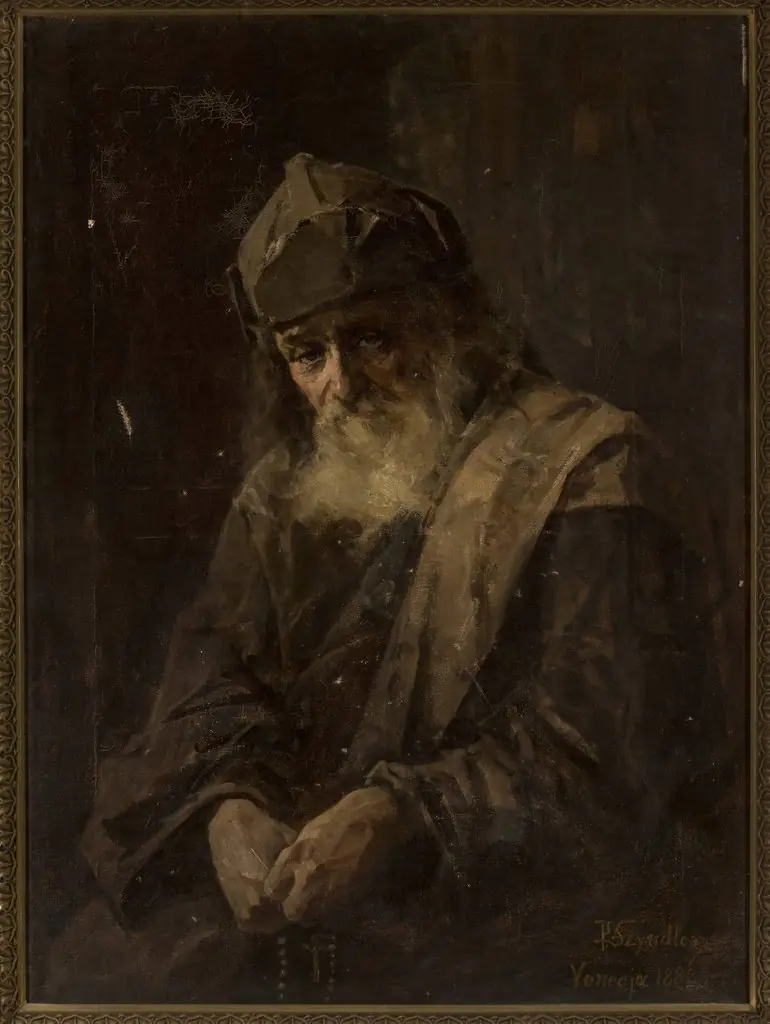
The subject is an elderly man with a long white beard and curly gray hair, dressed in a dark red-brown robe, accompanied by a wooden staff. His contemplative pose, with hands resting in his lap, suggests a focus on the individual's character.
Technique & Style
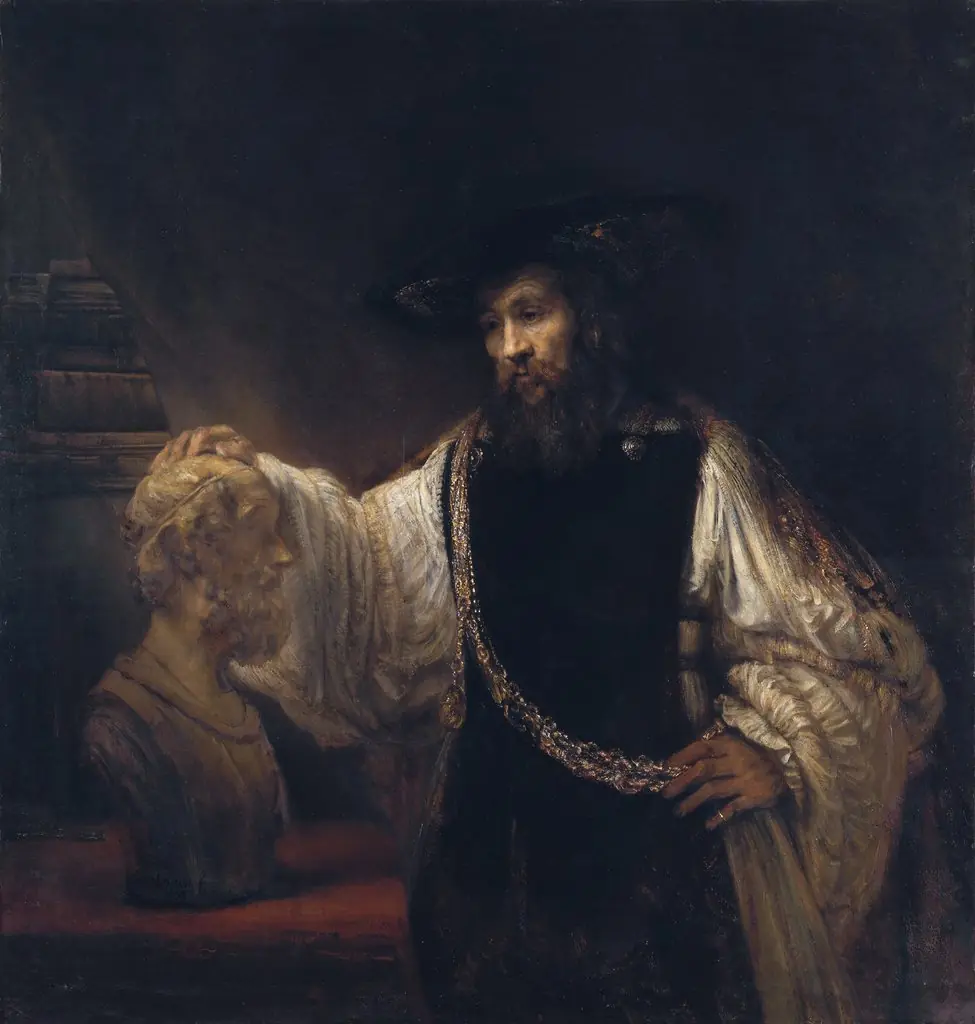
Rembrandt employed chiaroscuro, using strong contrasts of light and dark to create a three-dimensional effect, accentuating the subject's facial wrinkles and beard. Warm, earthy tones dominate, with the red robe glowing against a dark background.
History & Provenance
Created in 1654, during Rembrandt's peak, the painting is now held in the State Hermitage Museum's collection, though specific acquisition details are not provided here.
Context
This work reflects Rembrandt's broader practice of capturing psychological depth in portraits, a hallmark of the Dutch Golden Age's artistic innovations.
Legacy
While specific influences or direct legacies of 'Portrait of an Old Man in Red' are not detailed, it contributes to Rembrandt's reputation for masterful use of chiaroscuro and character-driven portraiture.
Own this work as a print
Artist & collection
Artist
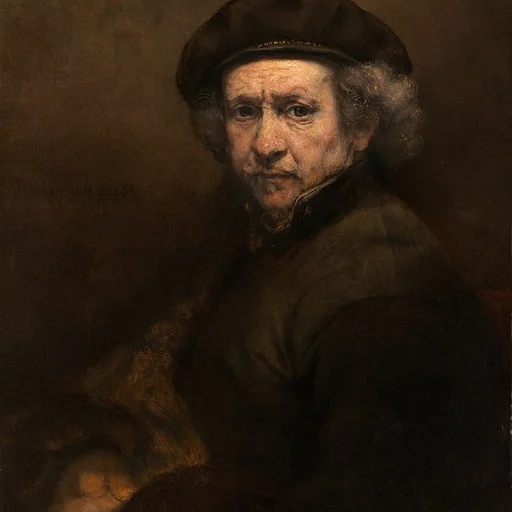
Rembrandt Harmenszoon van Rijn (15 July 1606 – 4 October 1669), known mononymously as Rembrandt, was a Dutch Golden Age painter, printmaker, and draughtsman.