Artwork
St. Bartholomew
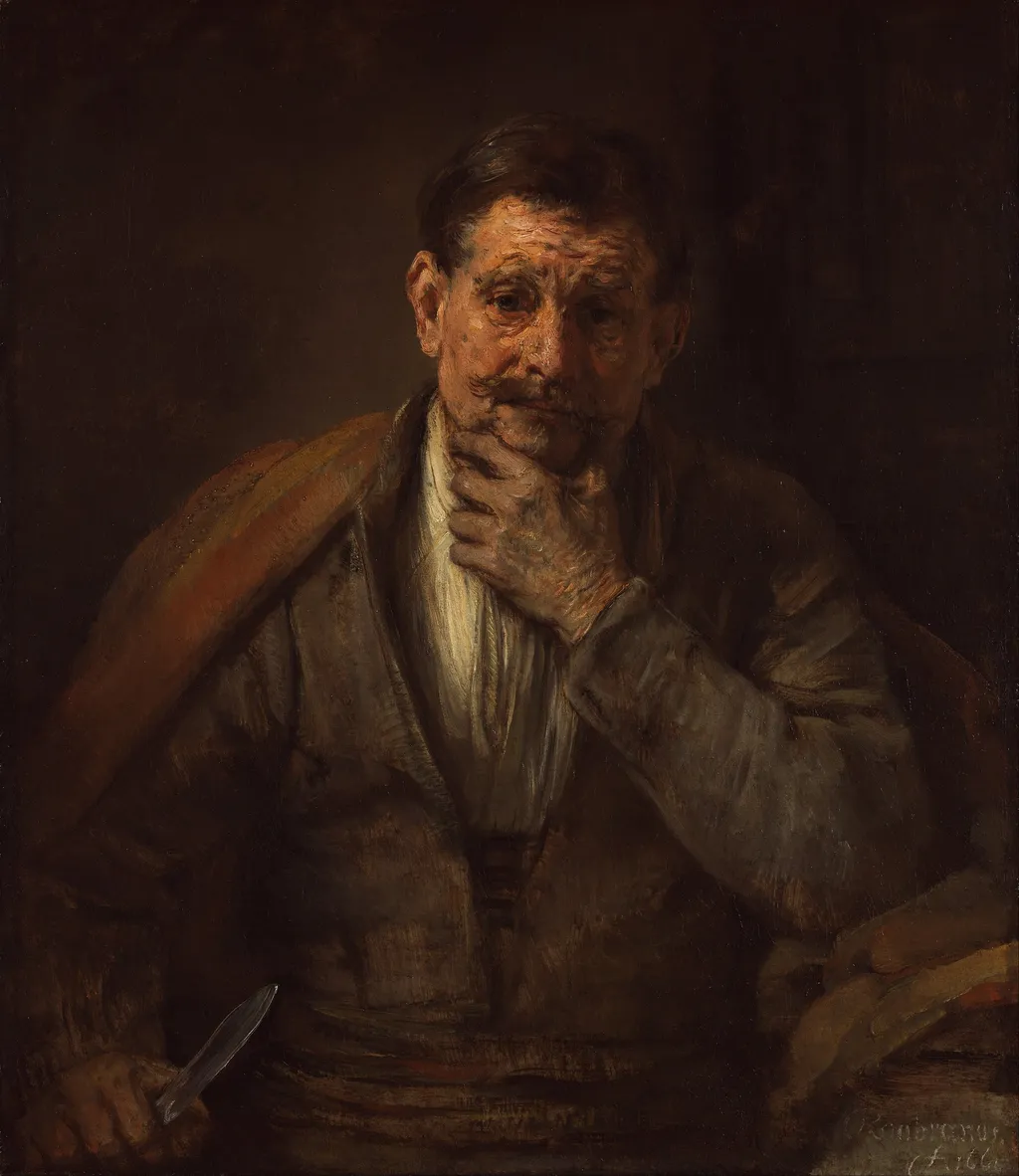
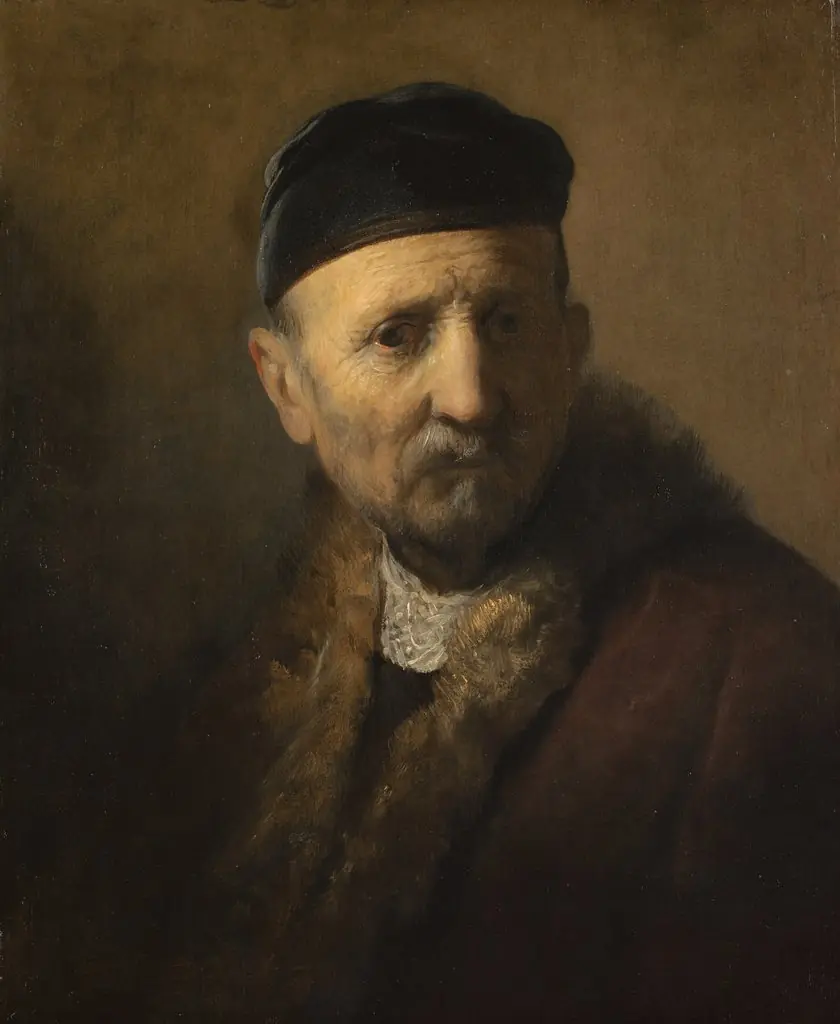
St. Bartholomew is an oil painting by the Dutch Golden Age artist Rembrandt. It dates from 1661 and is held in the collection of the J. Paul Getty Museum.
About this work
Overview
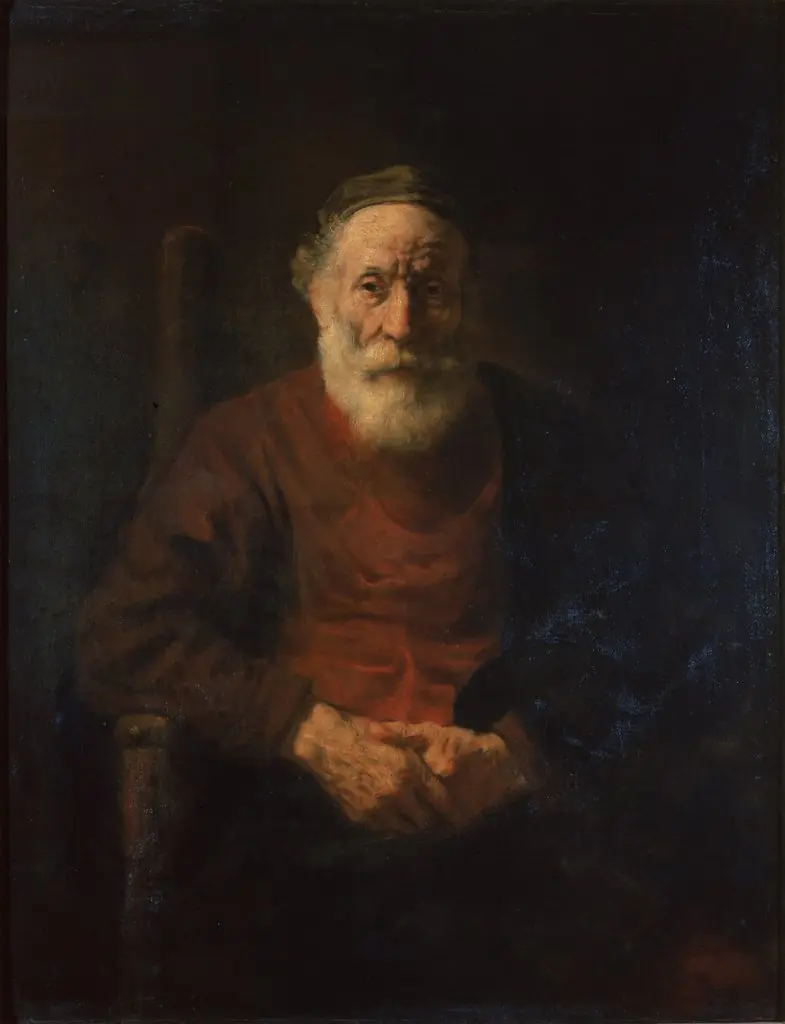
Created in 1661, this oil on canvas portrays the apostle Bartholomew at the moment of his martyrdom, holding the knife that would end his life. The composition is dominated by a dark background that isolates the figure, allowing the viewer to focus on his thoughtful expression and the subtle play of light across his clothing.
Subject & Meaning
Bartholomew is shown with his chin supported by his hand, his gaze lowered in quiet contemplation. The inclusion of the knife alludes to the biblical account of his beheading, while his introspective demeanor invites reflection on sacrifice and faith, emphasizing the inner turmoil of the saint rather than overt drama.
Technique & Style
The work exemplifies Rembrandt’s late period, marked by loose, expressive brushstrokes that convey texture in the fabric and flesh. Thick impasto highlights the veins of the hand and the folds of the red cloak, while the chiaroscuro of deep shadows against a muted light source creates a somber atmosphere and a sense of immediacy.
History & Provenance
The painting entered the collection of the J. Paul Getty Museum, where it remains on display. It is part of Rembrandt’s extensive output that includes portraiture, narrative scenes, and prints, reflecting his sustained interest in religious subjects during the final decade of his career.
Own this work as a print
Artist & collection
Artist
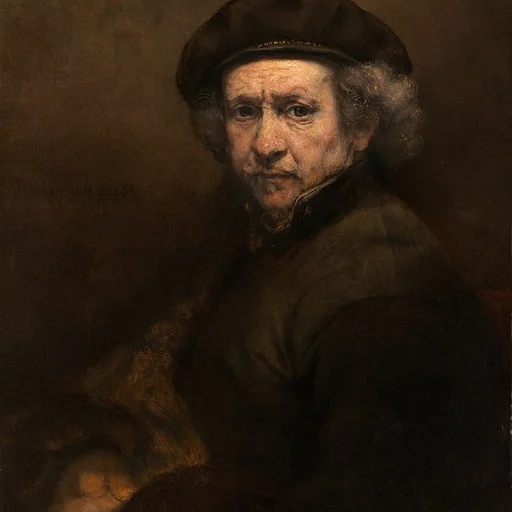
Rembrandt Harmenszoon van Rijn (15 July 1606 – 4 October 1669), known mononymously as Rembrandt, was a Dutch Golden Age painter, printmaker, and draughtsman.