Artwork
Portrait of Willem Burggraeff, husband of Maertgen van Bilderbeecq
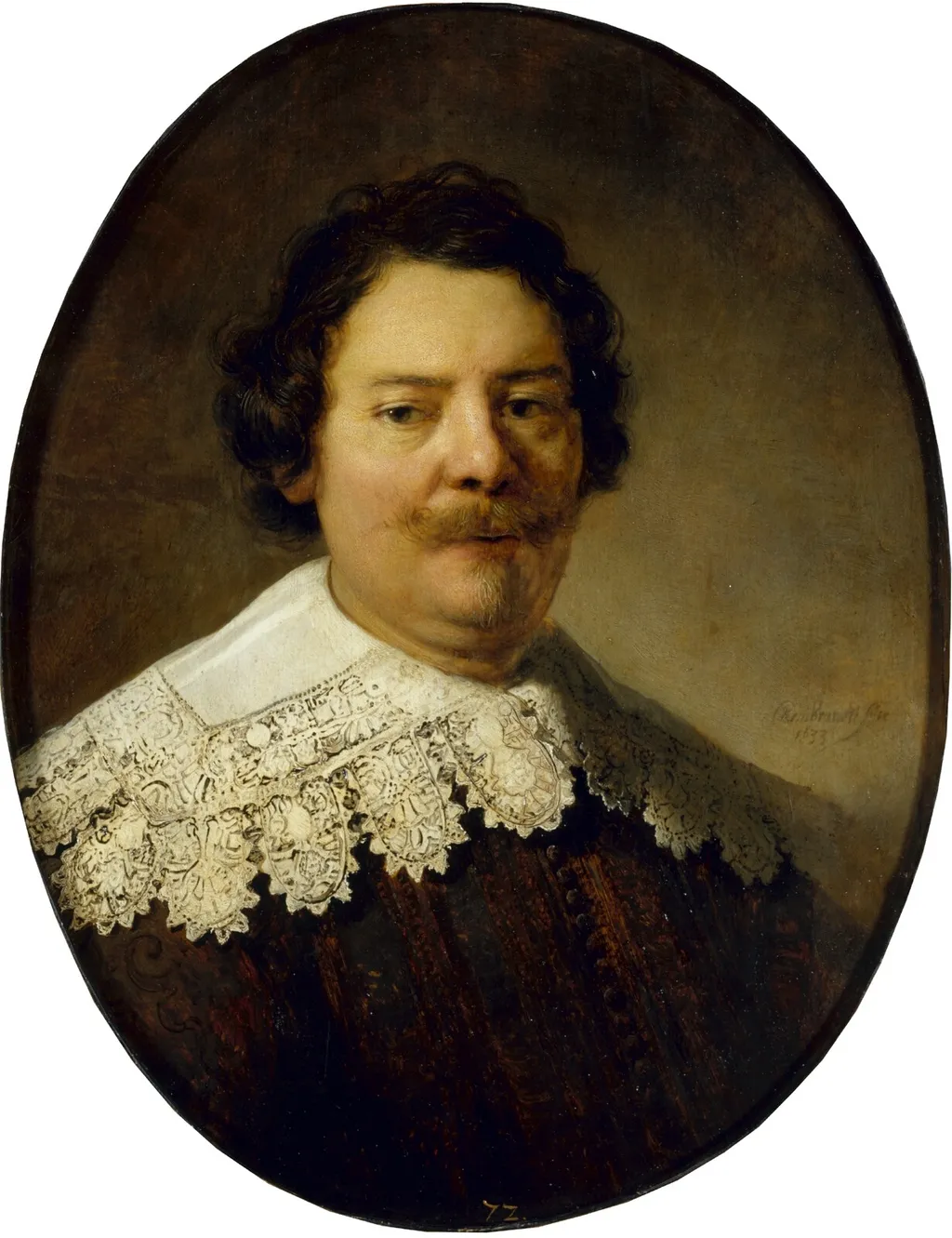
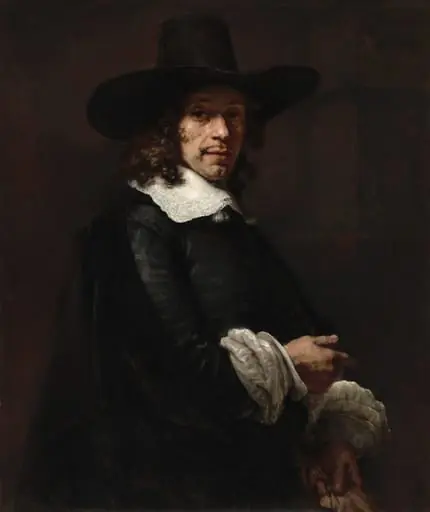
Portrait of Willem Burggraeff, husband of Maertgen van Bilderbeecq is an oil painting by the Dutch Golden Age artist Rembrandt. It dates from 1633 and is held in the collection of the Staatliche Kunstsammlungen Dresden. Executed in 1633, this oil portrait presents Willem Burggraeff, identified as the spouse of Maertgen van Bilderbeecq.
About this work
This painting features a man with dark, curly hair and a mustache, wearing a white lace collar over a dark-colored shirt.
This painting features a man with dark, curly hair and a mustache, wearing a white lace collar over a dark-colored shirt. The background is a warm, earthy tone.
The man's attire and the style of the painting suggest a formal portrait from the 17th century. The artist's use of light and shadow creates a sense of depth and dimensionality.
To learn more about the artist behind this work, look up Rembrandt.
Overview
Executed in 1633, this oil portrait presents Willem Burggraeff, identified as the spouse of Maertgen van Bilderbeecq. Rendered by Rembrandt Harmenszoon van Rijn, the work belongs to the Dutch Golden Age and is presently housed in the Gemäldegalerie Alte Meister. The composition focuses on a single male figure against a warm, earthy backdrop, typical of formal seventeenth‑century portraiture.
Subject & Meaning
The sitter is shown with dark, curly hair and a neatly trimmed mustache, dressed in a dark shirt accented by a white lace collar. The careful rendering of his attire and demeanor suggests a portrayal of social standing and personal identity, emphasizing the importance of marital and familial connections in the period’s bourgeois culture.
Technique & Style
Rembrandt employs his characteristic chiaroscuro, using subtle contrasts of light and shadow to model the figure’s face and clothing, creating a convincing sense of volume. The brushwork is refined yet expressive, allowing the texture of the lace collar and the softness of the hair to emerge against the muted background, a hallmark of his portraiture in the early 1630s.
History & Provenance
Since its creation, the portrait has remained within European collections, eventually entering the holdings of the Gemäldegalerie Alte Meister in Dresden. Documentation traces its ownership through several private hands before its acquisition by the museum, where it has been displayed as part of the institution’s Dutch Golden Age holdings.
Context
The painting reflects the conventions of Dutch portraiture during a period of economic prosperity, when merchants and civic leaders commissioned works to assert status. Rembrandt’s approach combines realistic observation with a dignified presentation, aligning the work with contemporary expectations for private portrait commissions while showcasing the artist’s evolving mastery of light.
Artist & collection
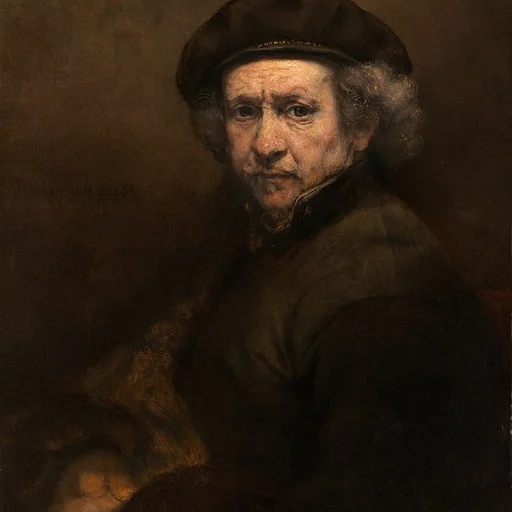
Artist
Rembrandt Harmenszoon van Rijn (15 July 1606 – 4 October 1669), known mononymously as Rembrandt, was a Dutch Golden Age painter, printmaker, and draughtsman.

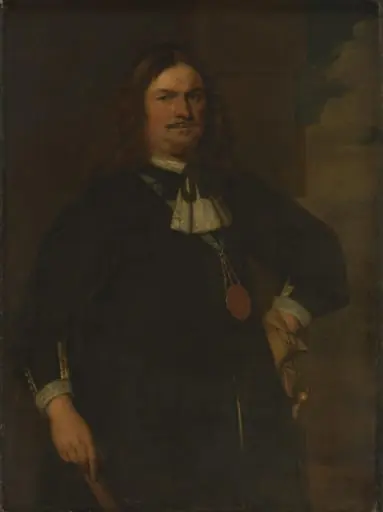 Portrait of Adriaen Banckert (c. 1620-1684), Vice Admiral of Zeeland
 Untitled
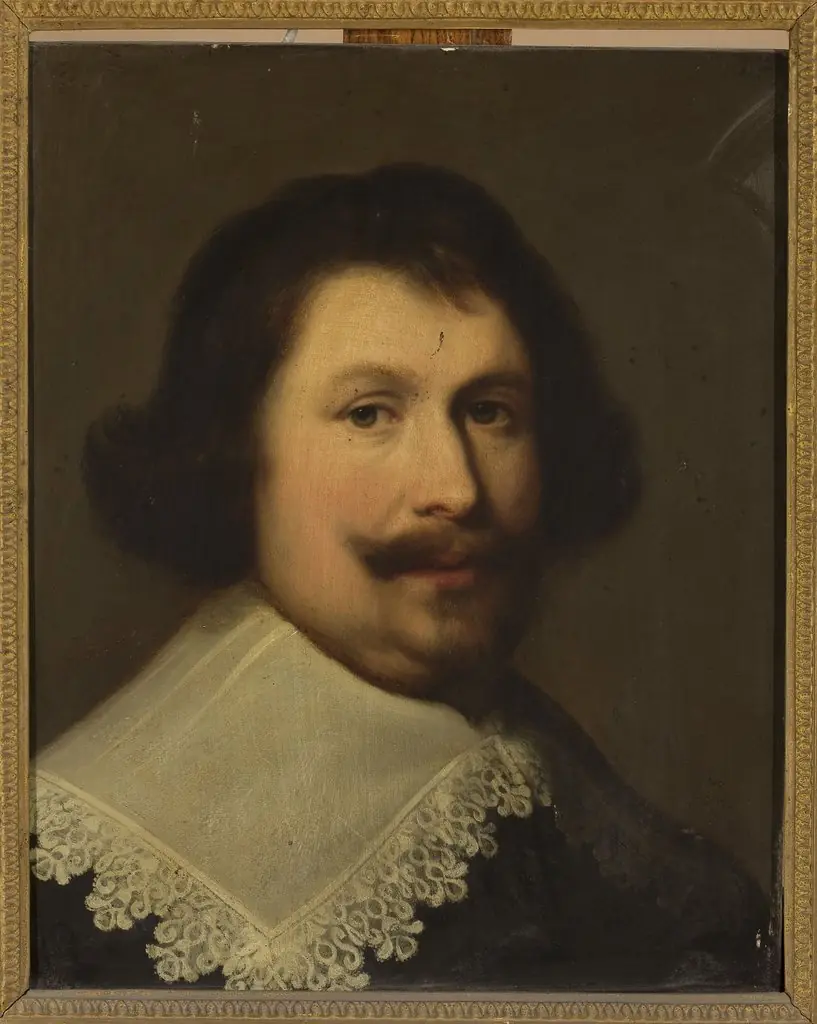 Portrait of a nobleman
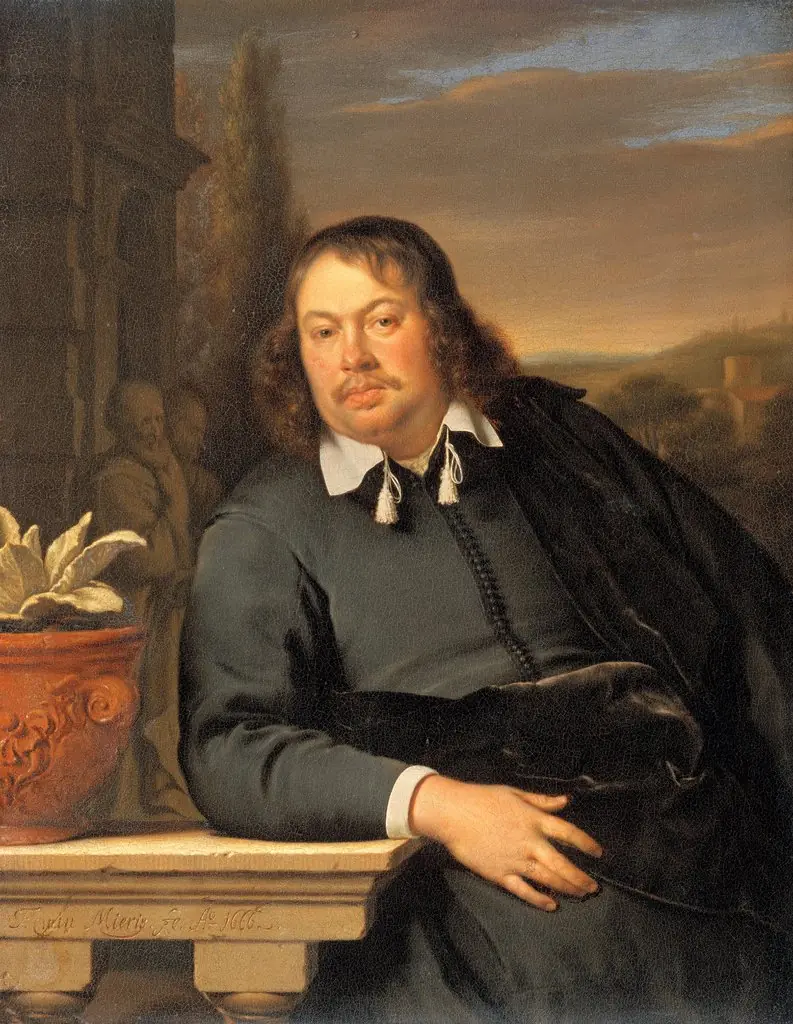 Portrait of Florentius Schuyl (1619-1669)
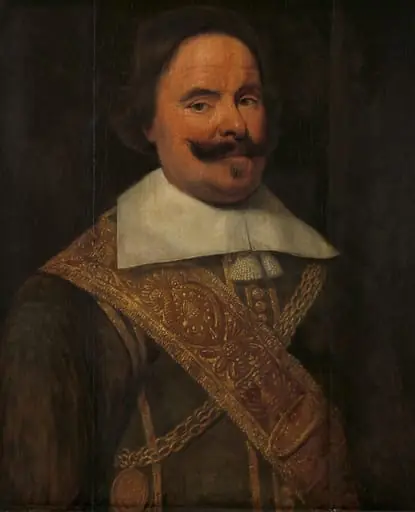
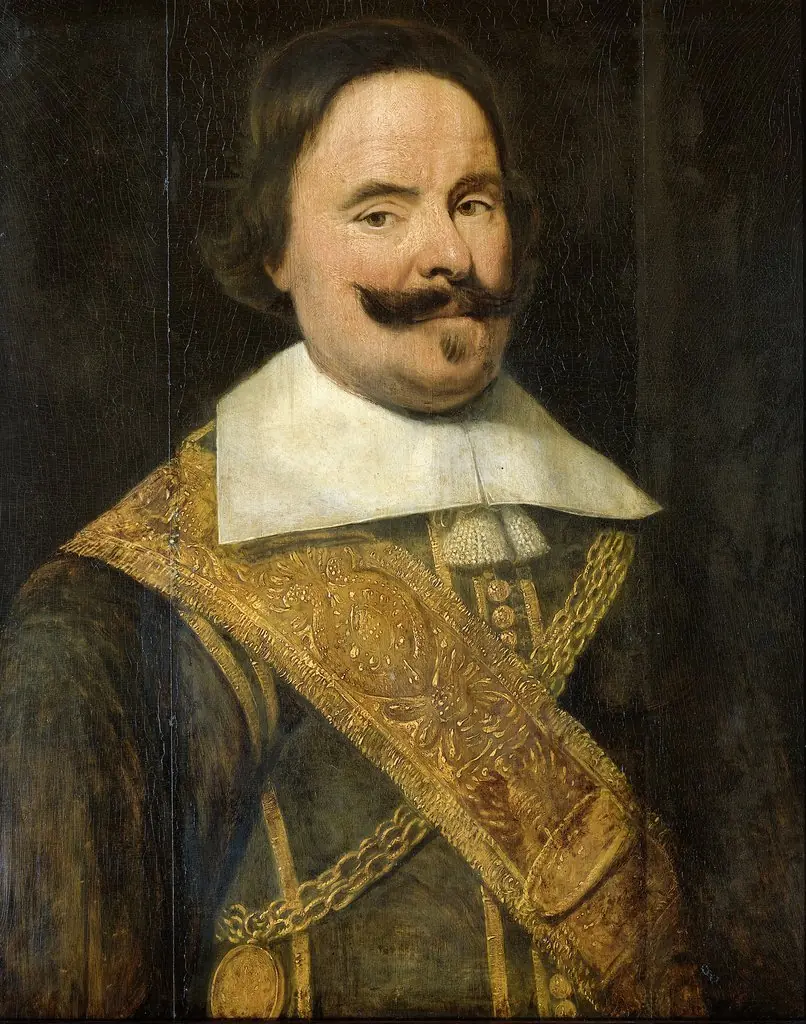 Michiel Adriaensz de Ruyter (1607-1676). Vice Admiral
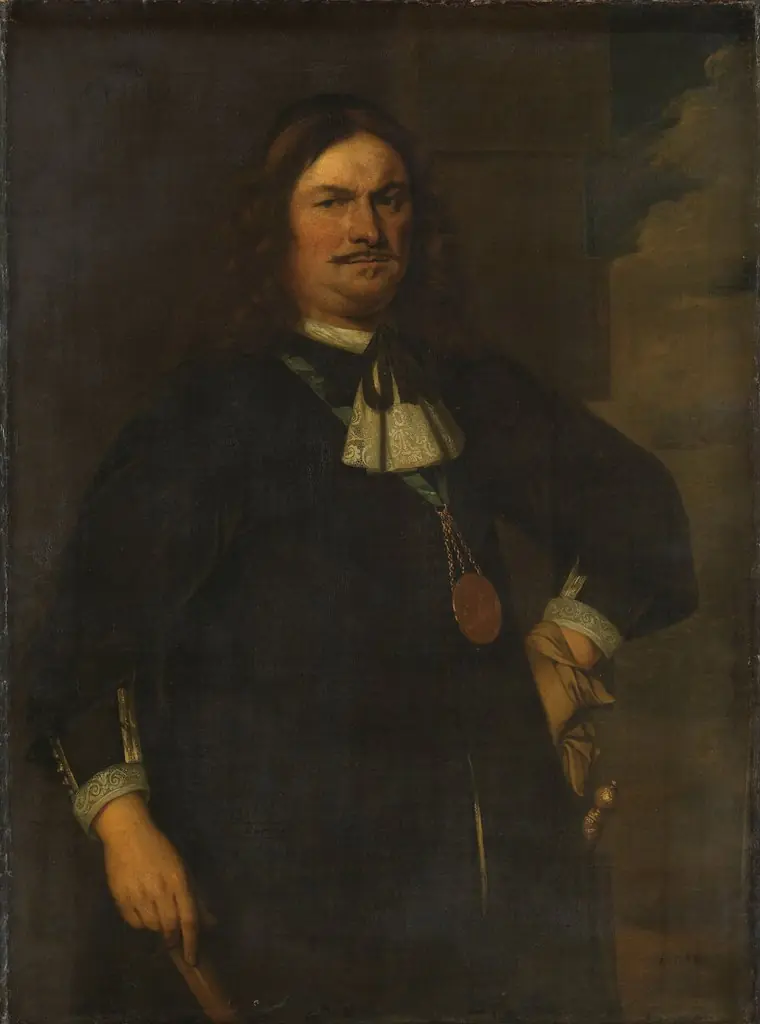 Adriaen Banckert, Vice Admiral of Zeeland
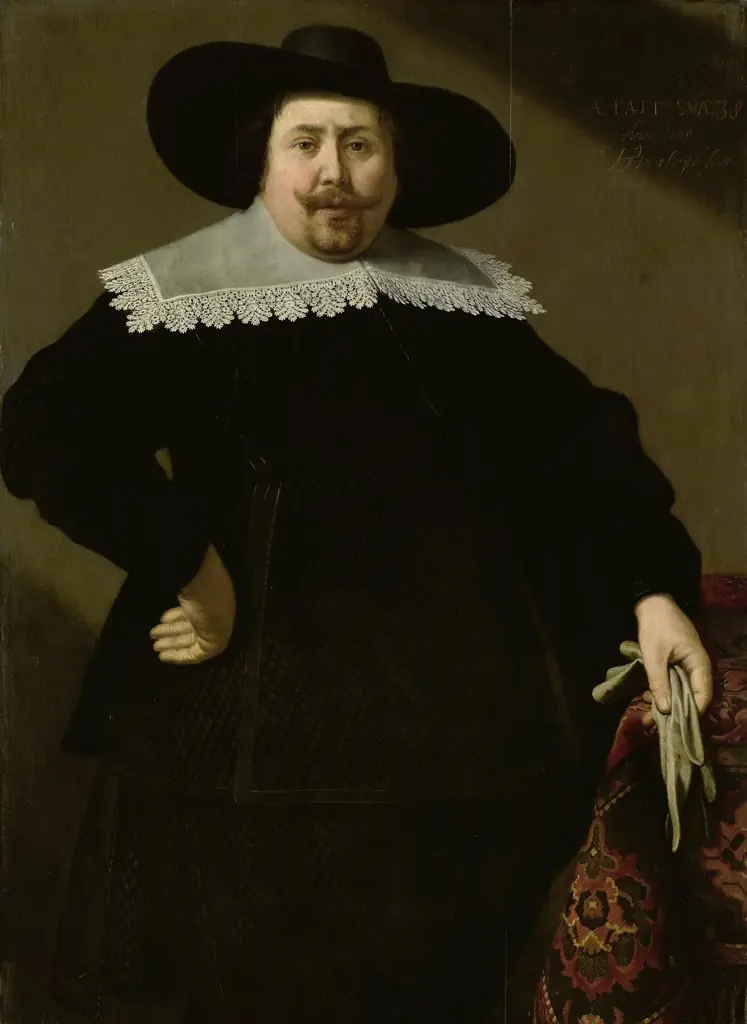 Portrait of Philips Denijs (1604-66)
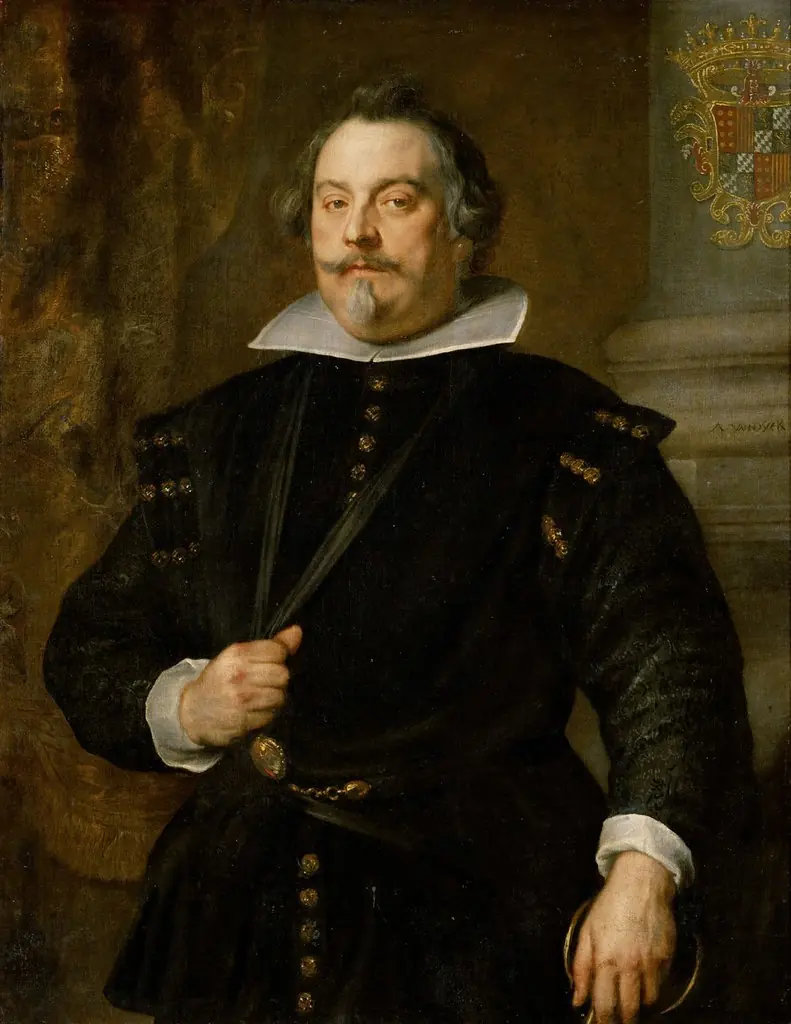 Portrait of Francisco de Moncada, Marqués de Aytona
 Portrait of a Young Man
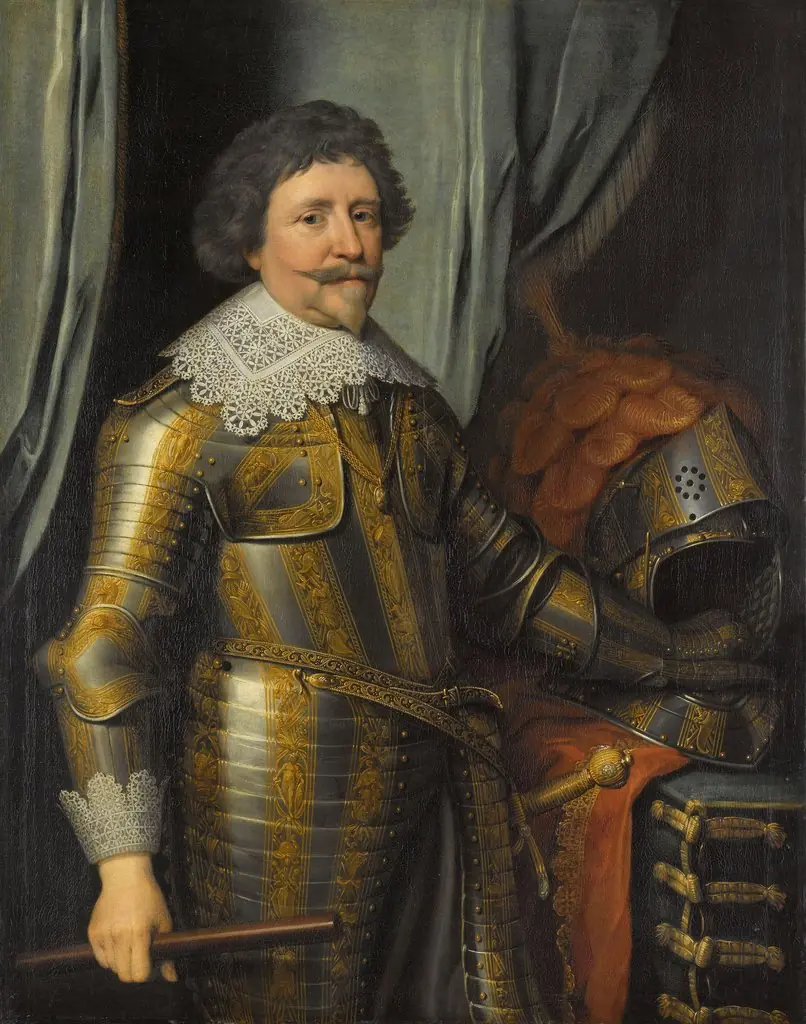 Portrait of Frederick Henry, Prince of Orange