Artwork
Grablegung Christi (Kopie nach)
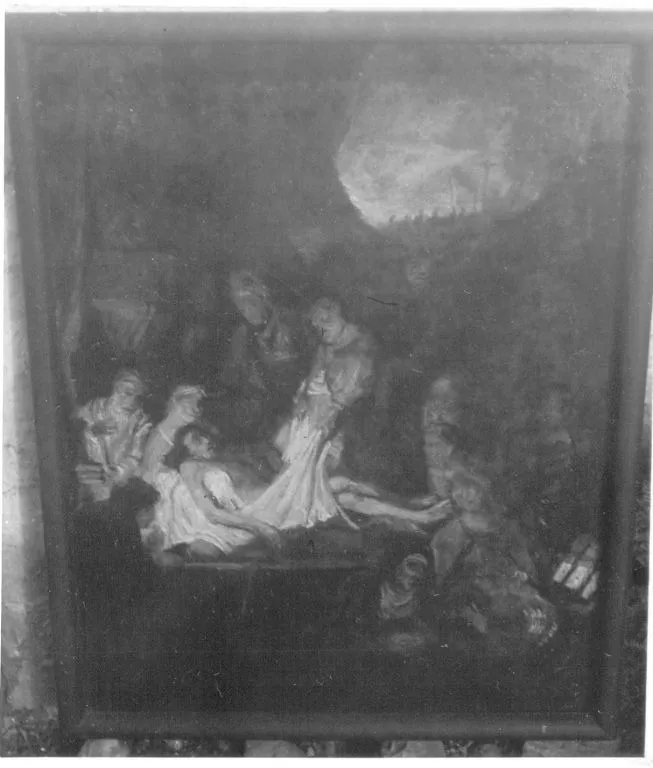
Grablegung Christi (Kopie nach) is an unspecified painting by the Dutch Golden Age artist Rembrandt. It dates from 1637 and is held in the collection of the Bavarian State Painting Collections.
About this work
Overview
Grablegung Christi (Kopie nach) is a 1637 religious painting from the Dutch Golden Age, housed in the Alte Pinakothek. Attributed to Rembrandt van Rijn, it exemplifies the period's fascination with biblical themes.
Subject & Meaning
The painting depicts the entombment of Christ, a pivotal biblical scene, with a central figure in light clothing surrounded by partially obscured onlookers, evoking a sense of solemnity and mystery.
Technique & Style
Rembrandt employed strong chiaroscuro, contrasting light and dark to draw focus to the central figure. This dramatic lighting renders the surrounding faces indistinct, heightening the emotional depth of the scene.
History & Provenance
Created in 1637, during a period of stylistic experimentation in Rembrandt's career, the work's provenance is traced back to the Alte Pinakothek collection.
Context
Reflecting the Dutch Golden Age's continued engagement with religious narratives, the painting sits within a broader artistic trend of interpreting biblical subjects through innovative lighting and composition techniques.
Legacy
As part of Rembrandt's oeuvre, *Grablegung Christi (Kopie nach)* contributes to the artist's legacy of exploring emotional intensity through chiaroscuro, influencing subsequent generations of artists in their depiction of dramatic scenes.
Artist & collection
Artist
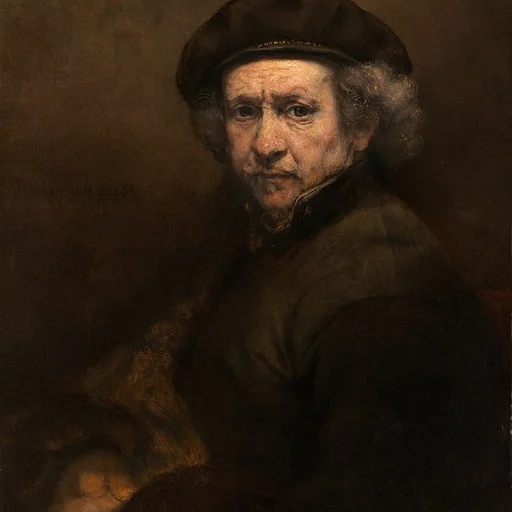
Rembrandt Harmenszoon van Rijn (15 July 1606 – 4 October 1669), known mononymously as Rembrandt, was a Dutch Golden Age painter, printmaker, and draughtsman.

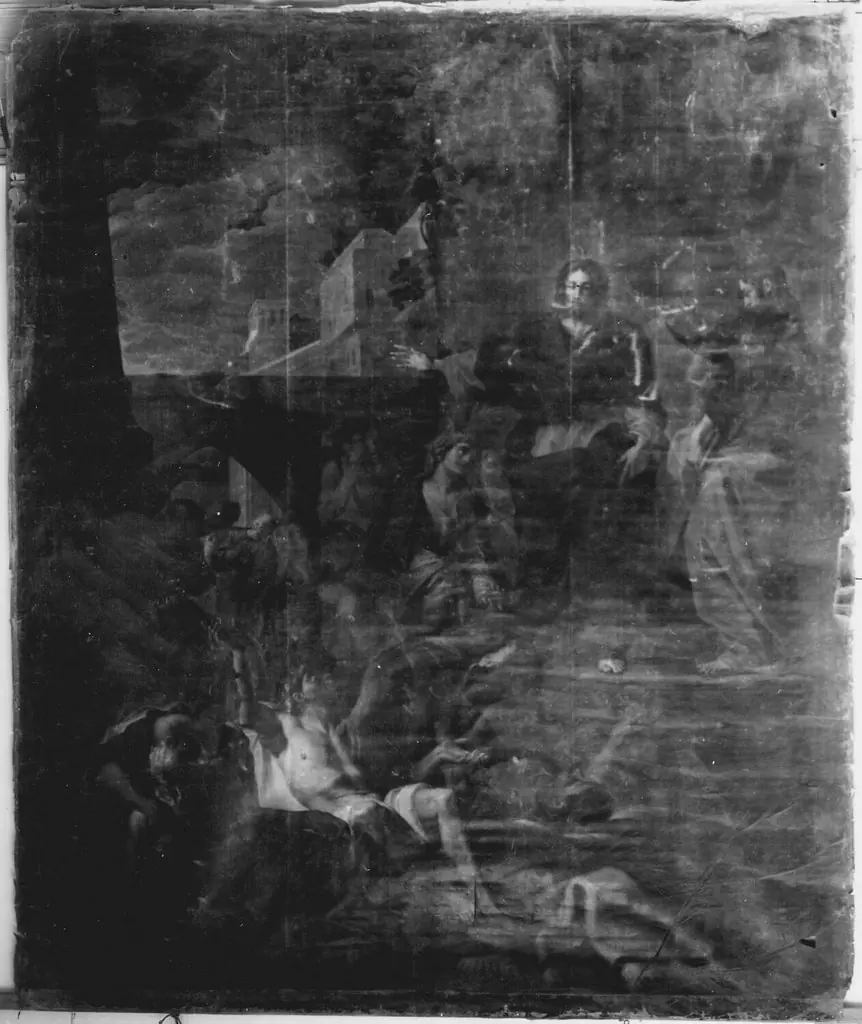 Le Christ guérissant les malades
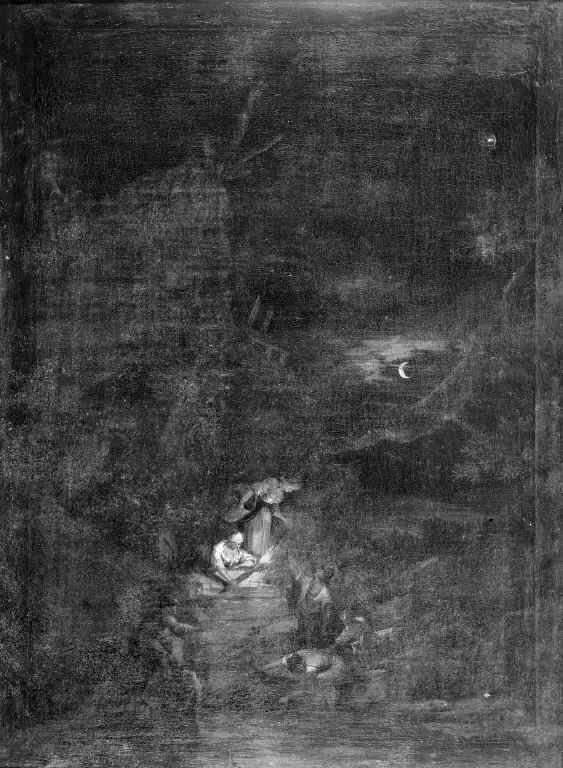 Moonlight
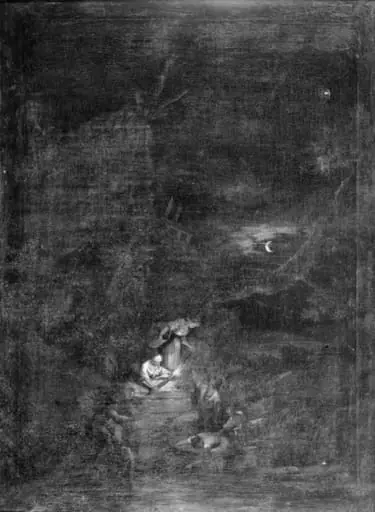 Moonlight
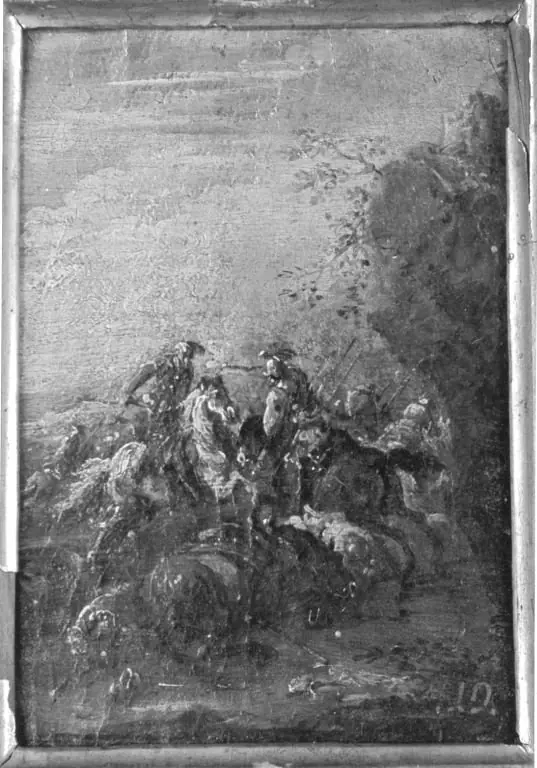 Schlachtenbild
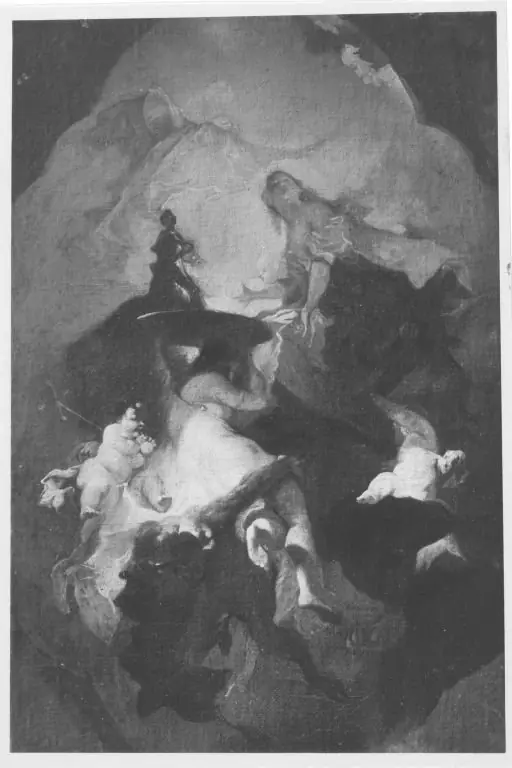 Allegorische Darstellung
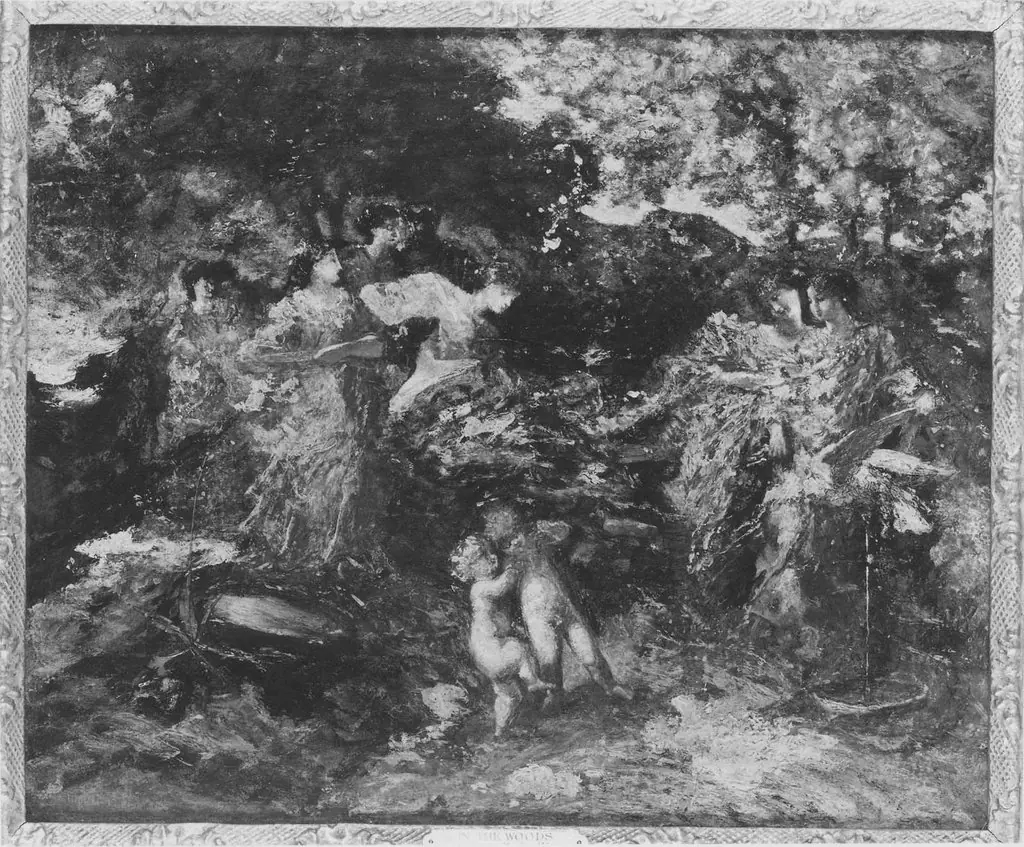 Women and Cherubs in a Glen
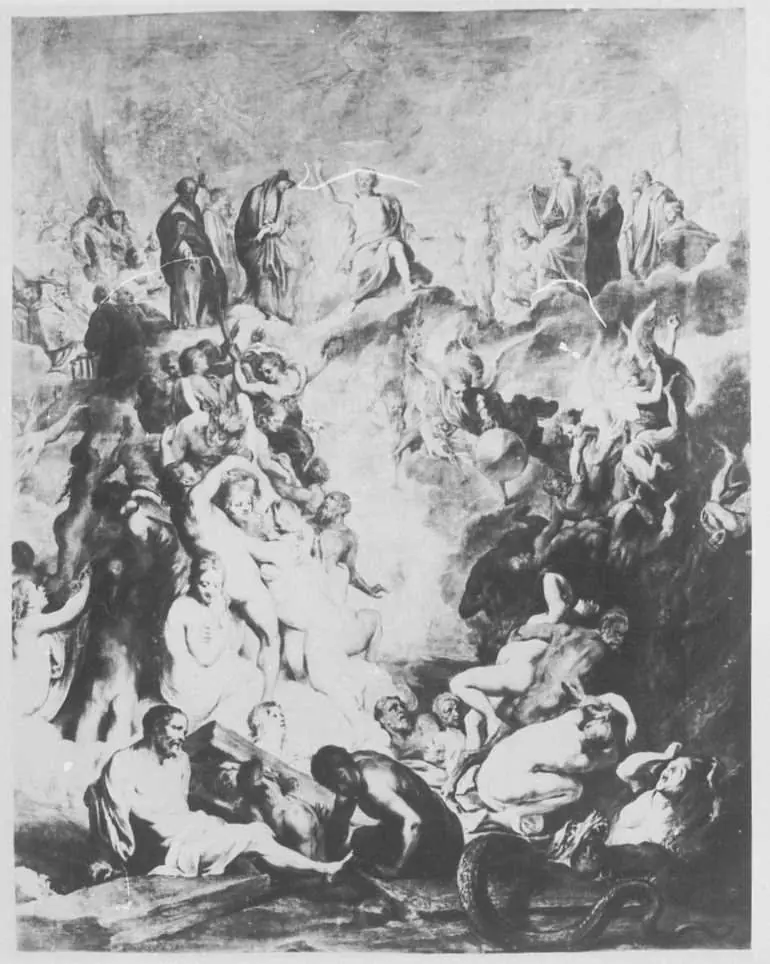 The Last Judgement, 1615-1616
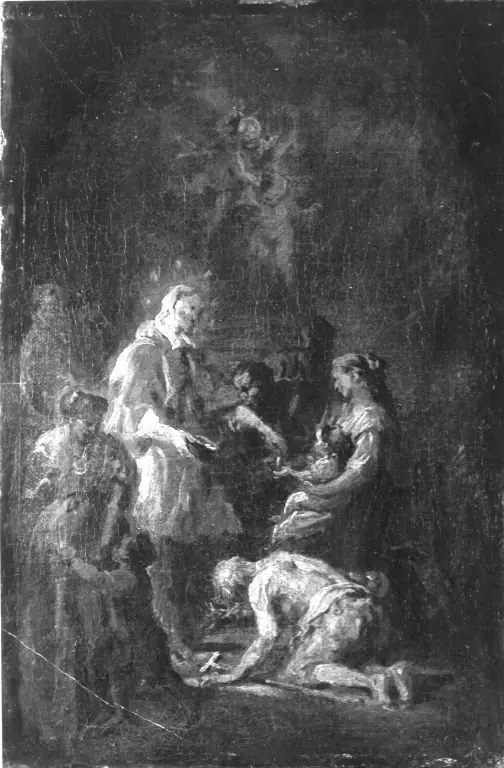 Der hl. Nepomuk Almosen spendend
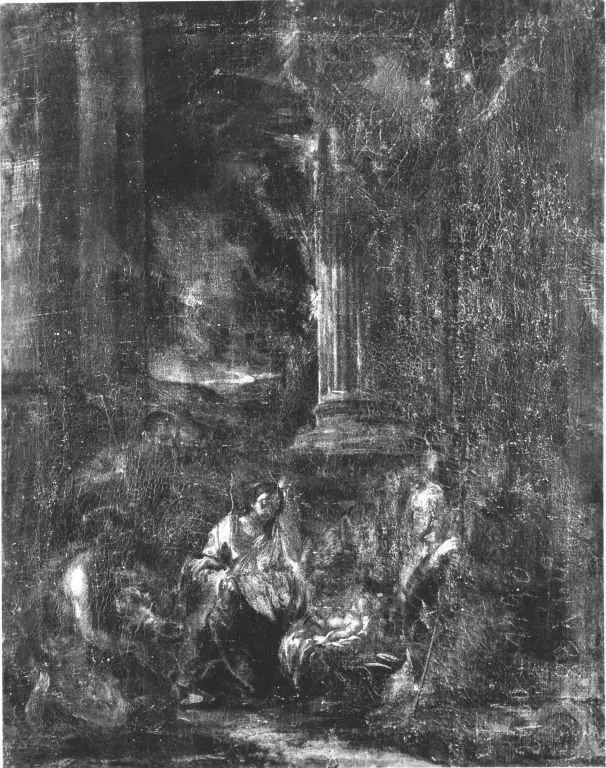 Geburt Christi
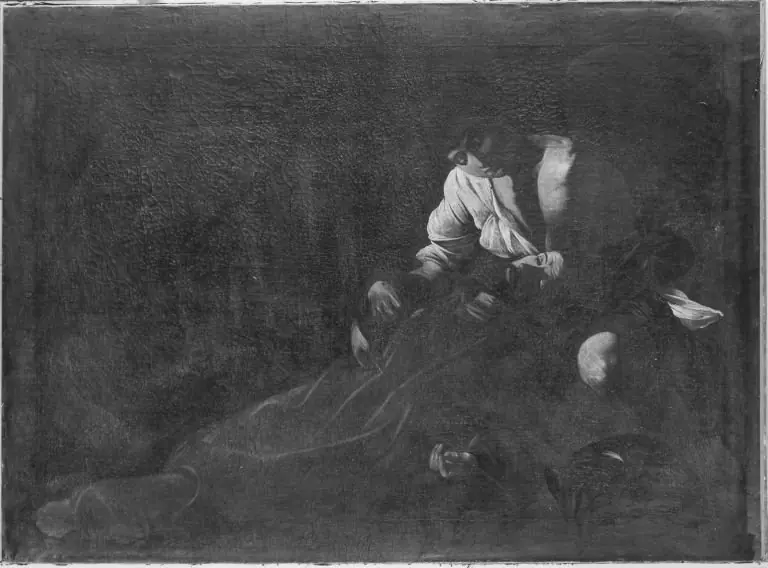 Tod des hl. Franziskus (Kopie nach)
 Allegorie auf das Beilager des Kurfürsten Johann Wilhelm
 Lustige Gesellschaft