Artwork
Self-portrait
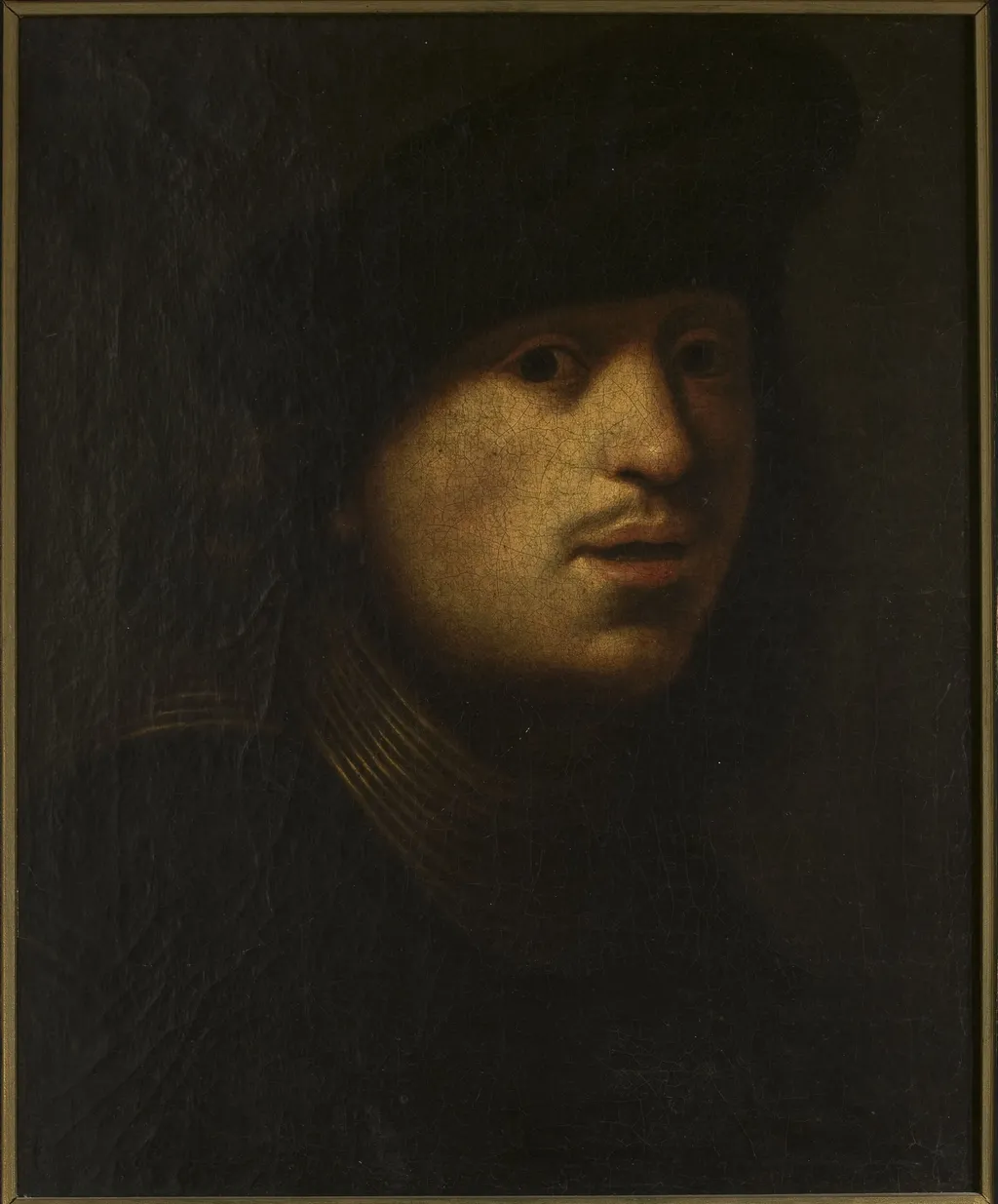
Self-portrait is an oil painting by the Dutch Golden Age artist Rembrandt. It dates from 1647 and is held in the collection of the National Museum in Warsaw.
About this work
Overview
Created circa 1647, this oil self‑portrait by Rembrandt van Rijn belongs to the later phase of his career. The work presents a close‑up view of the artist, whose dark hair and beard are rendered against a largely obscured background. The composition is dominated by a single light source that sculpts the face, emphasizing a calm yet serious expression.
Subject & Meaning
The painting depicts Rembrandt himself, offering a personal study rather than a formal portrait. The subdued demeanor and direct gaze suggest introspection, reflecting the artist’s preoccupation with age, experience, and the passage of time during his middle years.
Technique & Style
Rembrandt employs chiaroscuro, using a strong side light to generate deep shadows that isolate the facial features. The oil medium allows for smooth skin tones interspersed with fine fissures, creating a tactile surface that conveys both realism and the painter’s characteristic handling of light and texture.
History & Provenance
The canvas is part of the collection of the National Museum in Warsaw. It entered the museum’s holdings through acquisition in the 20th century, joining a broader group of Rembrandt works that illustrate his extensive practice of self‑portraiture, which includes roughly three hundred paintings and numerous drawings and etchings.
Artist & collection
Artist
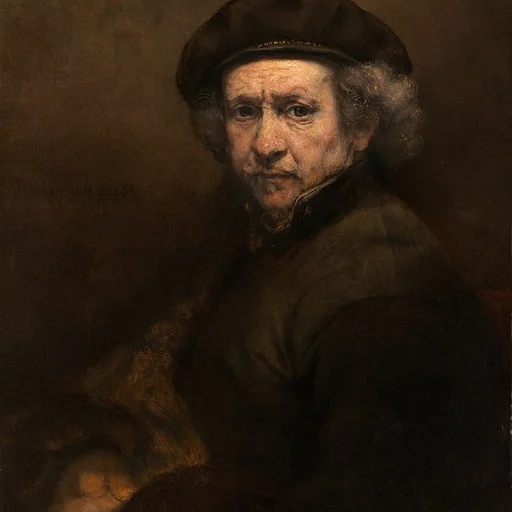
Rembrandt Harmenszoon van Rijn (15 July 1606 – 4 October 1669), known mononymously as Rembrandt, was a Dutch Golden Age painter, printmaker, and draughtsman.

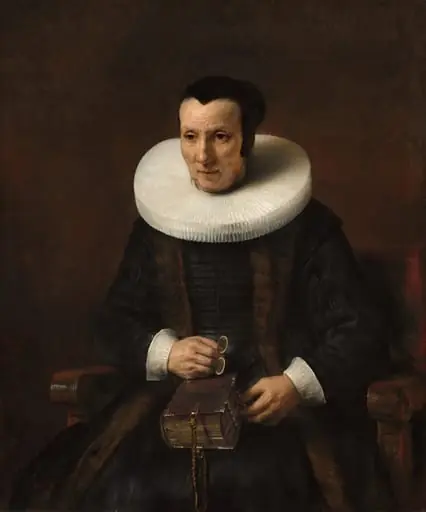
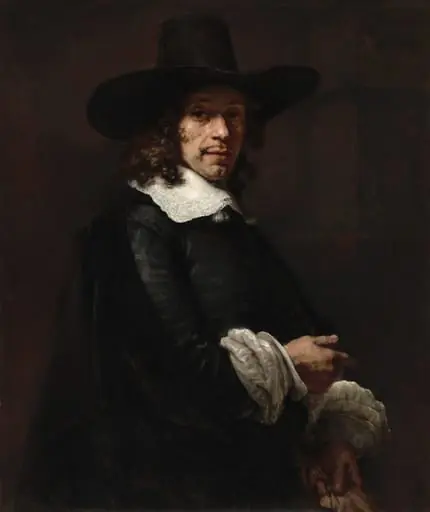
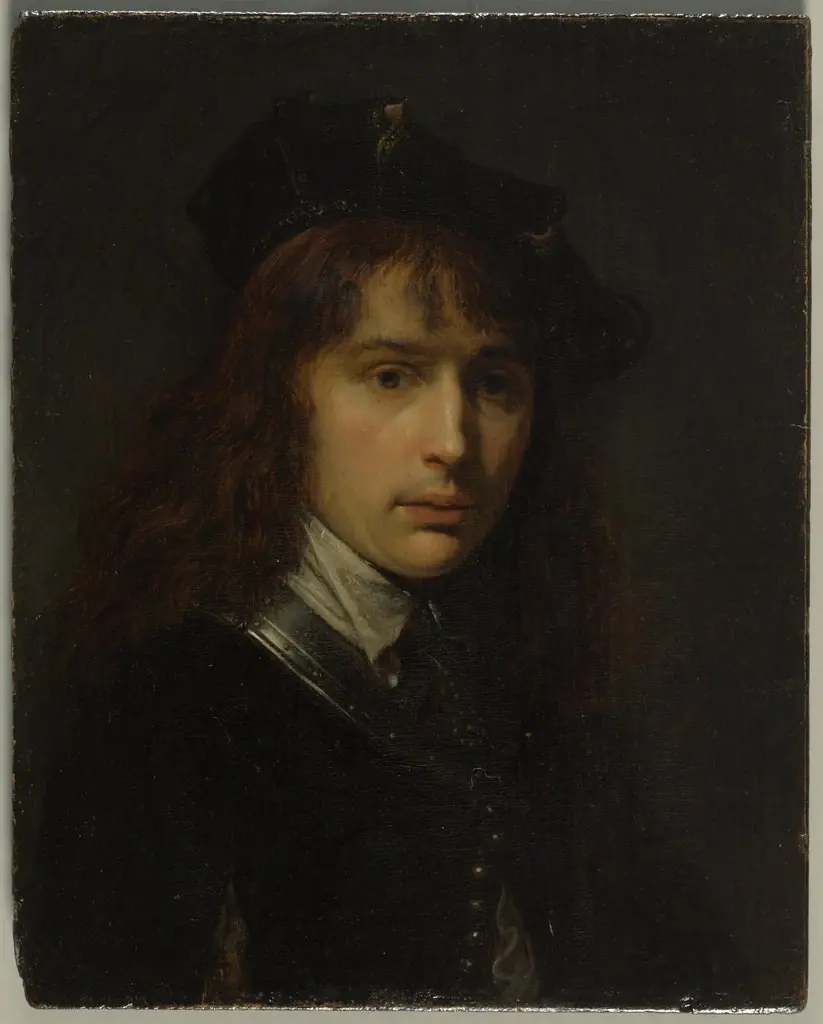 Self-Portrait
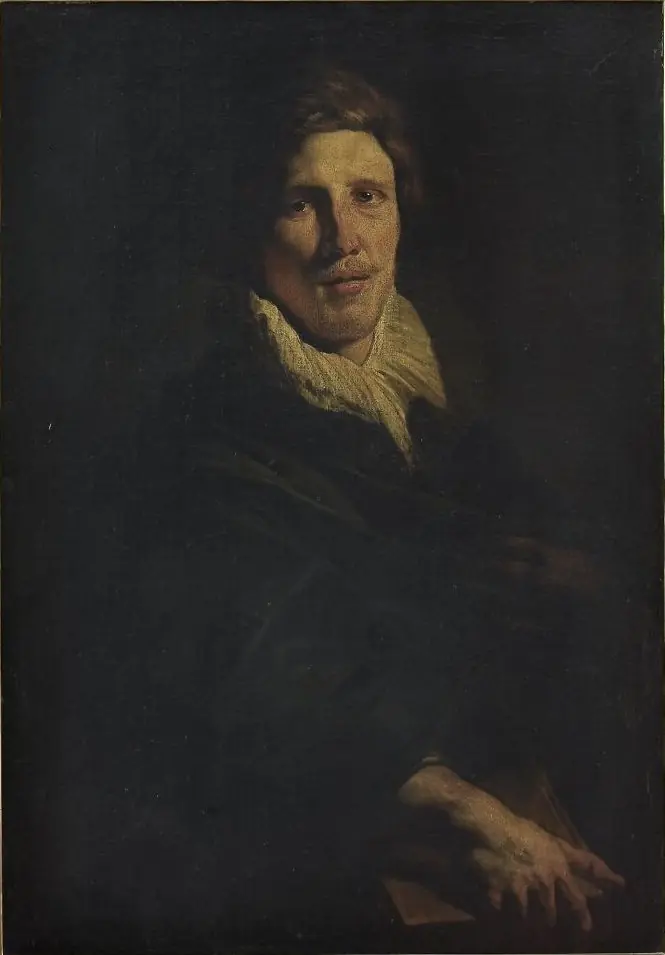 Portrait of a young gentleman, formerly believed to be a self-portrait
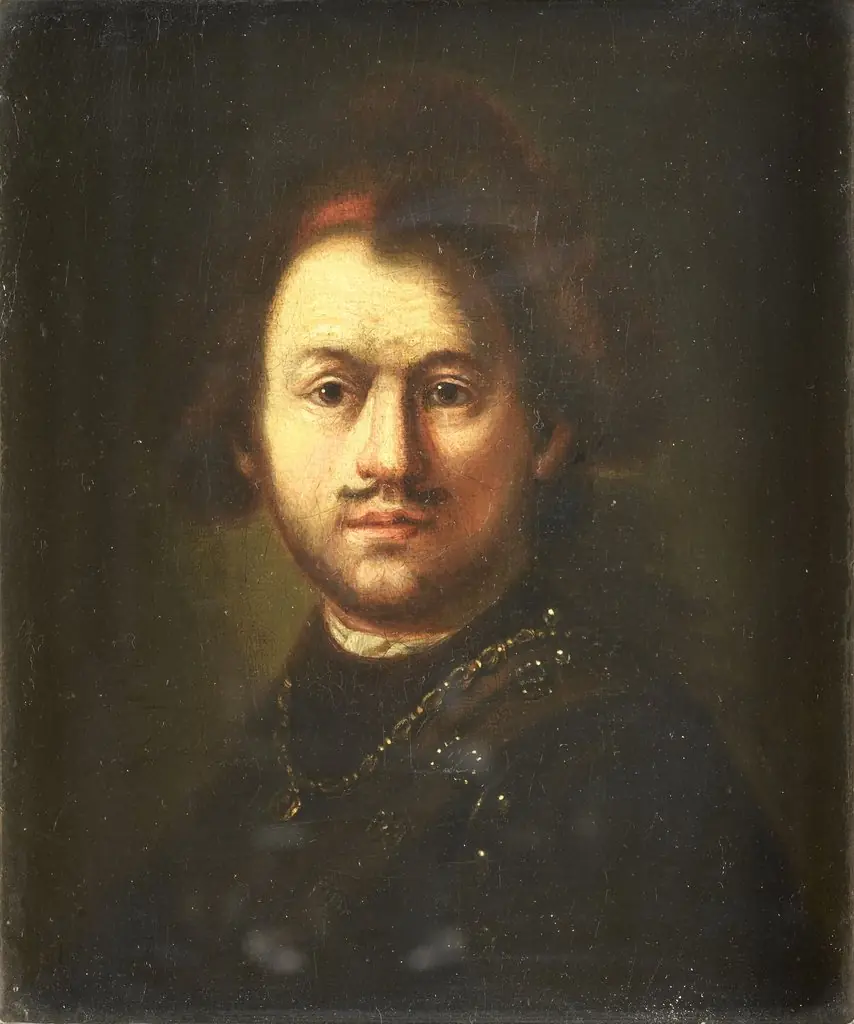 Portrait of Rembrandt
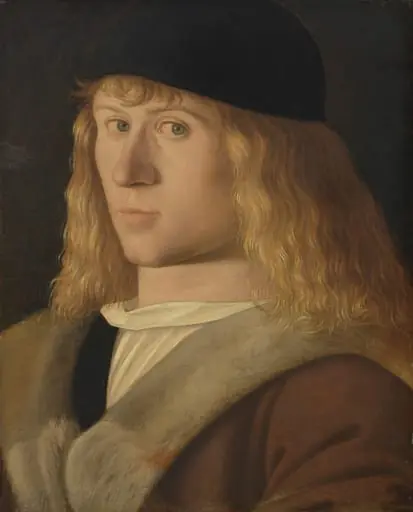 Portrait of a Young Man
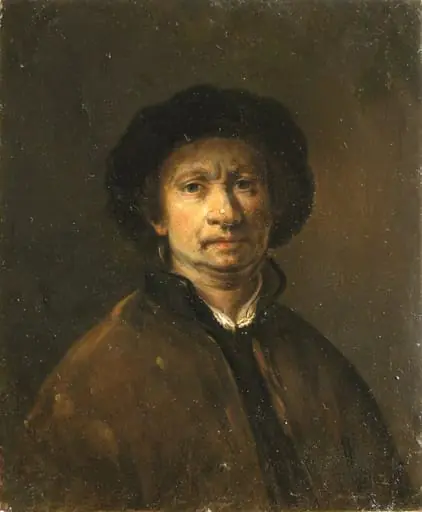 Autoportret
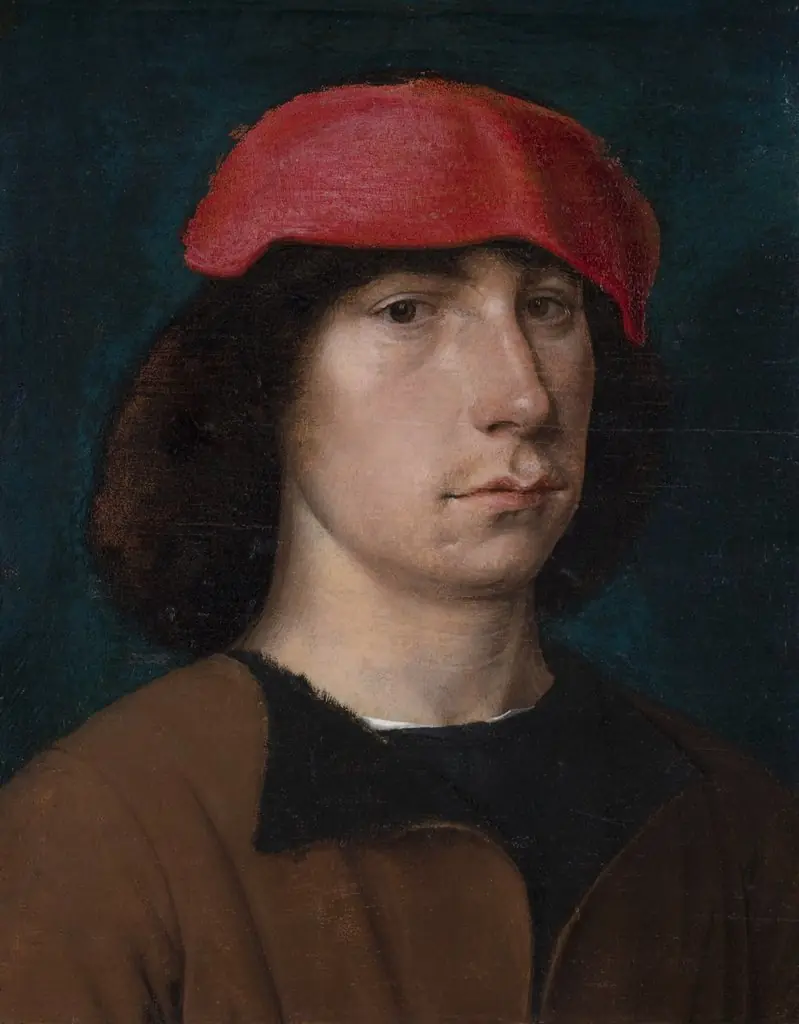 A Young Man in a Red Cap
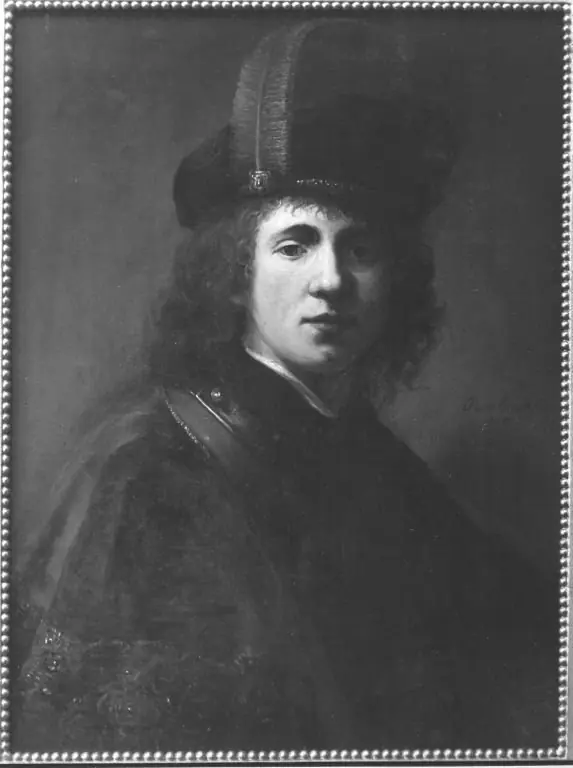 Ein junger Mann (Werkstatt)
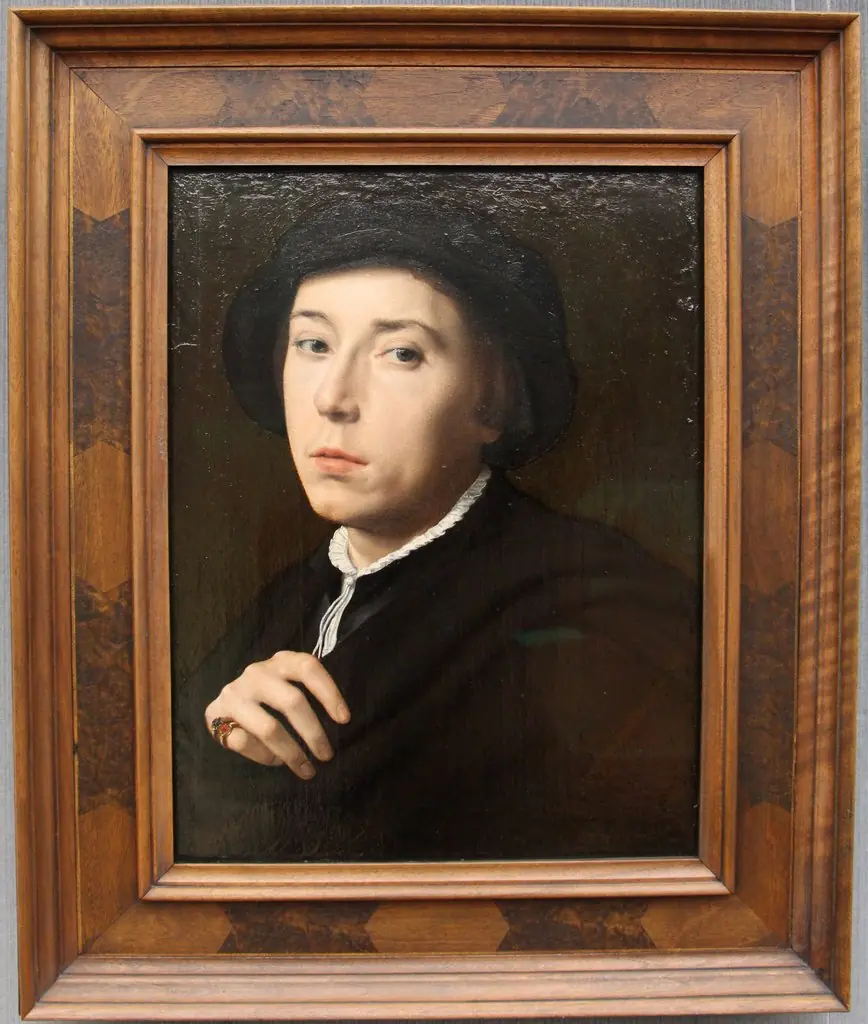 Portrait of a Man (self-portrait?)
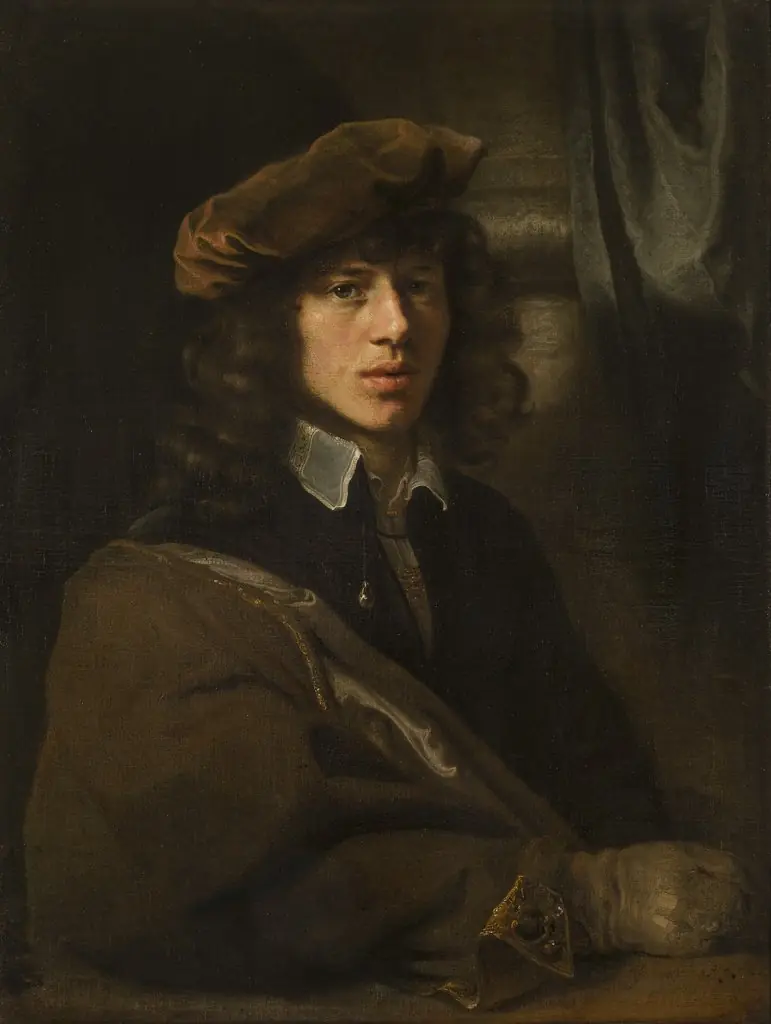 Portrait of Carel Fabritius
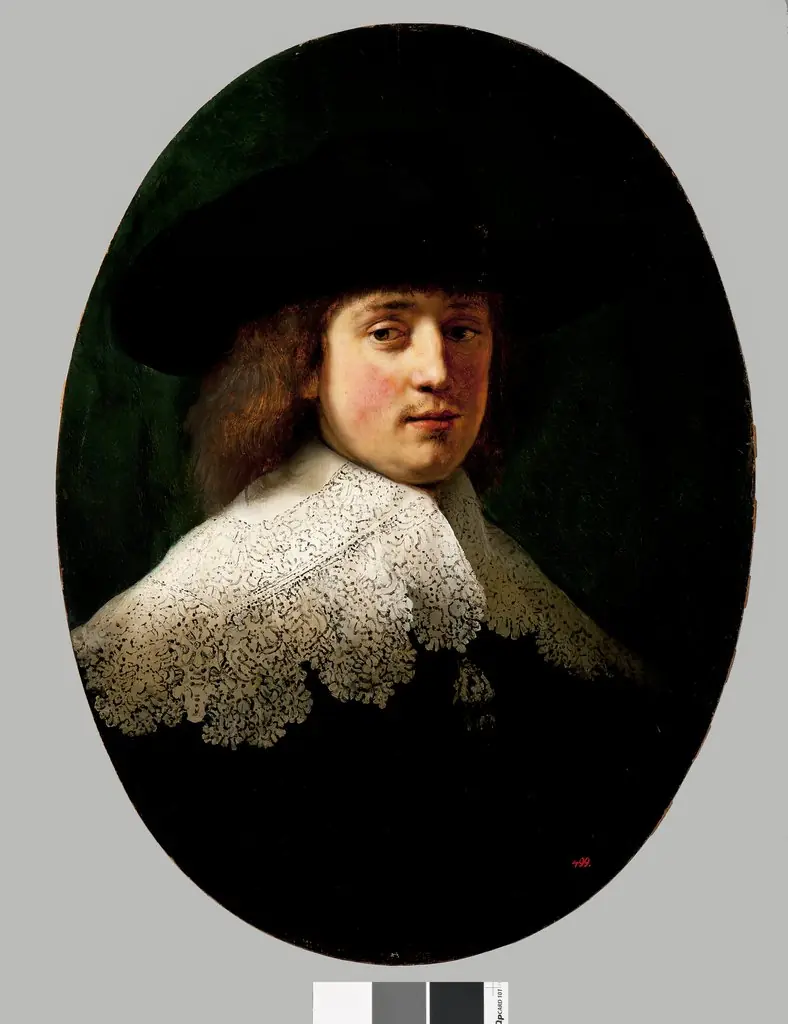 Portrait of Maerten Soolmans (1613–1641)
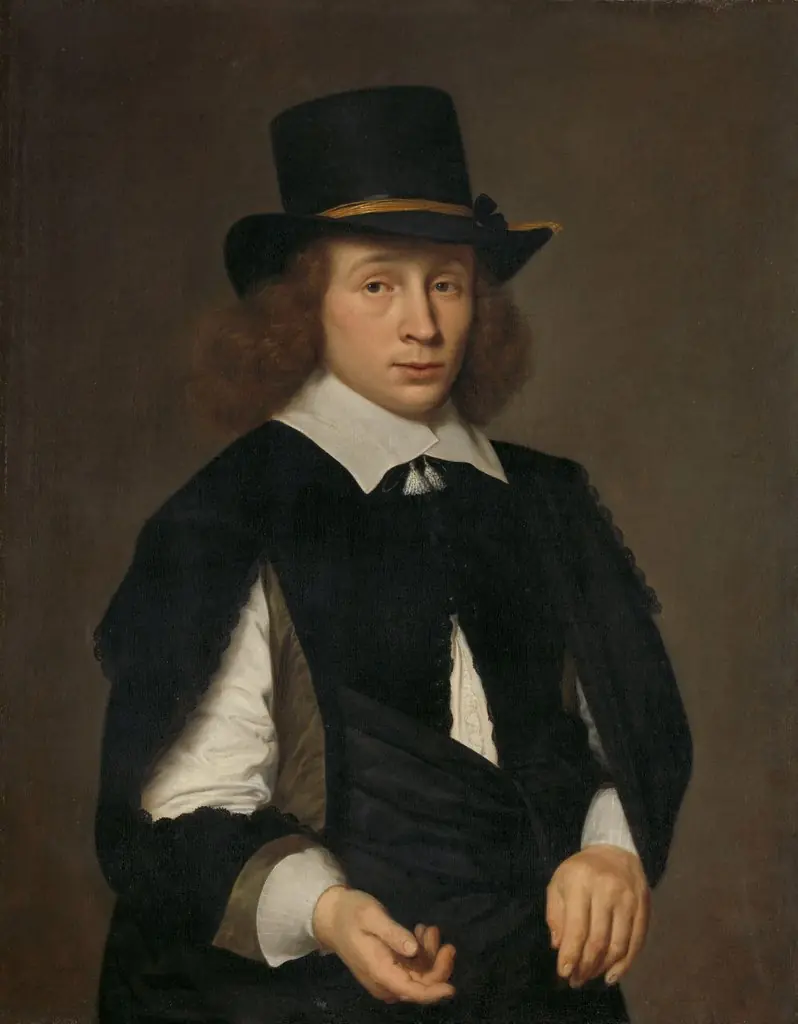 Dirck Hendrick Meulenaer
 Portrait of Dirck Hendrick Meulenaer (1620-in or after 1649 ?)