Artwork
Study Head
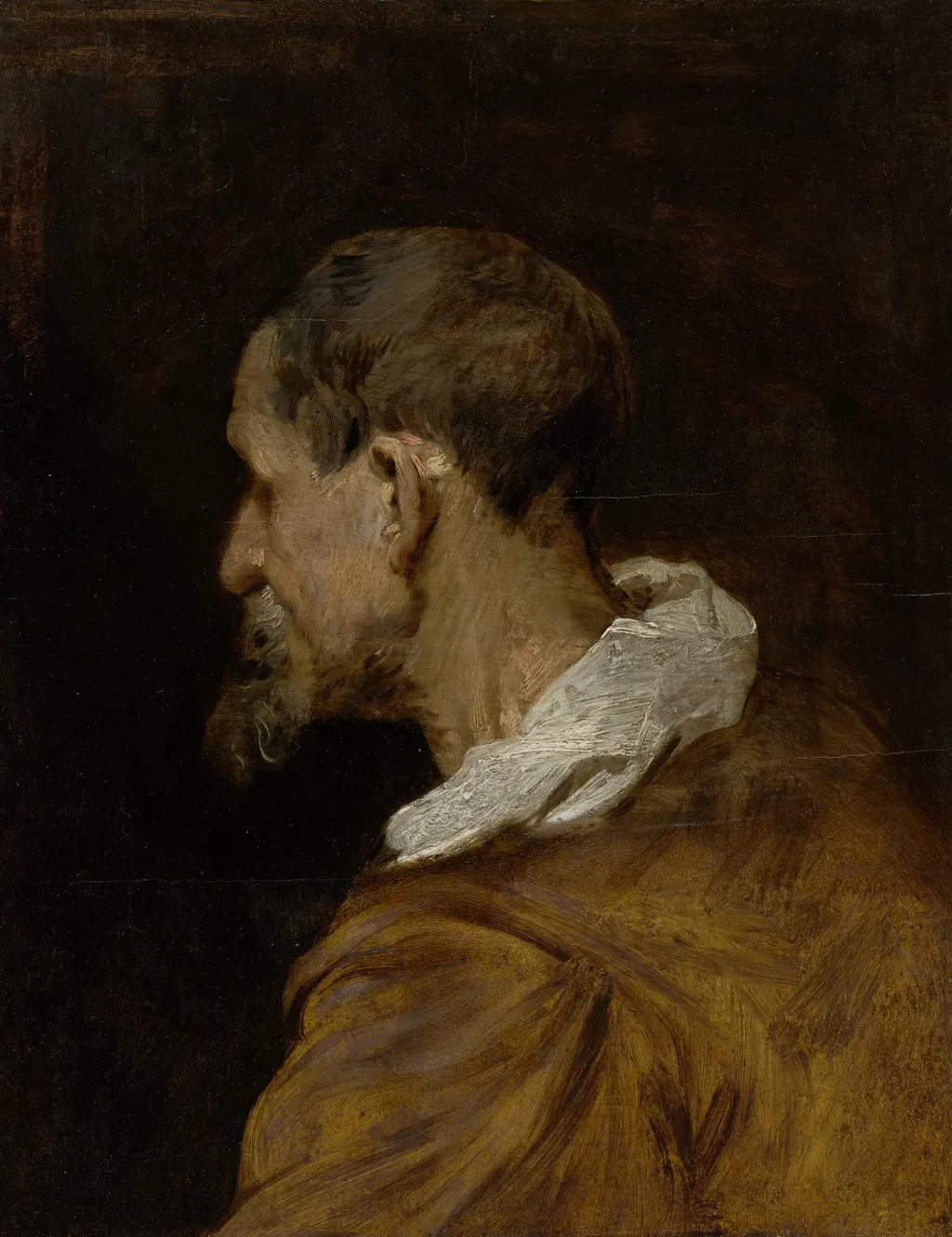
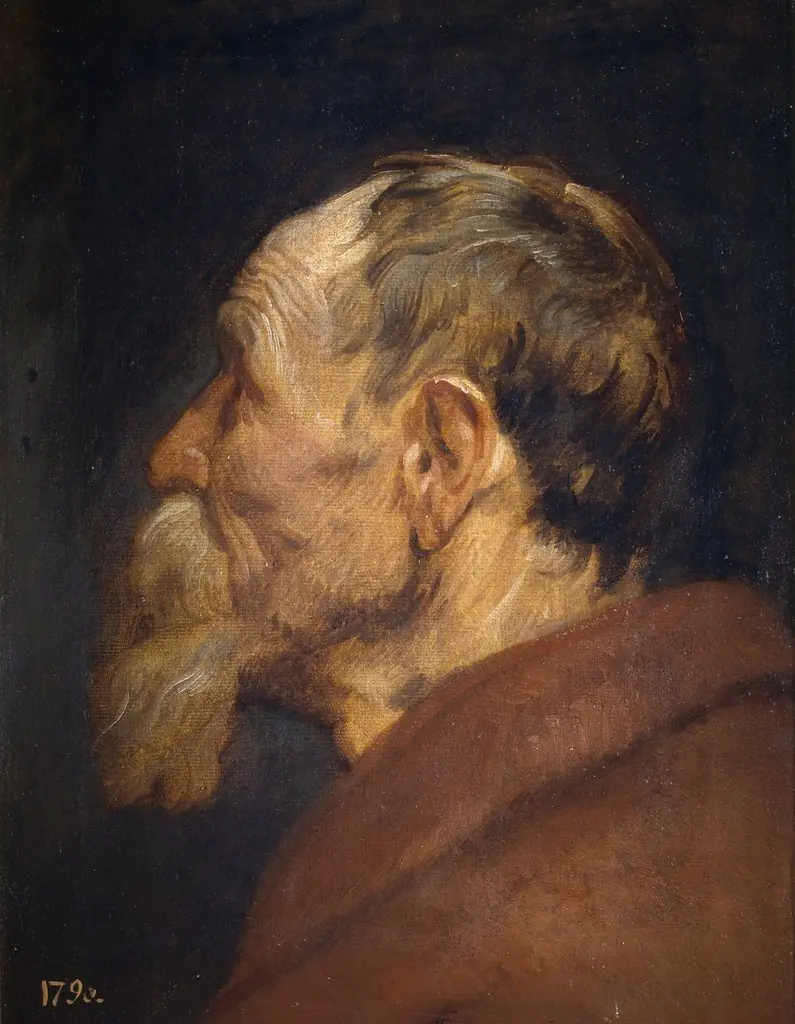
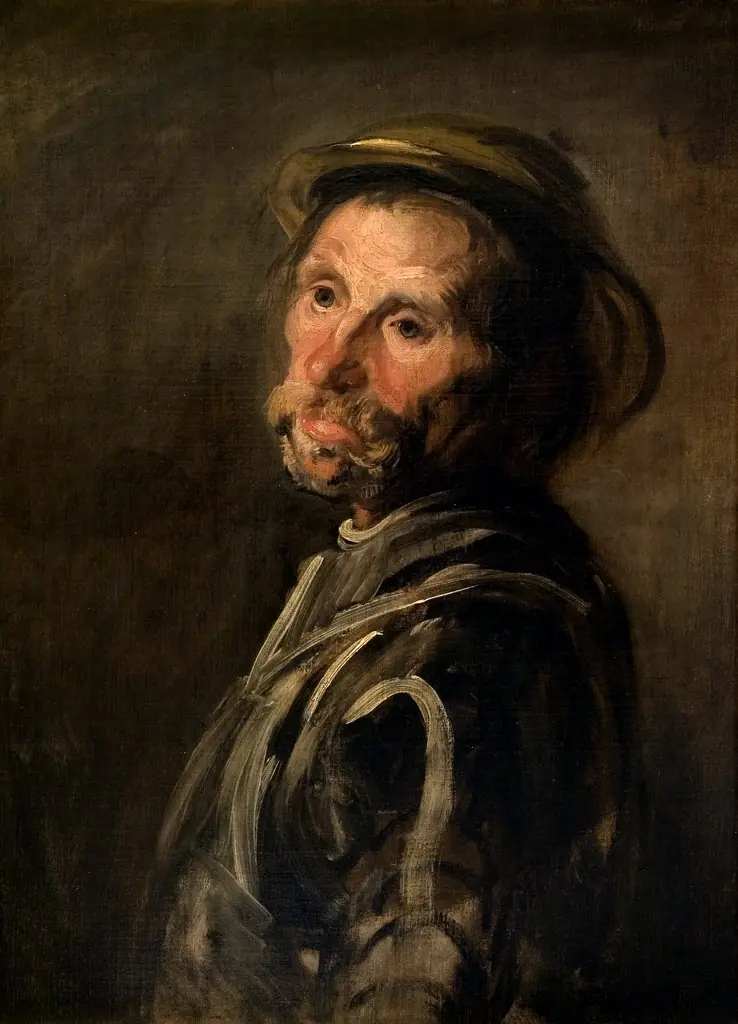
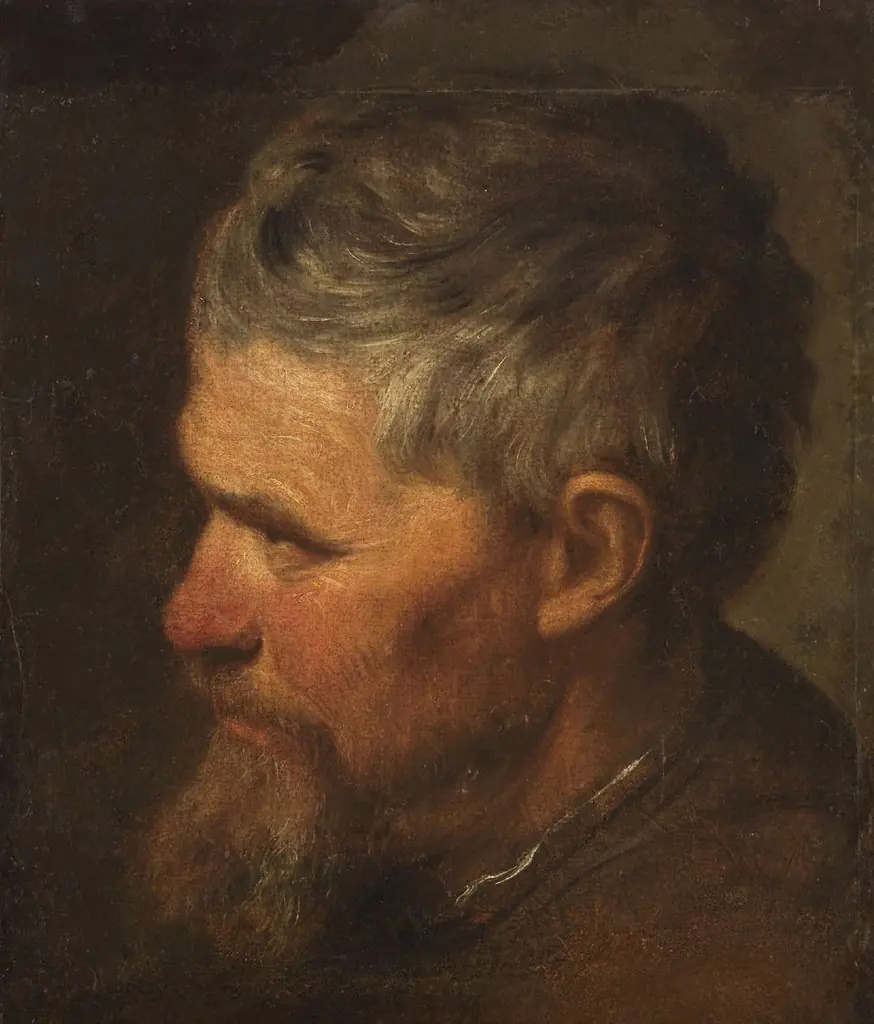
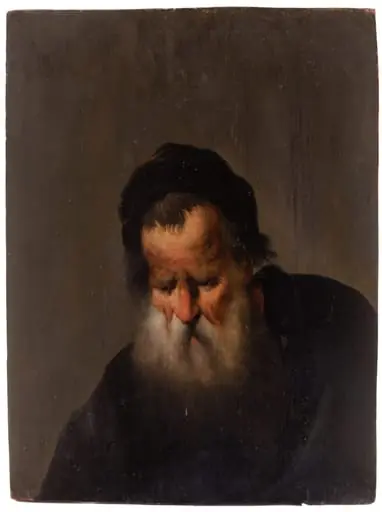
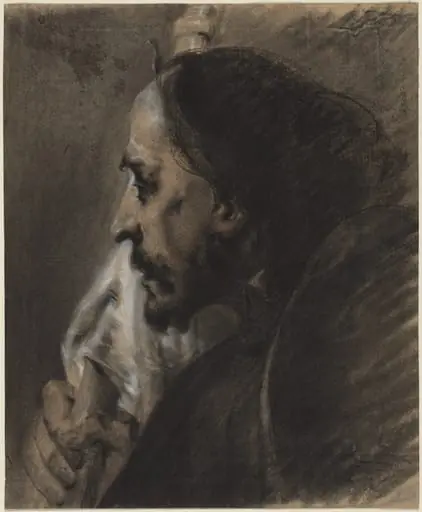
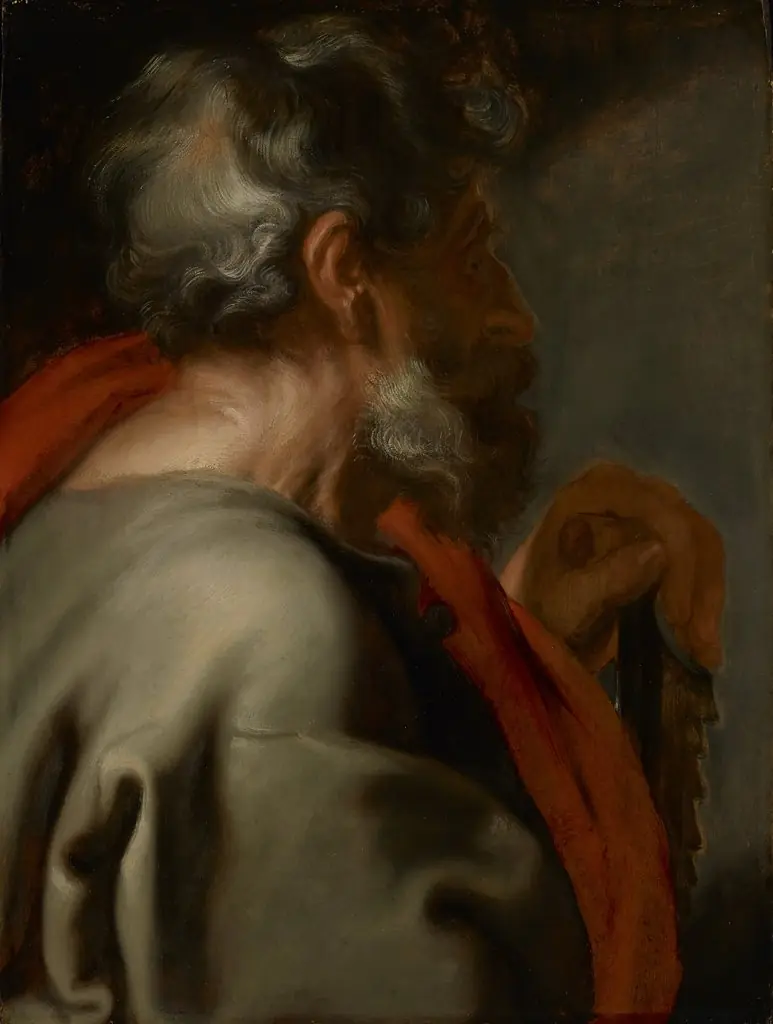
Study Head is an oil painting by the Flemish Baroque painting artist Anthony van Dyck. It dates from 1619 and is held in the collection of the Royal Museum of Fine Arts Antwerp.
About this work
Overview
Created in 1619, *Study Head* is an oil painting by the Flemish artist Anthony van Dyck. Executed during his early Antwerp period, the work exemplifies the Baroque sensibility that shaped his later career. It is part of the collection of the Royal Museum of Fine Arts in Antwerp, offering a glimpse of van Dyck’s formative portrait practice.
Subject & Meaning
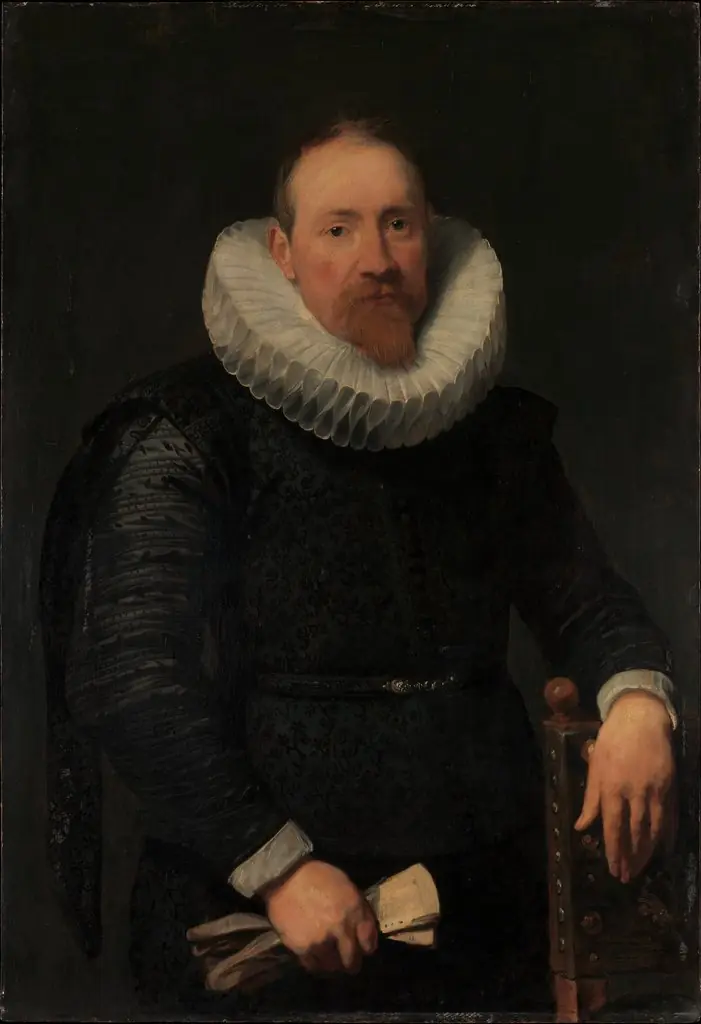
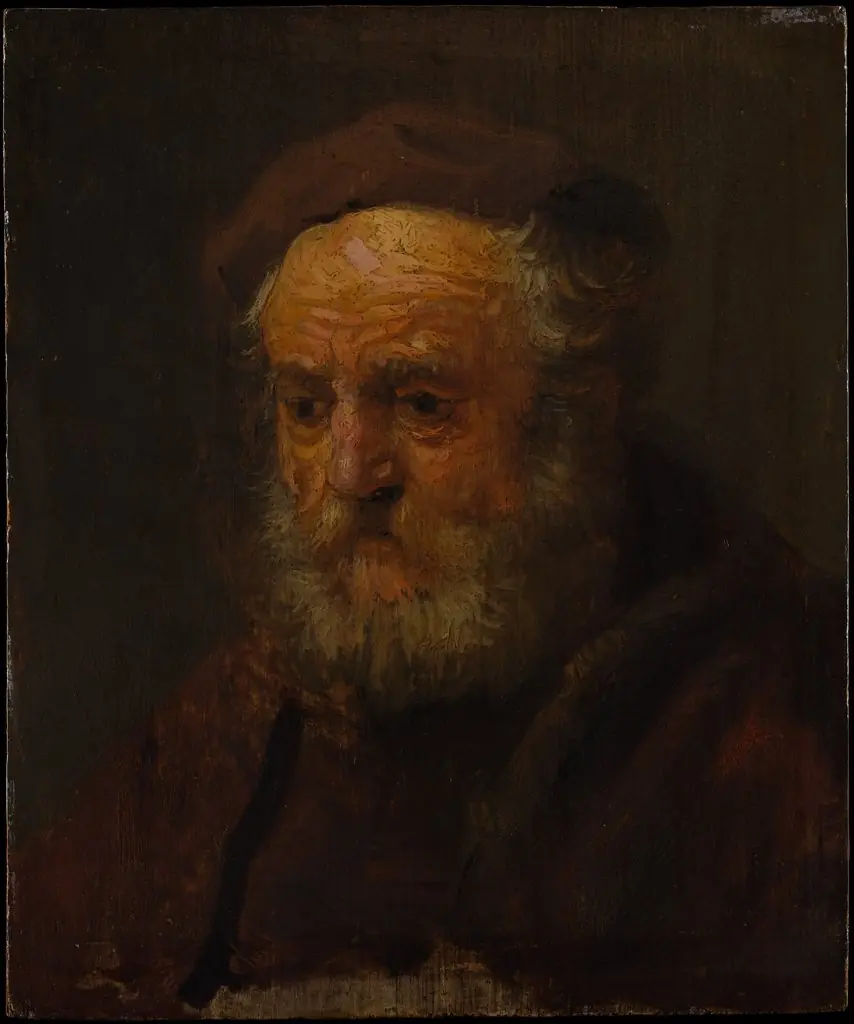
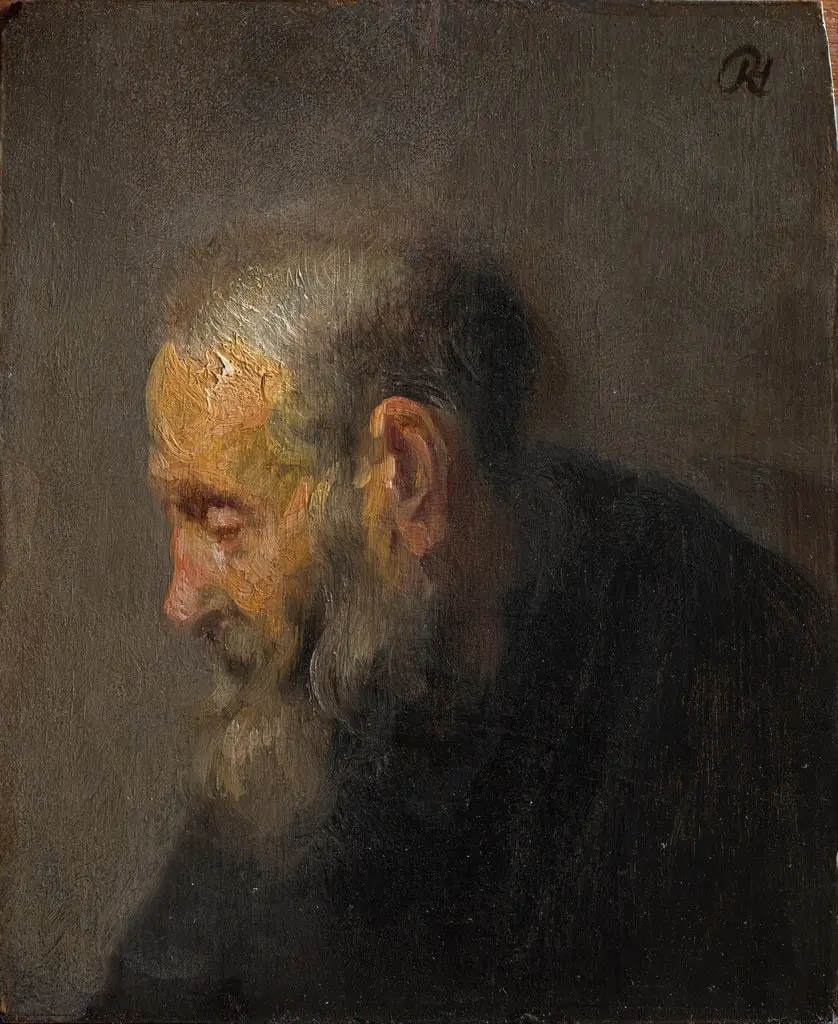
The canvas depicts a solitary male sitter rendered in profile, his dark hair and neatly trimmed beard framing a contemplative expression. He wears a white ruff collar beneath a modest brown jacket, and his gaze is directed downward, suggesting introspection or modesty. The subdued pose and lack of narrative elements focus attention on the individual's character rather than a specific story.
Technique & Style
A dark, almost tenebristic background isolates the figure, allowing subtle gradations of light to define the contours of the face and collar.
Van Dyck employs a realistic approach, using fine brushwork to model the sitter’s facial features and the texture of his clothing. A dark, almost tenebristic background isolates the figure, allowing subtle gradations of light to define the contours of the face and collar. The handling of oil paint demonstrates the artist’s early mastery of chiaroscuro and his capacity for delicate tonal modulation.
History & Provenance
After its completion, the painting remained in the artist’s workshop before entering the holdings of the Royal Museum of Fine Arts Antwerp, where it is catalogued as part of the museum’s Flemish Baroque collection. The work reflects van Dyck’s apprenticeship under Peter Paul Rubens and his early acceptance into the Guild of Saint Luke, marking his emergence as an independent master.
Context
*Study Head* belongs to the broader Flemish Baroque movement, characterized by dynamic composition, rich coloration, and dramatic lighting. Produced at a time when van Dyck was absorbing Rubens’ influence, the portrait anticipates his later specialization in court portraiture. The piece also illustrates the period’s interest in individual likenesses, aligning with contemporary trends in Northern European portraiture that emphasized psychological depth.
Own this work as a print
Artist & collection
Artist
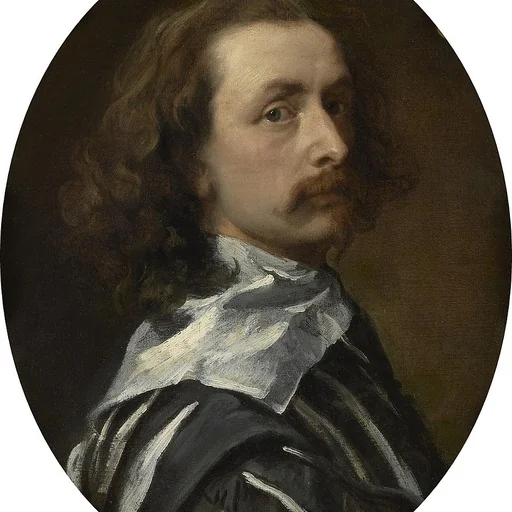
Sir Anthony van Dyck (; Dutch: Antoon van Dijck ; 22 March 1599 – 9 December 1641) was a Flemish Baroque artist, who became the leading court painter in England after success in the Spanish Netherlands and Italy.