Artwork
The Parable of the Rich Fool
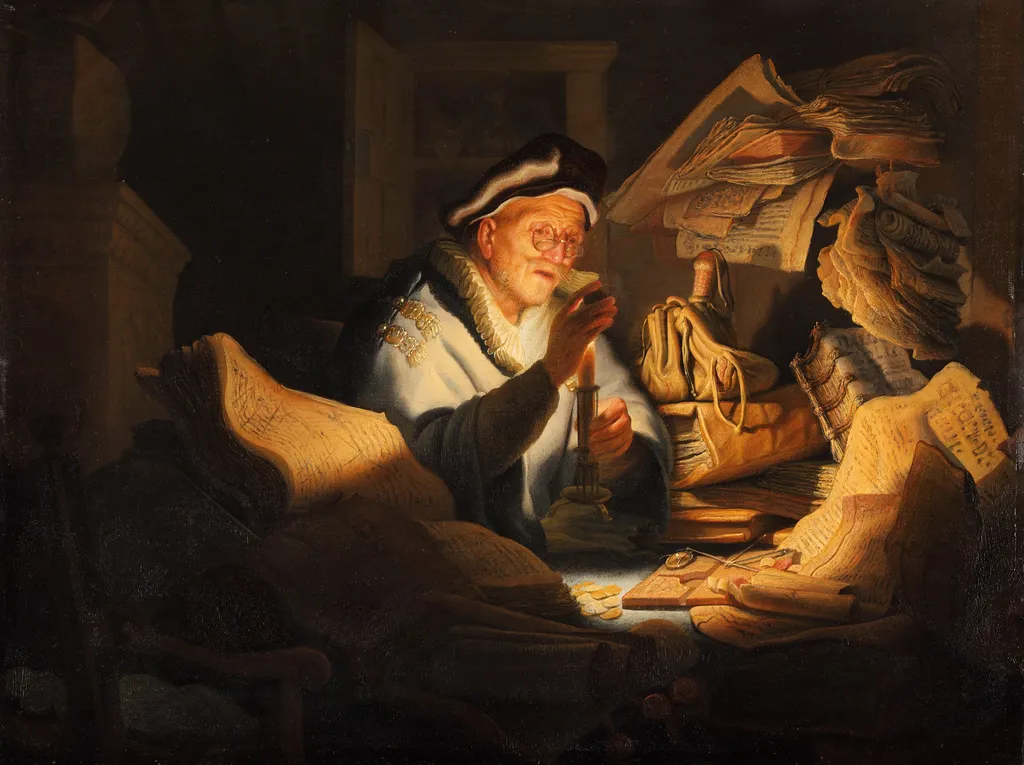
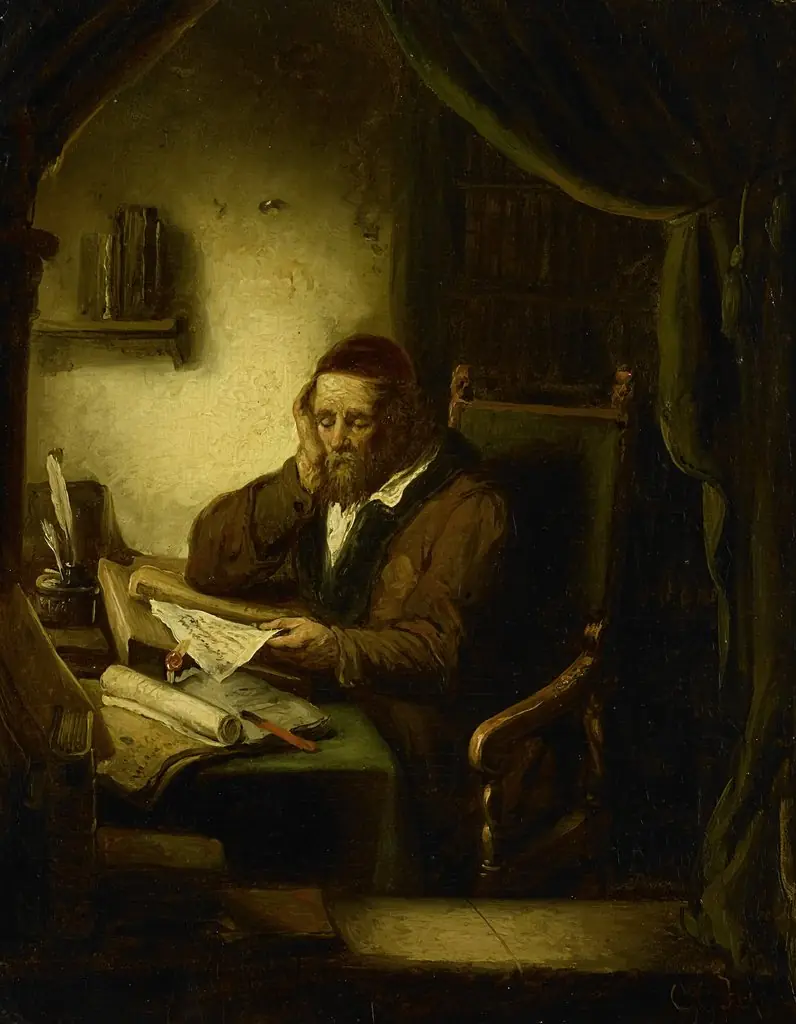
The Parable of the Rich Fool is an oil painting by the Dutch Golden Age artist Rembrandt. It dates from 1627 and is held in the collection of the Gemäldegalerie Berlin.
About this work
Overview
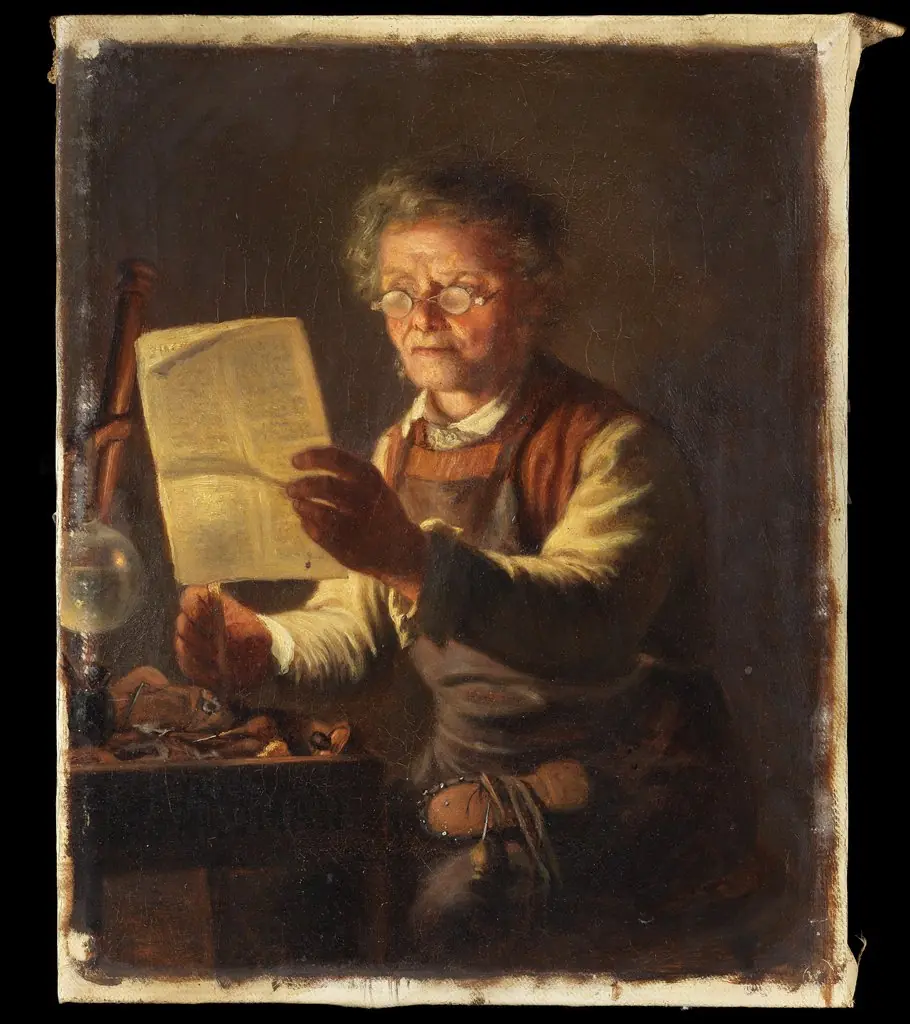
Rembrandt’s 1627 oil on canvas, titled The Parable of the Rich Fool, is held in the Gemäldegalerie in Berlin. Executed while the artist was still in his formative years, the work presents a single figure interpreting the biblical story of a man who hoards wealth. The painting’s modest size and restrained composition reflect the early stage of Rembrandt’s mature style.
Subject & Meaning
The composition visualises the New Testament parable in which a wealthy man, warned of his impending death, plans to store his surplus grain. By focusing on the solitary figure, the painting emphasizes the internal tension between material greed and moral reckoning, inviting viewers to contemplate the fleeting nature of earthly riches.
Technique & Style
Rendered in oil on canvas, the piece employs the subtle layering characteristic of early Dutch glazing, allowing light to penetrate successive translucent tones. This method creates a soft modelling of flesh and fabric, while the restrained palette and chiaroscuro lend the figure a contemplative presence without overt dramatization.
History & Provenance
Created during Rembrandt’s apprenticeship period, the work entered the Berlin Gemäldegalerie’s collection in the early 20th century. Contemporary accounts suggest that the sitter was modeled after Rembrandt’s own father, a personal detail that adds a familial dimension to the otherwise moral narrative.
Own this work as a print
Artist & collection
Artist
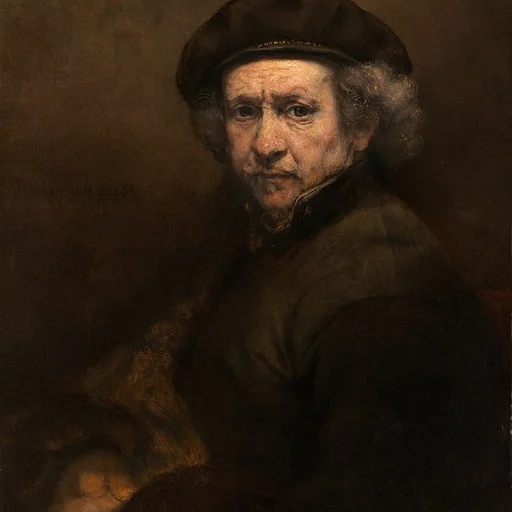
Rembrandt Harmenszoon van Rijn (15 July 1606 – 4 October 1669), known mononymously as Rembrandt, was a Dutch Golden Age painter, printmaker, and draughtsman.