Artwork
Tobit and Anna with the Kid
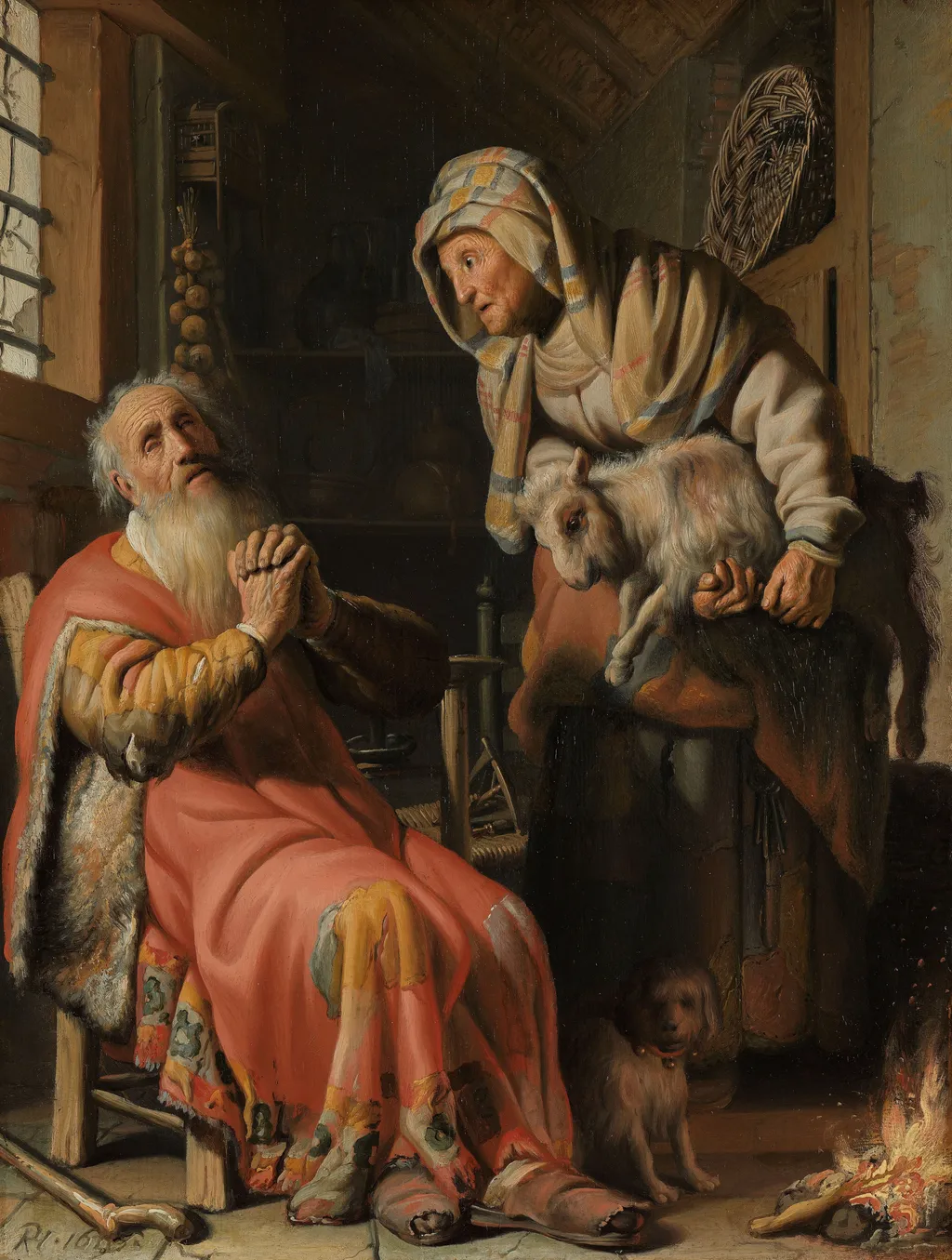
Tobit and Anna with the Kid is an oil painting by the Dutch Golden Age artist Rembrandt. It dates from 1626 and is held in the collection of the Rijksmuseum.
About this work
This painting shows an old couple in a quiet scene. Tobit and his wife Anna face each other with serious looks. It’s an early oil work by Rembrandt, signed and dated 1626.
The story comes from the Book of Tobit. Tobit is blind and upset with Anna over a missing goat. This small drama gives the painting its quiet tension.
Check out Rembrandt next.
Overview
Rembrandt’s early oil on canvas, dated and signed 1626, portrays an elderly couple in a modest interior. The work, now part of the Rijksmuseum’s collection in Amsterdam, captures a moment of domestic dispute with restrained composition and muted lighting, characteristic of the artist’s formative period.
Subject & Meaning
The scene derives from the biblical Book of Tobit, where the blind Tobit confronts his wife Anna over the disappearance of a goat. The painting isolates this brief exchange, emphasizing the tension between accusation and helplessness, and reflecting themes of trust, loss, and moral testing within a household.
Technique & Style
Executed in oil, the piece demonstrates Rembrandt’s early handling of chiaroscuro, using subtle gradations of light to model the figures’ faces and hands. The palette is restrained, dominated by earth tones, while the brushwork remains relatively tight, revealing the artist’s developing skill in rendering texture and atmosphere.
History & Provenance
Signed by Rembrandt and dated 1626, the canvas entered the Rijksmuseum’s holdings in the early twentieth century, where it has remained on public display. Documentation traces its ownership through several Dutch collections before its acquisition by the national museum, confirming its attribution to the master’s early oeuvre.
Context
Created during Rembrandt’s Leiden period, the work reflects the Dutch Golden Age’s interest in biblical narratives rendered with everyday realism. The intimate domestic setting aligns with contemporary genre painting, while the moral undertone mirrors the period’s Protestant emphasis on personal piety and ethical conduct.
Own this work as a print
Artist & collection
Artist
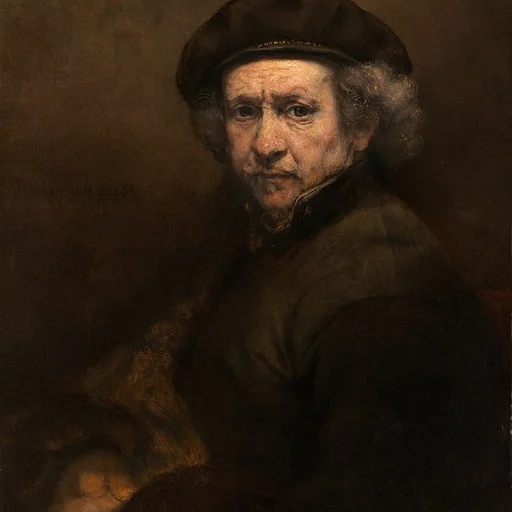
Rembrandt Harmenszoon van Rijn (15 July 1606 – 4 October 1669), known mononymously as Rembrandt, was a Dutch Golden Age painter, printmaker, and draughtsman.