Artwork
Christ Preaching (The Hundred Guilder Print)
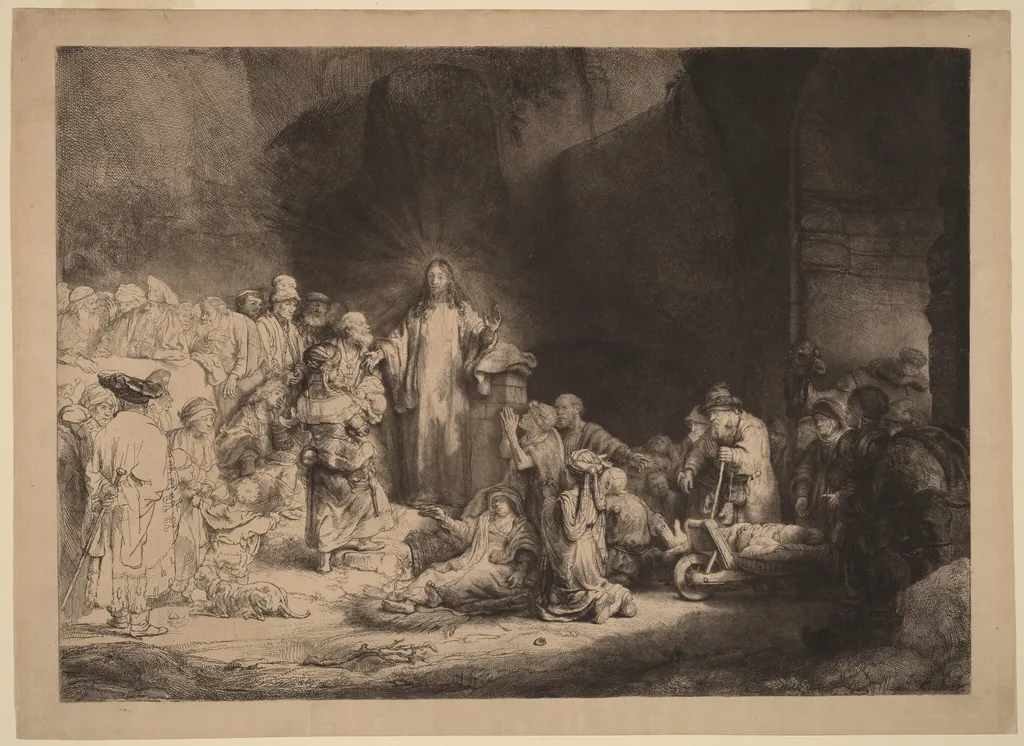
Christ Preaching (The Hundred Guilder Print) is an ink print by the Baroque artist Rembrandt. It dates from 1649 and is held in the collection of the National Gallery of Art.
About this work
Overview
Created around 1649, Christ Preaching, often called The Hundred Guilder Print, is a complex etching by Rembrandt van Rijn. Executed in etching, drypoint, and burin on Japan paper, it depicts a moment of spiritual encounter in a modest, shadowed setting. The work is notable for its layered technique and emotional depth, distinguishing it among Rembrandt’s printmaking achievements.
Subject & Meaning
The scene captures Christ addressing a diverse gathering of the sick, the poor, and the curious, drawn from the Gospel of Matthew.
The scene captures Christ addressing a diverse gathering of the sick, the poor, and the curious, drawn from the Gospel of Matthew. His calm presence, illuminated by an inner light, contrasts with the varied reactions of the crowd—some kneel in reverence, others observe with quiet contemplation or skepticism. The composition suggests a moment of quiet revelation, emphasizing compassion over spectacle.
Technique & Style
Rembrandt employed multiple printmaking methods to achieve rich tonal variation. Etching provided fine lines, drypoint added soft, velvety blacks, and burin introduced sharp, controlled details. The interplay of deep shadows and delicate highlights creates a sense of volume and atmosphere, with light seeming to emanate from Christ himself, guiding the viewer’s focus through the scene.
History & Provenance
The print earned its nickname in the 17th century due to its high price among collectors, reflecting its rarity and technical ambition. Few early impressions survive, and those that do are held in major museum collections. Its reputation for complexity and emotional power ensured its preservation despite the perishable nature of printed works.
Context
Made during Rembrandt’s mature period in Amsterdam, the print reflects his deep engagement with biblical narratives and human psychology. While the Dutch Republic’s Protestant culture discouraged overt religious imagery, Rembrandt found space to explore spiritual themes through intimate, human-centered scenes, avoiding dogma in favor of emotional resonance.
Legacy
The Hundred Guilder Print became a benchmark for etching as a serious artistic medium. Later artists studied its tonal control and psychological nuance, and it influenced generations of printmakers. Its enduring value lies not in grandeur, but in its quiet, unflinching portrayal of human vulnerability before the sacred.
Artist & collection
Artist
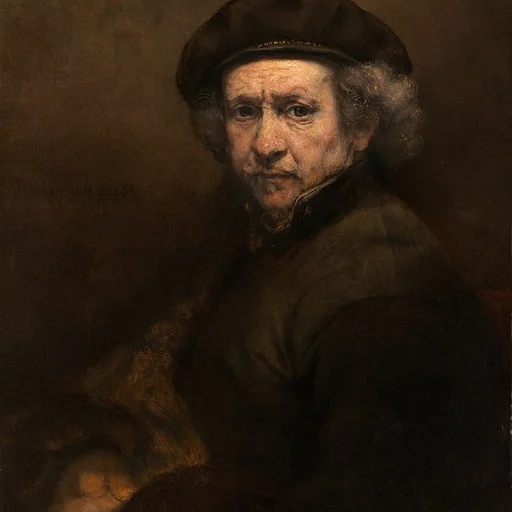
Rembrandt Harmenszoon van Rijn (15 July 1606 – 4 October 1669), known mononymously as Rembrandt, was a Dutch Golden Age painter, printmaker, and draughtsman.

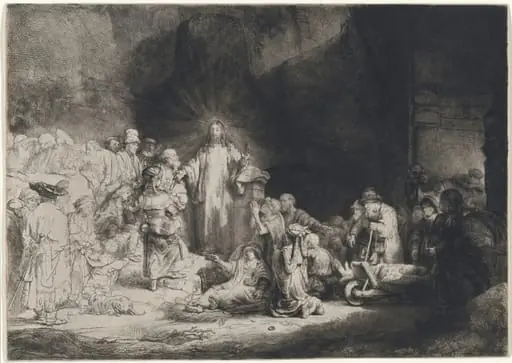 Christ Preaching (The Hundred Guilder Print)
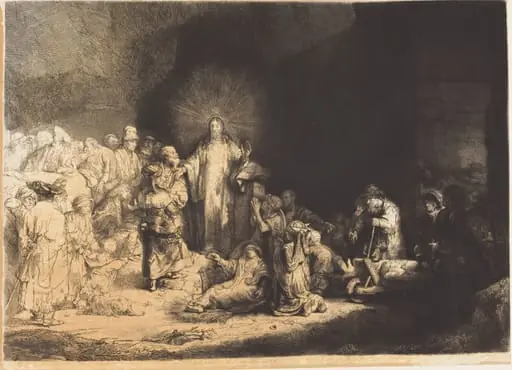 Christ Preaching (The Hundred Guilder Print)
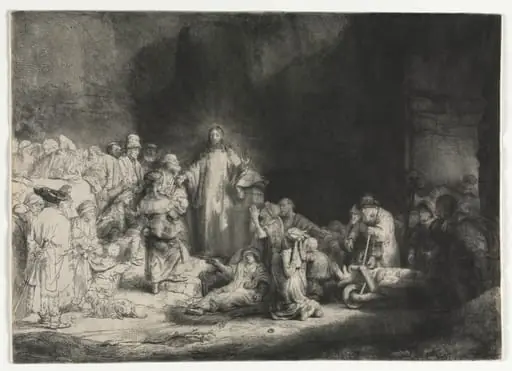 The Hundred Guilder Print
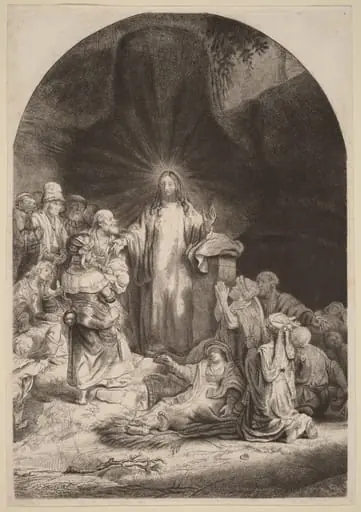 Christ Preaching and Healing (Fragment from the Hundred Guilder Print)
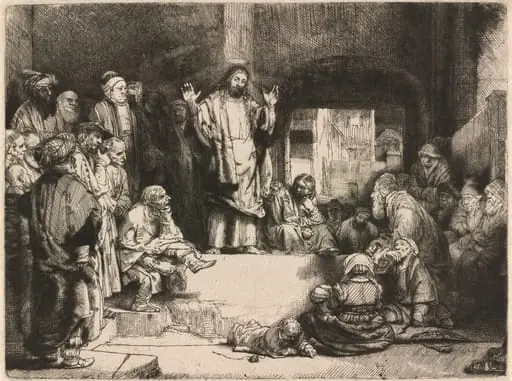 Christ Preaching (La petite Tombe)
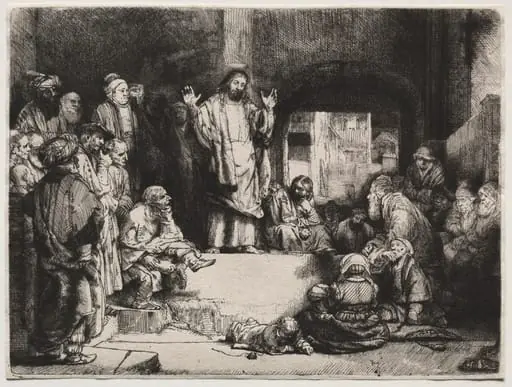 Christ Preaching ('La Petite Tombe')
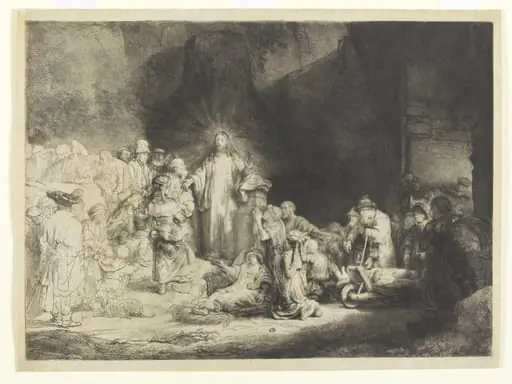 Christ healing the sick: 'The hundred guilder print'