Artwork
Christ Preaching ('La Petite Tombe')
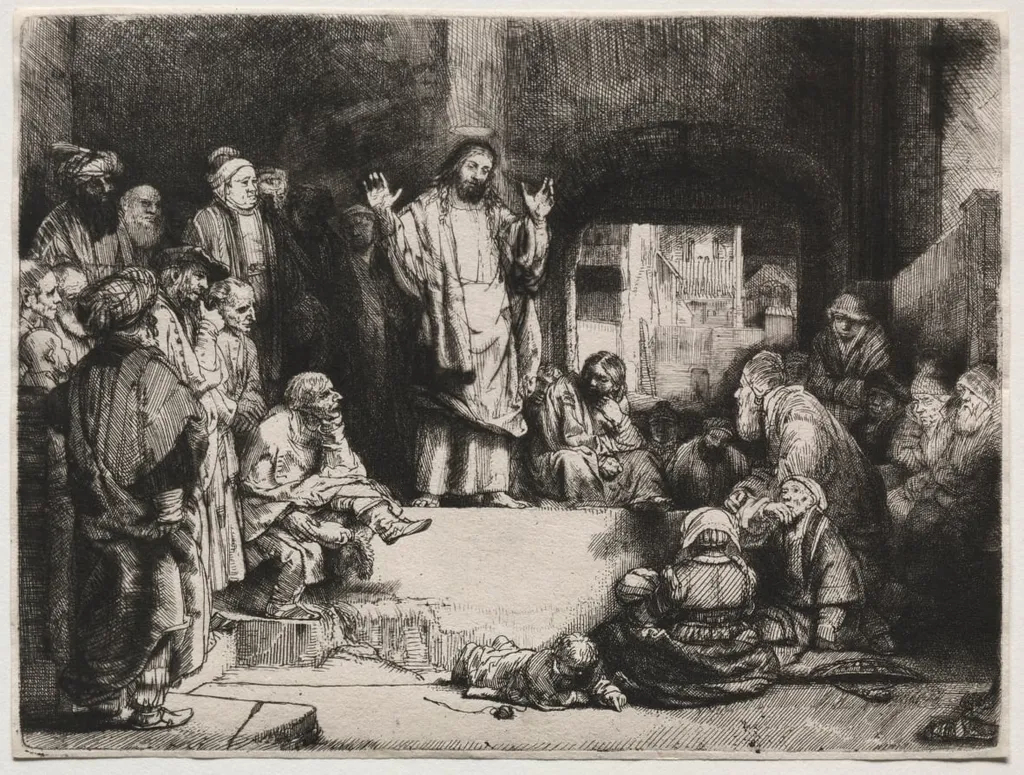
Christ Preaching ('La Petite Tombe') is a print by the Baroque artist Rembrandt. It dates from 1652 and is held in the collection of the Cleveland Museum of Art.
About this work
Overview
The print’s atmospheric quality arises from Rembrandt’s experimental handling of ink and plate, emphasizing mood over detail.
Christ Preaching, also known as La Petite Tombe, is an etching by Rembrandt van Rijn that captures a quiet moment of spiritual instruction in a modest rural setting. Among his approximately 300 printed works—more than any previous artist—it exemplifies his deep engagement with biblical narratives through intimate, human-scale scenes. The print’s atmospheric quality arises from Rembrandt’s experimental handling of ink and plate, emphasizing mood over detail.
Subject & Meaning
The scene portrays Christ addressing a diverse group of villagers, their reactions ranging from attentive stillness to distracted movement. Children fidget at the edges, merchants observe from a distance, and elders lean in with quiet focus. The composition suggests that divine message reaches all social strata, not just the devout. The central figure’s calm presence contrasts with the restless surroundings, reinforcing themes of accessibility and quiet authority.
Technique & Style
Rembrandt employed etching with exceptional freedom, using fine, expressive lines to suggest form rather than define it. He deliberately left ink on the plate’s surface during printing, creating soft, smudged shadows that deepen the sense of space and mystery. This technique, combined with the luminous glow around Christ, demonstrates his mastery of chiaroscuro in printmaking—using light and dark not just for realism, but for emotional resonance.
History & Provenance
Created in the 1650s, this print was part of Rembrandt’s prolific output during a period of personal and financial strain. Though not commissioned, it circulated widely among collectors and fellow artists, reflecting his reputation as a printmaker of profound psychological insight. Multiple states of the plate exist, indicating his ongoing revisions, and surviving impressions are held in major museum collections across Europe and North America.
Context
In mid-17th century Holland, religious imagery in art was shifting away from grand ecclesiastical themes toward personal, domestic spirituality. Rembrandt’s focus on ordinary people encountering Christ aligned with this cultural turn, resonating with Protestant values that emphasized individual faith. His prints, widely distributed, offered a new model for devotional imagery accessible beyond church walls.
Legacy
Christ Preaching influenced generations of printmakers through its emotional depth and technical innovation. Rembrandt’s use of ink manipulation to evoke atmosphere became a benchmark for expressive etching. The work’s quiet humanity and refusal of theatricality helped redefine biblical art as introspective rather than ceremonial, leaving a lasting imprint on the medium’s potential for narrative nuance.
Artist & collection
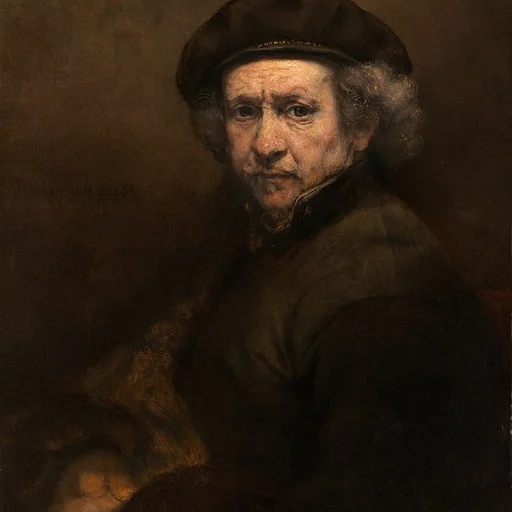
Artist
Rembrandt Harmenszoon van Rijn (15 July 1606 – 4 October 1669), known mononymously as Rembrandt, was a Dutch Golden Age painter, printmaker, and draughtsman.

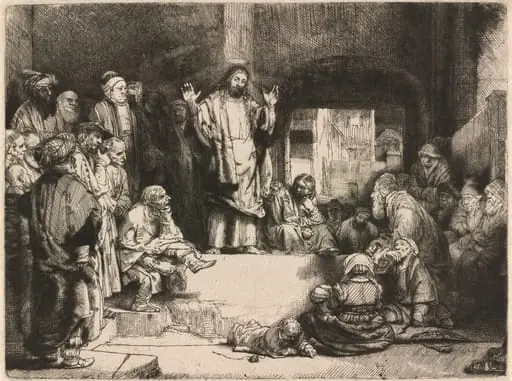 Christ Preaching (La petite Tombe)
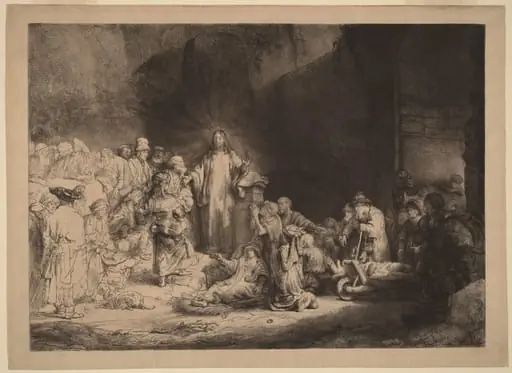 Christ Preaching (The Hundred Guilder Print)
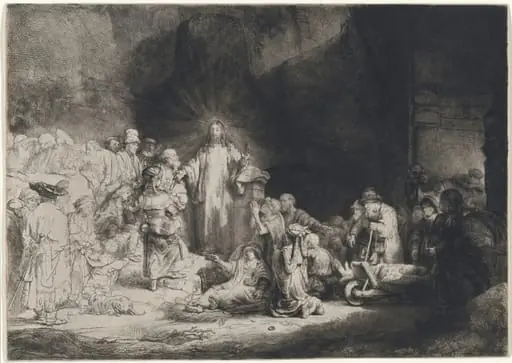 Christ Preaching (The Hundred Guilder Print)
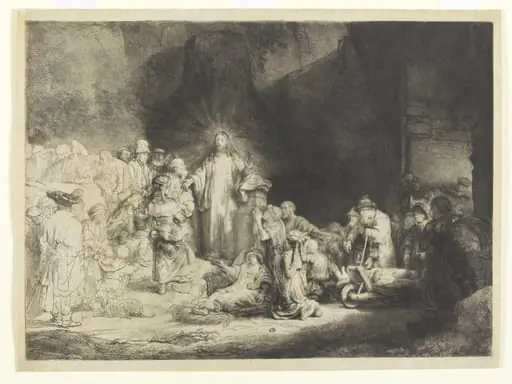 Christ healing the sick: 'The hundred guilder print'
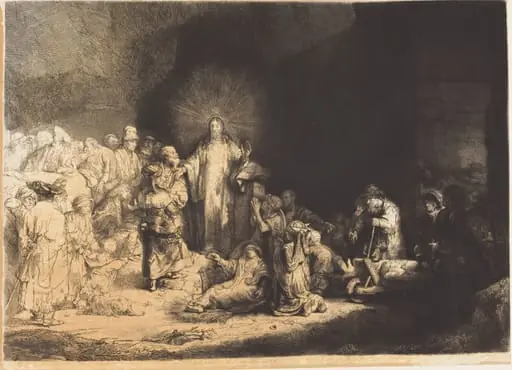 Christ Preaching (The Hundred Guilder Print)
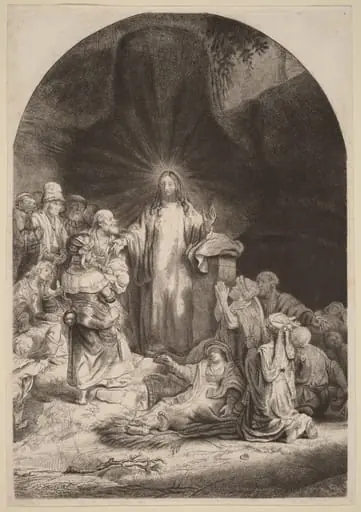 Christ Preaching and Healing (Fragment from the Hundred Guilder Print)
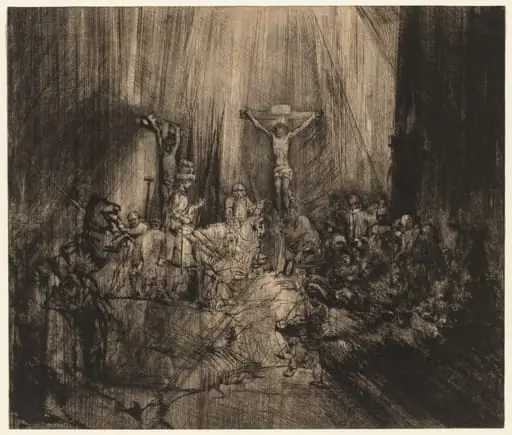 Christ Crucified Between the Two Thieves: 'The Three Crosses'